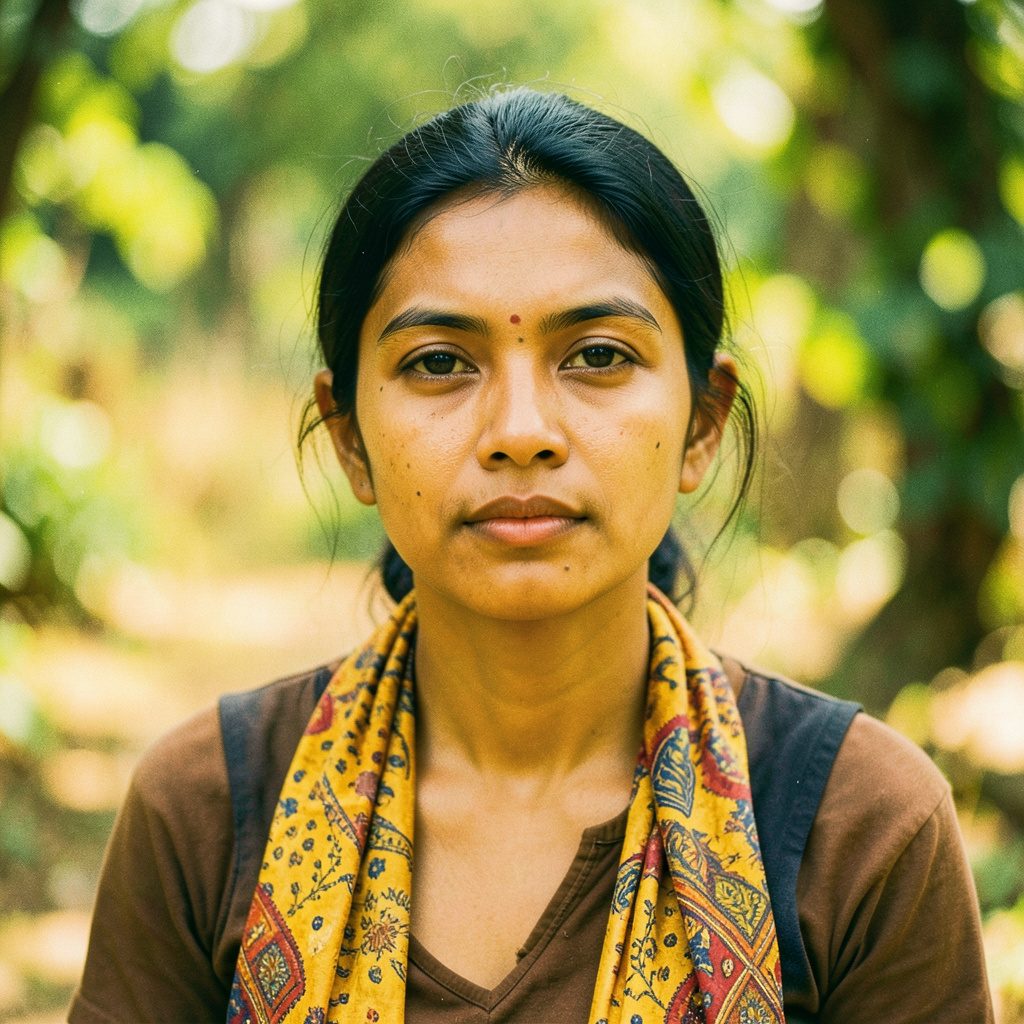
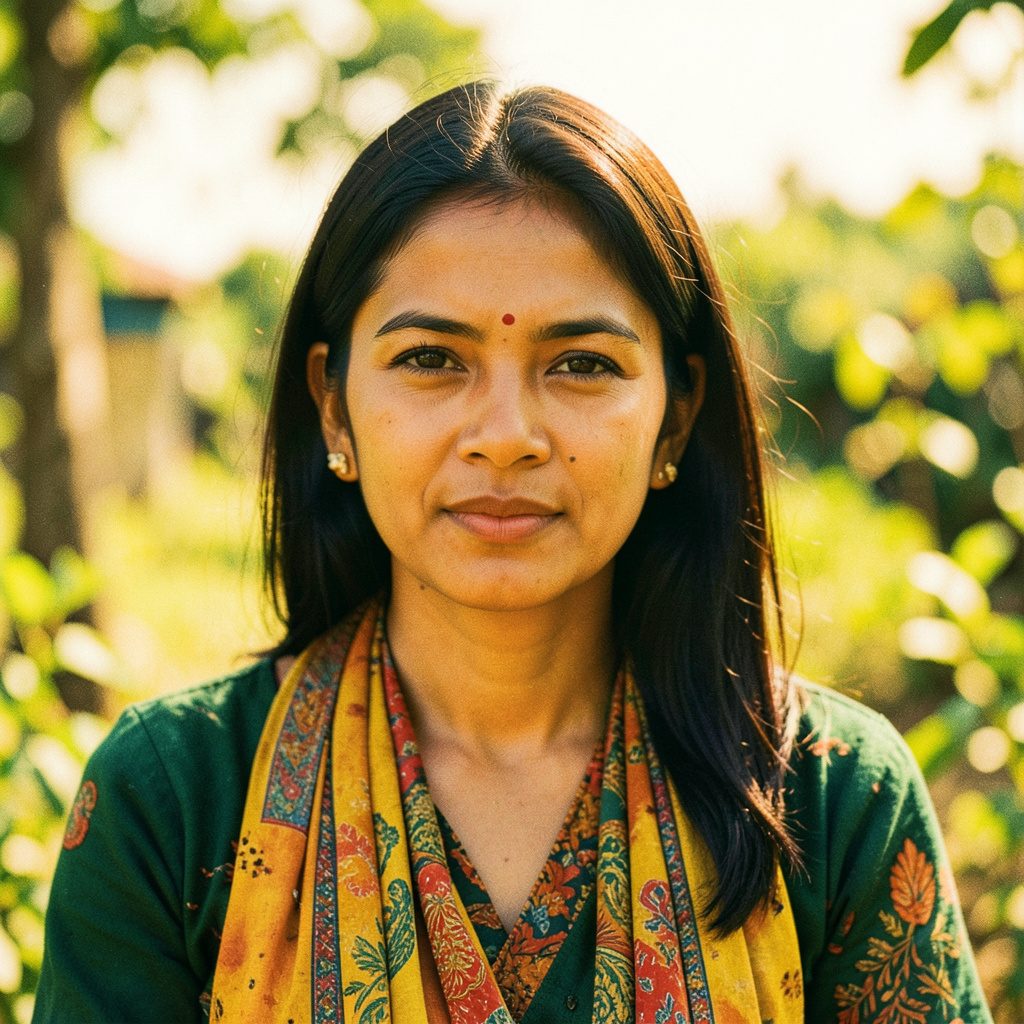
The most stunning monochrome portraits of Myanmar models
This edit of the most stunning monochrome portraits of Myanmar models looks past colour and toward the visual decisions that make an image endure. Direction, posture, fabric and light become the main language, allowing faces, gestures and silhouettes to carry the frame.
The editorial archive brings together portrait galleries, magazine imagery and fashion shoots featuring models, actresses and public figures. Stripped of colour, these pictures sit between celebrity photography and personal branding, where polish is balanced by a distinct sense of character.
For Australian readers, the appeal is easy to recognise: clean studio composition often meets naturally expressive poses, while window light and city backdrops feel familiar. The strongest examples also reveal how a cultural setting can be simplified without losing warmth.
Why monochrome portraits remain compelling
Black and white removes distractions while increasing attention on shape. A cheekbone, an eyebrow, the curve of a shoulder or the sweep of a garment becomes clearer because the eye no longer has to process competing colours. Tonal contrast gives these portraits their depth and makes even a simple pose appear deliberate.
Monochrome imagery also creates a timeless quality. It can suggest a classic magazine editorial, an intimate celebrity portrait or a fine-art study without relying on trends associated with a particular season. Within collections of Myanmar model photography, this flexibility allows highly styled shoots and relaxed portraits to feel connected.
Light creates the mood
Soft window light can produce gentle gradients across the face, while direct studio lighting creates sharper shadows and a more dramatic silhouette. The placement of the light often determines whether a portrait feels intimate, formal or energetic. Even reflections in jewellery and polished fabric become graphic patterns when colour is absent.
Australian locations offer useful examples of this range. Sydney’s intense coastal daylight can create crisp contrast outdoors, whereas a shaded verandah or studio near the harbour gives softer illumination. In Melbourne, window light from laneway cafés can provide a subdued, atmospheric setting for an informal portrait session.
Tradition, tailoring and texture
Traditional Myanmar clothing gains visual force without colour. The folds of an htamein, the line of a paso and the reflective surface of silk can read as abstract shapes within a monochrome frame. Floral details, patterned textiles and carefully placed accessories also provide texture that remains visible even in the darkest shadows.
Contemporary tailoring introduces a different kind of structure. Clean jackets, fitted dresses and minimal silhouettes can give a fashion portrait a modern editorial rhythm. A wider view of Myanmar modelling is available through Myanmar model spotlights, providing context for the personalities and visual identities represented in these gallery collections.
The portraits in an Australian context
The Australian fashion market is well known for adaptable pieces, natural finishes and styling that can move easily between daytime events and evening venues. That preference for relaxed elegance appears frequently in editorial imagery, where an unstructured pose or understated accessory often feels more convincing than an overly formal look.
Sydney and Melbourne also provide recognisable visual references. Harbour light, sandstone architecture, café interiors and the Arts Precinct have all shaped local portrait photography. These settings connect international fashion imagery with Australian ideas of ease, individuality and understated sophistication.
What happens before the camera clicks
A striking final frame depends on preparation that the audience never sees. Hair, wardrobe, posture, lighting and posing need to work together, particularly in monochrome, where small inconsistencies can become more noticeable. The archive’s photo shoot preparation guide explains how models approach these early stages.
During the session, subtle movements often produce the strongest photographs. A change in eye line, the position of the hands or a slight turn of the torso can shift a portrait from formal to expressive. Testing several variations also gives photographers options that cannot be created through post-processing alone.
Visual clues worth noticing
A monochrome image reveals its construction clearly, especially when viewed alongside related portraits from the same shoot. Composition and styling choices often carry more meaning than the absence of colour might initially suggest.
Composition details
- Leading lines direct attention towards the face
- Negative space gives the subject room to breathe
- Eye lines create a deliberate emotional connection
- Layered depth adds dimension to the frame
Styling and expression details
- Contrasting fabrics remain distinct in grayscale
- Restrained jewellery keeps attention on the face
- Hand placement reinforces posture and mood
- Small expression changes alter the portrait’s character
These details explain why two photographs featuring the same clothing or setting can feel entirely different. Light may flatter one subject more strongly, while a change in pose can make the second image feel spontaneous and engaging.
A practical way to read the archive
The archive is most effective when treated as a visual reference rather than a simple gallery. Popular and latest collections show recurring editorial styles, while individual model pages reveal how a particular face responds to different lighting, clothing and photographic direction.
Selecting a small group of favourite portraits and comparing their strongest elements can make the images easier to understand and remember. The practical takeaway is to isolate three choices—light, texture and posture—and use them as a compact framework when assessing any new fashion photograph.