Behind the Lens: How Myanmar Models Get Ready for a Photo Shoot
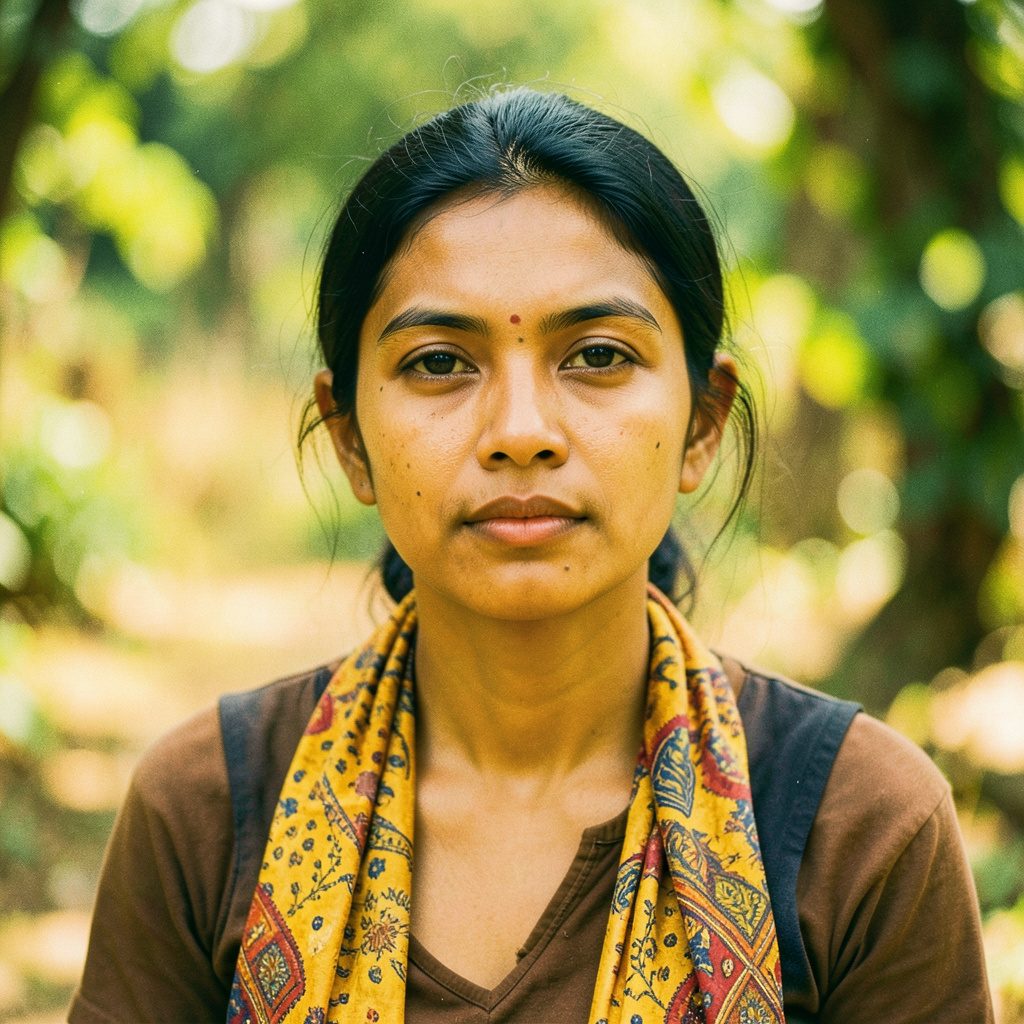
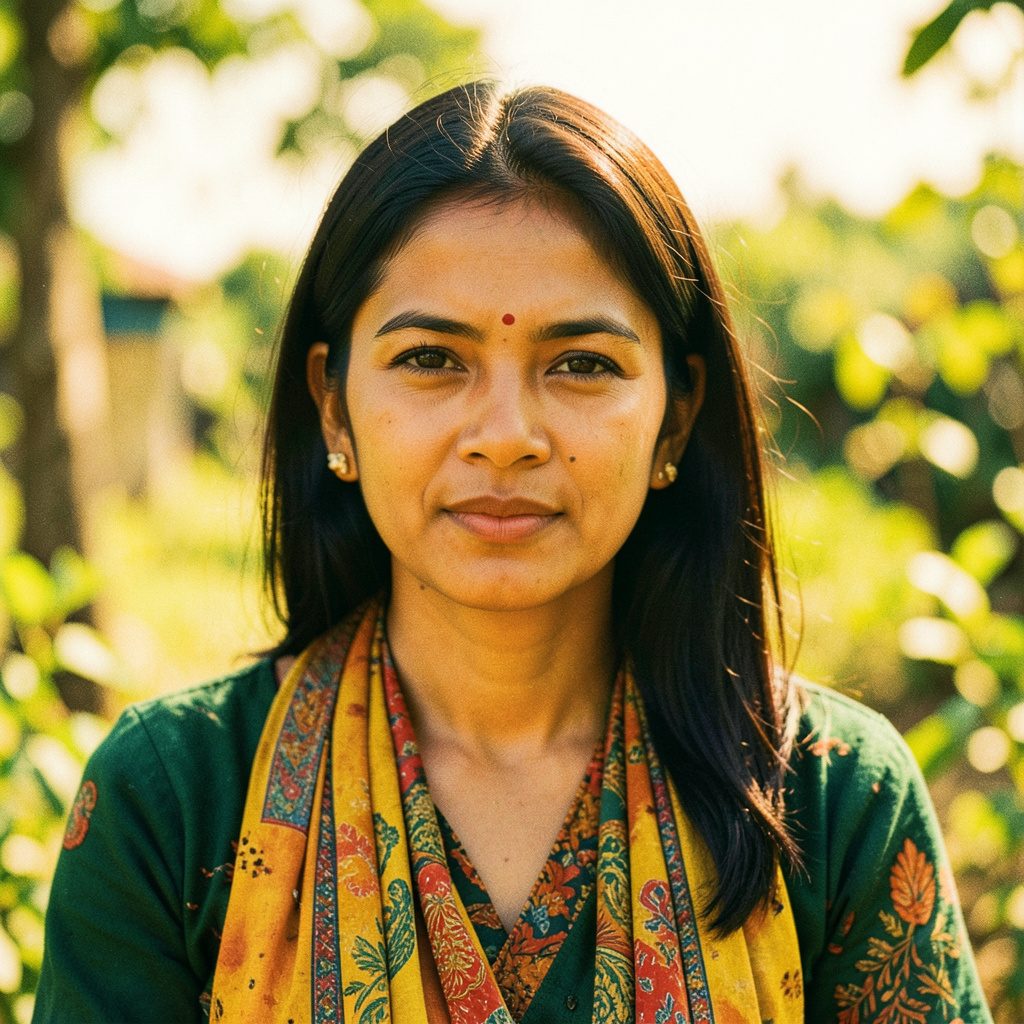
Myanmar models are increasingly appearing in regional fashion publications, beauty campaigns, and portrait features that reach audiences from Yangon to Sydney. Behind every striking editorial is a careful routine that begins days before the photographer raises a camera. From skincare rituals rooted in local botanicals to wardrobe choices that honour traditional textiles, preparation shapes the mood of the final image as much as lighting or composition.
This walk-through follows the path that many Burmese talents take before stepping onto set, with a few notes on how these routines adapt when shoots happen abroad in cities such as Melbourne or Brisbane. It also touches on the small habits that help models stay grounded when the day arrives.
Skin prep weeks before the shoot
Healthy skin is the quiet foundation of every successful image. Myanmar models typically begin a focused regimen seven to ten days before a shoot, prioritising hydration and gentle exfoliation. They avoid new products that could trigger reactions, sticking instead to familiar cleansers, serums, and SPF suited to the harsh Australian sun if travelling to Sydney for a coastal campaign.
Many also rely on home remedies passed down through family circles, such as thanaka paste for its soothing, anti-inflammatory qualities. Those seeking skincare preparation tips will find useful references for planning a layered routine before any major shoot. Plenty of sleep and water intake in the final week help reduce puffiness and even out the complexion under studio lights.
Wardrobe curation and traditional touches
Selecting what to wear is rarely a last-minute decision. Models often receive mood boards from stylists, then mix provided pieces with personal items that reflect their heritage. A shoot celebrating Myanmar identity might incorporate a htamein-inspired silhouette, handwoven fabrics from Shan State, or gold-toned accessories that catch the light without overwhelming the frame. When working on Australian campaigns, the wardrobe may shift toward lighter fabrics suited to warmer climates, while still nodding to cultural roots through embroidery or colour palettes.
Outfit priorities for cultural portrait shoots
- Choose one statement piece, such as a traditional collar or headdress, and keep the rest minimal.
- Bring backup options in similar tones to handle quick changes or fabric snags.
- Steam or iron everything the night before to avoid visible wrinkles in close-up frames.
- Pack a small sewing kit for emergencies on location.
Hair care and styling decisions
Hair is treated as a separate project rather than an afterthought. Models usually deep-condition their hair two days before the shoot, then avoid heavy styling products that can weigh down the natural movement needed for editorial work. Those with longer lengths often practise low ponytails, soft waves, or traditional braided crowns that reference Myanmar beauty traditions.
If a hairstylist is booked on set, models still arrive with freshly washed hair so the professional can work efficiently. For shoots in humid locations like coastal Queensland, anti-frizz serums and silk scrunchies become essential additions to the kit. The goal is healthy hair that responds to direction rather than fights it.
Makeup planning and colour matching
Makeup tests are increasingly common, especially when a shoot involves multiple looks or close-up beauty shots. Models discuss skin tone, undertone, and any sensitivities with the makeup artist beforehand. For Myanmar models, finding foundation shades that sit between warm and neutral undertones can be a particular challenge, so communication is essential.
Makeup kit essentials for shoot day
- Translucent setting powder to control shine under hot lights.
- A hydrating lip balm in a neutral shade for quick refreshes between setups.
- Cotton buds and micellar water for cleaning up edges without disturbing base makeup.
- A small mirror to check the look between frames, especially after outdoor shoots.
The makeup artist usually controls the main palette, but the model keeps these items for personal comfort between setups. Some also carry a sheer sunscreen that sits well under foundation, particularly when shooting outdoors in Sydney parks or beachside locations.
Posing practice and physical conditioning
Editorial posing requires endurance and muscle awareness that many models develop through targeted practice. In the days before a shoot, models often rehearse signature angles in front of a mirror, paying attention to jawline, shoulders, and hand placement. Light stretching helps loosen tension in the neck and back, areas that stiffen quickly during long shoots.
Fitness routines vary, but walking, swimming, or gentle yoga are common choices that build stamina without adding bulk. For shoots requiring extended standing or dynamic movement, such as fashion film projects in Melbourne laneways, cardiovascular conditioning becomes especially valuable.
Mental focus and confidence building
Behind polished images is a calm mind that can hold a frame for hours. Models use several techniques to settle nerves before a shoot. Some meditate for ten minutes upon waking, while others rely on music playlists that match the shoot's mood. Reviewing past work helps build confidence, and so does avoiding last-minute comparisons on social platforms.
It also helps to remember that photographers in Australia often value authenticity over perfection. Brands such as Romance Was Born have booked Myanmar talent precisely because they bring a distinctive presence, rather than a homogenised look. This mindset allows models to relax into their own features rather than imitate someone else's.
Final hour logistics before the camera clicks
The last sixty minutes before a shoot are about protection and pacing. Models confirm transport, hydrate, eat a light meal to sustain energy, and double-check their call sheet. They avoid alcohol, salty foods, and heavy makeup right before the session. A quick review of the mood board in the car or dressing room keeps the creative direction fresh in the mind.
Phone notifications are silenced, and any loose items are secured in a personal bag. For shoots in Sydney's CBD or around the Opera House precinct, models also build in extra travel time to account for traffic or parking delays. Walking onto set calm, rested, and prepared is the ultimate goal.
A useful starting point for anyone walking this path is to block out a realistic preparation timeline at least one week in advance and reverse-engineer every task back to the shoot hour. That single habit turns an overwhelming day into a series of small, manageable steps.