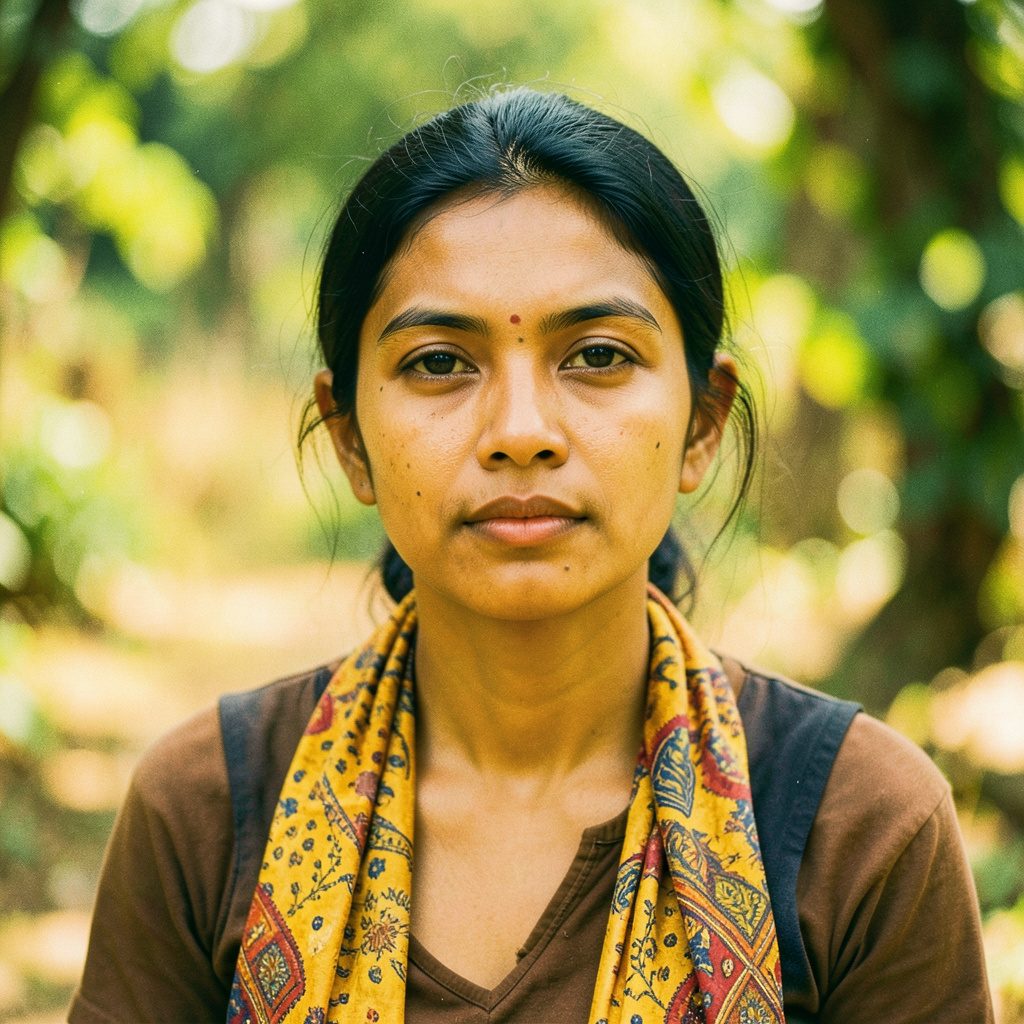
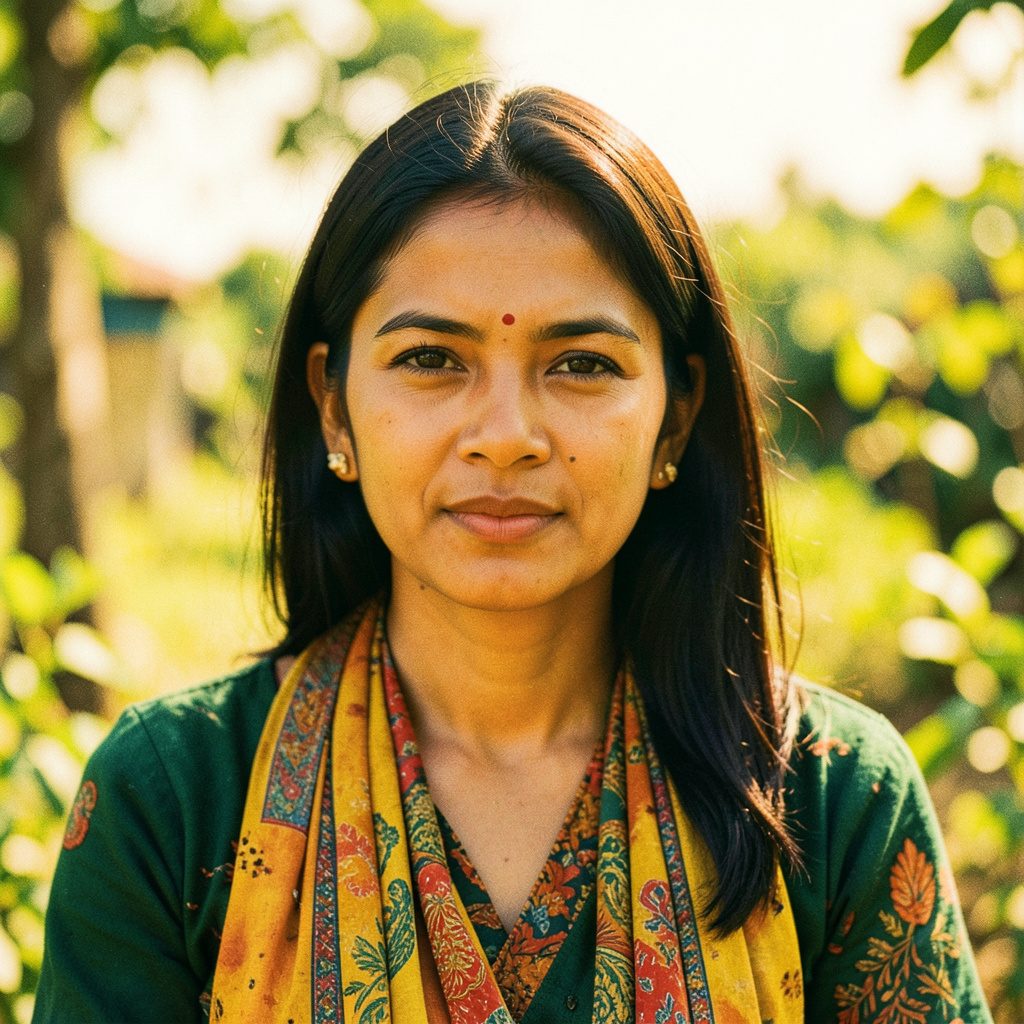
Stunning black and white portraits of Myanmar models
Black and white photography has long served as a bridge between documentary truth and artistic interpretation, and nowhere is that bridge more striking than in the portraiture emerging from Myanmar. The country's modeling scene is rooted in a blend of traditional dress, contemporary fashion, and a visual curiosity that leans heavily into editorial mood. Monochrome treatments heighten the textures of longyi fabrics, the gleam of thanaka on cheekbones, and the quiet intensity of a model's posture, creating images that feel timeless rather than tied to a single season.
For Australian readers, this aesthetic resonates across cultures. Sydney's fashion districts and Melbourne's laneway studios have embraced Southeast Asian designers for years, and the appetite for cross-cultural portraiture is growing alongside the country's multicultural communities. Editorial features that once felt distant now circulate freely on social feeds, allowing a photographer working in Yangon to shape the visual imagination of a follower in Brisbane or Perth within hours.
Archives dedicated to Myanmar modeling have become essential reference points. Sites that curate magazine covers, fashion editorials, and portrait galleries offer a window into a scene that combines regional identity with global editorial standards. These collections are particularly valuable because they document both emerging talents and established figures, preserving the visual record of a fashion culture in motion.
The visual language of monochrome Myanmar photography
A black and white portrait functions as a study in contrast, geometry, and emotion, and Myanmar photographers have long understood how to exploit those elements. Traditional settings, such as gilded temple courtyards or teak verandas, provide rich tonal variation that colour photography can sometimes flatten. Contemporary studios in Yangon and in places like Sydney's Surry Hills often pair this heritage with modern lighting, producing portraits that feel simultaneously rooted and cosmopolitan.
| Element | Traditional approach | Contemporary approach |
|---|---|---|
| Lighting | Soft natural window light, minimal artificial fill | Controlled strobes, LED panels, mixed sources |
| Wardrobe | Longyi, htamein, traditional jewellery | Global haute couture, minimalist studio wear |
| Background | Architectural heritage, natural foliage | Seamless paper, textured walls, digital backdrops |
| Mood | Quiet formality, ceremonial poise | Expressive editorial drama, intimate close-ups |
This table reflects how the same visual goals, clarity of expression and command of the viewer's attention, can be reached by very different means. The traditional route leans on cultural symbols and environmental context, while the contemporary method often strips the subject down to form and shadow. Both approaches populate the galleries featured in the Khin Wint Hnin interview, where the model discusses how her favourite shoots shifted between these two worlds.
Iconic faces and editorial favourites
Certain portraits become reference points for an entire editorial generation, and Myanmar's monochrome archive has produced several. Magazine editors in Yangon frequently commission shoots that play with shadow and silver tones, partly because the country's lush, colourful environments can overwhelm a colour palette, and partly because monochrome lends gravitas to emerging faces. The result is a body of work that reads like a living catalogue of contemporary Burmese beauty.
A growing number of Australian photographers and stylists travel to Myanmar each year, often pairing the visit with a stopover in Singapore or Bangkok. Some bring local designers with them, creating editorial exchanges that end up in both Australian and Myanmar publications. This cross-pollination means that a portrait commissioned in a Yangon studio might appear in a Melbourne fashion week programme months later, with credit shared and creative influence flowing in both directions.
Light, texture, and the power of contrast
The technical choices behind a compelling monochrome portrait are deceptively simple. Photographers must think in terms of luminance rather than hue, which means reading a scene for its range of greys before pressing the shutter. In Myanmar's tropical light, that challenge is amplified by humidity and sudden cloud cover, pushing practitioners to schedule around the softer hours of morning and late afternoon.
Australian photographers working in similar conditions, whether shooting on a Bondi balcony or in a Perth warehouse, recognise the value of waiting for the right light. Many carry a small collapsible reflector and a single speedlight, relying on available light as the primary source. The same restraint shows up in the work of seasoned Myanmar portraitists, who often prefer a single soft key light over a multi-light setup, letting shadow do the storytelling.
Cross-cultural appeal and Australian audiences
Australian audiences encounter Myanmar portraiture through several channels, from international fashion magazines stocked in Sydney newsagents to Instagram feeds curated by local enthusiasts of Southeast Asian design. The country's multicultural population, with significant Burmese communities in Melbourne, Sydney, and Brisbane, creates a built-in audience eager to see itself reflected in editorial pages. Fashion retailers in suburbs like Cabramatta and Box Hill have long stocked designers from across the region, and that familiarity extends naturally to portraiture.
Australian legislation also shapes how these images are collected and shared. The Privacy Act 1988 governs the use of identifiable images of individuals, and editorial sites that feature models professionally must navigate consent, licensing, and image rights carefully. Reputable archives that work with established agencies tend to manage these requirements seamlessly, providing a layer of trust for readers who want to share or reference the work.
Building a personal monochrome collection
For those who want to explore Myanmar's black and white portraiture more deeply, a focused approach yields the richest results.
- Start with established editorial archives rather than scattered social posts.
- Follow a small number of photographers whose lighting style you admire, then study their full bodies of work.
- Print a few favourites in monochrome, even if they were shot in colour, to see how the tones translate.
- Compare traditional and contemporary shoots side by side to understand how style has evolved.
- Respect copyright and licensing terms, particularly when sharing images beyond personal viewing.
The work of photographer Edna Jena offers a useful counterpoint to the Myanmar studio tradition, demonstrating how a single artist's monochrome vision can shift between cultural contexts while retaining a consistent emotional register.
For readers in Sydney, Melbourne, or anywhere in between, the practical takeaway is straightforward. Curate a small, intentional folder of monochrome portraits from Myanmar, revisit them in printed form when possible, and let the slower pace of black and white photography reshape how you see contemporary fashion. The medium rewards patience, and the subjects of these portraits reward attention.