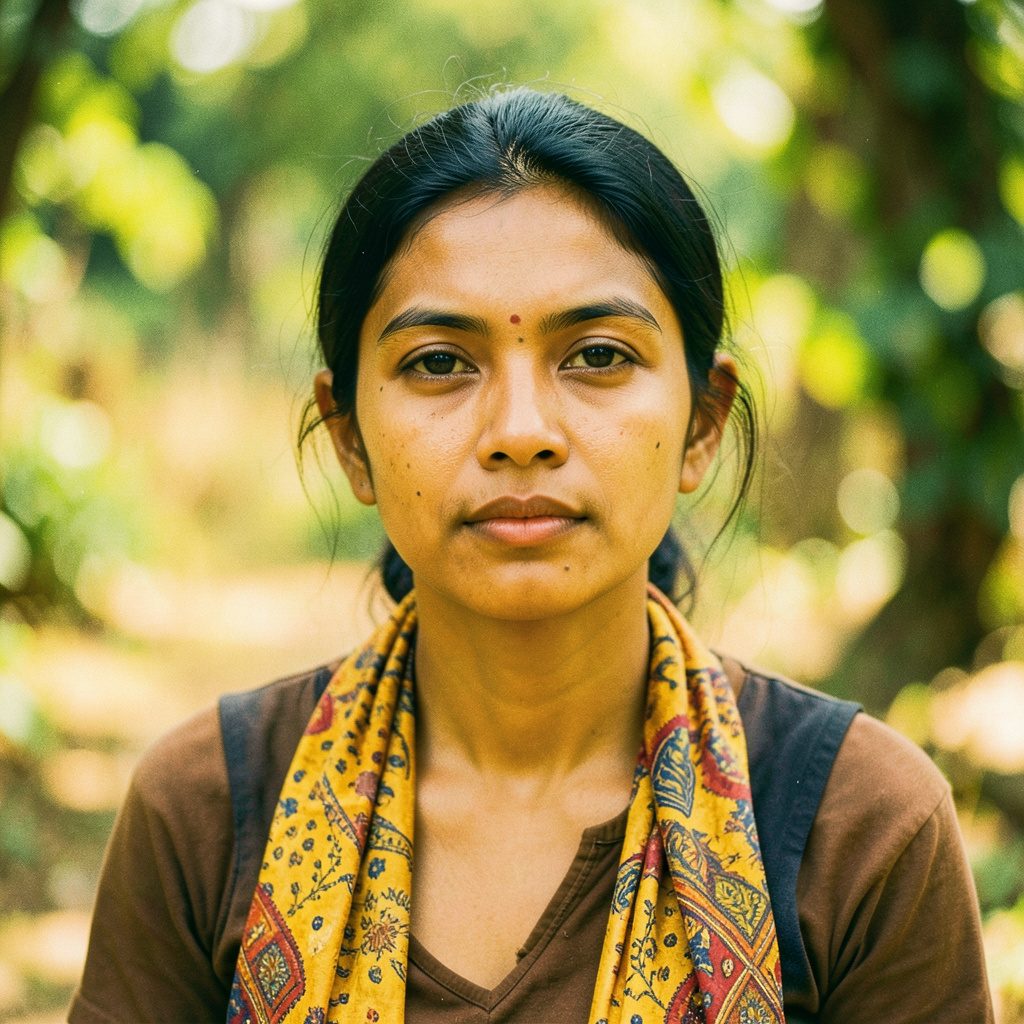
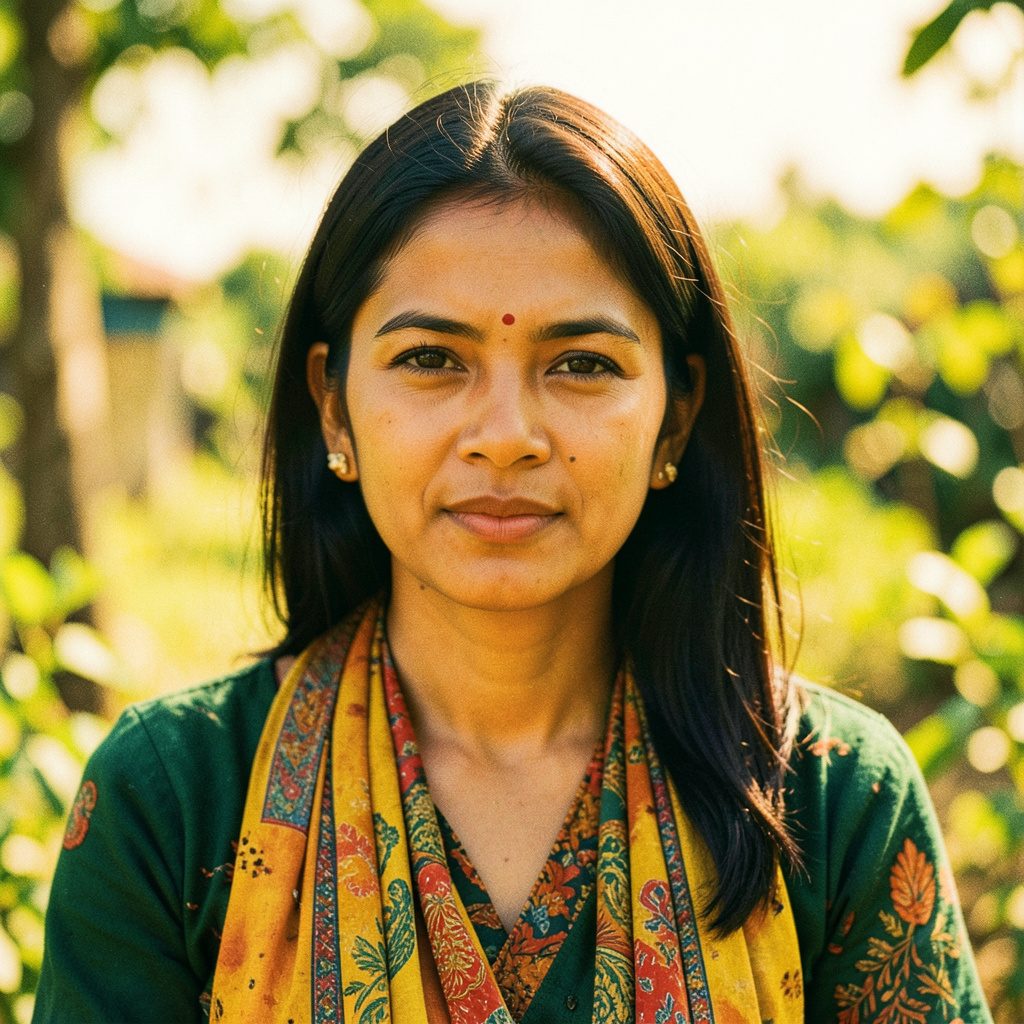
Khin Wint Hnin on the photo shoots that shaped her path
Khin Wint Hnin has spent the last several years moving between Yangon studios, regional fashion weeks, and quiet location shoots in places she never expected to visit. When she sits down to talk about her favorite photo shoots, the conversation drifts easily from the lacquered furniture of her first editorial to the salt-weathered piers of an Australian coastal town where she spent three weeks on assignment. She is not a model who names a single defining image; instead, she returns to the days that taught her something about light, trust, and pace.
The Myanmar fashion scene has grown quickly in the past decade, and Wint Hnin has been part of that shift. She began modeling in her late teens after a friend submitted her photographs to a local agency, and has since appeared in campaigns for skincare brands, textile labels, and wedding magazines across Southeast Asia. Her work is often discussed alongside the most photogenic Myanmar actresses of recent years, a gallery that places editorial portraits, magazine covers, and traditional costume spreads in one browsing space.
She has walked in a Sydney showcase during Australian Fashion Week, posed for a Melbourne bridal atelier, and shot a beach story for a city quarterly. Those international jobs, she says, changed how she approaches even the simplest portrait.
A first studio shoot in Yangon
Wint Hnin still talks about her first professional booking as if it happened in another lifetime. She was twenty when a small boutique magazine in Yangon commissioned a four-page editorial featuring traditional htamein and blouses from a heritage textile house. The photographer, a friend of the editor, worked with two studio lamps and a borrowed backdrop.
What she remembers is the slowness. The team spent long minutes adjusting a fold of fabric before the shutter clicked. She learned that a good image is built from small decisions: the angle of a wrist, the softening of a jaw, the patience of a photographer willing to wait for breath.
The editorial later ran with minimal retouching, and several images were picked up by regional press. It remains the standard she measures every set against, asking whether the team is patient, the clothing honest, and the light grounded enough to hold for years.
Working with a Melbourne-based team
Two years into her career, Wint Hnin took her first international assignment in Melbourne. She was flown out for a spring bridal campaign that her agency had pitched to an Australian label. The shoot ran over five days, split between a heritage mansion in the inner suburbs and a beach location near Sorrento on the Mornington Peninsula.
The Australian crew introduced her to a different pace. Mornings started early for soft light, lunches were unhurried, and the team discussed framing openly. She worked with a Melbourne makeup artist and a photographer who had shot labels shown at Australian Fashion Week in Sydney.
She counts this as a favorite because the imagery felt grounded. The gowns were not over-styled, the location was real, and the direction reflected the understated elegance Australian bridal photography is known for. Brides still ask about the ring styling, and she points them toward a thoughtful vintage wedding ring guide she keeps bookmarked.
A coastal editorial in Queensland
The Queensland job came through a Brisbane-based magazine that wanted a coastal fashion story timed to the early Australian summer. Wint Hnin spent three days shooting around the headlands south of the city, choosing pale sand, low scrub, and open sky for the locations.
What made the shoot memorable was the weather. The first morning was overcast, the second brought rain, and the third opened into the clear light Australian coastal photography is known for. The team adjusted daily, chasing conditions, and the portfolio carries that sense of movement.
She also remembers the small details: a cafe owner near Byron Bay offering iced coffee between setups, the dog that wandered onto the beach during a frame, and the older woman who stopped to watch and later sent a note. Those unscripted moments are what she keeps in her work.
A quiet series in a Sydney studio
Sydney offered a different favorite. During a stay, she was invited to a Surry Hills studio for a personal portrait project. There was no client and no commercial pressure. The photographer, an Australian artist known for analogue work, used a medium-format camera and natural light, and the session lasted an afternoon.
The images are stripped back: minimal styling, neutral tones, and a focus on expression rather than wardrobe. The set reminded her that a photo shoot can be a conversation rather than a production, and let her revisit the patience she first learned in Yangon.
Looking at the contact sheets now, she can still name the order the frames were shot, the adjustments suggested, and the way the room warmed. That memory is what she carries into every commercial booking.
Traditional costume work close to home
When asked which shoot feels most personal, Wint Hnin returns to a traditional costume editorial she completed last year near Bagan. The team travelled by boat along the Irrawaddy, stopping at small villages to capture handwoven garments in the dawn light the region is known for.
She worked with a stylist who had spent months sourcing pieces from weavers across the country, and the photographer used available light almost entirely. The frames feel both editorial and documentary, and they are the set she shows most often when younger models ask what she would still pursue if the industry changed.
What she values is how the work connects her career to a longer tradition of textile portraiture in Myanmar. The frames were shot on film, developed in a small Yangon lab, and printed by a printer she has known since her first editorial. For Wint Hnin, that continuity is the point.
The shoots that made her slow down
A pattern emerges across the conversation. The shoots she calls her favorites are not the loudest or most expensive. They respected the work, clothing, and people involved, whether a bridal gown on the Mornington Peninsula, a coastal story south of Brisbane, or a heritage piece near Bagan. The throughline is collaboration.
She also talks about the shoots she turned down, where briefs arrived late, styling felt rushed, or photographers refused to share contact sheets. Those jobs taught her what to protect. The industry moves quickly and the temptation to chase volume is constant, but her favorite frames required patience.
She is selective now, asking to see references, lighting plans, and styling mood boards before confirming a booking. The discipline, she says, is what keeps the work honest.
Her next project is a March group exhibition at a Yangon gallery, where prints from her favorite photo shoots will be shown with written notes from each session. The gallery opens on the second Saturday of the month, and a printed catalogue will be released four weeks later.