Magazine Covers That Stayed With Us
A magazine cover has one job: stop a reader at a newsstand. The most memorable magazine covers of the year turned that brief into visual theatre, using a decisive pose, a striking cover line and just enough context to suggest the story inside. Their strength was immediate rather than loud; the best images remained recognisable after the issue moved from the rack to an online gallery.
For a photo-led archive such as Myanmar-model.net, these images matter because they preserve fashion personalities as people, not merely as names in an index. Collections of Myanmar models, actresses, celebrities and fashion personalities reveal how portraiture, clothing and public identity meet on the printed page. They also offer a way to compare regional style with the global cover culture seen in Australian and international editions.
The covers that refused to disappear
The strongest annual issues shared a clear visual idea and a cover story that reinforced it. Rather than judging a cover only by fame or production scale, memorability comes from the relationship between image, type and subject: each element should make the others more convincing.
| Cover approach | Visual device | Immediate effect | Why it endured |
|---|---|---|---|
| Heritage portrait | Traditional dress with a modern pose | Culturally specific | Connected private identity with public style |
| Cinematic close-up | Direct gaze and controlled lighting | Intimate and intense | Made the subject feel larger than the issue |
| Fashion tableau | Sculptural styling and bold cover lines | Aspirational and energetic | Changed the visual language of the season |
| Local scene | A recognisable place or cultural moment | Distinctive | Gave the issue a sense of belonging |
These approaches recur across editions because they solve a basic editorial problem. A fashion subject can attract attention, but a memorable cover gives that attention a shape, whether through heritage, personality, spectacle or place.
Heritage, dress and cultural memory
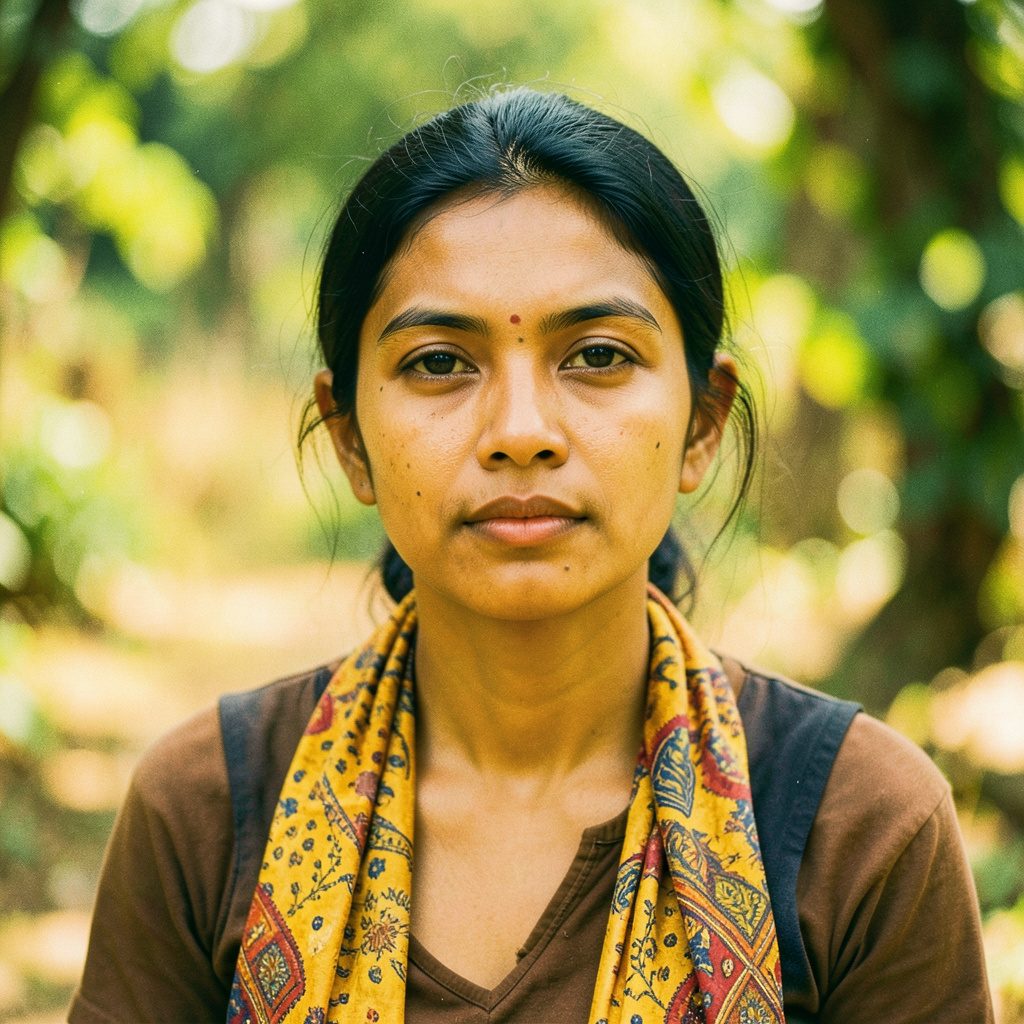
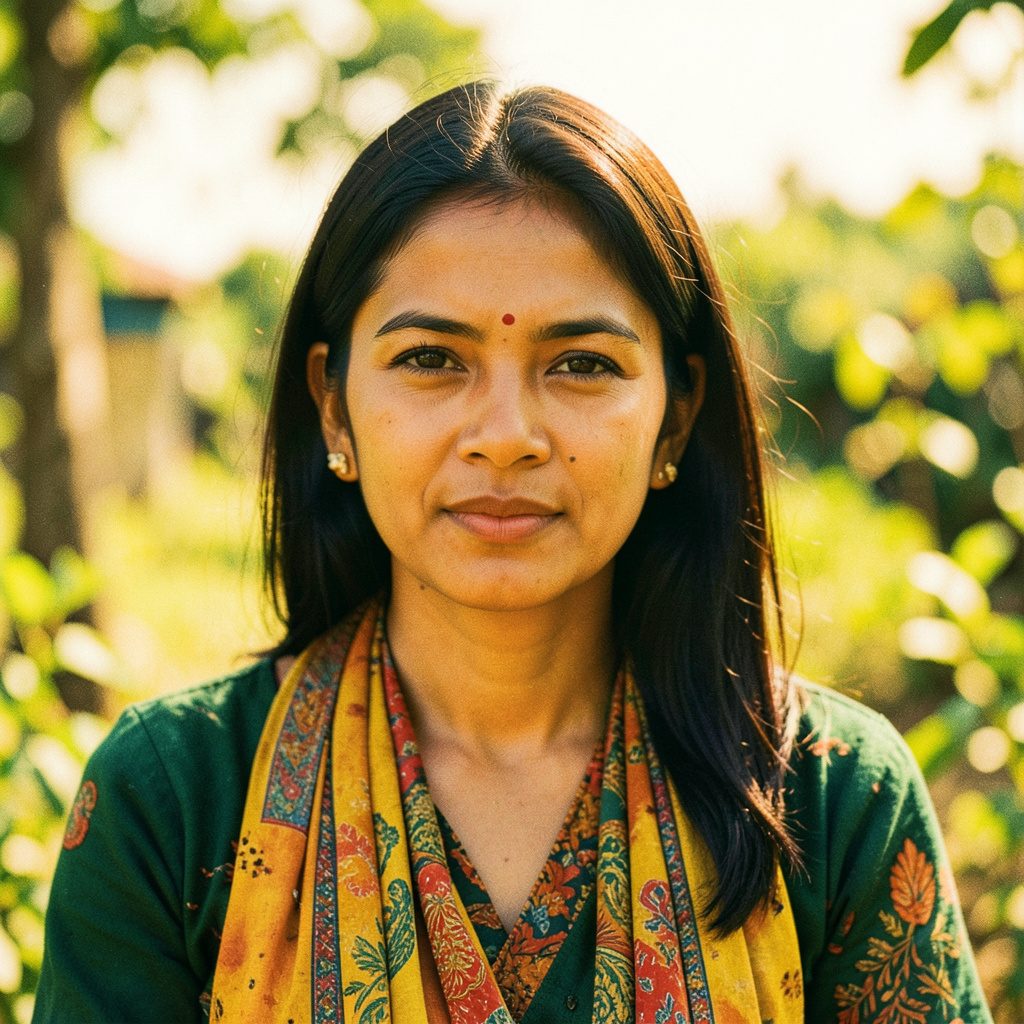
Traditional Myanmar clothing gave many covers an identity that no generic studio setup could reproduce. The wrapped structure of an htamein, the fall of a longyi, patterned textiles and carefully placed jewellery create rhythm before the reader even notices a facial expression. A crop can turn those details into bold geometry, allowing national craft to sit confidently within a contemporary fashion editorial.
That balance is visible in a curated gallery of Myanmar film-star fashion moments, where screen presence and ceremonial or traditional styling are treated as complementary forms of celebrity. The lesson for any cover editor is simple: cultural specificity becomes stronger, not weaker, when the photograph is precise and the styling is allowed to breathe.
The close-up that made a cover
Some of the year's most durable covers relied on very little. A face filled the frame, the masthead crossed the upper edge and the cover line occupied a small pocket of negative space. This restraint suited actors and models whose expressions could carry an entire issue, especially when the styling avoided looking louder than the person behind it.
The opposite choice worked just as well. Wider frames placed the subject inside a set, with fabric, architecture or a carefully selected prop acting as evidence of the cover story. These scenes felt less like product photographs and more like stills from a film. For Myanmar-model.net's portrait galleries, that distinction is crucial, since the surrounding detail often explains why a particular look became culturally memorable.
How the year felt in Australia
Australian readers encountered cover culture through a strong local publishing market, including long-running editions of Vogue Australia, ELLE Australia and Harper's BAZAAR Australia. Domestic labels such as Scanlan Theodore and Ginger & Smart also gave national coverage something distinct to say, rather than making the country seem like a backdrop for overseas trends. Sydney and Melbourne newsstands, fashion events and social feeds then carried those images into daily life.
Timing shaped the response as much as the clothes. A January issue arrives in Australian summer, so pale tailoring, breathable dresses and saturated colour naturally read as seasonal rather than copied. Around Lunar New Year, which is widely celebrated in Sydney's Chinatown and in suburban family communities, cover stories drawing on regional traditions acquired another layer of local relevance.
For readers translating cover silhouettes into everyday wardrobes, the practical wardrobe edit offers a useful secondary reference. It connects the aspirational image with clothing designed for movement and repetition, a useful comparison when the cover's drama comes from controlled shape rather than technical performance.
The covers that shaped the conversation
A memorable cover can change what the public expects from fashion. A bold cover line may introduce a debate, a traditional garment can prompt a wider conversation about representation, and an unconventional crop can influence how later shoots are staged. The photograph therefore works like a preview: it frames the issue's questions before the editorial begins.
This is also why collectability and relevance are different qualities. A scarce issue may be valuable because of its print run, while a cover stays influential because its image is reproduced, discussed and referenced. The strongest examples serve both purposes, giving collectors a physical object and researchers a clear visual record of the year in style.
Building a durable cover shortlist
A credible shortlist needs evidence from more than a single issue. Compare the portrait, styling, cover lines, photographer credit and cultural context; then check whether the image still reads when separated from the magazine's branding. The cover that remains clear at thumbnail size usually has the strongest hierarchy, while the one with the richest context often rewards a full-page view.
Archiving methods should preserve those two kinds of value together. A cover image, issue date, publication, photographer and a concise note on the cover story should travel as one record, much like a portrait and its styling notes on Myanmar-model.net. The archive's next concrete step is to create a record for each selected cover containing those metadata fields and a 50-word visual description.