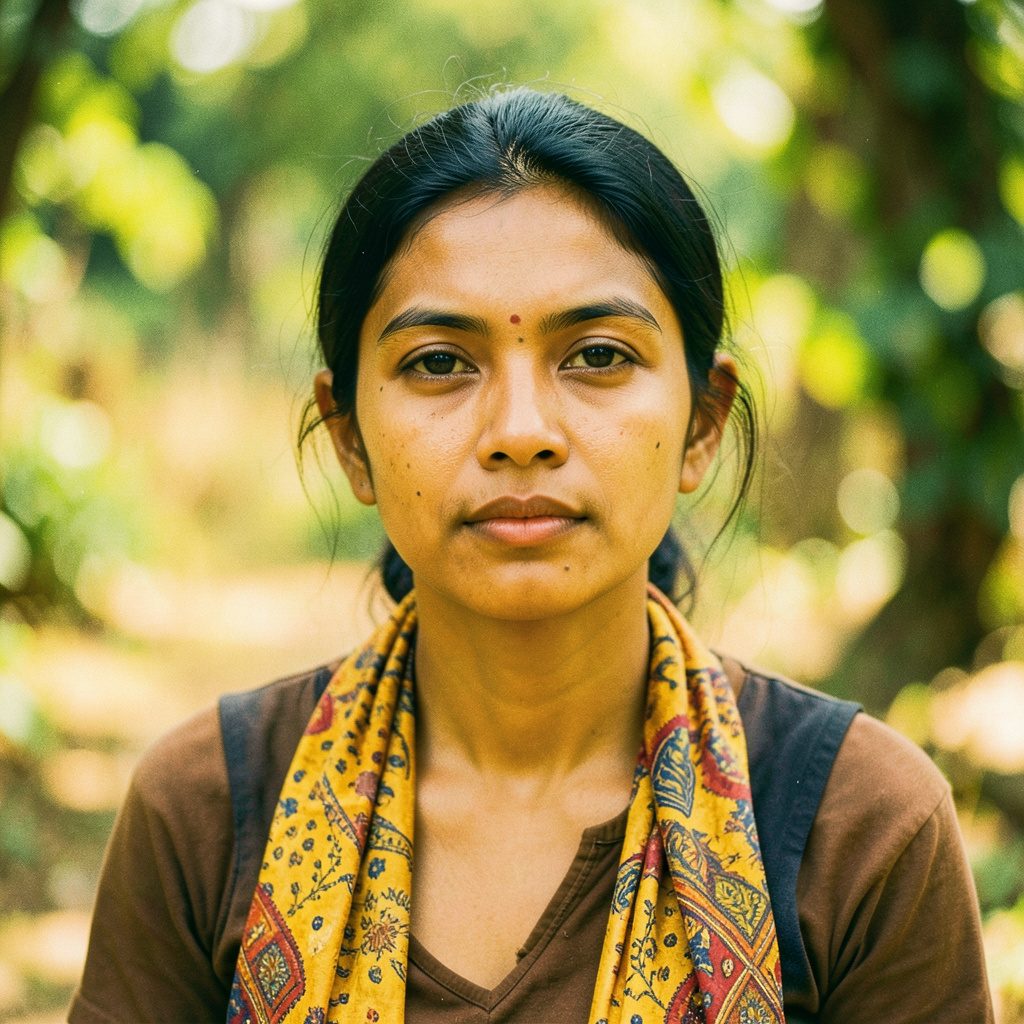
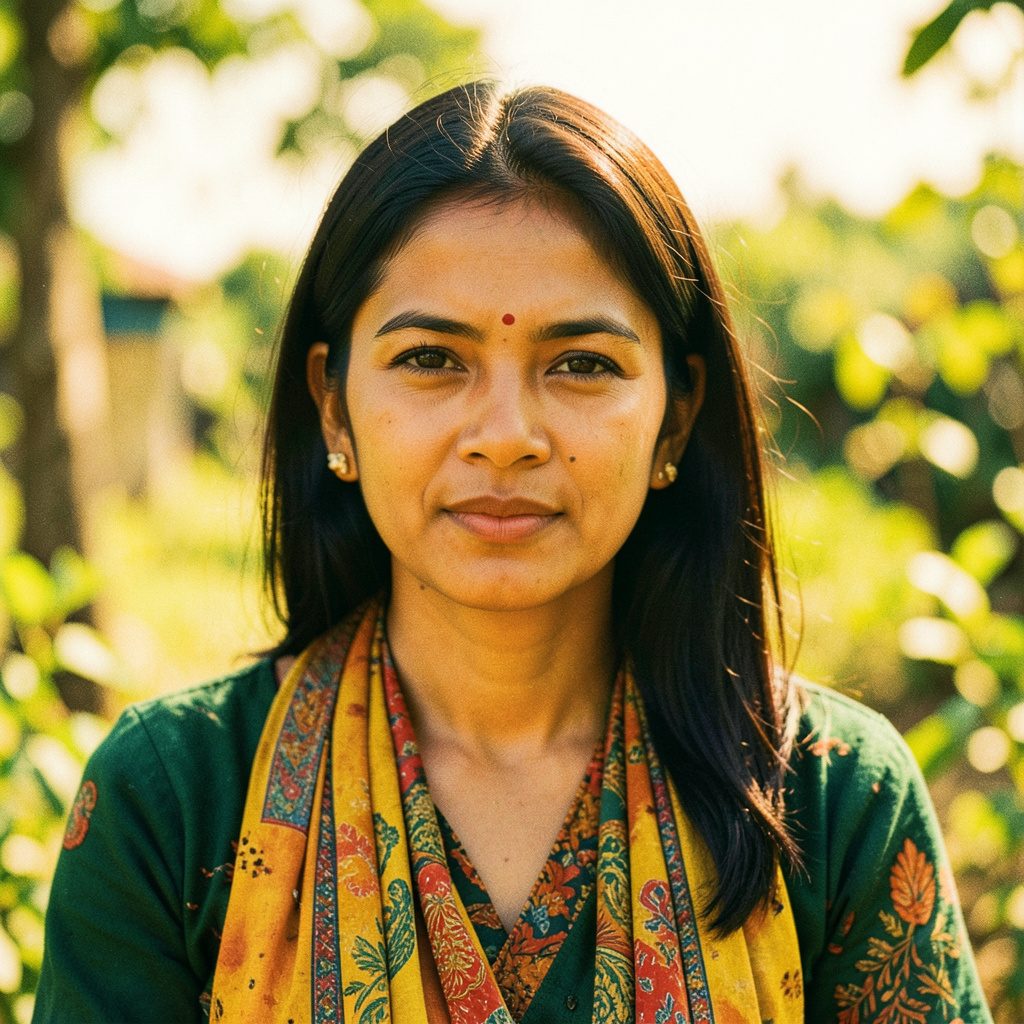
Iconic fashion moments from Myanmar film stars across decades
Myanmar cinema has always treated costume as a kind of secondary character. The garments worn by leading actors speak of social rank, regional heritage, the political climate of an era, and the shifting tastes of regional fashion. From the lacquered headpieces of mid-century melodramas to the sleek modern edits seen in today's magazines, each wardrobe choice becomes part of a country's visual memory.
For audiences in Australia, where Melbourne's Myanmar community gathers in Brunswick and Sydney hosts events around Cabramatta, these images hold a particular resonance. They surface in SBS documentaries, in small gallery shows at places like Carriageworks, and across the curated galleries at myanmar-model.net, where covers, editorials, and traditional portraits come together in a single visual archive.
Golden age elegance and the rise of studio glamour
The earliest waves of Myanmar film, flowering in studios around Yangon in the 1950s and 60s, treated fashion as a central character. Stars such as Wah Zaw and May Thinzar Myo appeared in lavish sequences built around silk longyi, embroidered blouses, and elaborate flowers in their hair. Each scene was staged like a painting, with directors and costume designers translating aristocratic life into believable screen imagery.
Australian viewers who catch these classics on multicultural broadcasts or in festival retrospectives often remark on the European-inflected shapes mixed with unmistakably Burmese detail. High-collared jackets met with sarong-like wraps, gloves and pearls sat beside the traditional thanaka paste on the cheeks. The resulting look still influences bridal fashion in Yangon today, and it remains one of the most photographed eras on myanmar-model.net.
Magazine covers that defined celebrity style
Long before the influencer era, Myanmar magazines built celebrity around carefully styled covers. The glossy weeklies of the 1990s and 2000s treated film stars like international royalty, dressing them in borrowed designer pieces, dramatic studio lighting, and editorial backdrops that pushed the local fashion conversation forward. Names such as Eaindra Kyaw Zin and Phway Phway became as recognised for their cover looks as for their performances.
The same editorial logic still shapes fashion shoots across Asia, and Australian readers who follow regional fashion in outlets such as Harper's Bazaar Australia will recognise the framing. Myanmar's magazine tradition, however, often leaned into a softer, romantic palette — pastels, draped fabrics, and a poetic use of natural light that set it apart from glossier scenes in Seoul or Bangkok. Today those covers are revisited constantly on myanmar-model.net, where users browse the archive by model name or tag.
Red carpet drama and contemporary reinventions
When Myanmar actors stepped onto regional red carpets, the styling moved into a different gear. Awards ceremonies such as the Myanmar Motion Picture Organisation Awards became small fashion events in their own right, with stylists borrowing from Bangkok and Singapore while keeping traditional accents firmly in place. Designers like Htoo Wai and Hla Moe moved from film wardrobes into celebrity dressing, building looks that translated well on social media.
The contemporary red carpet look in Myanmar often features a fitted blouse paired with a sleek, modern longyi or a tailored gown in jewel tones. There is a quiet drama to the styling that fits the local mood — polished, restrained, but rich in texture. For Australian readers used to the more flamboyant looks at the Melbourne Cup or the ARIA Awards, the contrast is striking and offers a refreshing counterpoint to louder fashion cultures.
Reviving traditional dress on the silver screen
Recent productions have leaned into heritage. Period dramas set during the Konbaung era or in pre-colonial court life brought back the longyi in layered silk, the shawl folded precisely over the shoulder, and elaborate headpieces once worn by dancers and noblewomen. Films featuring younger stars like Thazin Oo or Kyaw Htet Aung have used these costumes to anchor emotional beats, letting fabric do the storytelling.
This cinematic revival mirrors a wider movement across Southeast Asia, where designers mine historical archives for inspiration. In Australia, that same spirit shows up in contemporary labels that reinterpret regional motifs for everyday wear. The Myanmar example is perhaps the most theatrical of the lot, and the visuals produced for these productions sit comfortably alongside museum exhibitions at ACMI or fashion programming during Melbourne Fashion Week.
Cross-cultural styling and overseas influence
Travel and global cinema have reshaped Myanmar film fashion in quieter ways. Actors who trained or worked in Korea, Japan, and India returned with sharper tailoring instincts, minimal palettes, and a taste for clean lines. Regional designers have reached for Myanmar fabrics — silk from Amarapura, hand-loomed cotton from smaller villages — to dress stars across Southeast Asia.
The exchange runs both directions. Diaspora designers based in Sydney's western suburbs and Melbourne's inner north ship custom pieces back to Yangon productions, while Myanmar stylists borrow the casual polish associated with Australian fashion. A flowing silk dress styled with minimalist earrings would feel at home on a Brunswick street gallery wall as on a Mandalay film set.
Photographers and image makers behind the magic
A fashion moment rarely belongs to a star alone. Photographers and editorial teams behind lifestyle supplements in local magazines built the visual grammar that audiences still respond to. Their choices — soft focus, deliberate shadow, a tilt of the head — taught viewers how to read a fashion image.
That attention to visual interpretation runs through many creative fields. Anyone curious about how picture-making itself becomes the message can find a thoughtful example in the work of Christian Robinson, a picture book illustrator who discusses visual choices in his craft. The parallels with editorial fashion photography are quietly striking.
Following the style trail from Australia
Several Australian avenues help fans follow these style moments. SBS's multicultural broadcasts occasionally include Myanmar dramas with English subtitles, and festivals such as the Melbourne International Film Festival have screened retrospective collections. The curatorial work on myanmar-model.net keeps an ongoing archive searchable by model name, era, or garment type.
Community libraries in areas with significant Myanmar populations often stock films and magazines, and social media accounts run by stylists offer a behind-the-scenes view. The story of Myanmar film fashion crosses continents easily, especially when archives are willing to share.
A short list for curious readers
- Browse myanmar-model.net by tag, sorting through magazine covers, portrait galleries, and traditional clothing shoots.
- Watch classic Myanmar films with subtitles through SBS On Demand or festival retrospectives.
- Visit exhibitions at ACMI or Carriageworks that include regional cinema retrospectives.
- Follow stylists and photographers on Instagram to track contemporary reinventions of traditional dress.
- Pick up a longyi or a traditional shawl from a Myanmar grocer in Cabramatta or Footscray to feel the fabrics yourself.
The visual archive of Myanmar film fashion is alive, growing, and surprisingly accessible from Australia. Whether the goal is research, inspiration, or simply an arvo spent scrolling, a practical starting point is to pick a single actress and follow her shoots across the magazine covers on myanmar-model.net, tracing the costumes back through the films themselves. From there, the rest of the archive opens up naturally, one frame at a time.