The future of fashion photography in Myanmar
Fashion photography in Myanmar is entering a phase where polished editorial craft meets the immediacy of mobile platforms. Magazine covers and studio campaigns still carry cultural weight, while portrait galleries, social feeds and online storefronts now shape how audiences encounter models, actresses, celebrities and fashion personalities every day.
Myanmar-model.net reflects this expanding visual record through image collections organised around model names, tags, popular posts and recent releases. Such archives reveal more than changing wardrobes: they document how regional identity, modern beauty and traditional clothing coexist within contemporary Myanmar fashion.
For Australian readers, these developments offer a useful comparison with a familiar but distinctive market. Sydney and Melbourne have mature independent fashion scenes, established campaign industries and audiences accustomed to discovering new looks through Instagram, creators and retailer websites. The shared experience of mobile-first shopping makes Myanmar’s emerging visual directions especially relevant, while differences in culture, climate and media access keep the comparison from becoming a simple copy of Australian trends.
A visual language shaped by locality
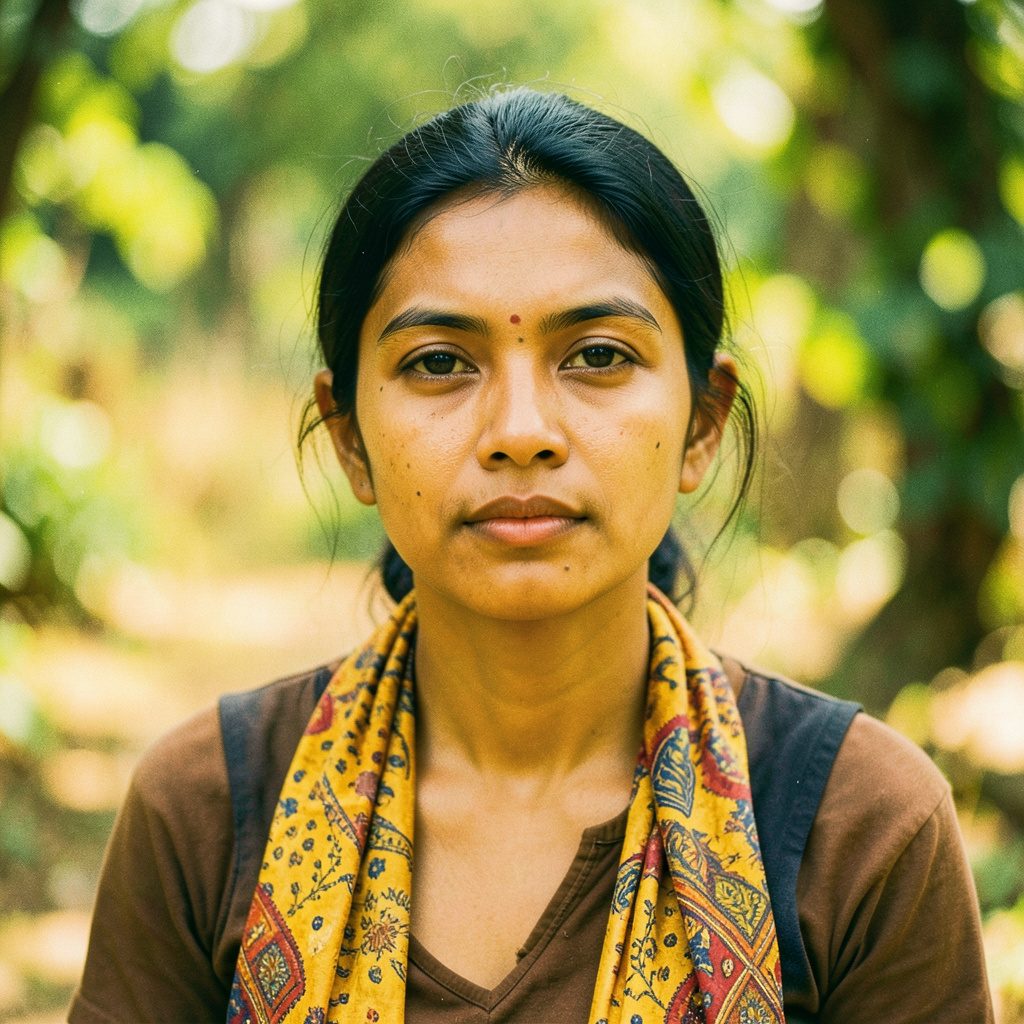
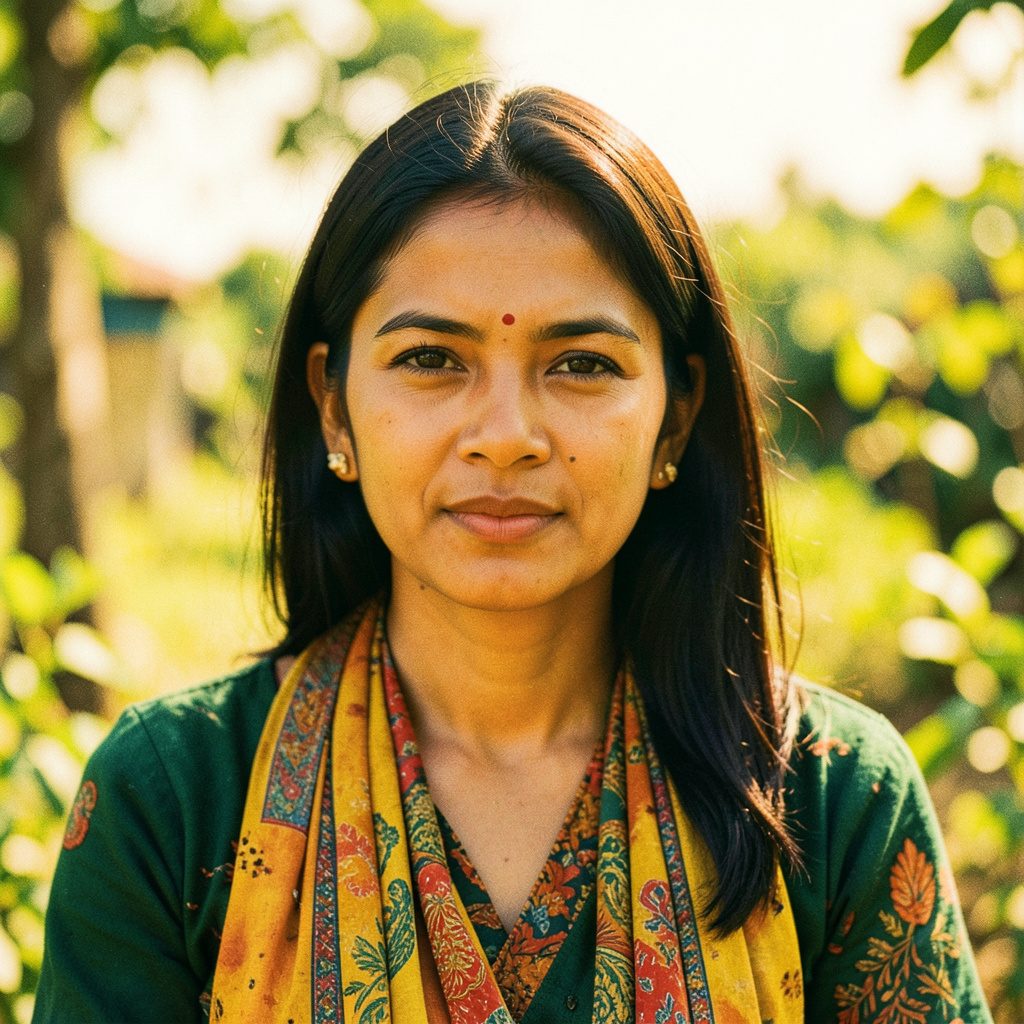
The strongest campaigns in Myanmar are likely to move further away from generic “Asian” styling and toward specific regional narratives. Traditional garments, handmade textiles and inherited forms of adornment can be photographed beside contemporary tailoring, creating visual contrasts that feel rooted in a particular community rather than assembled for an international audience.
This specificity will matter as global clients seek authentic stories. Photographers working between Yangon, Mandalay and other regional centres are well placed to show how climate, architecture, craft and local ideas of elegance influence a look. Morning light, monsoon reflections or the geometric shadows of a city courtyard can give fashion imagery a sense of place without turning the model into a backdrop.
A growing emphasis on casting across Myanmar’s many ethnic and regional identities will also widen the visual vocabulary. Carefully styled portraiture can foreground facial structure, skin texture and hair in ways that celebrate individual features. The goal is not to flatten difference into a single national look, but to allow each image to retain the context that made it distinctive.
Mobile-first studios expand the frame
Smartphone production has become a major bridge between professional photography and everyday publishing in Myanmar. Vertical frames, quick turnarounds and clean colour treatments suit feeds where a cover image may be the only visual a customer sees before opening a profile. Many emerging studios are consequently developing systems that can create both magazine-ready photographs and platform-specific crops.
This flexibility changes the role of the photographer. The brief now may require a horizontal hero image, a vertical editorial portrait, a short sequence of behind-the-scenes frames and detailed beauty close-ups. Lighting that works across those formats saves time, while a strong central composition helps maintain brand recognition when every image appears within a different interface.
Commercial pressure is also encouraging a more regional approach to fashion campaigns. Online boutiques and social sellers can reach audiences beyond the largest cities, making clear photography a practical sales tool rather than a decorative addition. Models and independent labels can publish directly, build loyal followings and use visual consistency to establish a recognisable identity without relying on conventional retail distribution.
At the same time, uneven connectivity and restrictions on some platforms shape this environment. A future-facing Myanmar studio may need several export options, locally managed digital files and a strategy that does not depend on a single channel. Adaptability, rather than constant technological replacement, is becoming the defining advantage.
Beauty, hair and a more layered identity
Close-up beauty imagery is gaining importance as audiences spend more time with faces on small screens. Hair colour, makeup and jewellery now function as signs of personality, mood and cultural reference. A seasonal hair colour roundup shows how shifts in brunettes, reds and vivid tones can translate individual choices into recognisable seasonal cues.
The trend is especially interesting because hair and beauty traditions across Myanmar are diverse. Contemporary colour experiments can sit comfortably alongside natural textures, flower-inspired styling or locally meaningful adornment. Photographers need to understand the meaning of a look, who created it and how it belongs to the wearer before translating it into an editorial image.
Traditional clothing is also receiving a more nuanced presentation. Instead of being reserved for ceremonial or themed shoots, pieces such as longyi-inspired silhouettes, patterned textiles and regional dress may appear in everyday portraits and commercial campaigns. The camera becomes part of a dialogue between inherited design and current street style.
This visual maturity extends to retouching. Skin should retain texture, and styling should avoid making every face conform to the same commercial ideal. Generative editing tools may increase, but clear standards for alteration, lighting and retouching will become more valuable as images circulate widely. An image that looks convincing but erases local detail loses precisely the specificity that made it engaging.
Signals Australian creatives can use
Australian fashion teams can compare the visual directions emerging in Myanmar with campaign patterns already visible across Sydney and Melbourne. Both markets value strong portraits, but Myanmar’s combination of locally rooted styling, creator distribution and fast-moving commerce suggests several areas worth observing.
The visual directions most likely to endure include:
- Location-led portraits that use architecture, weather and light to establish a precise sense of place.
- Vertical-first campaigns designed for social discovery while retaining a polished editorial standard.
- Beauty detail photography that treats hair, makeup, skin texture and jewellery as central narrative elements.
- Casting and styling shaped by the communities represented, with local specialists guiding cultural context.
Production choices that support these directions are equally important:
- Flexible lighting kits that produce dependable results across studio, street and domestic settings.
- Small crews with regional knowledge, efficient digital workflows and clear ownership of every asset.
- Consent processes that cover publication, commercial reuse and the extended life of an image online.
- Structured archives using descriptive tags, credits and accurate metadata so images remain searchable and traceable.
These signals are not a formula for copying Myanmar aesthetics into Australian campaigns. They demonstrate how a distinct visual culture can gain visibility without losing its identity. Australian Fashion Week campaigns, independent labels in Melbourne and designer stores in Sydney already operate in crowded visual spaces, making disciplined image-making valuable for any market.
A practical framework for what comes next
The future of fashion photography in Myanmar will depend on balance. Commercial clarity is necessary, but speed should not replace cultural knowledge. Technical ambition should support local creative leadership, and viral imagery should still meet standards of consent, accuracy and respectful representation.
Climatic conditions will continue to influence production. Myanmar’s tropical heat and monsoon seasons require adaptable locations, lighting plans and equipment protection, while Australian teams face their own challenges across hot coastal shoots and sharply changing southern winters. Sharing practical methods between the two markets can be useful without assuming that identical conditions produce identical pictures.
A searchable visual archive may become part of that practical framework. By preserving magazine covers, campaign photographs, portrait galleries and creator work with accurate names and tags, sites such as Myanmar-model.net can help researchers, editors and photographers trace the development of Myanmar style. The archive becomes more valuable when it records context as well as images.
The practical takeaway is to treat every fashion shoot as a living visual record: locally specific in its casting and styling, flexible enough for mobile audiences, technically polished, and ethically transparent about the people and culture it presents.