The Top 10 Hair Colors Seen on Myanmar Models This Season
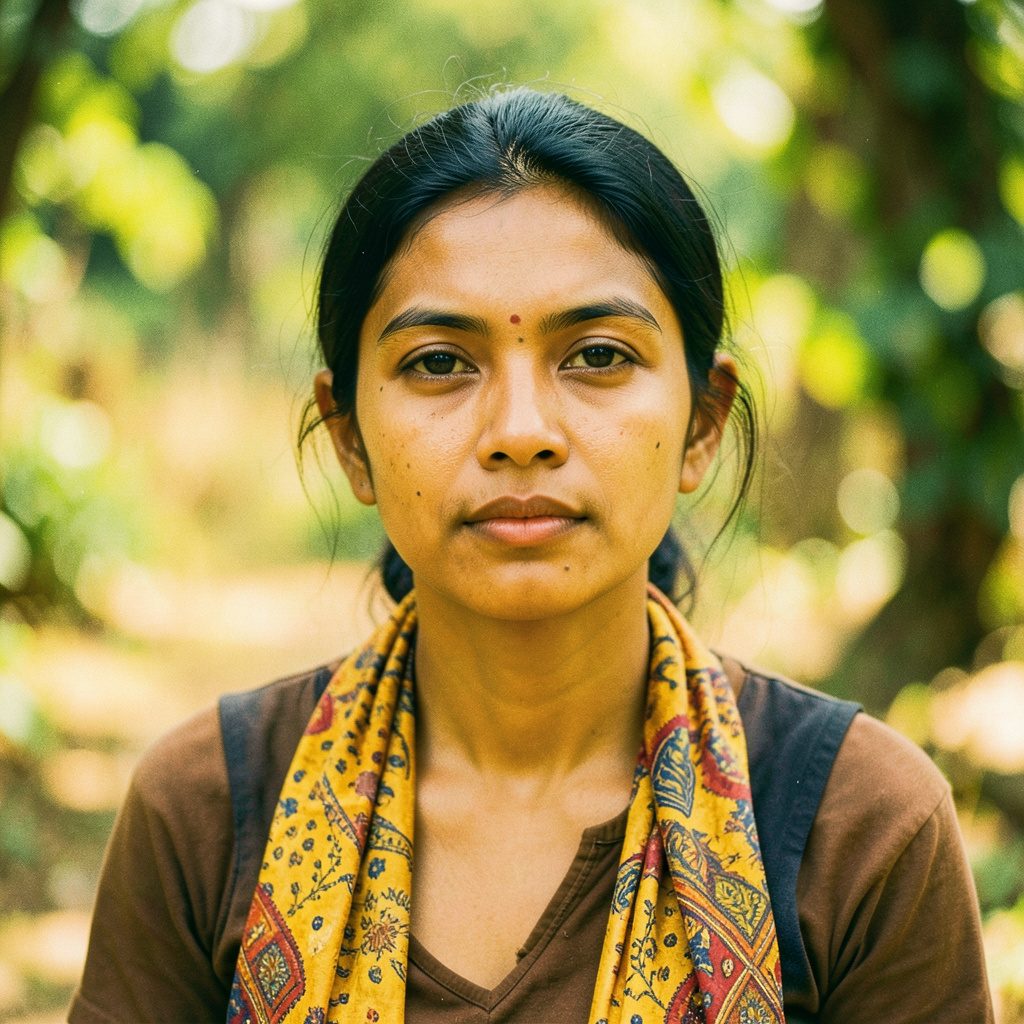
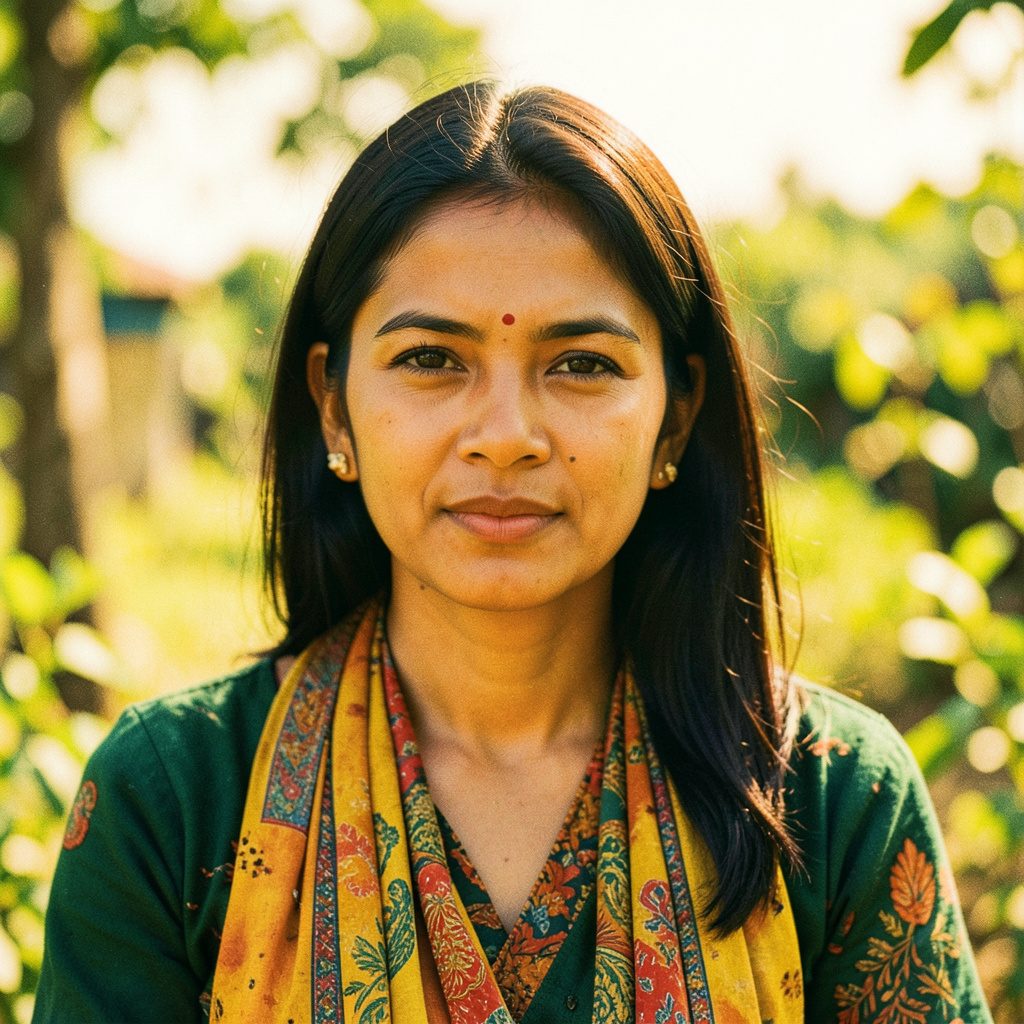
Myanmar models are showing how much personality can be expressed through hair colour. Recent editorial portraits and fashion galleries move between polished dark tones, warm brunette shades and brighter salon transformations, creating a palette that feels both wearable and visually striking.
The appeal is easy to understand for Australian readers. A new shade can refresh a familiar wardrobe, complement gold or silver jewellery, and work with everything from linen in Brisbane to structured black tailoring in Melbourne. It also gives portrait photography more depth, especially when the colour catches natural light.
This season’s strongest looks are not limited to one beauty ideal. Some shades keep the richness of naturally dark hair, while others use caramel, copper, ash and berry tones to create contrast. The ten colours below capture the most useful directions for anyone studying Myanmar fashion imagery or planning a salon update in Australia.
Glossy Black Keeps Its Editorial Power
Deep glossy black remains one of the most recognisable hair colours in Myanmar fashion photography. It gives long, straight hair a reflective finish and makes facial features, statement earrings and traditional fabrics stand out. The effect is especially strong in close-up portraits, where the colour looks almost blue-black under studio lighting.
This shade suits people who want a defined, polished appearance without a dramatic change from naturally dark hair. In Sydney or Melbourne, a clear gloss treatment can enhance shine without requiring permanent colour. Australian summer sun, frequent swimming and dry air can reduce that glassy finish, so a UV-protective hair product and thorough rinsing after the beach are practical additions to the routine.
Soft black is a gentler alternative for anyone who finds blue-black too intense. It keeps the depth of the original shade while looking more natural in daylight, making it a reliable choice for office dressing and everyday wear.
Chocolate Brown Adds Warmth Without Excess
Rich chocolate brown appears frequently in fashion shoots because it adds dimension while remaining sophisticated. It can be created over dark hair with subtle lightening, or built through a tinted gloss that brings out warm brown reflections. On layered or softly waved hair, the colour gives movement that a single flat shade may lack.
This tone works particularly well with cream, rust, olive and terracotta clothing. It also pairs naturally with gold accessories; readers interested in updating inherited pieces can find useful family jewellery ideas that complement a warmer brunette palette.
Chestnut brown takes the chocolate look a little lighter and redder. It is a useful middle ground for Australians who want visible change but still need an office-friendly style. A consultation is worthwhile before colouring, since underlying black or very dark brown pigment can make the finished result appear deeper than the salon swatch.
Caramel and Honey Create Light Around the Face
Caramel brown is one of the most wearable ways to introduce lighter tones into dark hair. Rather than colouring every strand, stylists can place fine ribbons through the mid-lengths or around the face. The result resembles natural light and photographs beautifully against patterned clothing.
Honey blonde offers a brighter version of this approach. It is warmer than beige blonde and generally more forgiving on medium or golden complexions. In Perth or Brisbane, where strong sunlight can quickly fade artificial tones, a colour-safe shampoo and regular conditioning help retain softness and prevent the ends from becoming brittle.
These shades are particularly effective with balayage, which grows out more gradually than a solid root-to-tip blonde. That can matter in Australia’s salon market, where regular professional appointments can be costly. A lower-maintenance technique may reduce the frequency of visits while keeping the overall look intentional.
Copper and Auburn Bring Fashion Energy
Copper is among the most expressive colours appearing in contemporary model portraits. Its orange, gold and red undertones can range from muted ginger to vivid metallic copper. On shoulder-length cuts and loose waves, the shade creates a lively, dimensional finish that changes noticeably between warm indoor light and daylight.
Auburn is a deeper alternative, combining brown with red for a more understated result. It can be particularly attractive with traditional garments, where the warmth echoes woven reds, deep greens and earthy neutrals. The colour also gives dark hair a visible transformation without moving all the way into bright fashion colour.
Red pigments often fade faster than brunette tones, so cooler water and a gentle cleansing routine are helpful. Australians who spend weekends at the coast or in chlorinated pools should rinse hair promptly and use a leave-in conditioner. A wide-brimmed hat, already an everyday habit for many people during summer, can also protect both scalp and colour from intense UV exposure.
Ash, Berry and Espresso Offer Cooler Contrast
Ash brown introduces smoky beige or grey undertones, creating a modern finish with less visible warmth. It is often seen in sleek bobs, straight lengths and minimalist editorials. Because dark hair usually contains strong red or orange pigment, achieving a clean ash result may require lightening and careful toning by an experienced colourist.
Espresso brown sits between soft black and chocolate. It looks nearly black indoors but reveals refined brown highlights in sunlight. This makes it a strong choice for someone who wants a low-key update that still appears in photographs. It complements silver jewellery, cool neutrals and the sharp tailoring often seen in city wardrobes.
Berry and plum shades provide the boldest option in this selection. They can be applied as a full colour, hidden underlayer or a few face-framing pieces. The effect is expressive without the neon intensity of some fashion colours, and it can suit editorial styling, evening events or creative workplaces.
When booking a colour service in Australia, ask how the salon handles patch testing, lightening and aftercare. Imported or manufactured cosmetic ingredients fall within Australia’s industrial chemicals framework, while workplace practices and consumer protections also matter. A reputable salon should explain the process clearly rather than treating a major colour change as a quick add-on.
Practical Ways to Wear These Shades
The best choice depends on maintenance, undertone, haircut and daily routine rather than an image alone. A shade that looks luminous under a photographer’s lights may need adjustment for Australian daylight, hard water, beach exposure or frequent heat styling.
Use these practical guidelines when translating the season’s Myanmar model hair trends into an everyday look:
- Choose glossy black or espresso brown for the lowest visual-maintenance option.
- Try chocolate, chestnut or caramel if you want warmth without a dramatic colour shift.
- Select honey or balayage highlights when gradual regrowth is important.
- Reserve copper, auburn, berry and plum for a stronger fashion statement.
- Ask for a strand test before major lightening, especially over previously coloured dark hair.
- Protect coloured hair with gentle shampoo, conditioner, heat protection and UV coverage.
- Schedule a patch test and discuss ingredient sensitivities before a new chemical service.
These colours also show why model galleries are useful sources of inspiration: they present the same basic palette through different lengths, textures, clothing and lighting. The most successful result is rarely a copied image. It is a shade adapted to the wearer’s natural base, lifestyle, climate and willingness to maintain it.
The key point to remember is that Myanmar fashion photography makes every option—from polished black to vivid berry—feel current, while the right Australian choice is the one that suits your hair condition, routine and local environment.