Inside the wardrobe of Myanmar TV stars
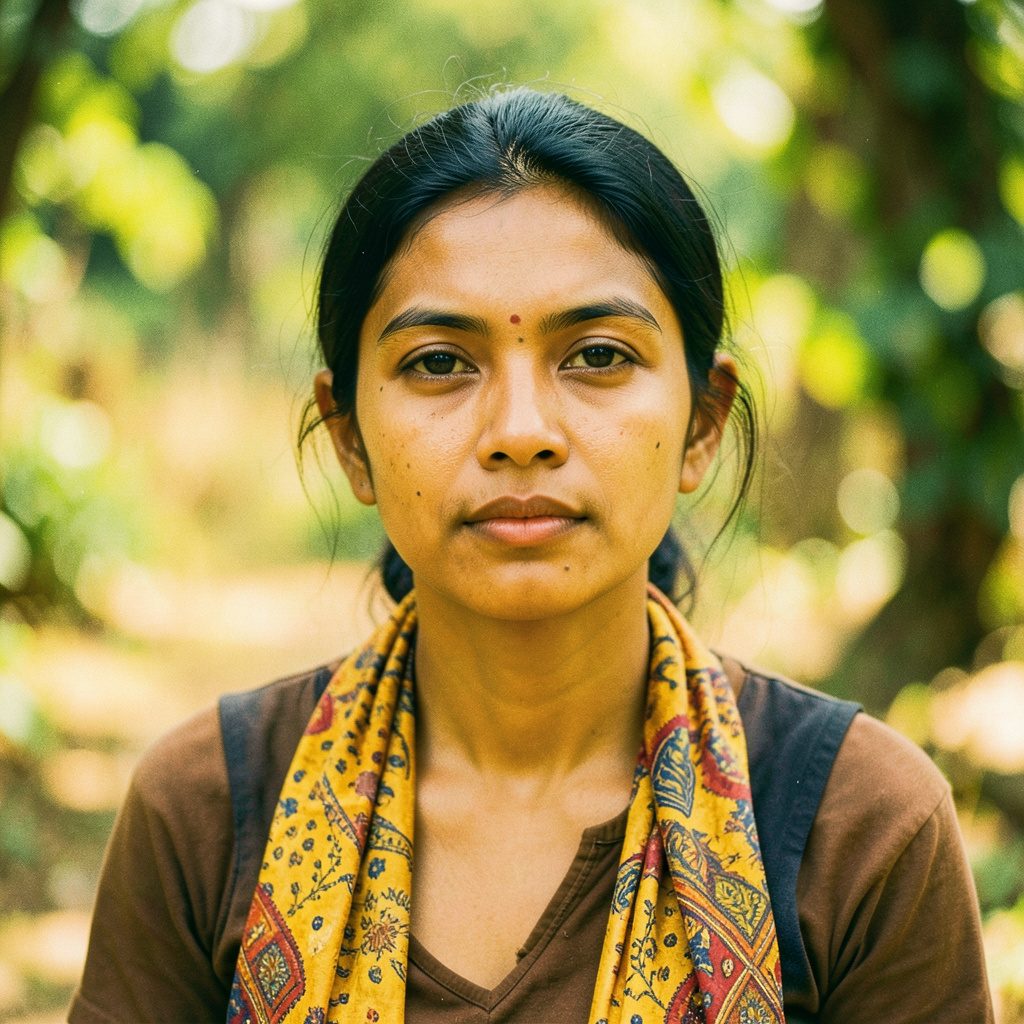
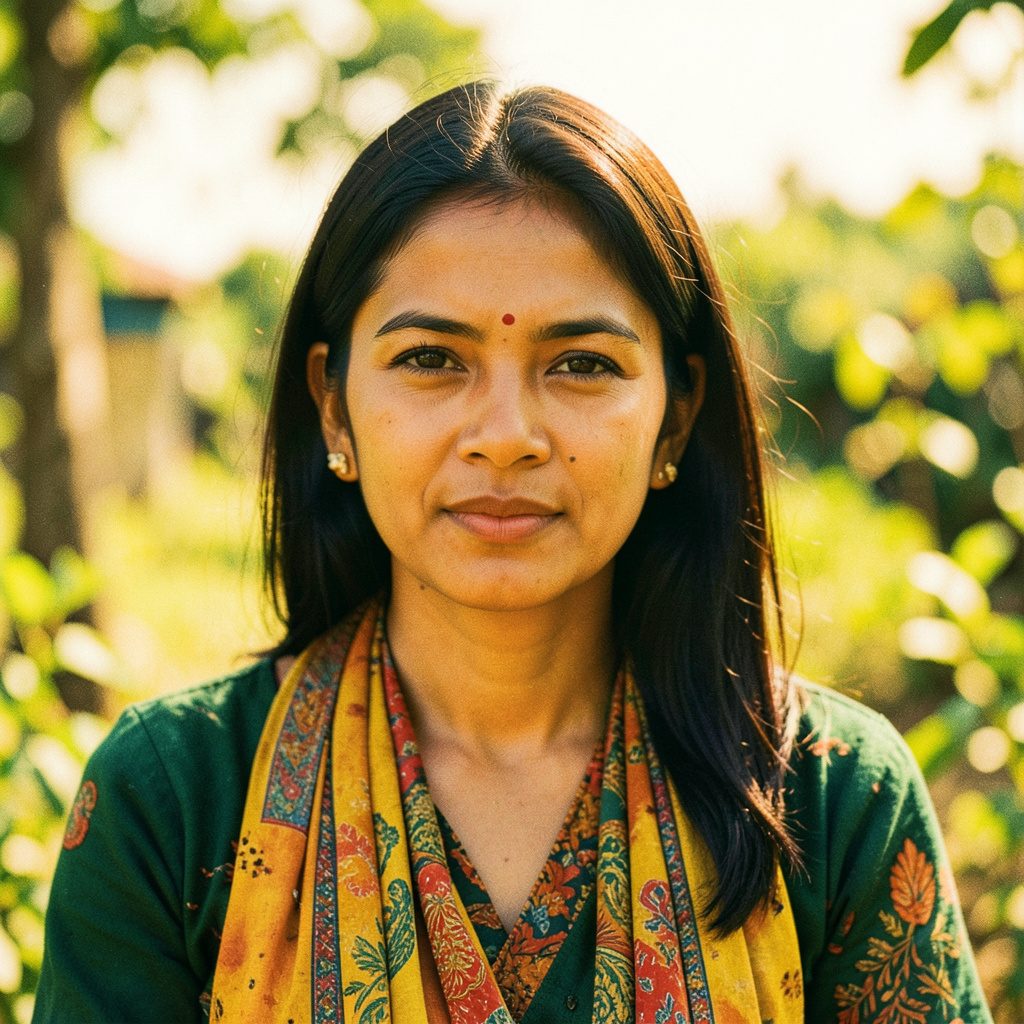
The closest look at the wardrobe of Myanmar TV stars is a visual study of television rather than a shopping guide. Magazine covers, studio portraits, fashion shoots and stills from television dramas reveal how fabric, jewellery and hair help define a character.
That study becomes richer when images are read in sequence. The same performer may appear in a period drama, a modern commercial and an everyday family scene, with changes in hemline, texture and styling marking each new role.
Clothing can also carry cultural meaning. A traditional blouse, a formal jacket or a particular shade of lipstick may suggest regional identity, social position, age or mood, while the final appearance still belongs to the work of costume designers, stylists and photographers.
For Australian viewers, these photographs offer an accessible route into Myanmar’s screen culture and fashion history. They sit alongside a local media landscape shaped by Sydney production companies, Melbourne’s retail culture and online shopping habits that often blur the line between regional and international style.
From screen roles to public appearances
A television wardrobe has two layers: the clothes created for a character and the clothes chosen for a performer’s public life. Promotional shoots, magazine covers and red-carpet pictures reveal the second layer, while behind-the-scenes photographs can expose the practical decisions behind the first.
Looking across those layers shows how an image is constructed. A severe silhouette may be softened by loose hair, while a simple dress gains visual authority through bold earrings or sculptural shoes. The television role and the celebrity persona can therefore feel connected without being identical.
Australian viewers are accustomed to that separation. Productions based at Fox Studios Australia in Sydney rely on costume departments to source garments, prepare duplicates and preserve a look across demanding shooting schedules. That behind-the-scenes process offers a useful comparison for understanding the polished images associated with Myanmar’s actors and presenters.
Traditional dress and modern silhouettes
Traditional Burmese clothing provides some of the strongest visual cues in these collections. The longyi, with its wrapped shape and woven patterns, appears in both everyday portrayals and formal editorials. The thanaka, a cosmetic paste worn on the face, belongs to the wider styling vocabulary even though it is not itself an item of clothing.
Regional specificity matters too. The htaikwin, a traditional headdress associated with Kachin women, should not be treated as a generic national accessory; its meaning is tied to community and context. Good fashion photography respects that distinction while still creating an image that appeals to an international audience.
A collection of modern costume photography demonstrates how traditional Burmese clothing can be given editorial polish. Controlled lighting, plain backgrounds and careful cropping move attention towards weave, drape and colour. The result celebrates the garment without turning it into a historical exhibit or isolating it from contemporary fashion.
The details that identify a character
Close portraits make the smaller decisions visible. Necklines, sleeve lengths, earrings, brooches, belts and footwear often identify a character more clearly than an overall description of the outfit. Even the placement of a microphone or the neatness of a hairline can reveal the boundary between costume and working environment.
Names and captions matter because a wardrobe reference loses value when it cannot be attached to the right performer or scene. This caption guide focuses on Portuguese subtitles for newly released series, offering a parallel for wardrobe research: clear labels help viewers follow visual details through a story.
At Australian public events, that scrutiny is familiar. The Logie Awards in Sydney turn television clothing into a tightly photographed red-carpet display, where silhouette, colour and accessories become part of each star’s public identity. Myanmar television has its own equivalent pressure, visible in magazine covers and promotional images that must communicate personality in an instant.
How clothes perform on camera
The camera changes what we notice. Silk can look brighter under a hard studio lamp, while a woven pattern may disappear against a busy set. Colour also shifts with makeup and white balance, so photographs of the same actor can suggest different palettes even when the garment has not changed.
Climate creates another layer. Australia’s summer begins in December, when many parts of the country are hot and bright; Myanmar’s coolest months fall across the same broad period. Costume teams working across the two hemispheres account for reversed seasons by varying layers and choosing fabrics that hold their shape in heat.
Melbourne’s fashion culture provides a useful retail comparison, particularly around Chapel Street in Prahran and the boutiques of Richmond. Australian stylists and shoppers often combine local labels, vintage pieces and international online finds, mirroring the mix of heritage dress and contemporary tailoring seen in Myanmar screen archives.
Reading an archive rather than a catalogue
Myanmar-model.net works best as an editorial photo archive. Its model-name tags, themed galleries and popular and latest collections let a visitor trace an actor’s changing image, yet the value lies in looking rather than buying. A garment shown on a magazine cover is evidence of a visual moment, not a current stock listing.
That distinction also keeps international interest grounded. Australian consumers who encounter Burmese fashion through overseas marketplaces should remember that low-value imported goods costing A$1,000 or less generally attract 10% GST, while higher-value imports can face customs duties. The law concerns purchases, not the cultural value of clothing seen in an archive.
Photographs still need careful handling. Dates, styling credits and context may be absent or incomplete, and a highly edited shoot can exaggerate the everyday reality of a wardrobe. The strongest observations come from several images showing the same performer in different settings, rather than a single dramatic portrait.
The wardrobe of Myanmar TV stars is therefore best understood through relationships: character and celebrity, heritage and modernity, garment and camera. A gallery can reveal which details recur, how a performer’s public image is built and where television fashion draws on the wider culture around it.
A concrete next step is to create a three-image timeline for one Myanmar television personality, recording the date, setting, silhouette, fabric, colour and accessories beneath each photograph.