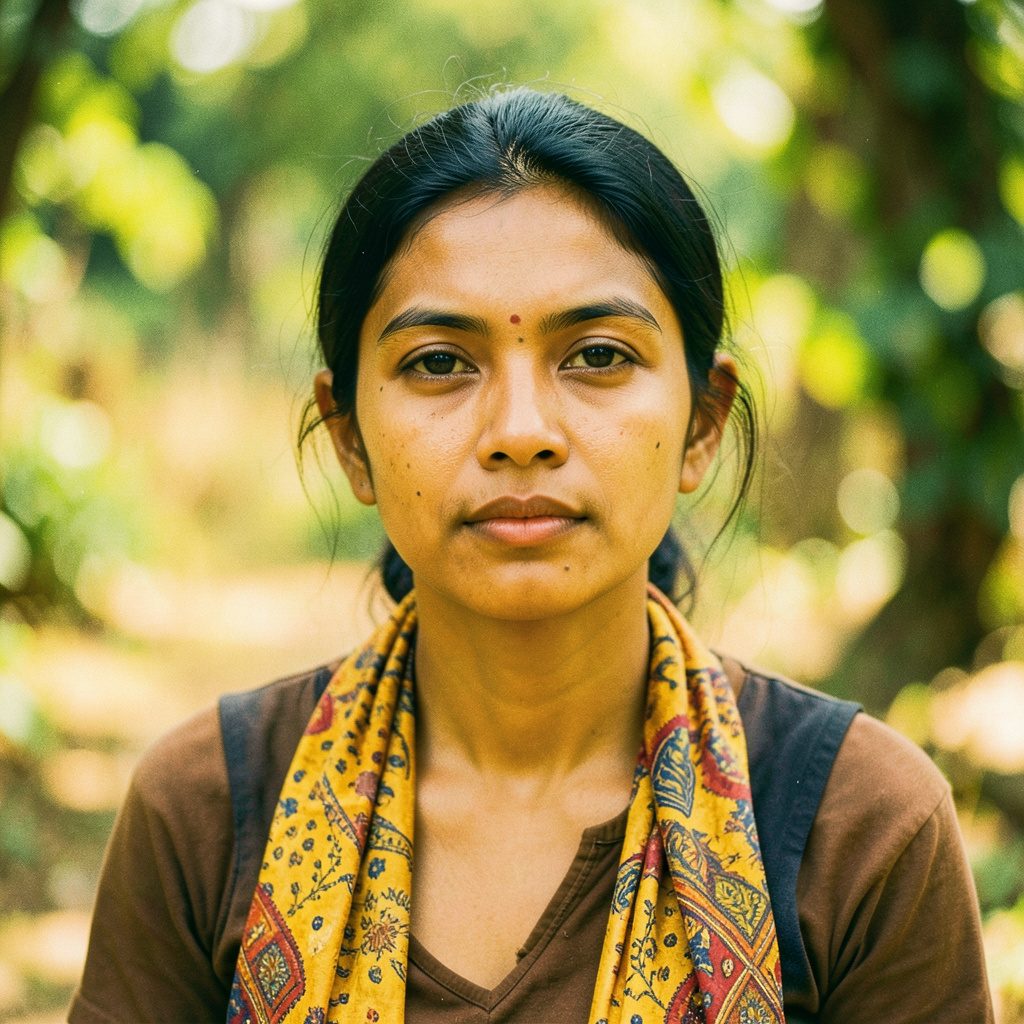
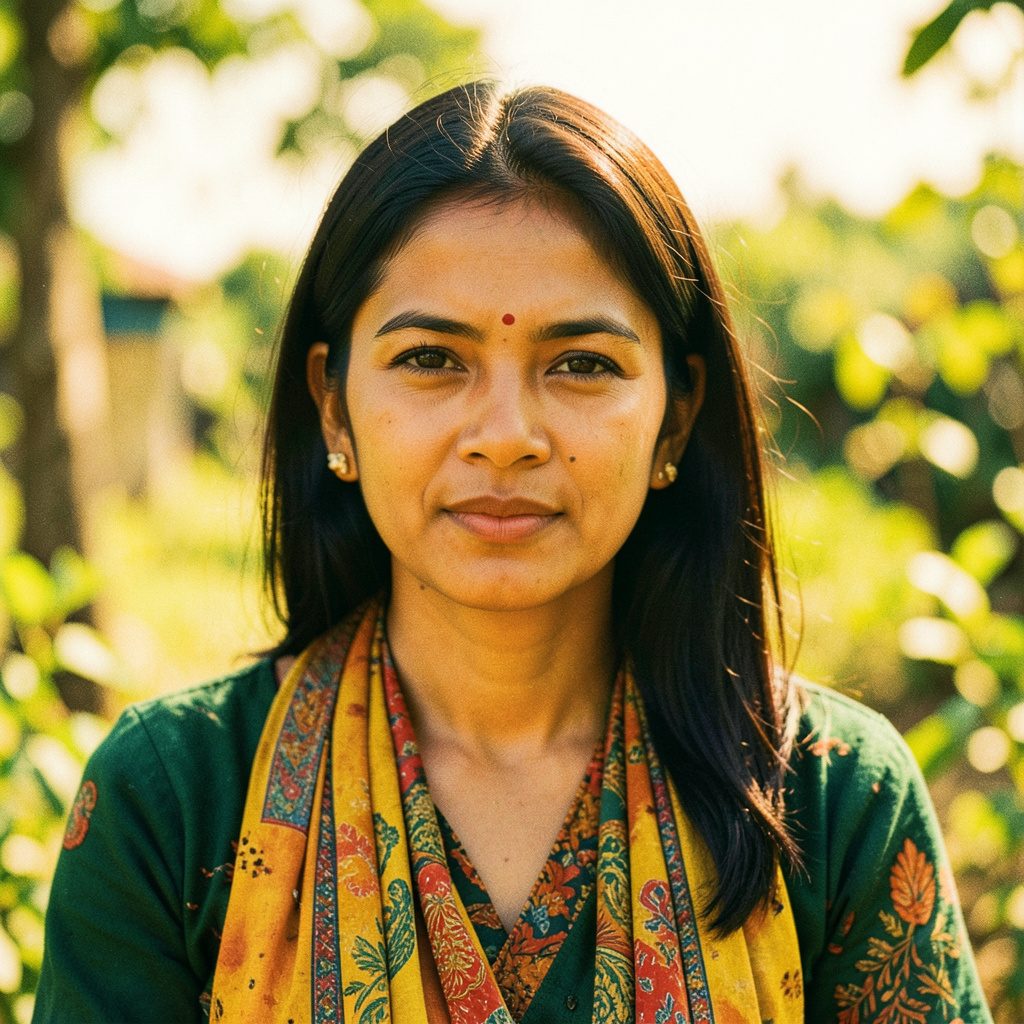
Traditional Burmese Costumes Reframed by Contemporary Lenses
Modern photography has opened a fresh window onto Myanmar's textile heritage, capturing woven silks, hand-loomed cottons, and ceremonial robes in ways that feel both editorial and intimate. Across fashion magazines, gallery prints, and digital portfolios, photographers are finding new visual languages for garments that have been worn for centuries, from the everyday longyi to elaborate wedding pieces.
This renewed attention arrives at a time when Burmese communities in cities like Sydney and Melbourne are celebrating cultural festivals with greater visibility. Photographers based in Parramatta studios, Brunswick warehouses, and Surry Hills lofts are collaborating with models of Myanmar descent to present regional dress in formats that speak to global fashion audiences. The result is a quietly growing archive of imagery where traditional Burmese attire is treated as fine art rather than folklore.
What follows is a curated look at the costumes most frequently appearing in recent shoots, the visual choices shaping their presentation, and the photographers, stylists, and models who are pushing this genre forward. Readers will find details on garments, accessories, regional distinctions, and the editorial contexts where these looks are most often captured.
The Longyi and Paso in Studio Settings
The longyi remains the most photographed garment in any Myanmar-themed editorial, and for good reason. Photographers prize its vertical lines, its capacity to catch softbox highlights along the selvedge, and the way its folds translate into sculptural shapes when the model is posed on a minimal seamless backdrop. Cotton versions in earthy ochre, sage, and indigo dominate natural-light shoots, while silk paso fabrics appear in studio sessions where the goal is high-gloss contrast.
In Melbourne, where a number of stylists with Southeast Asian backgrounds contribute to independent fashion publications, the longyi is often styled as a wrap skirt paired with a tailored blazer. This hybrid look has circulated through Brunswick pop-up shows and online lookbooks, and it has been picked up by Australian stylists interested in cross-cultural layering. The garment adapts easily to these contemporary silhouettes because its length and width allow multiple draping methods, including the traditional knot at the waist and modern twists worn off the shoulder.
The paso, a more formal variation typically associated with special occasions, is captured differently. Photographers tend to isolate the textile, shooting close-ups of the horizontal silk weave, the subtle sheen, and the borders known as acheik. These detail shots often appear in print editorials alongside full-length portraits, giving readers a complete understanding of the fabric's structure and ceremonial weight.
Ethnic Heritage Attire from the Highlands
Costumes from Myanmar's ethnic minority regions appear with increasing frequency in modern photography, reflecting a broader interest in representing the country's full cultural spectrum. Shan, Kachin, Chin, and Pa-O garments each carry distinctive weaving techniques, beadwork, and silver ornaments. Photographers often travel to remote communities to shoot in situ, using available light and architectural backdrops such as wooden monasteries or rice terraces.
Gallery exhibitions that have toured Australian cultural centers, including the Australian Centre for the Moving Image in Melbourne, have featured these regional looks within broader Southeast Asian showcases. Sydney's Powerhouse Museum has similarly displayed textile pieces alongside photographic prints, creating dialogue between ethnographic objects and contemporary portraiture. For models wearing these garments, the visual emphasis tends to rest on the layering of tunics, sashes, and wrap skirts, often captured in three-quarter-length frames that allow the textile story to dominate.
Editorial photographers also bring these looks into urban environments, contrasting traditional dress with industrial backdrops. A Shan headdress paired with a brick warehouse wall, for example, becomes a study in continuity and change. The approach has been embraced by Burmese-Australian photographers documenting diaspora identity, particularly in neighborhoods where community elders still wear full traditional dress for cultural events.
Bridal and Ceremonial Ensembles
Bridal costumes offer some of the richest material for modern Burmese fashion photography, partly because of their visual density and partly because of the emotional weight they carry. The htamein, a wraparound skirt worn for weddings, often appears in deep red or magenta, paired with a matching jacket and an elaborate hairpiece. Photographers favor shallow depth of field when shooting these ensembles, drawing attention to embroidery details, sequins, and floral appliqué.
The following table compares several common ceremonial looks and the editorial approaches most often used to present them.
| Garment | Typical Occasion | Key Visual Elements | Preferred Photography Style |
|---|---|---|---|
| Htamein set | Wedding ceremony | Red silk, gold thread, floral motifs | Soft-focus portrait, warm key light |
| Shan bride dress | Engagement ritual | Turquoise tunic, silver belt, seed jewelry | Environmental portrait, natural daylight |
| Longyi with formal jacket | Cultural festival | Indigo cotton, woven border, collared jacket | Documentary street style |
| Chin ceremonial wrap | Harvest celebration | Striped cotton, cowrie shells, brass beads | Black-and-white reportage |
| Court-influenced ensemble | Literary or theatrical event | Layered silk, lace collar, embroidered shawl | Theatrical staging, controlled studio light |
Sydney-based wedding photographers have begun incorporating these traditional elements into multicultural bridal editorials, especially for couples blending Myanmar and Australian customs. The visual grammar often borrows from high-fashion wedding magazines, with dramatic poses, refined color grading, and an emphasis on textile texture.
Menswear Traditions and Court Influences
Male attire, though less often featured than women's dress, carries its own photographic appeal. The traditional taikpon, a folded headdress, and the paso-style longyi worn with a mandarin-collar jacket have appeared in menswear editorials across Southeast Asia. Australian photographers working on these shoots often reference the restrained palette of the pre-colonial court, treating the garments with the same formality given to Japanese kimono or Vietnamese áo dài in international fashion media.
Studio sessions frequently emphasize symmetry and posture, with subjects seated or standing in three-quarter profile. The mandarin collar becomes a strong graphic line, and the folded headdress reads almost like a modernist shape against plain backgrounds. Melbourne menswear stylists, in particular, have experimented with pairing these traditional elements with minimalist Western tailoring for hybrid looks suited to contemporary galleries.
The pairing of the longyi with a Western shirt is another popular approach, especially in casual portrait series aimed at young Burmese-Australian professionals. Photographers capture this look in apartments, cafes, and outdoor markets, where the contrast between the woven textile and the crisp cotton shirt highlights the flexibility of Burmese menswear.
Textile Patterns, Weave Techniques, and Color Stories
A defining feature of modern Burmese costume photography is its focus on textile detail. Photographers increasingly dedicate entire frames to weave structure, dye technique, and pattern repetition. The acheik, with its wave-like horizontal motifs, is one of the most photographed patterns, alongside the geometric checks found in Chin and Kachin weaving.
Color palettes in these shoots tend toward earthy reds, deep indigos, and soft creams, mirroring the natural dye sources still used in regional weaving villages. Studio lighting is often calibrated to bring out the texture of hand-spun cotton, while outdoor shoots use golden-hour light to highlight silk's reflective qualities. Australian photographers covering these textiles have drawn comparisons between Burmese handloom traditions and Aboriginal fiber arts, both of which emphasize slow craft and cultural continuity.
Accessories, Headdresses, and Adornments
Accessories frequently steal focus in Burmese costume photography, particularly the thanaka paste applied to the face, the towering floral headdresses worn by brides, and the heavy silver belts associated with several ethnic groups. Photographers treat these elements as focal points, using macro lenses and ring lights to capture their intricacy.
Headpieces appear in nearly every bridal and ceremonial shoot, and their height and structure make them especially photogenic from low camera angles. Silver belts, often weighing several kilograms, create striking horizontal lines in full-length portraits, while the thanaka adds a soft, painterly quality to facial close-ups. The combination of these adornments with contemporary lighting techniques has produced some of the most memorable images in recent Myanmar-themed fashion work.
Photographers interested in exploring this visual field further can start by reviewing the model and tag archives on myanmar-model.net, where the latest portrait galleries, traditional wear features, and editorial series are organized by name and theme. Filtering by longyi, paso, or bridal tags offers a focused entry point into the growing body of imagery that links Burmese heritage with current photographic practice.