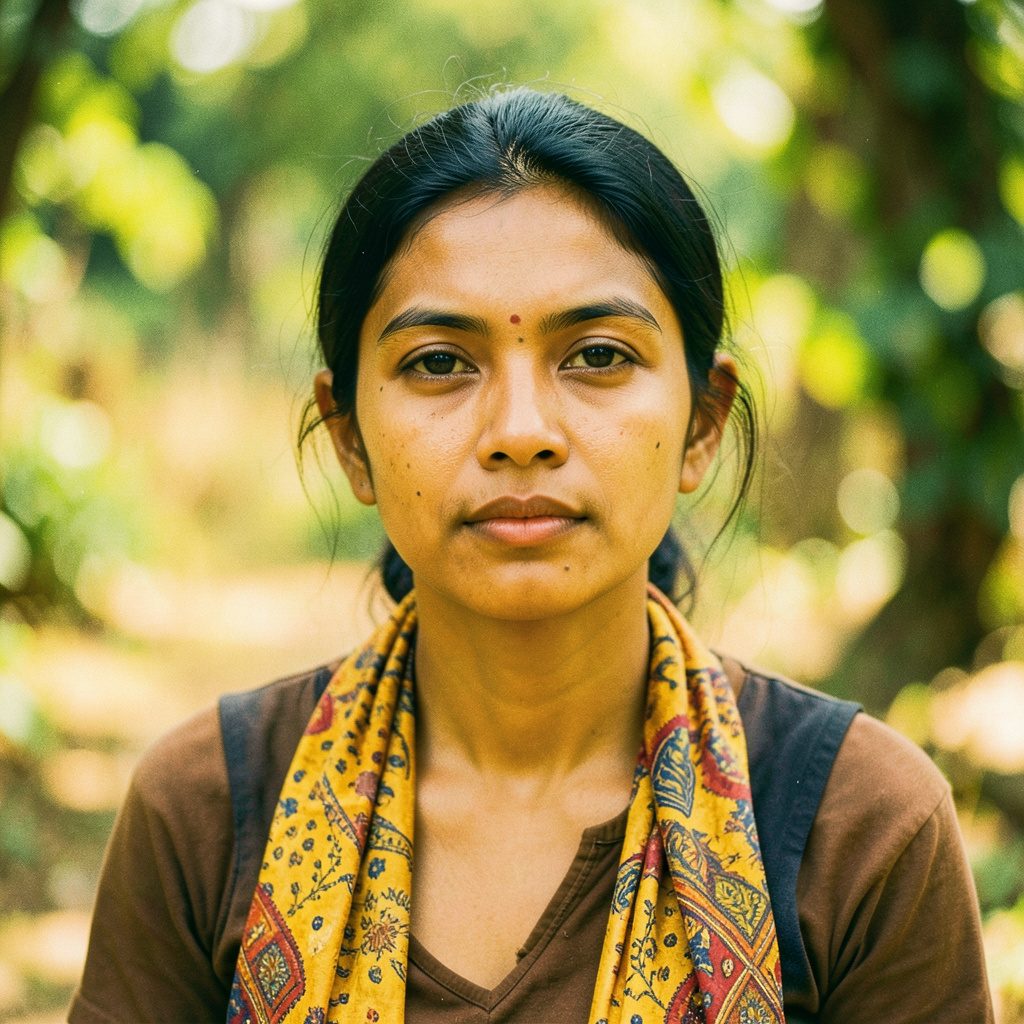
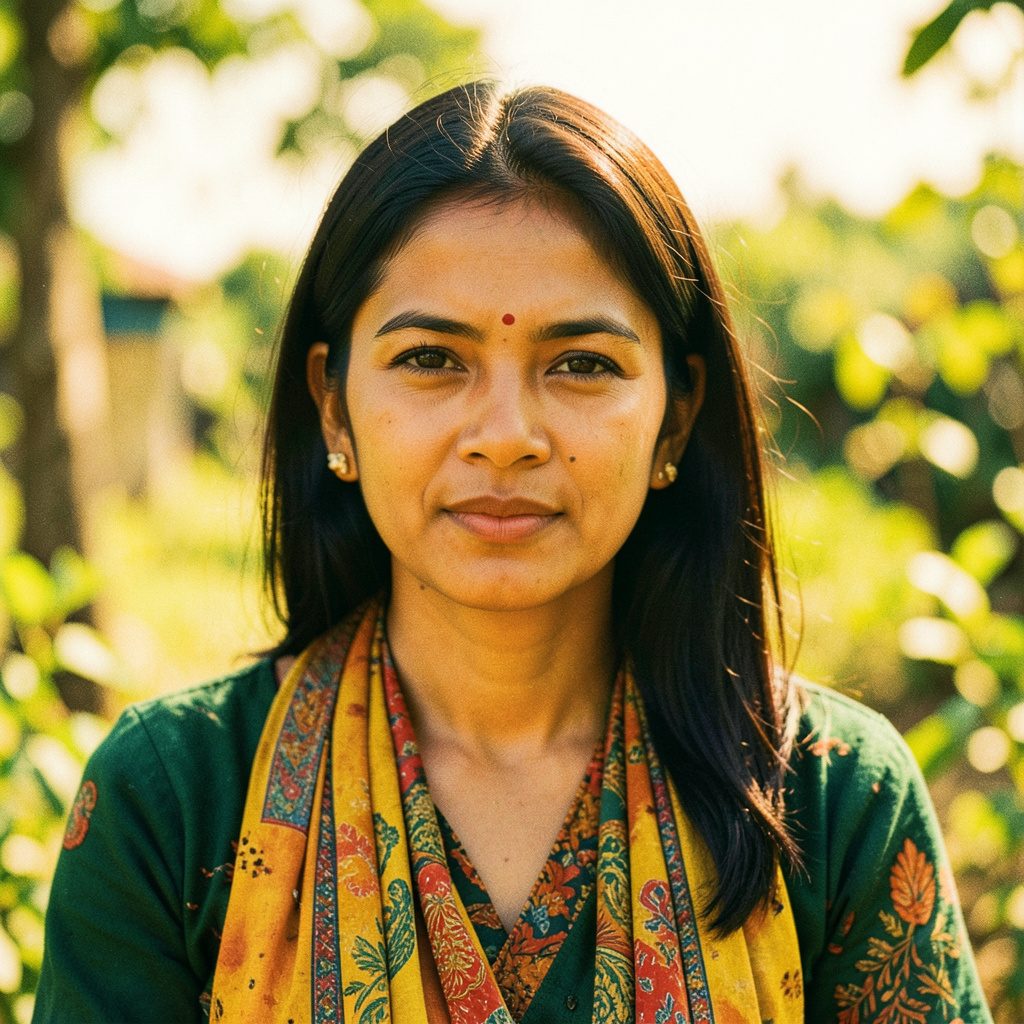
The Allure of Gold in Myanmar Celebrity Portraits
Gold has a distinctive place in Myanmar’s visual culture. In celebrity portraits, it can appear as a delicate chain at the collarbone, a sculptural earring catching studio light, or a traditional ornament paired with silk and rich colour. Its appeal is visual, cultural, and emotional, giving a portrait a sense of warmth and status without needing a crowded frame.
For Australian viewers, these images offer a different language of glamour from the polished minimalism often seen in Sydney or Melbourne fashion editorials. A Myanmar model or actress may wear gold with formal longyi, embroidered fabrics, or contemporary evening pieces, creating a look that connects heritage with modern celebrity style.
Gold As A Language Of Status
In Myanmar portrait photography, jewellery often does more than complete an outfit. A gold necklace can suggest refinement, prosperity, family significance, or occasion. Even when the piece is modest, its colour carries visual weight, especially against dark hair, warm skin tones, or jewel-coloured clothing.
The styling also reflects the role of the portrait. A magazine cover may use a bold collar or layered chains to create an immediate silhouette, while a close-up gallery may favour earrings, rings, or a small pendant. These choices help define how a celebrity is presented: regal, approachable, fashionable, or connected to tradition.
Gold’s familiarity in Myanmar makes it especially effective in front of the camera. It does not look foreign to the viewer, yet it can be arranged in fresh ways through scale, layering, and contrast. That balance gives celebrity fashion photography much of its visual character.
From Traditional Ornament To Editorial Styling
Traditional jewellery often appears alongside formal dress, including longyi, blouse designs, silk textiles, and hand-finished embroidery. In a portrait session, these elements can be simplified so that one gold feature becomes the focal point. A broad bracelet or elaborate ear ornament may stand out more clearly when the clothing has a restrained neckline.
Contemporary styling moves between heritage and international fashion. A model might wear a fine gold chain with a modern blazer, or combine a classic pendant with a sleek evening dress. This approach is familiar to Australian audiences who see cultural references worked into runway collections and editorial shoots during events such as Melbourne Fashion Week.
The photographer’s role is crucial. A slight turn of the head can reveal an earring’s texture, while a low-key background allows polished metal to glow. Readers interested in the working rhythm behind such images can explore this behind-the-lens account, which places the finished portrait within the wider routine of preparation, lighting, and posing.
How Light Shapes Golden Jewellery
Gold is highly responsive to light, making it a natural subject for portrait photographers. Soft frontal lighting produces a gentle glow, while a sharper side light defines engraved surfaces, chains, and raised details. In a studio, even a small change in the angle of a reflector can alter whether a piece looks delicate or dramatic.
Warm lighting can strengthen the richness of yellow gold, though too much amber colour may blend the jewellery into the skin or fabric. Neutral light gives the metal a cleaner edge, especially when the styling includes white, ivory, or cool blue. This is why the same necklace can appear traditional in one image and distinctly modern in another.
| Jewellery approach | Visual effect | Common portrait pairing |
|---|---|---|
| Fine chain or pendant | Quiet polish and intimacy | Plain blouse, open neckline |
| Large earrings | Frames the face and adds movement | Pulled-back hair, evening wear |
| Layered necklaces | Creates richness and depth | Silk, satin, or solid colours |
| Gold bangles | Adds rhythm to hand poses | Traditional dress or formal sleeves |
| Sculptural collar | Establishes authority and drama | Minimal background, strong posture |
For Australian viewers scrolling through an image archive on a phone, these details can be easy to miss. A high-resolution portrait rewards a closer look at clasp design, hammered surfaces, gemstone settings, and the way the jewellery casts a small shadow across the neck or cheek.
The Palette Around The Metal
Gold works particularly well with Myanmar’s rich fashion palette. Lacquer red, deep green, sapphire blue, black, ivory, and burgundy all give yellow metal a strong visual setting. Against pale silk, gold feels luminous; against black, it becomes graphic and high contrast.
Traditional textiles can add another layer of interest. Woven patterns, floral motifs, and embroidered borders create a relationship between jewellery and fabric rather than treating the accessories as separate pieces. In a tightly cropped portrait, the edge of a collar or shoulder may provide enough texture to make a simple pendant feel significant.
There is also a useful lesson in restraint. When the costume already carries pattern and colour, a single pair of earrings may be more effective than several competing pieces. This measured styling suits the Australian preference for polished outfits that feel considered rather than overworked, particularly at gallery openings, weddings, and evening events in places such as Brisbane or Perth.
Why Celebrity Portraits Preserve Trends
Celebrity portraits provide a record of changing taste. They show when oversized earrings become popular, how traditional motifs are reinterpreted, and whether designers are favouring polished surfaces, matte finishes, gemstones, or sculpted forms. Unlike a fleeting social media post, a carefully produced editorial gallery can preserve these details for years.
The commercial setting also matters. In Australia, jewellery trends are shaped by department stores, independent designers, bridal businesses, and online retailers, with consumers often comparing pieces through Instagram, Pinterest, and marketplace listings before buying. Myanmar celebrity imagery enters that visual conversation as inspiration, even when the jewellery itself is not sold to Australian customers.
Local language reflects this practical approach. Someone might describe a piece as “a bit spesh” for a wedding, “statement” for an event, or simply “nice and wearable” for everyday use. Those distinctions help explain why Myanmar portraits can appeal across different settings: some images offer red-carpet drama, while others show gold as an adaptable part of personal style.
For Australians attending a Burmese community celebration, visiting Yangon-inspired cultural events, or looking for jewellery with a story beyond seasonal fashion, these portraits provide useful visual references. They show how adornment can remain rooted in identity while still engaging with global editorial aesthetics.
The Lasting Glow Of A Portrait
The strongest golden jewellery portraits are rarely about price alone. Their impact comes from the relationship between ornament, expression, fabric, and light. A small pendant may feel more memorable than an elaborate set when it reinforces the model’s pose and the atmosphere of the image.
Myanmar celebrity photography also demonstrates that glamour does not need to erase cultural detail. Gold can signal ceremony, confidence, family tradition, or modern taste at the same time. Its meaning changes with the styling, but its visual presence remains clear.
What readers should remember is that gold in Myanmar portraiture is both an accessory and a form of visual storytelling: it catches the light, frames the face, and carries cultural memory into contemporary fashion.