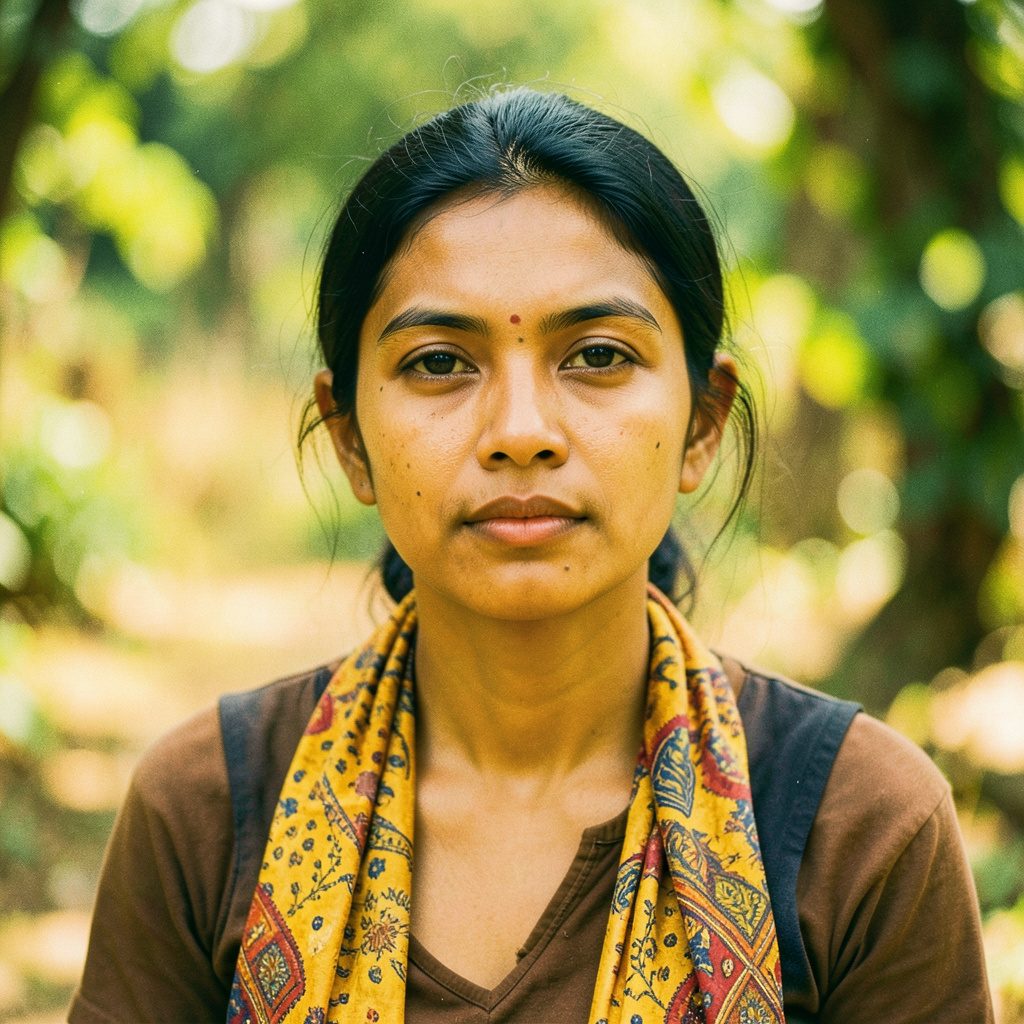
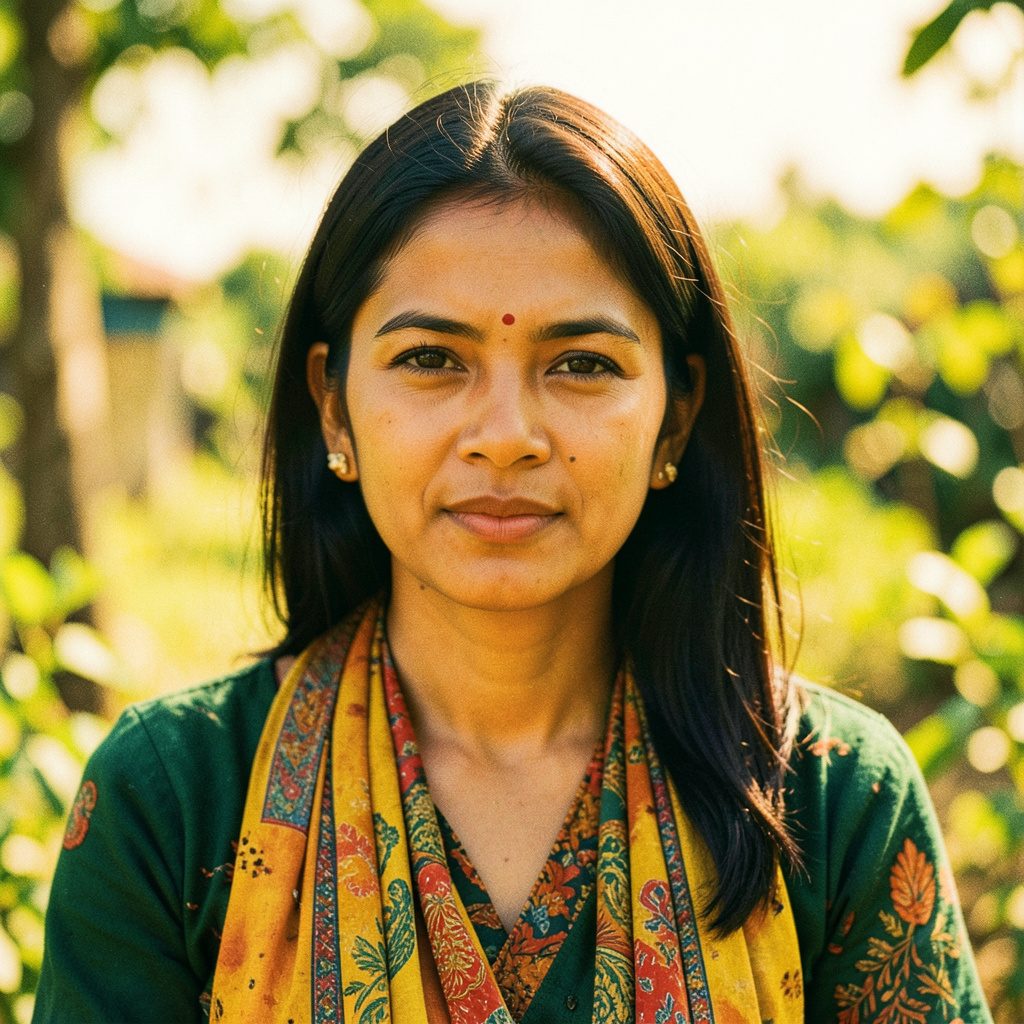
Behind the lens: a day in the life of a Myanmar model
For anyone curious about fashion work beyond the polished final frames, a day spent with a Myanmar model reveals a rhythm built on patience, quick changes and very early starts. From the first alarm to the final shutter click, every minute is shaped by a small army of stylists, photographers and producers who turn a simple concept into a campaign-ready image.
Behind the scenes, the work rarely looks like the glossy highlight reel. Hair is pinned, outfits are steamed, references are pulled on phones, and a model must hold focus for hours while the crew fine-tunes lighting, lenses and lip colour. The result is a kind of controlled chaos where talent, timing and teamwork meet in a single frame.
The alarm before sunrise
Most working days for a Myanmar model start long before the sun comes up. A 4:30 am alarm is normal when a shoot is booked in central Sydney, especially if the call sheet lists hair and makeup as the first item on the agenda. A quick shower, a banana, a long black coffee from the servo on the corner and a scroll through the mood board on the train are the usual warm-up.
The commute matters. From Surry Hills to Alexandria, traffic on the Eastern Distributor can chew through an hour at the wrong time of day, so models usually leave the flat with a buffer built in. For talent flying in from overseas, the jet lag adds another layer, since bodies on Yangon time are often still half asleep while the rest of the crew is running at full pace.
The glam team takes over
Once the model reaches the studio, the day is no longer her own. A makeup artist brushes out brows while a hairstylist clamps in extensions, and a wardrobe assistant is already steaming the first outfit in the corner of the room. For Myanmar models working on culturally specific editorials, this part can run longer than usual because traditional pieces such as htamein, embroidered blouses or floral headdresses need careful handling.
Music plays softly, references get pinned to the wall, and someone is always asking for one more layer of mascara or a slightly looser curl. It is slow, repetitive work, and a good model learns to switch off just enough to stay relaxed without losing the energy the photographer will need an hour later.
Wardrobe choices and last-minute fittings
By mid-morning, the first look is usually locked in and the model steps into the wardrobe zone. The stylist holds up two options, the photographer weighs in, and the producer checks the schedule to see what still needs to be shot before lunch. Fittings happen fast, sometimes standing in front of a full-length mirror propped against a backdrop stand.
For an Australian campaign, the wardrobe might lean toward local labels such as Aje or sass & bide, paired with denim from a Sydney-based brand. For a Myanmar heritage story, the palette shifts to silks, golds and softer, more modest cuts. Either way, a model is rarely wearing her own clothes for more than a few minutes at a time.
Under the studio lights
The shoot itself is where the day either flows or stalls. A photographer from a Sydney studio might run a single lighting setup for hours, tweaking power, gels and angles until the mood matches the brief. The model listens for direction, chin down, eyes left, weight on the back foot, and tries to keep the energy steady across dozens of frames.
Breaks are short. A quick sip of water, a touch-up on the lips, a glance at the back of the camera, and then back to the mark. Even seasoned talent finds the rhythm taxing; new models often describe the afternoon as the toughest part, when focus starts to drift and the body wants real food. Lunch is usually a rushed plate of sushi or a takeaway salad eaten standing up.
Direction, movement and mood
Good models do not just stand still and look pretty. They read the room, take direction well and offer small adjustments of their own when something is not working. A Myanmar model trained in traditional dance, for example, often brings a softer hand placement or a more graceful posture that reads beautifully in editorial frames. That kind of detail is what separates a decent frame from a cover-worthy one.
Photographers value models who can hold a feeling rather than a pose. Whether the brief calls for a moody fashion story for Vogue Australia or a bright, commercial set for a skincare brand, the same rule applies: stay present, stay responsive, and trust the team. When the chemistry between talent and photographer clicks, the shutter speed feels almost incidental.
Wrap, review and the long drive home
By late afternoon the energy in the studio dips. The last set is shot, the memory cards are handed over, and the producer calls wrap. The model changes back into her own clothes, returns the wardrobe pieces and waits while the photographer flags the strongest selects on the back of the camera.
A proper debrief matters. The team talks through which frames worked, which outfits felt strongest, and what the client might want for reshoots. For the model, the working day is not quite over, since there is still the commute home, a shower, a simple dinner and the quiet ritual of scrolling through the contact sheet before bed. The next morning, another call sheet will land in the inbox, and the cycle starts again.
For comparison, the structure of a typical working day shifts depending on the kind of job booked. Below is a breakdown of how studio, runway and catalog work differ in pace, prep and pressure.
| Aspect | Studio editorial | Runway show | Catalog / e-commerce |
|---|---|---|---|
| Call time | 4:30–6:00 am | 8:00–10:00 am | 7:00–9:00 am |
| Glam prep | 1.5–3 hours | 30–60 minutes | 30–45 minutes |
| Active shooting | 4–8 hours | 10–20 minutes per look | 2–4 hours |
| Wardrobe changes | 3–8 looks | 8–25 looks | 10–40 looks |
| Energy demand | Steady and expressive | High and explosive | Controlled and repetitive |
| Photo outcome | Curated, artistic selects | Press and front-row shots | Clean, product-led frames |
A Myanmar model working across these formats builds a flexible skill set very quickly. Studio work rewards stillness and emotion, runway work rewards stamina and timing, and catalog work rewards consistency and patience. The market in Australia, with events such as Afterpay Australian Fashion Week and strong agency representation from names like Chic Management and Vivien's, gives local and visiting talent plenty of chances to practise all three in a single season.
What stays with a reader after looking through any model portfolio is that fashion imagery is rarely a single moment. It is the product of an entire working day, a small creative team and a model who agreed to be in front of the camera before the city was awake. Every frame carries that early alarm, that steamed outfit and that quiet collaboration between subject and photographer. For a closer look at who runs the archive and how the photos are curated, the about-us page offers more background.