Portrait Gallery: The Grace of Myanmar Model Nang Khin Zaw
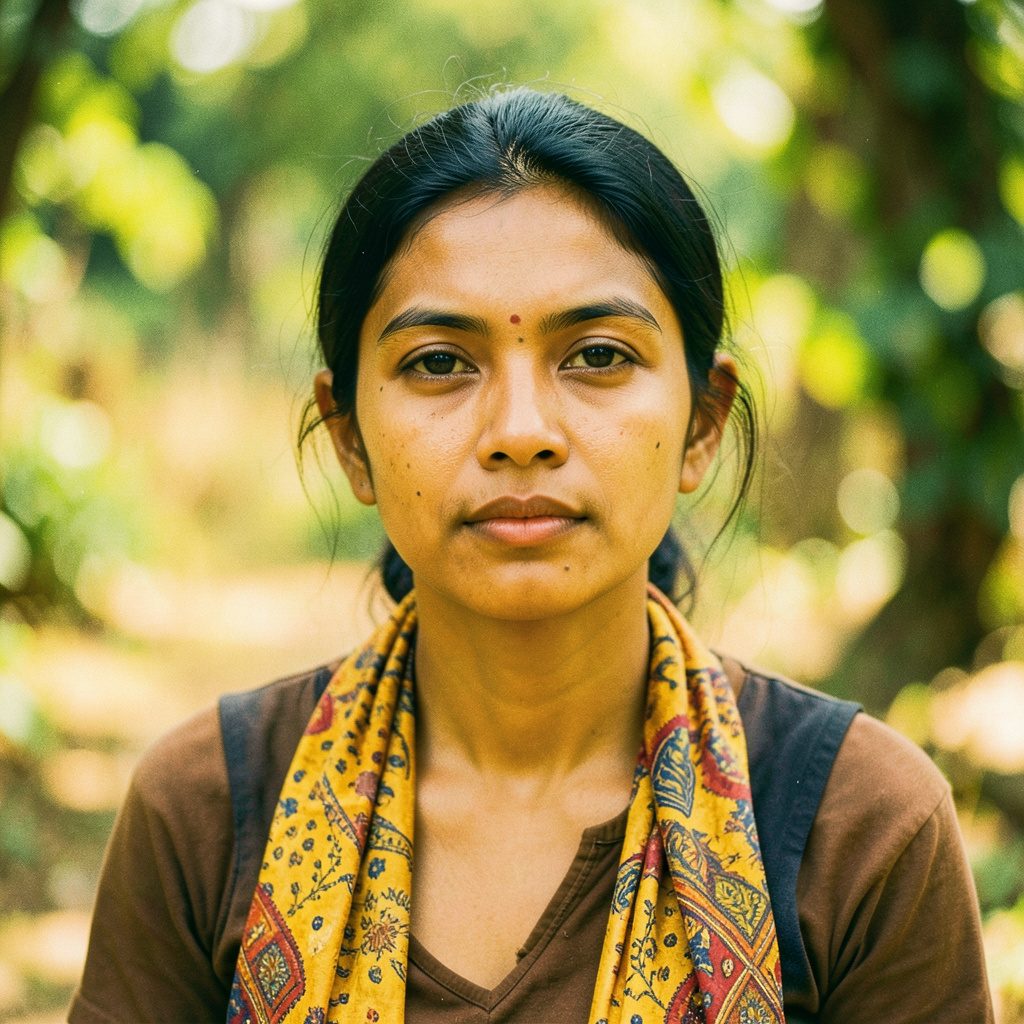
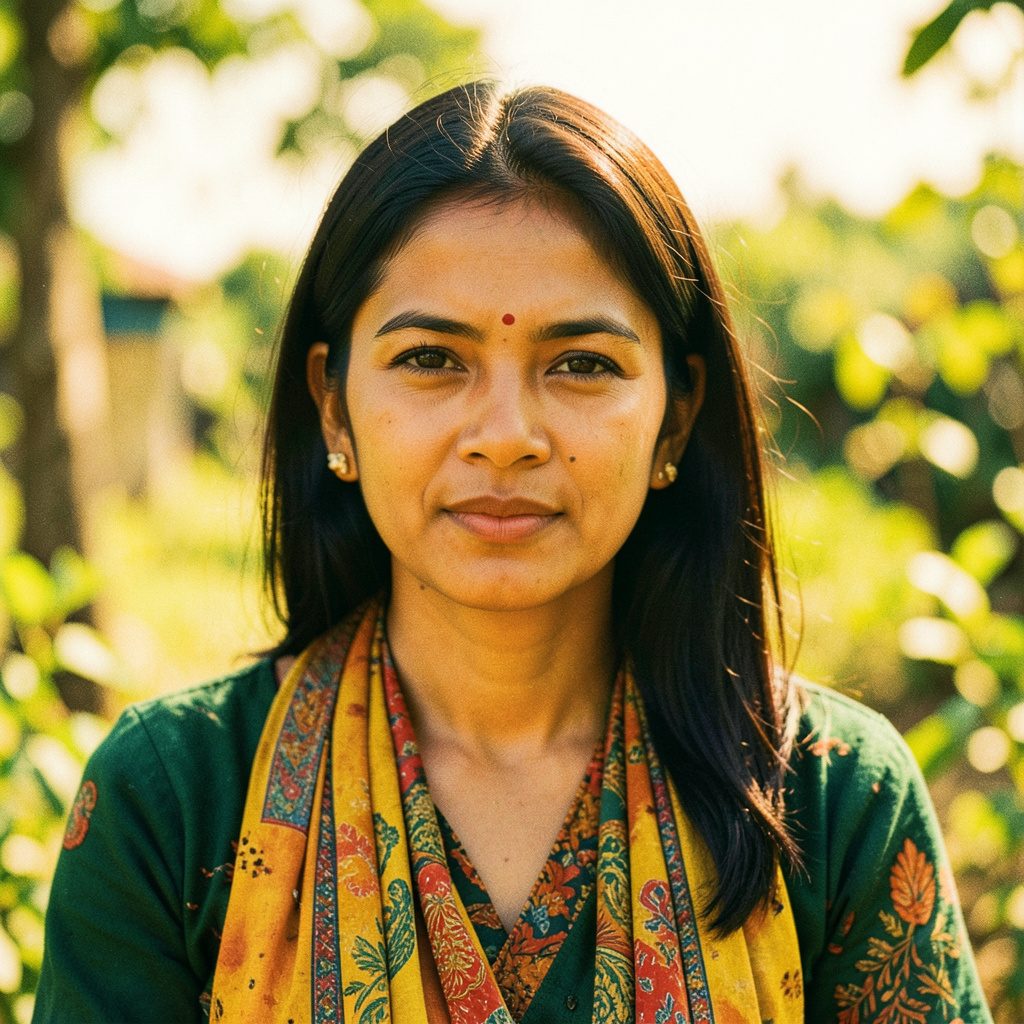
There is a quiet strength in the way Nang Khin Zaw carries herself in front of the camera. From her earliest portraits in regional Myanmar studios to her presence in national editorial features, she has developed a style that feels both grounded in tradition and alert to the present. This portrait gallery gathers images that capture the breadth of her visual work.
She belongs to a generation of Burmese models who came of age as Myanmar's fashion press opened up to international influences. Her portfolio blends the elegance of traditional dress with the sharper lines of contemporary fashion photography, and editors in Yangon have noticed her ability to move between these worlds with ease.
For international readers, including those following regional fashion from Australian shores, her work offers a window into a visual culture often underrepresented in Western media. Photographers speak about her patience during long sessions and her willingness to experiment with lighting and posture, giving her images a layered quality that rewards repeated viewing.
What follows is a closer look at her aesthetic choices, editorial highlights, her place among other Myanmar models, and practical ways to explore her body of work.
Early Life and Modeling Beginnings
Nang Khin Zaw was raised in a household that valued both education and appearance. Relatives recall her early interest in traditional dance performances and family photography sessions, which later fed directly into her comfort in front of the lens. As a teenager, she participated in local cultural showcases across Mandalay and the capital region, building a reputation that would reach national fashion editors.
Her transition into professional modeling came during a period of significant change in Myanmar's media landscape. Magazines that had once operated under tight editorial constraints expanded their visual ambitions, and photographers began seeking faces that could carry both heritage themes and modern styling. Within a few years she was appearing alongside established Myanmar designers.
That early phase continues to shape her approach to a shoot. Even in highly produced editorials, she retains the poise of someone trained in classical posture and the subtlety of expression. The result is a body of work that feels neither overly commercial nor distant.
Aesthetic Signature and Visual Language
The first thing many viewers notice is the way light interacts with her features. Photographers often choose soft window light for studio work, allowing subtle shadows to define her cheekbones rather than relying on heavy retouching. This gives her images a warmth that translates well across digital and print platforms.
Her expression work is equally considered. Rather than relying on the open smile favoured in commercial campaigns, she often works with quieter, more reflective looks. Editors have described her ability to hold a serious gaze for extended periods without seeming cold, a quality suited to fashion stories about heritage textiles and art-house concepts.
Wardrobe choices reinforce this understated tone. She frequently appears in muted earth tones, traditional silk ensembles, and tailored modern pieces that allow the silhouette to speak for itself with quiet grace. Stylists have noted her receptiveness to direction, making her a favourite for shoots requiring multiple wardrobe changes.
Editorial Highlights and Magazine Features
Over the past several years, Nang Khin Zaw has appeared in Myanmar-based fashion titles as well as regional publications. Her covers often pair traditional headdresses with minimalist makeup, a combination that has become a signature for editorial teams seeking to bridge cultural identity with contemporary fashion.
Her editorial spreads frequently explore themes of femininity, craftsmanship, and place. One recurring format places her against hand-painted backdrops inspired by traditional murals, while another frames her in urban environments where modern glass and steel reflect the changing skyline of Yangon. Both approaches rely on her capacity to remain expressive while the surroundings shift dramatically.
Readers interested in how Myanmar models and actresses shape contemporary visual culture can also explore a related feature on iconic style portrait, which complements this coverage with a different perspective on the country's screen and fashion talent.
Standing Among Her Peers in the Myanmar Modeling Scene
The current generation of Burmese models includes several distinct visual identities, and placing Nang Khin Zaw alongside her peers helps clarify what makes her work distinctive. The following comparison summarises a few of the most discussed names in recent editorials.
| Model | Signature Style | Frequent Editorial Themes | Primary Markets |
|---|---|---|---|
| Nang Khin Zaw | Refined, heritage-leaning | Traditional textiles, studio portraiture | Myanmar, regional Asia |
| Hla Yin Khaing | Bold, cinematic | Drama, film-inspired editorials | Myanmar, diaspora press |
| Aye Mon Mon | Playful, contemporary | Street fashion, youth culture | Myanmar, Singapore |
| Khin Mar Lar | Classic, commercial | Bridal, beauty campaigns | Myanmar, Thailand |
| Su Myat Noe | Avant-garde, conceptual | Art-school collaborations | Myanmar, Tokyo |
This comparison highlights parallel paths rather than hierarchy. Her preference for heritage-leaning imagery sets her apart from the street-focused work of Aye Mon Mon or the conceptual styling of Su Myat Noe, while her commercial work keeps her visible across media.
Cross-Cultural Appeal and the Australian Connection
For viewers in Australia, her portraits sit comfortably within the visual diet of multicultural Sydney and Melbourne, where editors routinely mix international talent with homegrown faces. Australian fashion week line-ups have featured increasing numbers of models from Southeast Asia, and publications often seek portraits that reflect regional diversity.
Australian audiences also encounter her images through social platforms used by Burmese diaspora communities in Brisbane, Perth, and Adelaide. These networks value portraits that present Myanmar women with dignity, and her frames are frequently reshared within them, extending her visibility beyond traditional print.
The Australian modelling industry operates under federal Work Health and Safety regulations and state-level codes governing working hours, image usage, and on-set conduct. These standards have encouraged international bookings to treat overseas talent with greater care, making portfolios such as hers more appealing to brands seeking ethical representation.
Styling Notes and Wardrobe Choices
Traditional Burmese costume remains a recurring element in her editorial work, particularly the elegant silk ensembles worn during cultural festivals and formal studio portraits. Photographers often pair these garments with minimal backgrounds so the embroidery, weave, and colour choices remain the focal point. This approach has made her a preferred subject for features on textile revival.
Modern wardrobe choices round out her portfolio. She has appeared in tailored separates, minimalist evening wear, and casual pieces from both Asian and European designers. The common thread is her disciplined posture and her ability to keep accessories understated, letting one focal piece carry the frame while the rest of the styling breathes.
Her hair and makeup choices follow the same restrained philosophy. Makeup artists favour matte skin, softly defined brows, and neutral lips, allowing clothing and posture to do the heavier narrative work. When shoots call for a more dramatic look, she adapts easily.
Practical Ways to Follow Her Visual Journey
Readers looking to deepen their familiarity with Nang Khin Zaw's work can explore several reliable paths.
- Browse curated galleries on Myanmar-focused fashion portals that compile her magazine appearances chronologically.
- Search for tagged posts on Instagram using variations of her name alongside location markers such as Yangon or Mandalay.
- Pick up back issues of Myanmar fashion magazines to study how her styling has evolved across different editorial seasons.
- Compare her frames with other regional models to better understand the visual differences between heritage, commercial, and avant-garde approaches.
Combining these approaches offers a fuller picture than any single source. Magazine archives reveal context, social platforms highlight recent collaborations, and side-by-side comparisons sharpen the eye.
For Australian readers especially, setting aside time to revisit her portraits across these formats turns casual interest into informed appreciation, and her work becomes a useful reference point for anyone tracking the evolution of regional Asian fashion photography.