The Iconic Style of Actress Hla Yin Khaing
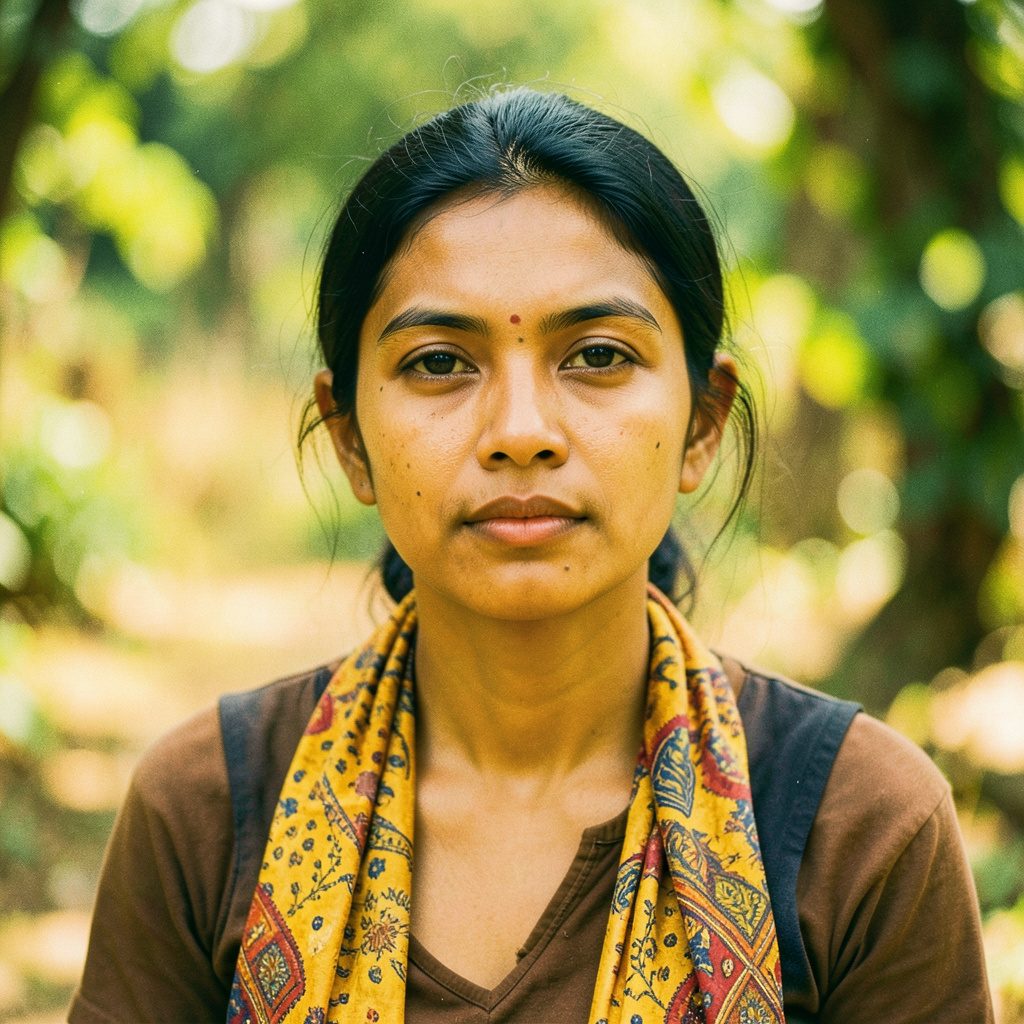
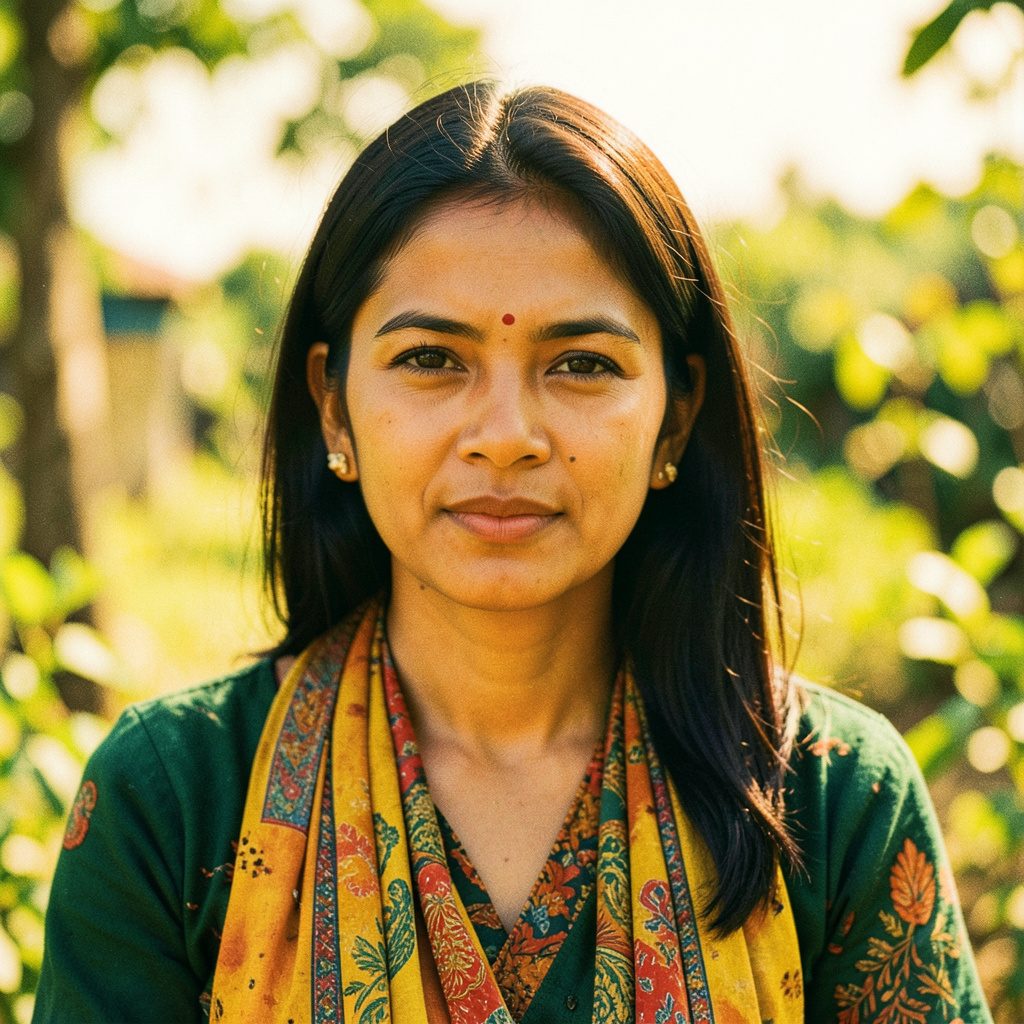
Actress Hla Yin Khaing has a visual presence that sits comfortably between classic Myanmar glamour and contemporary fashion imagery. Her style is often defined by polished portraits, carefully balanced colour, expressive eyes, and clothing that gives cultural detail as much importance as modern silhouette.
For Australian audiences discovering her work through a photo archive, the appeal lies in the way each image feels considered rather than hurried. Whether viewed on a phone in Melbourne, during a quiet afternoon in Brisbane, or alongside fashion editorials from Sydney, her photographs offer a strong example of how personal style can communicate character.
A Visual Language Built On Restraint
The most striking feature of Hla Yin Khaing’s image style is its control. Her portraits tend to avoid unnecessary visual clutter, allowing facial expression, posture, fabric, and lighting to carry the mood. This restraint gives the photographs a timeless quality that works across magazine covers, studio portraits, and fashion galleries.
Her appeal does not depend on an exaggerated pose. A slight turn of the head, a direct gaze, or a relaxed hand position can create a sense of confidence. That subtle performance is especially effective in close-up photography, where small details become more important than a dramatic setting.
The result is an elegant visual identity with enough flexibility for different editorial treatments. A soft portrait can appear intimate, while a sharper fashion image can suggest authority and modernity without losing warmth.
Traditional Dress With Contemporary Poise
Traditional Myanmar clothing brings texture and symbolism to Hla Yin Khaing’s style. Longyi-inspired silhouettes, fitted blouses, woven patterns, and refined jewellery can create a composed appearance that feels rooted in local culture. The clothing is not simply decorative; it shapes the rhythm and balance of the entire portrait.
Her styling demonstrates how heritage pieces can look current when combined with clean hair, controlled makeup, and modern photography. A traditional outfit photographed against a simple background can feel just as fresh as a contemporary designer look. The power comes from proportion, fabric quality, and the way the garment is worn.
This approach may appeal to Australian viewers who recognise a similar conversation around cultural dress. From South Asian formalwear at Melbourne celebrations to Pacific and Southeast Asian fashion at Sydney events, clothing often carries family history while adapting to present-day life. Hla Yin Khaing’s portraits reflect that same meeting point between tradition and personal expression.
Beauty Styling That Supports The Portrait
Makeup in her editorial imagery often works as a supporting element rather than the main attraction. Defined brows, even skin, softly shaped lips, and carefully framed eyes help preserve the natural character of the face. This creates photographs that remain expressive without appearing overly theatrical.
Hair styling also contributes to the sense of polish. Sleek arrangements, controlled volume, and elegant updos can complement traditional clothing, while softer waves or a simple loose style can make a contemporary shoot feel more approachable. The styling is usually coordinated with the outfit instead of competing with it.
For Australian beauty audiences, this balance feels relevant to the way editorial and occasion makeup are often approached. The look can be formal enough for a magazine spread yet practical enough to inspire ideas for a wedding, cultural celebration, or evening event. It is glamour with a clear sense of proportion.
Magazine Covers And Fashion Storytelling
A magazine cover requires instant recognition. The subject needs to command attention within a small frame, while typography, clothing, expression, and colour must work together. Hla Yin Khaing’s strongest cover-style portraits use direct eye contact and a clear silhouette to establish that presence quickly.
Fashion editorials allow more room for narrative. A sequence of images may move from a close-up to a full-length portrait, showing how the outfit behaves and how the actress changes her expression. In that setting, styling becomes a form of storytelling: a structured garment may suggest confidence, while flowing fabric can introduce softness and movement.
This is part of what makes a photo archive valuable. A single image can show a public persona, but a collection reveals patterns in styling and performance. Viewers can compare formal portraits with candid-looking frames and see how the same actress adapts to different editorial moods.
Why Her Style Connects With Australian Viewers
Australian fashion culture is shaped by contrasts: relaxed everyday dressing beside highly formal eventwear, coastal light beside urban studio photography, and multicultural influences beside local minimalism. Hla Yin Khaing’s style fits naturally into that visual mix because it offers both refinement and cultural specificity.
The clean composition of her portraits can appeal to audiences used to the bright, open light of Sydney or the more subdued street style associated with Melbourne. In Brisbane and other warmer parts of Australia, the emphasis on breathable fabrics, practical silhouettes, and light-reflective colour also gives traditional styling an accessible quality.
Her image collections are particularly suited to the way Australian audiences browse fashion media today. People may discover a portrait through a search engine, save a look on social media, or explore related model names and tags on an editorial archive. The interest is often visual first, followed by curiosity about the person, clothing, and cultural context behind the image.
| Style Element | Visual Effect | Australian Viewing Context |
|---|---|---|
| Traditional longyi-inspired styling | Adds cultural identity and graceful structure | Relevant to multicultural celebrations and formal gatherings |
| Clean studio lighting | Keeps attention on expression and fabric | Works well for modern fashion and beauty references |
| Refined jewellery | Introduces detail without overwhelming the portrait | Suits occasion dressing and evening styling |
| Direct eye contact | Creates confidence and editorial authority | Effective in compact digital images and magazine-style covers |
| Soft, controlled makeup | Preserves recognisable features | Appeals to polished yet wearable beauty preferences |
Details Worth Noticing In The Archive
A closer look at Hla Yin Khaing’s photographs reveals that style is built from several small decisions. The background may be plain so that patterned fabric becomes the focal point. A muted colour palette may make jewellery stand out. Even the angle of the shoulders can change the feeling from formal and distant to relaxed and approachable.
Viewers should also notice the relationship between clothing and expression. An elaborate outfit may be paired with a calm, understated pose, preventing the image from becoming excessive. A simpler outfit may receive a stronger gaze or more dramatic lighting, giving the portrait greater intensity.
For anyone browsing collections on Myanmar-model.net, the most useful approach is to compare images rather than judging a single frame in isolation. Look for recurring colours, preferred silhouettes, changes in hair and makeup, and the different moods created by studio or outdoor settings.
Practical Ways To Read Her Style
- Compare traditional outfits with modern fashion looks to see how silhouette changes the mood.
- Focus on fabric, jewellery, and neckline details before assessing the overall impression.
- Notice how lighting alters the apparent colour and texture of each garment.
- Study facial expression and posture as carefully as the clothes.
- Group images by editorial setting, such as magazine covers, portraits, and fashion shoots.
Hla Yin Khaing’s iconic style comes from the meeting of elegance, cultural detail, and disciplined presentation. Her portraits show that a memorable fashion image does not need excessive styling or a dramatic setting. It needs a clear point of view, clothing that carries meaning, and a performance that feels assured. When browsing her gallery, start by observing the balance between expression, fabric, and composition; that practical habit makes the character of each image easier to see.