Phyu Phyu Khin From Runway Presence to Cover Star
Phyu Phyu Khin represents the kind of fashion personality whose appeal is best understood through images. A single portrait can show the poise of a runway appearance, while a magazine cover may reveal a more controlled and expressive side of the same public figure. Her profile sits comfortably within Myanmar’s expanding fashion and entertainment culture, where models often move between catwalks, beauty editorials, commercial campaigns, and acting-related publicity.
For readers in Australia, a Myanmar fashion gallery offers a useful view of a regional style language that is both familiar and distinct. The polished production values may recall a Sydney studio shoot or a Melbourne fashion editorial, yet the styling can retain local references through colour, fabric, jewellery, and silhouette. On Myanmar-model.net, Phyu Phyu Khin’s images work as a visual record of that movement from live fashion presentation to recognisable cover identity.
A Distinctive Editorial Presence
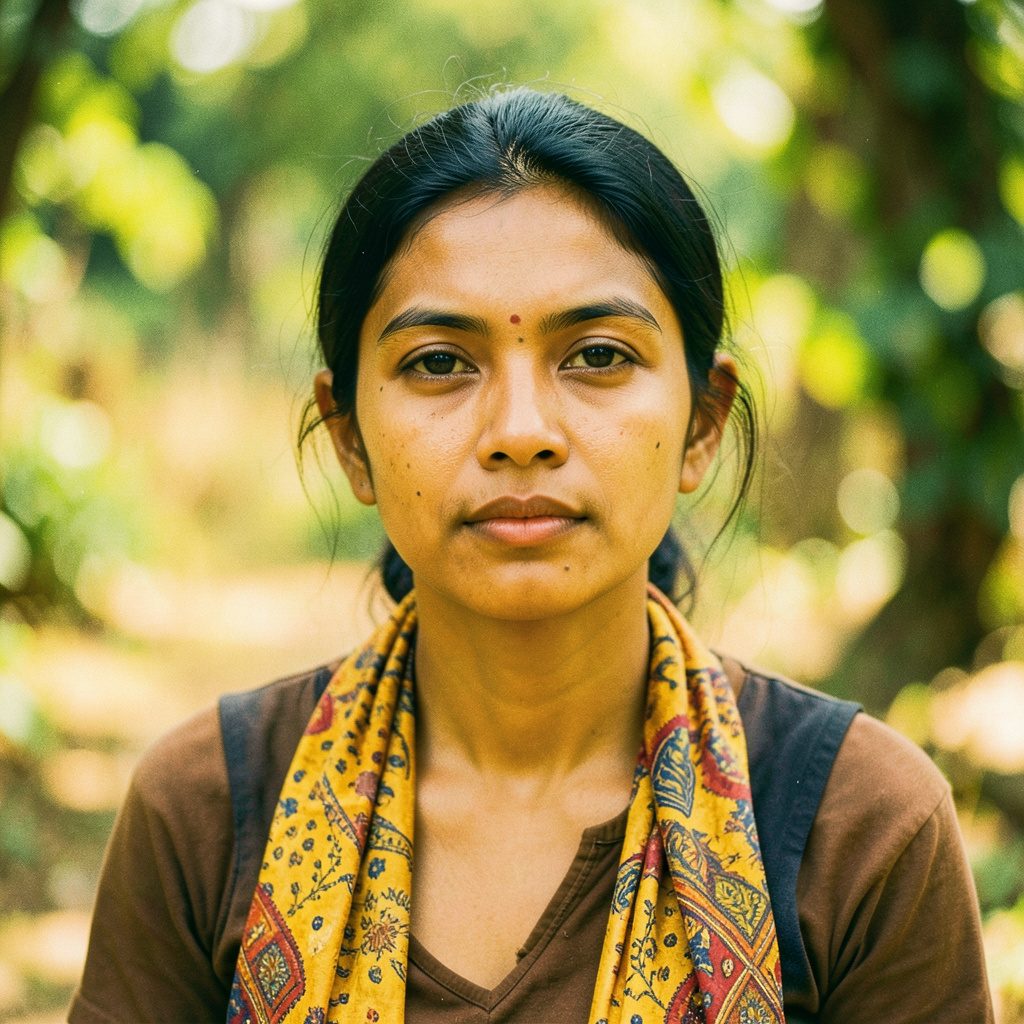
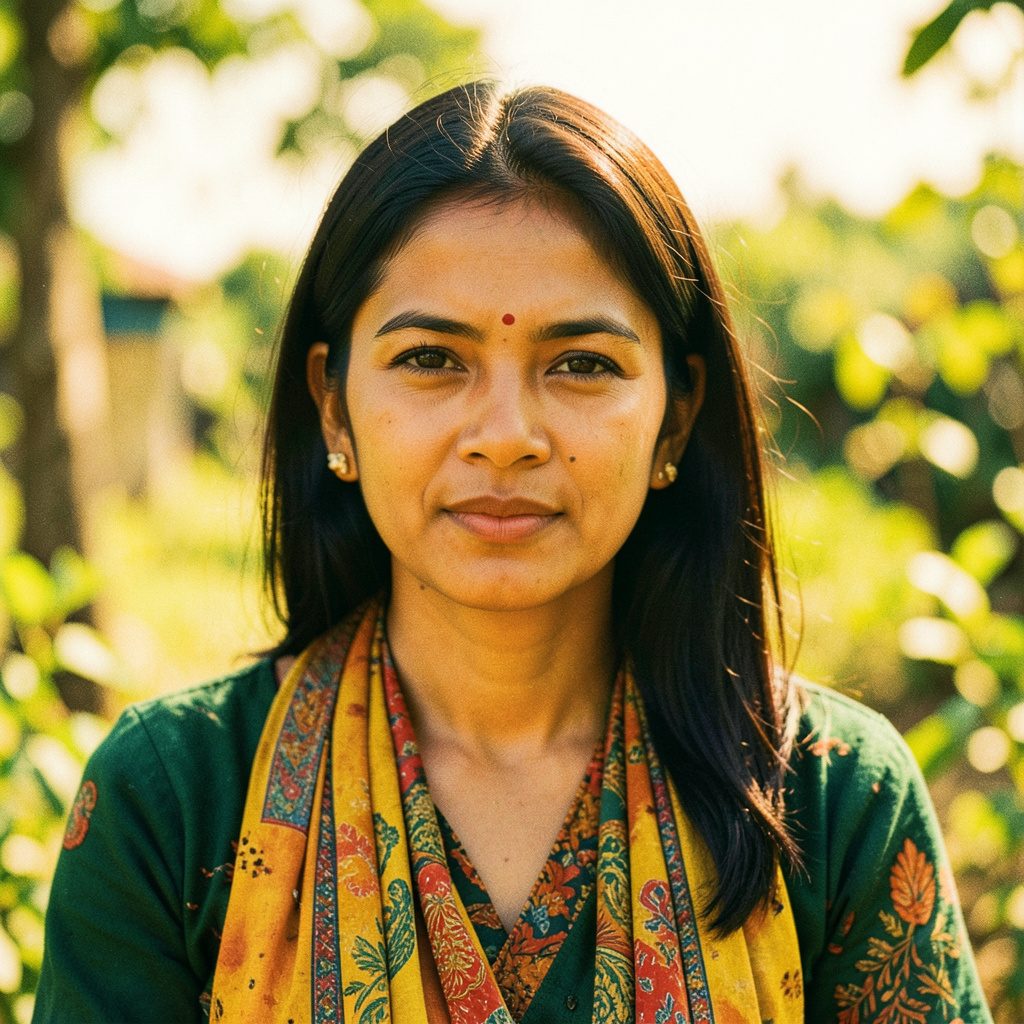
Phyu Phyu Khin’s strongest photographs rely on composure rather than exaggerated performance. Her expression, posture, and eye line create a sense of confidence that allows clothing and beauty styling to remain visible. This is particularly effective in close-up portraits, where the lighting, make-up, and arrangement of hair carry as much meaning as the outfit itself.
Her appeal also comes from adaptability. A runway image usually demands an elongated stance and a focused walk, while a magazine portrait asks for stillness, emotional suggestion, and a more direct relationship with the camera. Moving between these formats requires an understanding of how small changes in pose can alter the mood of an image. Phyu Phyu Khin’s portfolio can therefore be read as a study in controlled variation.
From Catwalk Energy to Camera Control
Runway work is built around motion, timing, and the presentation of a full look. The model must give an audience enough time to register the cut of a garment, the fall of fabric, and the designer’s intended proportions. In a photographic editorial, that movement is condensed into one frame. The result depends on a different kind of discipline: holding a pose, shaping the face, and creating visual direction without appearing forced.
That difference matters when considering her transition towards cover-star recognition. A cover has a limited visual field and must work at several sizes, from a large display in a city newsagent to a thumbnail shared on social media. The image needs immediate impact, but it also has to leave room for typography and headlines. In Australia, where fashion magazines compete with digital publishers and image-led platforms, that balance is familiar to readers browsing titles in Melbourne’s independent bookshops or Sydney’s larger retail centres.
Fashion Styling With Regional Character
The styling around Phyu Phyu Khin often demonstrates how a model’s identity is shaped by more than Western runway conventions. Traditional-inspired details, rich colour combinations, sculptural earrings, and carefully arranged fabrics can give a portrait a strong Myanmar character without making it feel like a costume study. These elements help place the image within a cultural context while preserving the clean finish expected from contemporary fashion photography.
Accessories are especially important because they can shift the reading of an outfit. A restrained dress may become ceremonial through metalwork or a statement necklace, while a modern look can gain warmth from handcrafted details. For wider reference, the relationship between jewellery and everyday styling is also explored in this Japanese accessory feature, which helps explain why small design choices can have such a large effect in a portrait. Australian viewers may recognise a similar styling approach in boutique editorials from Brisbane, Perth, or Fitzroy, where local designers are often paired with distinctive accessories.
The Cover Star Image
A cover star is created through repetition as much as through one memorable photograph. Magazine covers, promotional portraits, event appearances, and social images gradually build recognition. Each appearance reinforces certain qualities: elegance, confidence, glamour, approachability, or a willingness to experiment. For Phyu Phyu Khin, the cover-ready image is less about a single fixed persona than about maintaining a consistent visual presence across changing concepts.
This is where a photo archive becomes valuable. Individual posts can be viewed as part of a broader sequence rather than as isolated celebrity updates. A reader can compare a formal studio portrait with a fashion shoot, observe changes in make-up or hair, and see how the model responds to different creative directions. The wider archive’s feature on Hla Yin Khaing’s style provides another useful example of how Myanmar public figures develop recognisable image identities through fashion and portraiture.
Why Her Portfolio Matters to Australian Readers
Australian audiences are used to fashion media that mixes international references with strong local identity. A shoot produced in Sydney may draw from European tailoring, Asian streetwear, Indigenous design conversations, or Australian coastal minimalism in the same visual season. Myanmar fashion imagery offers a parallel example of cultural movement, showing how global modelling standards can coexist with regional dress traditions and beauty ideals.
The practical way people discover this content has changed as well. Readers may encounter a model through a magazine cover, then follow image galleries on a phone during a train trip through Melbourne, a lunch break in Canberra, or a weekend in Adelaide. Searchable tags and model-name archives make that discovery process easier, particularly for people who want visual references rather than long entertainment reports. In Australian English, someone might simply call the result “a strong look” or say the styling has “plenty of presence”; those plain descriptions suit Phyu Phyu Khin’s appeal because her photographs communicate quickly.
Her profile also reflects how fashion markets operate across borders. Australian readers often buy fewer print magazines than previous generations, while online editorial platforms can reach niche audiences with lower distribution costs. A Myanmar model can therefore build visibility through a combination of local publications, social media circulation, event photography, and international photo archives. The audience may be spread across Yangon, Sydney, Melbourne, and smaller Australian cities, but a carefully produced portrait can connect those communities instantly.
Phyu Phyu Khin’s journey from runway presentation to cover-star visibility is best understood as a progression in image-making. Catwalk work establishes movement and authority; editorial shoots add atmosphere; portraits develop recognisable character; and magazine covers bring those qualities into a compact, memorable frame. Taken together, her photographs show how a model’s career can grow through versatility, cultural detail, and a steady command of the camera. For anyone browsing a Myanmar fashion archive, the practical takeaway is simple: compare the runway, portrait, and cover images side by side to see how styling and pose transform the same model into several compelling visual identities.