How Myanmar models use body language in portraits
A still photograph compresses movement into a fraction of a second, yet a model’s eyes, shoulders, hands and hips can create a clear visual sentence. Body language in portraiture is often less about dramatic gestures than balance, direction and the degree of tension visible in the body.
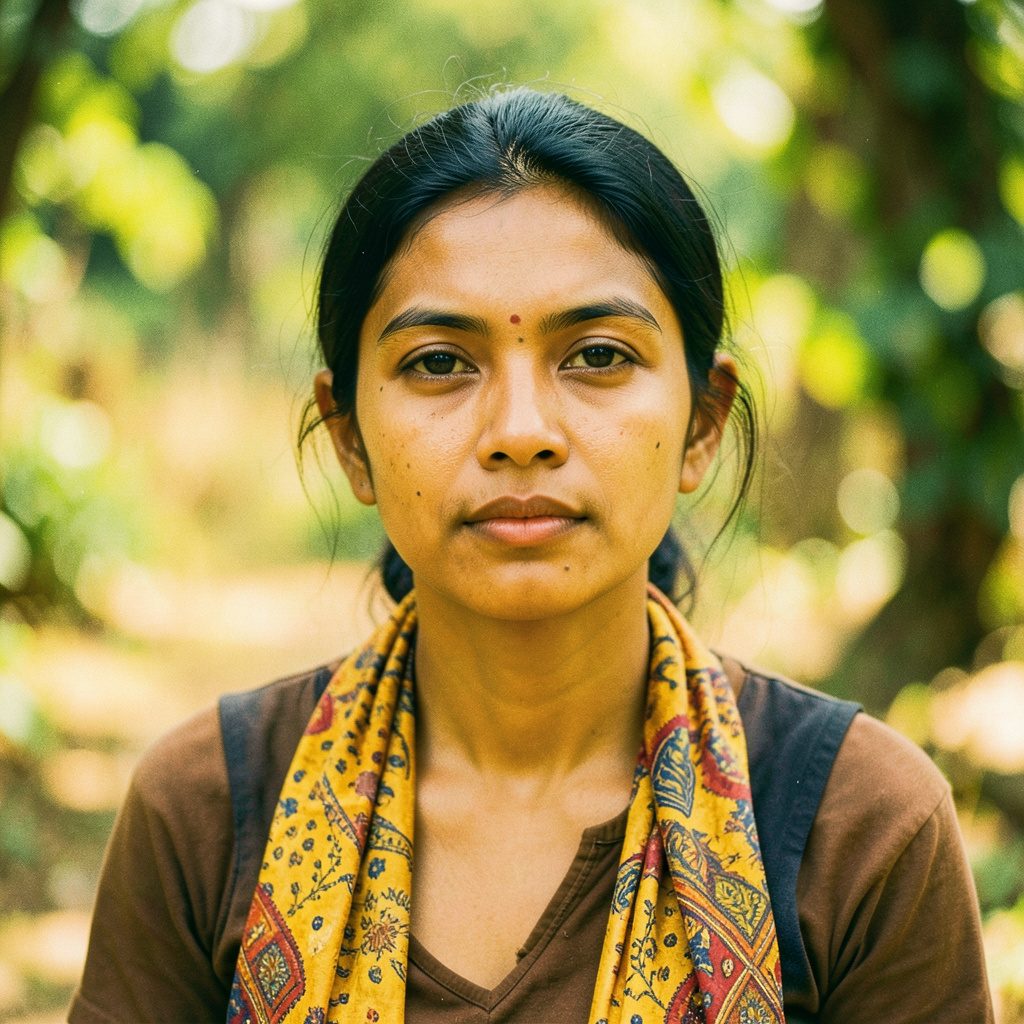
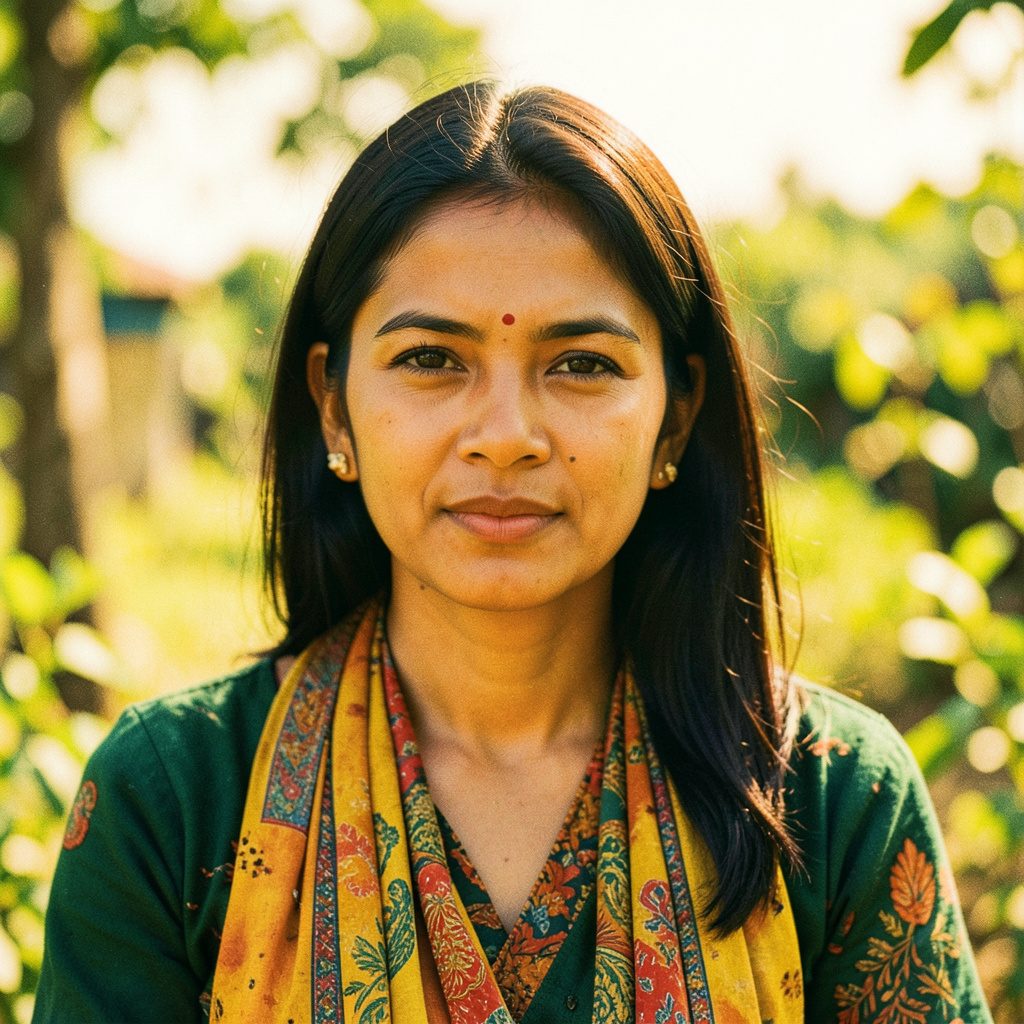
Across Myanmar model galleries, that sentence shifts with the brief. Magazine covers may demand poise and brand presence, fashion editorials can explore movement, and traditional-clothing portraits may emphasise drape, posture and cultural specificity. How Myanmar models use body language in portraits therefore reflects photography, styling and the image being constructed, not a single house style.
The camera also changes performance. A pose that feels loose in person may appear controlled in a tightly framed image, while a small turn of the wrist may vanish when a crop removes the hands. Reading the still therefore means considering what the frame excludes as carefully as what it shows.
For Australian viewers, these portraits sit within a familiar fashion culture that often favours approachable confidence and commercially usable imagery. The aim is not to attach a fixed emotion to a pose, but to notice how each visual choice directs attention and creates a particular presence within the gallery.
Body language as a visual sentence
The most immediate signal is usually the relationship between gaze and posture. A level chin, open chest and steady eyes can give a portrait authority, while an angled head and softened shoulders can make the same face appear more intimate. These combinations create emphasis without requiring exaggerated movement.
Controlled symmetry often communicates formality. Uneven positioning, such as a lowered shoulder or a hip set slightly to one side, tends to create movement within an otherwise static frame. Neither approach carries a universal meaning; the photographer’s concept and the subject’s comfort determine which qualities become visible.
Gaze and facial connection
Direct eye contact can make the viewer feel addressed, especially in beauty portraits and magazine features. By contrast, a gaze directed beyond the frame can suggest distance, concentration or an imagined scene outside the image. Off-camera eyes do not automatically make a portrait withdrawn, as they may simply give the composition a narrative direction.
The chin and brow work closely with the eyes. A slightly raised chin lengthens the neck and gives the face more vertical presence, while a lowered chin can create intimacy or introspection. Tiny changes around the mouth and jaw often matter as much as the eyes, particularly in close crops where the viewer can detect tension or ease.
Shoulders, arms and weight
Shoulders establish how much space a model occupies. Held back, they create an expansive silhouette; drawn forward, they make the figure feel more enclosed. Arms add another layer, since hands on hips can suggest assurance, while an arm resting close to the body can produce a quieter, more restrained line.
Weight distributed between both feet often gives a portrait stability. Placing more weight on one leg introduces an uneven rhythm and can make a standing figure appear less rigid. A turned hip combined with a returning upper body creates a curved silhouette, a familiar device in fashion photography that gives static clothing more shape.
Clothing and textile movement
Garments guide the pose as much as the model guides the garment. Structured collars encourage a lifted chin, fitted waistbands invite the torso to rotate and broad sleeves change how the arms sit. A draped wrap or flowing longyi can make the body appear softer and more continuous, with each fold recording where the model has moved.
The relationship between material and movement is visible in this overview of traditional textiles and their influence on Myanmar fashion runways. In portrait photography, fabric that hangs freely rewards offset stances, while crisp or heavily pleated textiles benefit from clear angles and deliberate hand placement.
Reading common portrait signals
Body-language clues are best treated as visual evidence rather than personality tests. They show where the photographer has directed attention, not what the subject must be feeling. The following patterns commonly help viewers interpret portraits without relying on a single gesture.
For upper-body signals, three clues recur:
- A steady gaze paired with level shoulders creates a sense of directness.
- One shoulder drawn slightly forward can make a pose feel intimate or reserved.
- Hands near the collarbone or jaw guide attention towards the face.
For lower-body positioning, another set provides context:
- Weight settled onto one leg introduces asymmetry and apparent ease.
- A turned hip combined with a returning upper body forms a curved silhouette.
- Feet or knees angled away can add movement even when the face remains still.
Body language in Australian settings
Australian locations add their own visual pressures. Open daylight around Bondi can encourage a model to project into a wide coastal horizon, while hard midday sun rewards a firm jaw and deliberate neck line because small gestures disappear in bright contrast.
Melbourne’s laneway studios create another setting, with brick, graffiti and narrow shafts of light. These spaces often reward asymmetry: a shoulder against a wall, one arm crossing the body or a sideways glance can animate an otherwise narrow frame.
Casting briefs in Sydney and Melbourne also tend to use plain, lightly informal language. Words such as “natural”, “relaxed” and “no-fuss” usually mean that projected confidence should sit within reach, not that the model must surrender individual styling or cultural specificity.
The local fashion market shapes the brief as well. Australian labels, independent boutiques and department stores may need one campaign image to work in print, a shop window and social media, favouring portraits that combine polish with approachability. Jewellery close to the face can also affect visible comfort; a guide to sensitive-skin metals is relevant when distinguishing styling choices from tension around the jaw, neck or shoulders.
A practical way to read the pose
A useful method is to work through the frame in order: begin with gaze, then shoulders and arms, then hands, hips and feet. Add the garment and setting before assigning an impression. This sequence keeps one striking feature from dominating the whole reading.
Comparing several frames can reveal whether a gesture is recurring or momentary. The practical takeaway is to read body language as layered visual evidence: gaze, shoulders, hands and stance should be interpreted together and checked against clothing, setting and the subject’s visible comfort.