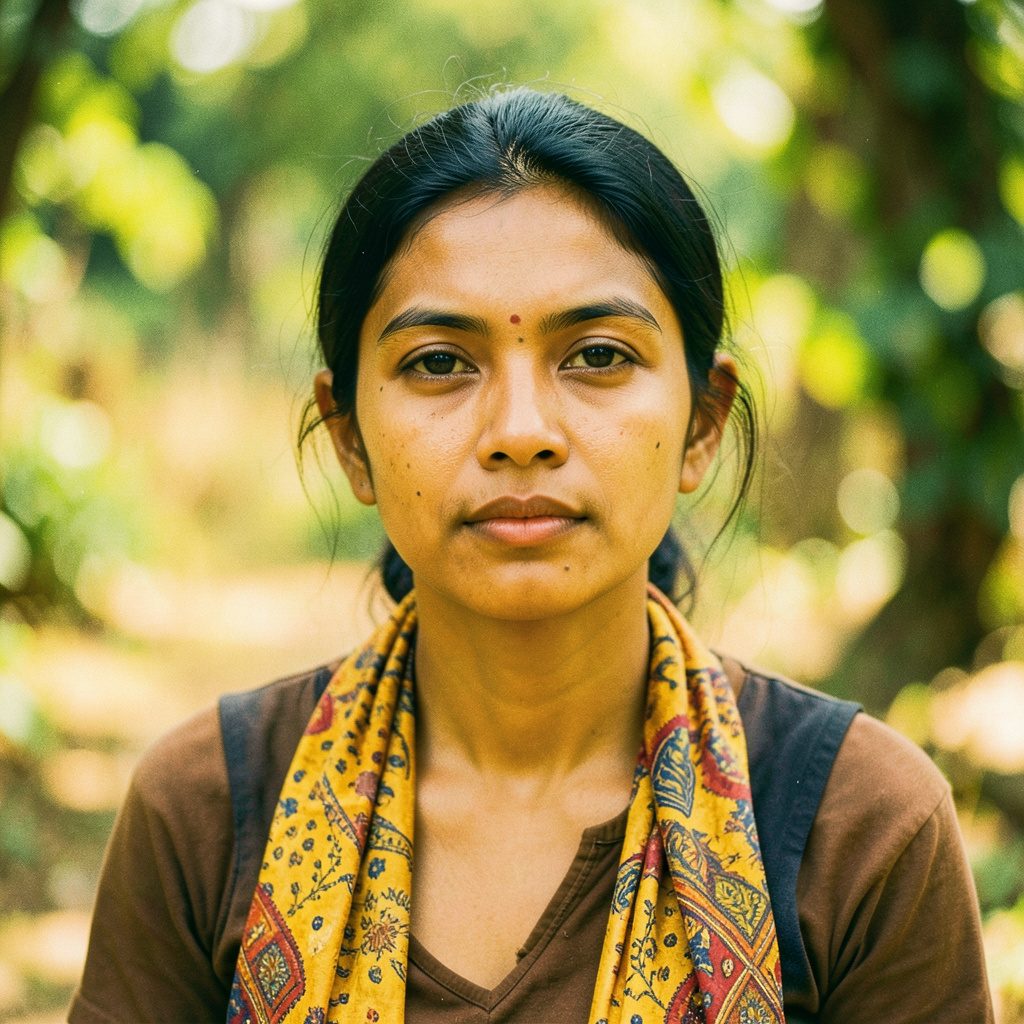
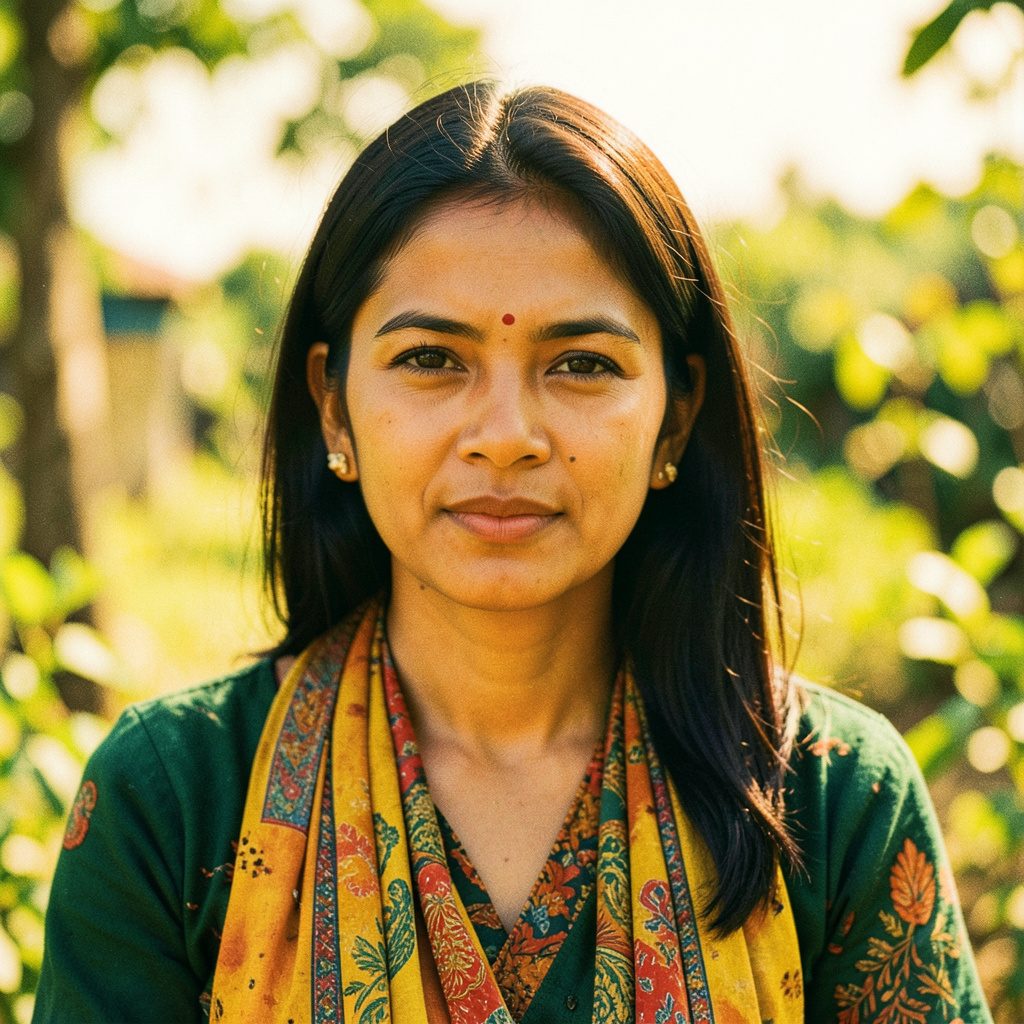
Heritage Threads: How Myanmar Textiles Shape the Runway
For more than a decade, the camera-shy world of Myanmar fashion has slowly stepped into the global light, propelled by the visual language of the longyi, htamein, and a constellation of woven cloths that once draped the shoulders of village elders. The aesthetic of traditional textiles has migrated from rural looms to polished catwalks, where designers remix motifs, hand-spun silks, and indigo dyes into silhouettes that feel both contemporary and ancestral. Editorial platforms such as Myanmar-model.net have documented this arc through portrait galleries and magazine covers, preserving the visual memory of a sartorial revolution unfolding in plain sight.
From Sydney's harbourside galleries to the studios of Brunswick in Melbourne, Australian audiences encounter Myanmar's textile heritage in curated exhibitions, pop-up markets, and multicultural festivals. Australia's fashion industry, valued at over twenty-seven billion dollars annually, absorbs influences from across Asia, and the cross-pollination between Burmese heritage craft and local design studios has become one of the quieter success stories of regional cultural exchange. This relationship is shaped not only by aesthetics but by evolving consumer expectations around authenticity, provenance, and the legal frameworks that govern how cultural goods travel across borders.
The Living Heritage of Myanmar Looms
Long before the first garment glided down a Yangon catwalk, communities across the Ayeyarwady basin were already perfecting the geometry of their weave. The Chin, Kachin, Shan, and Rakhine peoples each developed distinctive textile vocabularies — cross-stitch panels from the hills of Hakha, warp-faced cottons from Inle's floating gardens, brocade silks bearing lotus motifs from Mandalay's royal ateliers. These fabrics are not inert museum pieces but living archives, with techniques transmitted through mother-to-daughter apprenticeships, often during the rhythmic motion of the backstrap loom.
Australian designers and curators have taken note. In Sydney, exhibitions at the Powerhouse Museum have placed Burmese textiles alongside Pacific and Southeast Asian counterparts, prompting renewed academic interest in the trade routes that once linked Mandalay to Melbourne's rag-trade wholesalers. Visitors wandering through such shows sometimes compare the visual density of a Shan shoulder bag to the layered surface treatments found in local fashion houses, finding unexpected kinship between disparate craft lineages. The everyday Australian habit of browsing weekend markets — from Paddy's Markets in Haymarket to the South Melbourne Market — offers an accessible entry point for those curious about how these traditions translate into wearable form.
From Village Workshops to Runway Lights
The journey from hand-loomed cloth to runway costume usually begins with a buyer or designer visiting a weaving cooperative, often in Shan State or the dry zone around Bagan. Fabrics are selected for tactile weight, dye fastness, and the legibility of motifs such as the naga serpent or the hintha bird. Back in Yangon studios, pattern-makers deconstruct these weaves, slicing panels for jackets, lining bodices with raw silk, or layering sheer cottons over metallic embroidery. The runway moment arrives after months of slow negotiation between cultural custodians and creative directors who understand that borrowed heritage carries responsibilities.
In Melbourne's inner north, emerging labels have adopted similar workflows, sourcing from artisans in Kalaw and applying Australian consumer law requirements around truthful labelling when reselling hybrid pieces. The Australian Consumer Law mandates that products sold locally must accurately represent their country of origin, a regulation that has quietly shaped how designers describe their Burmese-sourced fabrics at Brisbane boutique launch events. Compliance has shifted from a bureaucratic chore into a storytelling opportunity, allowing makers to print the weaver's name alongside the fibre composition on swing tags.
Designers Reinterpreting Ethnic Patterns
Among the most photographed looks on Myanmar runways in recent seasons are those that reimagine ethnic patterns through minimalist tailoring. Achak-style checks, once confined to men's casual trousers, now appear as oversized blazers, while the geometric precision of Rakhine lungi cloth has been cut into bias evening gowns. Designers such as those featured on Myanmar-model.net treat each textile not as a mere decorative surface but as a structural element, allowing the cloth's natural drape to dictate the garment's silhouette. This approach honours the loom's logic rather than camouflaging it beneath borrowed luxury codes.
Australian audiences see echoes of this philosophy in the work of labels that share studio space in Collingwood and Surry Hills. Local designers frequently visit textile archives at the National Gallery of Victoria and the Art Gallery of New South Wales before commissioning bespoke weaves from Burmese collaborators. The ritual resembles the way Sydneysiders plan a Sunday brunch long before arriving at the café — preparation is everything, and the best outcomes reward those who respect the rhythms of their supply chain. Such exchanges have produced capsule collections shown at Melbourne Fashion Week, where audiences can compare the tight weave of a Chin blanket coat against the fluid fall of a Shan silk slip dress in a single glance.
Australian Connections to Burmese Craft
The cultural dialogue between Myanmar and Australia extends well beyond fashion week invitations. Across suburbs with significant Burmese communities — think Fairfield in Sydney, or the western corridors of Brisbane — small businesses import traditional fabrics for ceremonial use, while a parallel trade feeds the appetite of stylists seeking one-off statement pieces. The Indigenous Art Code, an Australian framework originally designed to protect First Nations artists from misrepresentation, has inspired analogous conversations about how Burmese textile heritage should be credited and compensated when it appears on international runways.
Australian legislation also influences how cultural products cross borders. Biosecurity requirements administered by the Department of Agriculture, Fisheries and Forestry restrict untreated natural fibres to prevent pest contamination, prompting importers to work only with suppliers who understand Australian compliance standards. This practical hurdle has nudged some designers toward partnering with cooperatives that already pre-wash and treat their fabrics. It is a quiet form of quality control, and it has lifted both ethical and aesthetic standards on either side of the Timor Sea.
Sustainability and the Future of Heritage Weave
The runway's embrace of traditional textiles arrives at a moment when sustainability discourse dominates Australian fashion media. Slow fashion advocates in Brisbane and Perth champion handwoven garments as antidotes to disposable trends, drawing parallels with the buy-now-wear-once economy they seek to replace. A Shan indigo jacket that lasts twenty wearings represents fewer resources than five fast-fashion alternatives, and its cultural value compounds over time. Heritage textiles, by their nature, resist obsolescence.
Looking ahead, the most promising collaborations appear to be those that treat Myanmar weavers as creative partners rather than subcontractors. Photographic platforms documenting Myanmar's fashion evolution play a vital role, archiving visual evidence that supports provenance claims and encourages informed collector choices.
| Textile Tradition | Region of Origin | Traditional Use | Common Runway Adaptation |
|---|---|---|---|
| Longyi | Nationwide | Lower-body wrap for daily wear | Wide-leg trousers, column skirts |
| Chin shoulder cloth | Chin State | Ceremonial drape for festivals | Capes, unstructured jackets |
| Shan silk brocade | Shan State | Formal attire for weddings | Bias-cut evening gowns |
| Rakhine lungi | Rakhine | Casual men's wrap | Slip dresses, lined skirts |
| Achak checks | Central Myanmar | Men's everyday trousers | Oversized blazers, shirting |
A practical first step for anyone moved by these stories is to visit the upcoming showcase of Southeast Asian textiles at the Australian National Maritime Museum in Darling Harbour next spring, where curated garments will sit alongside historical photographs tracing the long journey of cloth from Mandalay loom to the runway.