How Myanmar models prepare for a magazine cover shoot
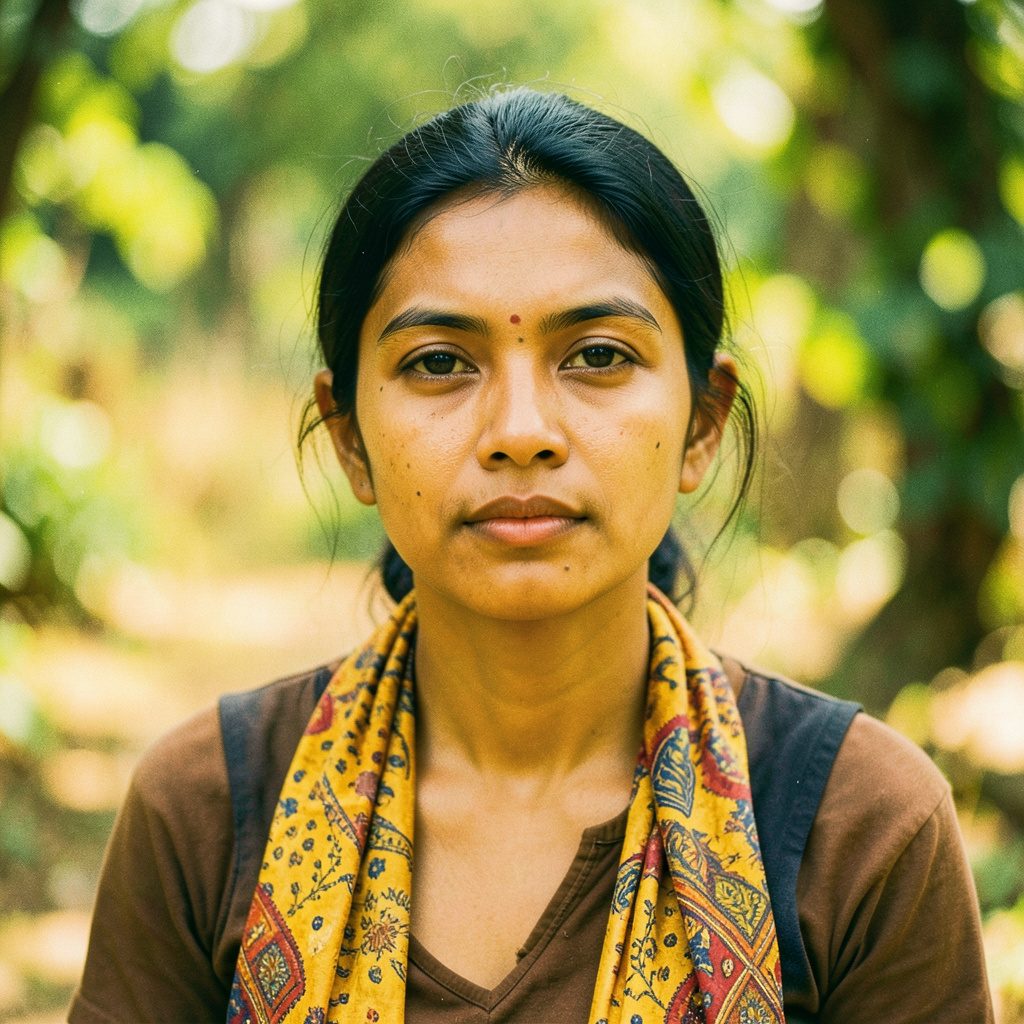
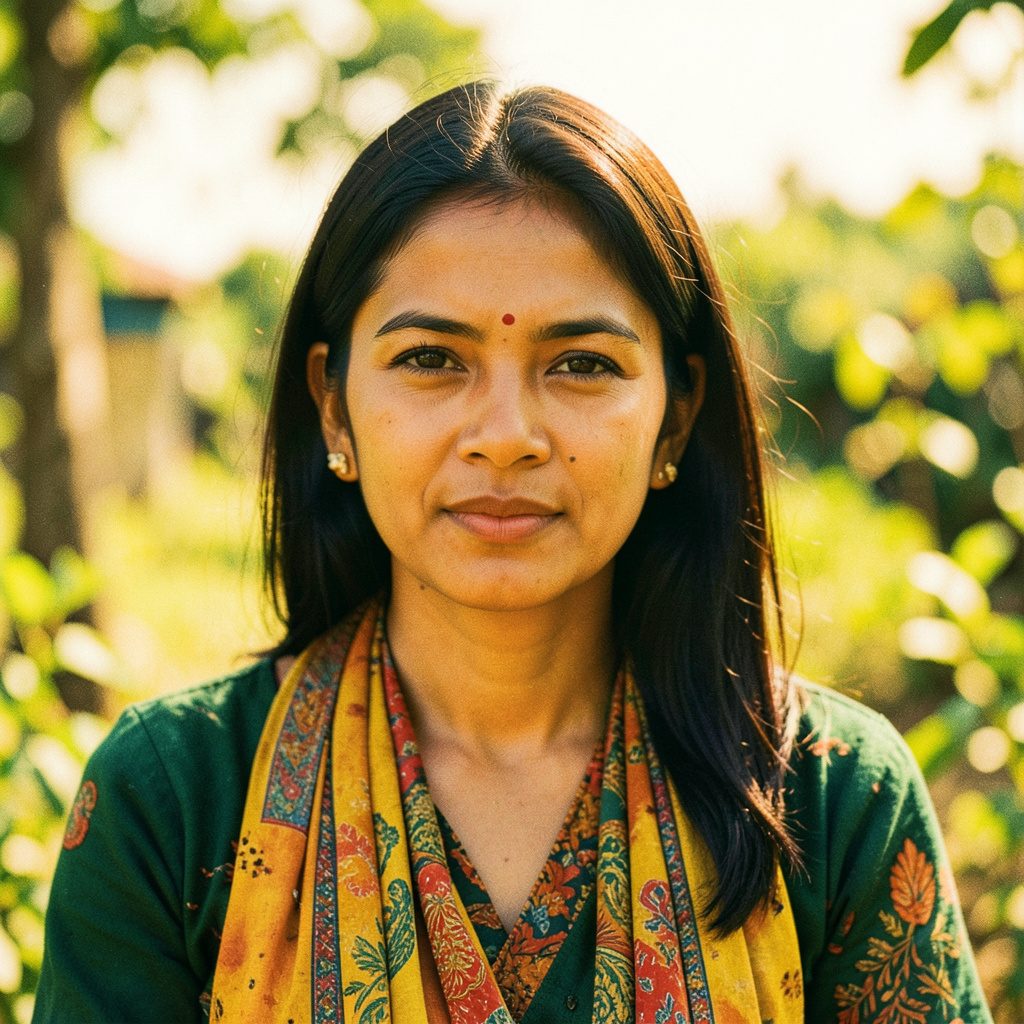
A magazine cover is the end of a long chain of decisions. Before the shutter clicks, an editor’s concept becomes a casting brief, a styling plan, a lighting setup and a set of rehearsed gestures. Myanmar models often enter that process with a strong instinct for texture, silhouette and adornment, qualities that translate well into the close-up frames seen across Myanmar-model.net galleries.
The finished photograph can look spontaneous, yet every element has been planned. That becomes clearer when the work crosses into Australia, where teams producing issues for Vogue Australia, Harper’s Bazaar Australia and Elle Australia must satisfy readers in tropical Darwin and chilly Hobart. The habits behind a convincing cover remain consistent even when the location, calendar and market change.
Turning a concept into a shared brief
Preparation starts with a conversation between the editor, photographer, stylist and model. Each person brings a different visual instinct, and the first session usually gathers references on a shared mood board. Colour, lighting, posture and the emotional register of the portrait all get discussed before anyone discusses a particular dress.
The cover also has to carry several messages at once. A masthead, cover lines, sponsor logos and the garment itself must remain legible without competing for attention. The art director decides where the model’s face sits and how much room the typography needs, while the stylist asks whether the clothing can hold its shape beneath those constraints. For visual direction, teams often browse the luxe styling review while comparing ideas for polished eveningwear, jewellery and finish.
A good model treats the brief as a starting point rather than a set of instructions to obey. Questions about comfort, mobility and fabric weight can change the outcome, since a garment that restricts the shoulders or catches underfoot cannot produce the relaxed stance the photographer wants. Agreeing early on a clear mood keeps those conversations practical and prevents last-minute confusion.
Choosing fabric, fit and accessories
Wardrobe fittings are less about collecting outfits than about observing how each piece behaves under movement and light. Silk catches highlights and reveals every crease. Structured tailoring creates a clean line but can look severe without careful posing. Jewellery adds detail around the face, yet too many reflective surfaces can distract from the eyes. Each choice needs to survive the camera rather than merely look good in the fitting room.
Traditional Myanmar clothing demands particular attention. A longyi or similar wrap-style garment may look simple when still, while its drape, fold pattern and movement change completely once the model walks or turns. Hem length, waist position and the fall of the fabric must all be tested. Australian pattern and pattern-making teams often work in metric sizing, so a garment ordered from another country may need alterations before it sits correctly on the body.
Accessories are chosen with the lens in mind. Necklines, earrings, bangles and headpieces can frame the face, but the photographer may ask for some pieces to be removed once the final lighting is settled. Footwear receives the same scrutiny: a heel that looks elegant in a showroom might become unstable on an uneven location, so the team usually rehearses in the exact shoes planned for the shoot.
Rehearsing pose, expression and movement
Cover poses are brief. The strongest frame may last less than a second, so models often rehearse a sequence of small adjustments rather than a single fixed pose. A mark on the floor establishes where the feet go, the hips follow the direction of the shoulders, and the hands settle into a position that appears relaxed without looking empty. During the shoot, the photographer counts down through variations while the model changes one element at a time.
Expression is equally technical. A neutral face can read as distant, while a broad smile may suit a lifestyle feature but not a serious fashion cover. Photographers often agree on one emotional word, such as calm, assured or playful, and the model learns how to hold that feeling between instructions. The aim is control without stiffness, which comes from understanding the lens, the light and the rhythm of the shoot.
Movement rehearsals are essential for heritage styling. Walking slowly, shifting weight and turning the upper body can change how a wrap falls across the frame. A useful starting point is the elegant longyi gallery, which shows how different longyi silhouettes read when worn by public figures. The model and stylist use that kind of reference to decide how much movement the garment allows and where the folds should settle.
Reading Australian shoot culture
Sydney’s studio scene around Surry Hills and Bondi Junction offers familiar options, while Melbourne is known for laneway studios and warehouse spaces with large northern windows. This Australian rhythm differs from other markets through its relaxed language and direct approach. A call time might be confirmed as a “no worries” arrangement, and the mood on set often shifts into casual, fast-moving conversation during an arvo of fittings.
Communication style affects preparation. Australian teams tend to keep briefings concise, and stylists may adjust a look in the moment rather than rebuild it from scratch. That flexibility rewards models who understand the intent of the brief. If a wardrobe swap means the cover needs a stronger line rather than more volume, the model should recognise that difference and deliver it.
The market also shapes what a cover must accomplish. Australian fashion publications compete with strong local talent agencies, celebrity features and busy e-commerce campaigns, so a fashion cover has to work both as an editorial statement and as an advertising environment. Many models move between international editorial assignments, local campaigns and runway work, making adaptability one of the most useful skills they carry into any cover session.
Planning light, weather and location
Outdoor and studio shoots demand different contingencies. Sydney can bring hard sunlight, humidity and coastal wind, while Melbourne’s famously changeable weather can shift between bright cloud and drizzle within hours. Studios remove those problems, but they introduce their own demands involving power access, air conditioning and control over the background.
Scouts therefore study more than the view. They check where the sun falls, how reflections behave, whether there is shelter and how long it takes to move equipment from the loading area. A covered backup location saves a day when rain arrives. Sunscreen and hydration also matter for extended outdoor work, since strong Australian UV can affect comfort, hair and makeup long before the images are finished.
A lighting test helps the team decide how much warmth or coolness the skin needs. The photographer might soften the sun with diffusion, use flags to shape the face or bring in a large reflector for a bright outline. Testing these effects on the actual model is more useful than judging them on a stand-in, particularly when a Myanmar model’s skin tone requires careful exposure and colour balance.
A reliable pre-shoot checklist
A concise checklist keeps the many moving parts of a cover shoot in view, especially when the team crosses cities or time zones. It also protects the small windows of energy needed for the actual frames.
- Confirm the cover concept, mood, cover lines and the priority of face versus garment.
- Fit every look and test walking, sitting and turning in silk, longyi or structured tailoring.
- Book hair and makeup with enough buffer for a lighting test and a final wardrobe change.
- Scout the location with weather, sun direction, power access and a covered backup in mind.
- Rehearse two or three expressions and mark camera positions before the first frame.
These steps do not remove spontaneity from the shoot. They make room for it by handling the predictable problems in advance. When the clothing fits, the marks are clear and the light has been tested, the model can spend attention on the part of the image that viewers notice most.
The image worth remembering
A successful cover is a collaboration in which each specialist contributes something the others could not have produced alone. The photographer controls light and timing, the stylist shapes the garment, the editor arranges the message and the model gives the whole composition its presence. Myanmar models often contribute a refined sense of drape, detail and poise, shaped by traditions that place high value on careful presentation.
That labour remains invisible in the finished frame, which is precisely why the final image carries so much authority. The pose looks effortless, the fabric seems perfectly placed and the expression feels natural because every uncertain decision was settled beforehand. The cover readers keep in memory was built one careful choice at a time, and the quiet precision behind it is what makes the photograph memorable.