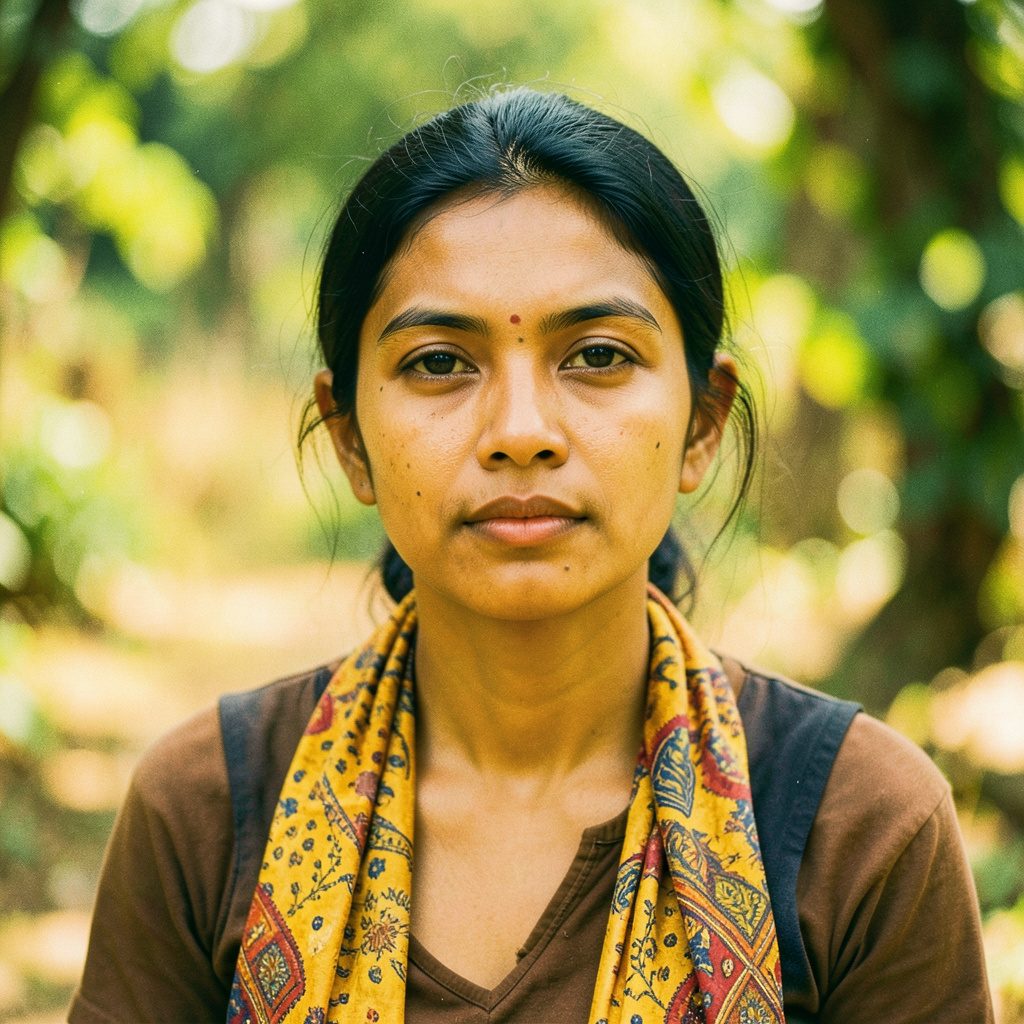
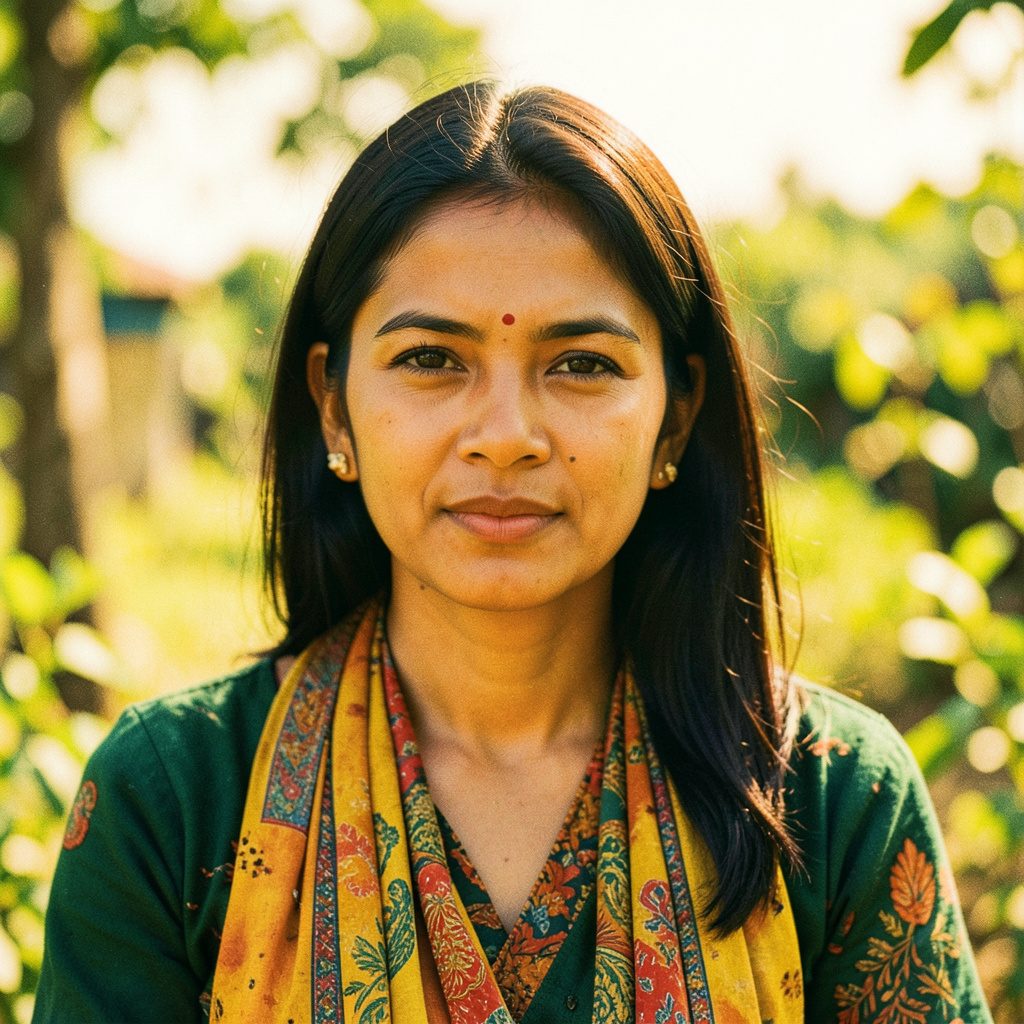
A gallery of the most elegant longyi styles worn by celebrities
A longyi, the Burmese wrap skirt, can feel instantly ceremonial while remaining rooted in ordinary Burmese life. This gallery turns that familiar wrap into a study of celebrity style: Myanmar models, actresses and public figures appear across magazine-cover portraits, fashion shoots and festive images, each revealing a different way to shape its generous fabric.
For Australian readers, the appeal of the Myanmar-model.net gallery is both visual and cultural. Its portrait collections and model-name tags provide a reference for dressing at Lunar New Year celebrations, multicultural festivals and gallery evenings, while showing Burmese clothing as a varied wardrobe rather than a single uniform.
Longyi on the public stage
The strongest images treat the longyi as a foundation for a complete silhouette. A fitted waist and long fall of fabric create a clean outline, then a crisp blouse, fitted jacket or sheer overlay changes the tone. Red, emerald, cobalt and deep purple provide the theatrical register expected at a premiere, awards night or formal launch.
Those formal looks sit beside softer presentations in the archive: patterned cotton for daytime portraits, pale lace for restrained elegance and bright florals for celebratory settings. Together, the male celebrity profiles broaden the story beyond women’s fashion, showing that the male form of the longyi, commonly called a tame, can belong in the same polished visual world.
Fabrics and colour under the camera
Silk gives the most dramatic surface. Its shifting lustre follows every fold, turning a simple wrap into a luminous shape beneath flash photography. Satin has a similar reflective character but a different weight, while soft jersey and cotton absorb light and keep the outline quieter. These distinctions become especially clear when one jewel-toned silhouette is photographed in several settings.
Texture adds another layer. Floral woven motifs can cover the longyi completely, whereas a narrow paisley or temple-inspired border leaves broad areas of plain colour. Lace edging, fine embroidery and small reflective details sharpen the focus around the hem or waist. Australian readers comparing formal and daytime options will find these visual cues more useful than the vague category of traditional dress.
| Longyi style | Signature features | Gallery impression | Australian setting |
|---|---|---|---|
| Paisley silk htamein | Woven motifs, fluid sheen, floor length | Rich and ceremonial | Evening reception in Sydney |
| Solid satin longyi | Clean colour, narrow border, restrained shine | Minimal and modern | Melbourne gallery opening |
| Lace-trimmed day dress | Lace edging, shaped waist, lighter fabric | Soft and polished | Lunar New Year lunch |
| Printed cotton longyi | Floral print, matte texture, practical volume | Relaxed and colourful | Adelaide festival daytime |
The details that reshape the silhouette
A longyi’s shape can change dramatically through the waist. A broad woven belt creates definition and a horizontal accent, while a slim belt follows the body more closely. Some looks let the fabric fall in uninterrupted vertical folds; others gather it into a side knot, bring one edge forward or secure a modest pleat. The choice affects both proportion and ease of movement.
Fit is a practical matter in these images, not merely an aesthetic one. The wrap needs enough length for a full fall and secure fastening for stairs, tram stops or crowded dance floors. A stop at Melbourne’s Queen Victoria Market can also sharpen that eye for texture, whether the final choice is a narrow woven belt, a metal buckle or a contrasting fabric edge.
The gallery in an Australian context
Australian audiences meet Burmese dress in many settings. Sydney’s Lunar New Year celebrations often place vivid silk beside tailored jackets, while gallery openings around the harbour favour simpler combinations with clean jewellery. Melbourne’s compact laneway galleries create another mood: a longyi with a tucked blouse and flat shoes can look assured indoors, then move easily between cafés, exhibitions and dinner.
Adelaide’s National Multicultural Festival offers a particularly useful setting for reading these styles as living dress rather than costume. Traditional outfits, modern stagewear and contemporary tailoring overlap, much as they do in the archive’s mix of red-carpet polish and relaxed portraits. Browsing by model name also lets readers follow how one personality moves between a formal appearance, a colourful festival look and an understated daytime ensemble.
A single look to carry forward
Across these photographs, elegance comes from proportion, material and a clear sense of occasion. A paisley silk wrap can command attention without extra jewellery; a monochrome longyi can look modern beside a white shirt; a boldly coloured dress can stand on its own. The most compelling combinations feel considered rather than overloaded, with texture doing the decorative work.
For anyone drawing on the archive, the useful lesson is to adapt the silhouette to Australian conditions: breathable cotton for a hot daytime event, a light layer for Melbourne’s changeable spring, and silk or satin when the evening calls for polish. The next step is to choose one archive photograph and use its fabric, colour and fastening as the specification for your next event outfit.