How Myanmar models reimagine heritage in modern photo shoots
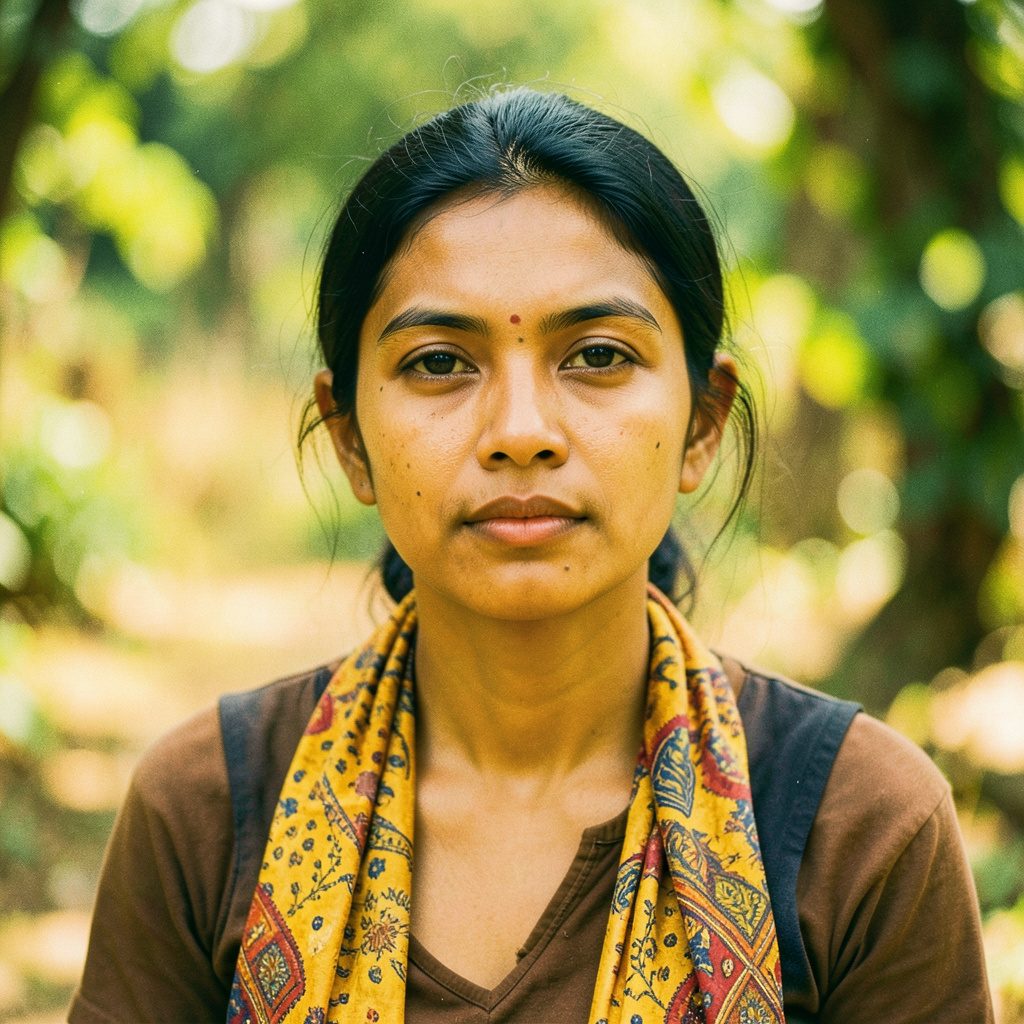
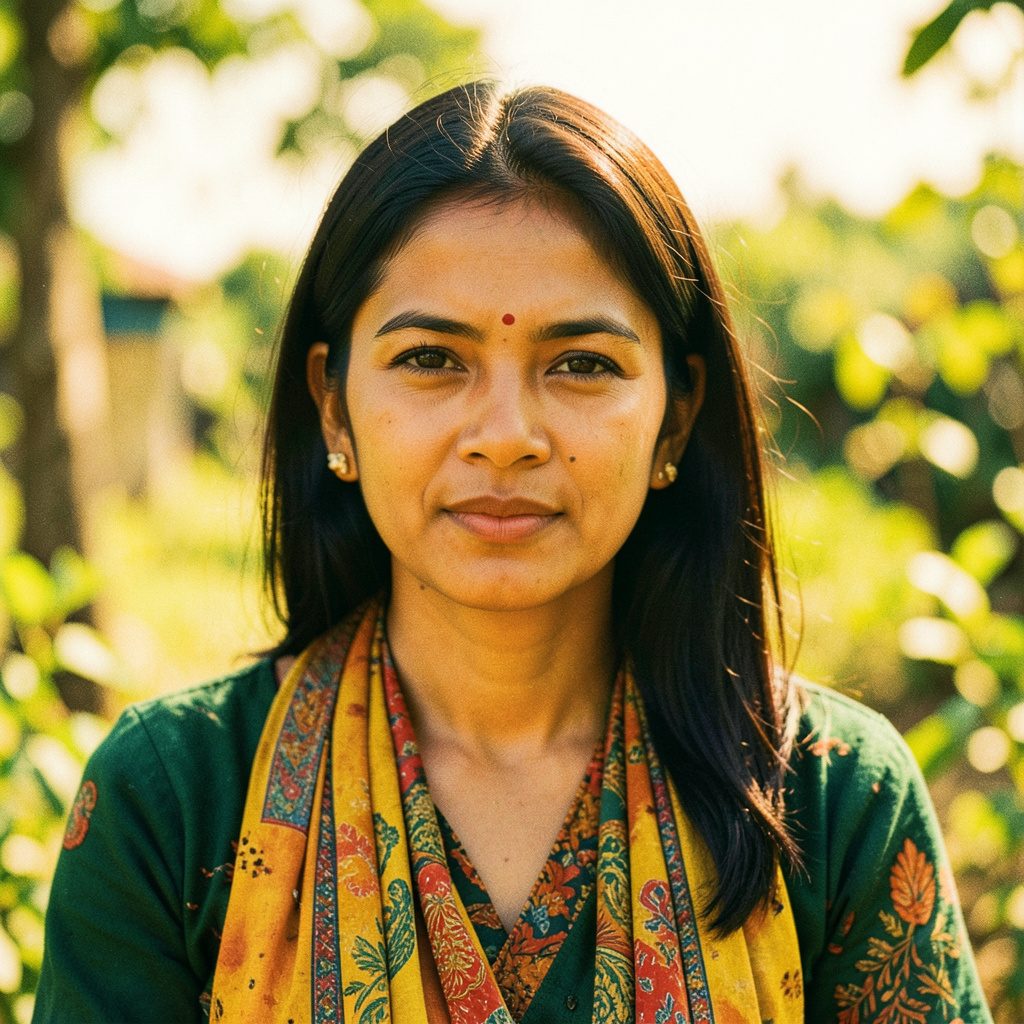
In studios from Yangon to Sydney, a generation of Myanmar models is rewriting the visual language of beauty. Heritage is no longer confined to ceremonial portraiture; it has become a living thread woven through editorial fashion, magazine covers, and contemporary concept shoots. The result feels both rooted and forward-looking, celebrating the country's diverse ethnic traditions while speaking to a global audience.
The shift has been building for years, accelerated by digital publishing, cross-border collaborations, and photographers eager to document Myanmar's sartorial memory. From the longyi and htamein to the embroidered blouses of the Chin and Kachin regions, traditional pieces are styled alongside denim, tailoring, and streetwear staples, with cultural detail used as a starting point rather than a costume.
For Australian readers browsing curated photo collections, this blended aesthetic offers a window into Myanmar's evolving identity. Audiences already familiar with similar fusion work from afterpay Australian Fashion Week and multicultural editorials in Sydney are primed to engage with the conversation unfolding across these images.
Traditional attire in studio settings
The longyi remains the most recognisable garment in any heritage-leaning shoot, and contemporary models have found ways to make it feel new. Draped in metallic fabrics, layered over wide-leg trousers, or paired with structured blazers, the wrap skirt moves easily between studio backdrops and outdoor sets. Photographers often treat the pleating and the way light catches the fabric as a graphic element, framing the model against neutral walls so the textile can carry the image.
Footwear choices signal a clear departure from purely ceremonial styling. Chunky loafers, minimalist sneakers, and platform sandals are common in modern shoots, allowing models to walk and pose with the confidence of any fashion week regular. Hair styling adds another layer, with loose waves, crown braids, and clean buns accented with fresh flowers reminiscent of the traditional thanaka-adorned look. The face is often kept relatively bare, letting natural features and clothing speak for themselves.
Choosing locations that speak of home
Outdoor shoots frequently trade glossy urban streets for temples, monasteries, lakes, and rice terraces. The Shwedagon Pagoda's gilded surfaces, the still waters of Inle Lake, and the ancient walls of Bagan all serve as quiet, powerful backdrops. Photographers time sessions around golden hour so the warm light catches the gold leaf and reflects off the model's skin, producing images that feel devotional without being static.
Urban locations are also being reimagined. Markets in Mandalay, colonial-era buildings in downtown Yangon, and graffiti-lined alleys have appeared in recent editorials, placing traditional clothing inside everyday life. For photographers working abroad, the same principle guides set design. Australian studios in Sydney's Surry Hills and Melbourne's Collingwood have hosted shoots that lean into this approach, using fabric, florals, and architectural curves to evoke a sense of place.
Accessories with cultural memory
Jewellery plays a starring role in heritage-focused shoots, often more expressive than the garments themselves. The intricate gold pieces traditionally worn for ceremonies are now styled with simpler clothing, allowing each earring, cuff, and pendant to be studied by the camera. Pieces made by Karen, Shan, and Mon silversmiths have appeared in editorials that credit the regional craftspeople behind them.
Headpieces, combs, and flowers are handled with equal care. Fresh jasmine, frangipani, and hibiscus strands rest against dark hair in shoots that nod to everyday Burmese adornment. Beaded necklines and woven sashes, once reserved for special occasions, are layered over linen shirts and slip dresses, proving that cultural detail can hold its own against minimal styling. The relationship between model and accessory often becomes the emotional centre of a frame, with a longyi knot, a draped scarf, or a lifted cluster of bangles carrying the entire mood of a series.
Makeup and hair inspired by Burmese roots
Thanaka, the pale yellow paste made from ground bark, remains the most photographed beauty detail in heritage work. Modern models wear it as soft swirls, full-face patterns, or a single stroke along the cheekbones, depending on the shoot's tone. The texture catches light in a way commercial foundations rarely do, and it signals a rootedness that resonates across cultures.
Lip colours tend toward warm reds, deep berries, and muted browns, drawing on the colour palettes seen in traditional textiles, while eye makeup stays understated. Hair choices vary widely, with sleek blowouts sitting comfortably next to crown braids, floral accents, and short pixie cuts. The overall effect is a beauty language that borrows from Myanmar's everyday rituals while keeping the camera's attention on the model's presence.
Crossing borders: Myanmar models in Australian fashion
Australia's fashion scene has long been shaped by its Southeast Asian diaspora, and Sydney in particular has become a meeting point for Australian and Myanmar creative talent. Models of Burmese heritage walk in local showcases, appear in editorials for titles such as Yen Magazine and Rolling Stone Australia, and contribute to brand campaigns that speak to a multicultural readership. Melbourne's independent fashion community has also opened doors, with stylists and photographers collaborating on shoots that draw from both cities' visual vocabularies.
International exposure has encouraged Myanmar models to take ownership of their cultural references. Rather than waiting for overseas editors to assign them ethnic-coded roles, they propose shoots that combine Western fashion houses with their own traditional pieces. For readers interested in how this movement is shaping global beauty conversations, redefining beauty standards offers a useful overview of the editorial shifts now underway. The themes overlap with local Australian features on multicultural representation, which suggests the conversation has only just begun.
Curated archives for the heritage-curious viewer
Photo archives dedicated to Myanmar models have grown into rich visual resources. Sites that organise galleries by model, theme, and editorial style make it easy to follow a single photographer's body of work or trace a particular cultural motif across multiple shoots. Tags for traditional clothing, regional accessories, and contemporary styling help readers find exactly the references they need.
For stylists, art directors, and curious fans alike, these archives function as mood boards, study guides, and inspiration libraries. They capture moments that would otherwise live only on social feeds or inside magazine pages, and they preserve details of costume, lighting, and pose that shape the next generation of shoots. Australian readers planning photo projects of their own can treat these galleries as practical references, studying how a longyi drapes in a controlled studio, how thanaka catches the camera flash, or how a Shan headdress frames the face.
Visual touches that light up a heritage shoot
- Use thanaka or floral accents as a focal point and keep other makeup minimal
- Pair a traditional wrap with modern footwear to create visual contrast
- Choose locations that anchor the story, from a temple courtyard to a textured urban wall
- Credit regional silversmiths and textile makers in styling notes to honour craft
- Lean on natural light during golden hour for a warm, devotional mood across the series
The strongest heritage shoots treat culture as something alive rather than archived, and the photographers, stylists, and models behind this work are proving that point with every frame. Australian readers can carry that spirit into their own creative projects by paying close attention to the small details that anchor a story, from a carefully tied knot to a single bloom in the hair, and by treating each image as both a personal expression and a quiet record of where the model has come from.