How Myanmar Models Are Redefining Beauty Standards
Beauty standards are shifting as audiences see a wider range of faces, body types, skin tones, styling choices, and cultural identities in fashion imagery. Myanmar models are contributing to this change through magazine covers, studio portraits, runway work, and photographs that present heritage as part of contemporary beauty.
Their influence is especially visible in editorial collections, where a model’s expression, clothing, posture, and personal character matter as much as conventional glamour. A photo archive such as Myanmar-model.net makes these visual developments easier to follow by bringing together models, actresses, celebrities, and fashion personalities.
For Australian audiences, this perspective connects with a familiar cultural reality. Sydney, Melbourne, Brisbane, and Perth have highly multicultural audiences, while everyday media habits increasingly involve scrolling through image-led platforms, comparing local and international fashion, and looking for representation that feels authentic rather than manufactured.
| Earlier Narrow Ideal | Emerging Direction |
|---|---|
| A limited range of facial features and body proportions | Broader representation of age, appearance, and personal style |
| Western styling treated as the default | Local dress, beauty traditions, and regional influences included |
| A model presented mainly as a product | Personality, confidence, and cultural identity made visible |
| Highly retouched images | Greater interest in texture, expression, and editorial realism |
| Beauty judged by one commercial formula | Beauty understood through many social and cultural viewpoints |
Moving Beyond A Single Beauty Template
Myanmar fashion imagery demonstrates that attractiveness cannot be reduced to one international formula. Distinctive facial features, natural skin tones, expressive eyes, and individual proportions can become central elements of a visual identity rather than details to be altered.
This matters because global fashion has often favoured a narrow look shaped by European and North American advertising. Contemporary Myanmar models offer a different reference point. Their appearances show how elegance can be communicated through poise, warmth, intensity, playfulness, or restraint.
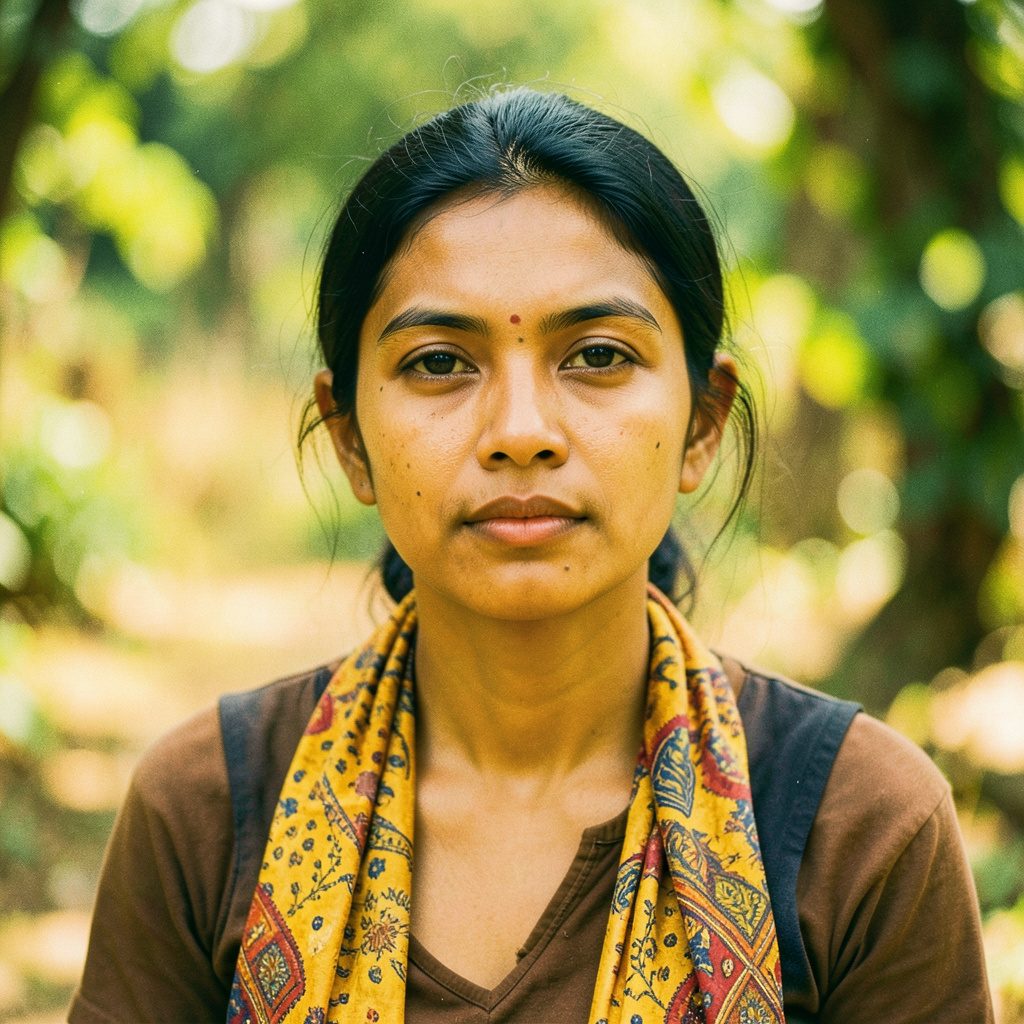
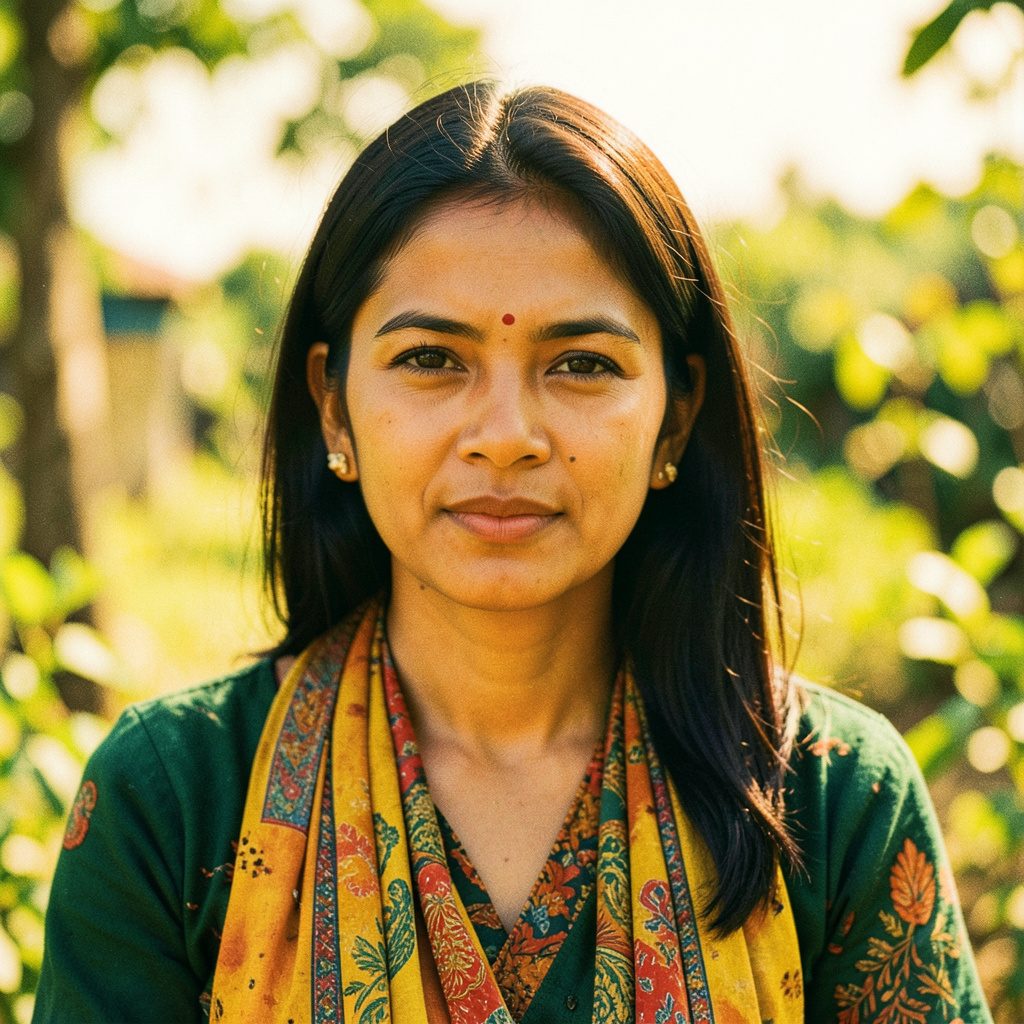
Editorial photography is particularly effective at presenting this variety. A close portrait can give attention to expression and character, while a full fashion image can show how movement, tailoring, and posture influence the way beauty is perceived.
Traditional Clothing As A Modern Style Language
Traditional Burmese clothing brings colour, texture, and structure into fashion imagery. The longyi, patterned fabrics, woven details, and carefully arranged accessories can create a polished visual language that feels culturally specific without appearing old-fashioned.
Models wearing traditional dress are often photographed with contemporary lighting, modern makeup, and clean studio composition. This combination allows cultural clothing to function as fashion, identity, and storytelling at the same time. Heritage becomes part of a living wardrobe rather than a costume reserved for formal occasions.
Australian readers may recognise a similar pattern in local multicultural fashion. Designers and models in Melbourne or Sydney frequently combine cultural garments with modern silhouettes, streetwear, or minimalist styling. The result reflects an Australian market that increasingly values personal background as part of creative expression.
Regional Identity And Wider Representation
Myanmar contains many ethnic communities and regional traditions, so the country’s beauty landscape is more varied than a single national image can suggest. Fashion and portrait collections can hint at this range through hairstyles, textiles, jewellery, makeup choices, and the visual atmosphere surrounding each subject.
Greater visibility matters when audiences see models as individuals rather than as interchangeable examples of an exotic category. A strong portrait can communicate confidence and professionalism while leaving room for the model’s own identity, rather than forcing her into a simplified cultural role.
This principle also applies to Australia’s media environment. Audiences in Western Sydney, northern Melbourne, and other culturally diverse areas are accustomed to seeing multiple languages, family backgrounds, and traditions in daily life. Fashion imagery that reflects this complexity is more likely to feel relevant and credible.
The Editorial Image As A Record Of Change
A photo-focused archive preserves more than attractive pictures. It records changes in makeup, hair, clothing, studio design, celebrity culture, and the kinds of personalities that receive public attention. Looking across older and newer collections can reveal how ideas about femininity and glamour evolve.
Magazine covers are useful examples because they condense a period’s visual preferences into a single image. Lighting, retouching, typography, pose, and wardrobe all communicate what editors believed would attract readers. Comparing these elements over time can show a movement from rigid presentation towards more varied and personality-led styling.
This archival role is valuable for Australian viewers who follow international fashion without travelling. Online galleries make it possible to study Myanmar’s creative scene alongside Australian magazines, local designers, and global campaigns, creating a broader understanding of Asian beauty and fashion.
Why Authenticity Has Greater Cultural Weight
Audiences are becoming more aware of digital retouching and commercial image-making. While professional styling remains important, viewers often respond strongly to photographs that retain individuality: visible skin texture, distinctive expressions, relaxed poses, and clothing that appears connected to the model’s personality.
Authenticity does not mean avoiding makeup, lighting, or artistic direction. It means allowing the image to communicate a recognisable person rather than presenting an unreachable fantasy. Myanmar models can redefine beauty standards by showing that polish and cultural specificity can exist together.
Australian consumers are also surrounded by advertising rules and public discussion about responsible representation. The Australian Association of National Advertisers’ Code of Ethics addresses matters such as discrimination and harmful portrayals, while the Australian Consumer Law prohibits misleading commercial conduct. Editorial photography is not identical to advertising, but these standards reinforce the importance of honest visual communication.
Signals Of A More Inclusive Image
The most meaningful changes are often visible in small creative decisions. A gallery may broaden beauty standards when it gives space to different moods, styling approaches, and forms of confidence instead of repeating the same pose or expression.
When viewing Myanmar fashion collections, useful signals include:
- Distinctive features presented as strengths rather than corrected flaws
- Traditional fabrics styled with contemporary tailoring or photography
- A range of ages, personalities, and professional identities
- Portraits that show expression and character beyond surface glamour
- Styling that respects cultural context instead of using it as decoration
These details also help Australian readers assess images thoughtfully. A model’s popularity does not automatically make a photograph representative, but repeated visibility across varied editorials can gradually expand what audiences recognise as fashionable, elegant, and aspirational.
Building A Broader Visual Vocabulary
Myanmar models are redefining beauty standards through presence, variety, and cultural confidence. Their work challenges the assumption that international appeal requires removing local identity or copying a Western template. Instead, it shows that beauty can travel across borders while retaining its original character.
For Australians, these images offer a useful way to understand fashion as a meeting point between personal style and social change. They can be viewed alongside the multicultural realities of Australian cities, the country’s growing interest in Asian creative industries, and everyday habits shaped by image-led digital media.
The practical takeaway is simple: judge fashion imagery by the range of identities and stories it makes visible, not by how closely every model fits one inherited idea of beauty.