Behind the camera: photographers shaping Myanmar’s fashion image
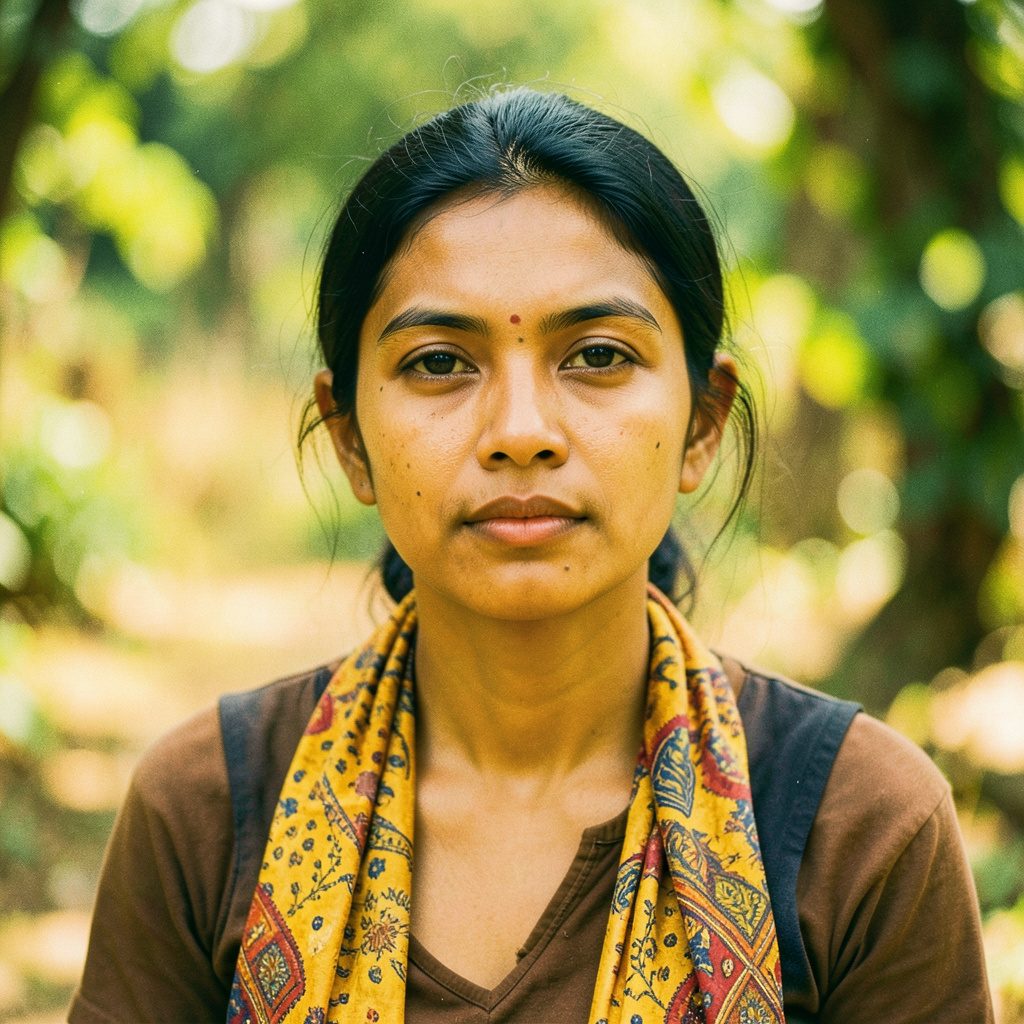
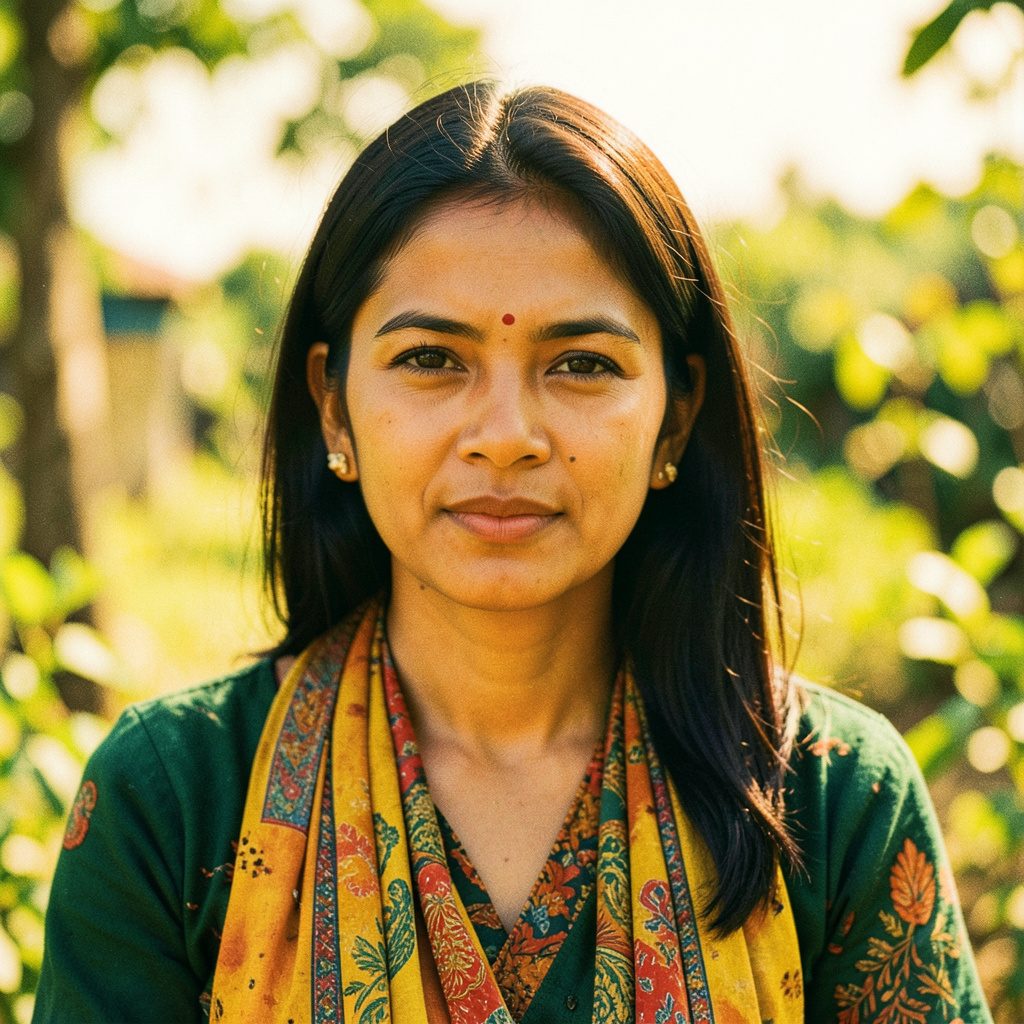
Fashion photography does more than record clothing and appearance. It creates a visual language for a place, deciding how faces, fabrics, bodies, landscapes and urban spaces will be remembered. In Myanmar, photographers help translate local style into magazine covers, portrait series, advertising campaigns and social media images that can travel far beyond the original shoot.
Their work is especially significant in a media environment where a single portrait may become a public reference point. A carefully lit image can make traditional dress feel contemporary, present a new idea of glamour or establish a model’s identity across several editorial seasons. The photographer is often less visible than the person in front of the lens, yet their choices shape the entire impression.
For audiences in Australia, Myanmar fashion imagery can be viewed through familiar channels: mobile scrolling, digital magazines, celebrity features and carefully styled streetwear. A reader in Melbourne might notice how a silk longyi is framed against concrete architecture, while someone in Sydney may recognise the same visual tension between heritage clothing and modern city life.
Photo archives such as Myanmar-model.net preserve these shifts by bringing together portraits, fashion shoots, magazine covers and celebrity galleries. They show that style history is made through repeated images, and that photographers are central to deciding which details become memorable.
The photographer as visual translator
A fashion photographer translates a garment into mood. Colour, texture, cropping and posture can make the same outfit appear formal, youthful, dramatic or intimate. This is particularly important when traditional Myanmar clothing is photographed for an audience that may not know its cultural context.
The work involves a series of quiet decisions. A longyi can be shown as an everyday garment, a symbol of elegance or a graphic element within a high-fashion composition. Jewellery, thanaka, woven fabric and ceremonial details all carry meaning, so the photographer must balance visual impact with cultural sensitivity.
Light, location and the character of a city
Location photography gives fashion images a sense of place. Yangon’s colonial streets, modern cafés and dense commercial areas can create a different atmosphere from Mandalay’s broad roads or a quieter domestic interior. The background is never simply decoration; it can suggest class, movement, memory or the relationship between tradition and contemporary life.
Lighting changes that message again. Natural daylight may emphasise skin, fabric and atmosphere, while studio lighting can produce a polished international look. Photographers who understand Myanmar’s climate, architecture and everyday rhythm can create images that feel grounded rather than copied from overseas campaigns.
Building a public identity
For models and actresses, a photo series can establish a recognisable public identity. A photographer may emphasise confidence, softness, wit, reserve or authority, helping an emerging performer move from personal publicity into a defined fashion profile. The strongest images often give a person room to appear distinctive rather than simply attractive.
This process can be seen in the changing presentation of well-known figures. A useful example is the record of May Myat Noe’s fashion evolution, where styling, posing and editorial context reveal how a celebrity image develops over time. The photographer’s role is visible in the consistency and progression of those visual choices.
From magazine pages to mobile screens
Myanmar fashion photography once depended heavily on print circulation, studio portfolios and entertainment magazines. Today, images can move quickly through Facebook, Instagram, video platforms and messaging apps. A cover shoot may be viewed on a phone in Yangon, shared by a diaspora community in Perth and discussed by fashion followers in Melbourne within the same day.
This shift changes the way photographs are made. Vertical crops, thumbnail impact and rapid publishing now matter alongside print quality. Yet digital speed also makes archiving more important. Editorial collections and model tags provide a way to follow changing looks when social media feeds become difficult to search.
Craft, collaboration and trust
The finished photograph depends on a group of people. Stylists select garments, makeup artists refine features, assistants manage equipment, editors shape the sequence and models contribute their own interpretation. Photographers guide these elements without erasing the subject’s personality.
Trust is essential, especially when the shoot involves public figures or culturally significant clothing. Clear communication about mood, poses, retouching and publication helps protect everyone involved. In Australia, fashion professionals also work within expectations shaped by privacy principles, copyright law and agreements governing image use. Those standards are useful reference points for any cross-border editorial project.
The regional market and Australian perspective
Australia offers a practical comparison because its fashion market combines global labels, independent designers, multicultural influences and strong local media scenes. Sydney often foregrounds commercial campaigns and beach-oriented imagery, while Melbourne’s editorial culture tends to favour experimentation, vintage references and street style. Myanmar photographers can draw from these visual languages without losing their own cultural point of view.
Everyday Australian habits also affect how images are received. Commuters browse fashion galleries on phones, audiences compare campaign images across platforms and shoppers discover designers through short-form video before visiting a store. Local photographers must consider consent, model releases, copyright ownership and the rules surrounding advertising claims, particularly when an image promotes a product or paid partnership.
For readers seeking broader visual references, editorial fashion archives can sit alongside Myanmar-focused collections as part of a wider study of posing, styling and image-making. The comparison is most valuable when it reveals difference: a pose that feels familiar in Sydney may communicate another social idea in Yangon.
Preserving a changing fashion history
An image archive gives fashion photography a longer life than a single campaign cycle. By organising photographs through names, tags, popular posts and recent collections, a site can show how a model’s appearance changes and how national style moves through different periods. The archive becomes a record of creative decisions, rather than a random pile of attractive pictures.
Preservation also matters because digital images are vulnerable to disappearance. Accounts close, links break and original files may be compressed or removed. Carefully maintained galleries retain evidence of photographers’ approaches to portraiture, styling and visual storytelling, giving future audiences a way to study Myanmar fashion on its own terms.
Photographers shape Myanmar’s fashion image through every frame: the distance from the subject, the choice of light, the visible texture of a fabric and the cultural signals placed in the background. The reader should remember that a fashion photograph is never just a picture of clothing or a celebrity; it is also a record of who controlled the gaze, how identity was presented and what a culture chose to make visible.