Celebrity spotlight: the fashion evolution of May Myat Noe
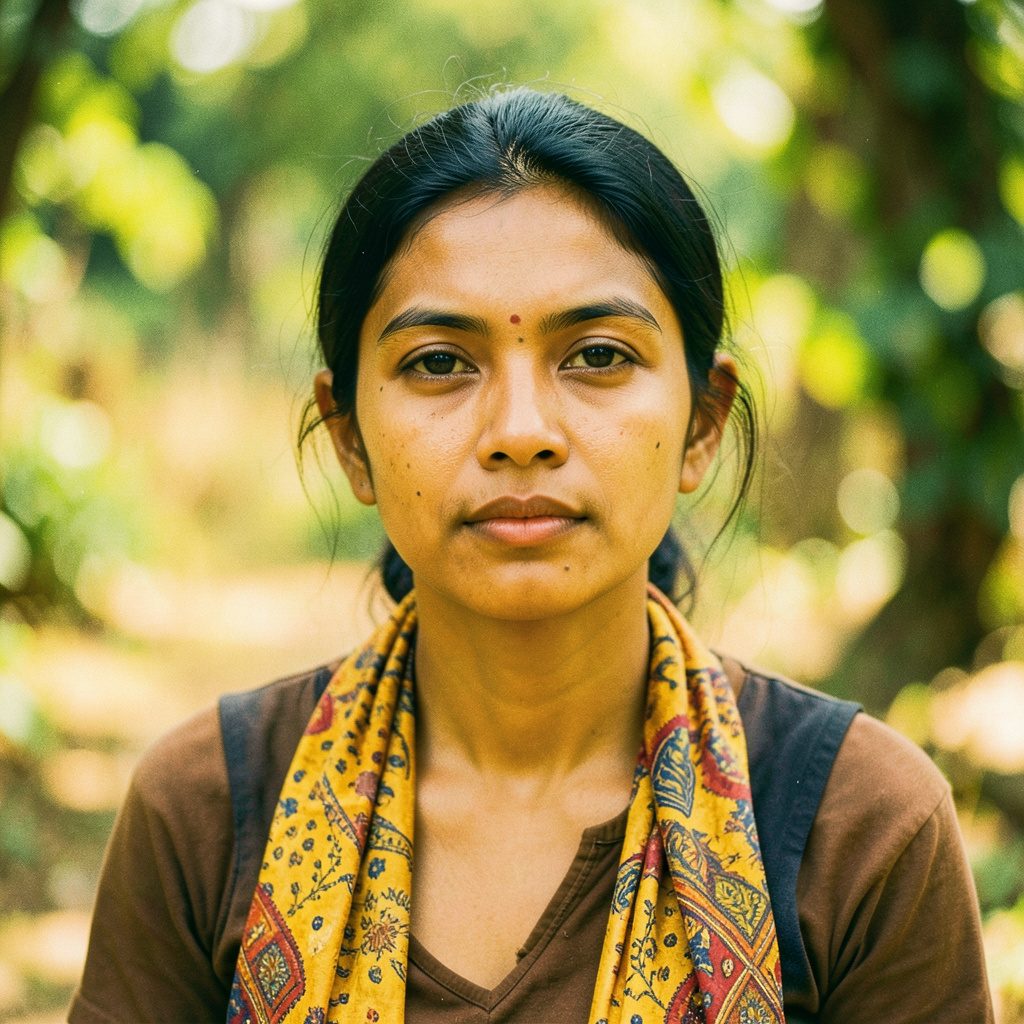
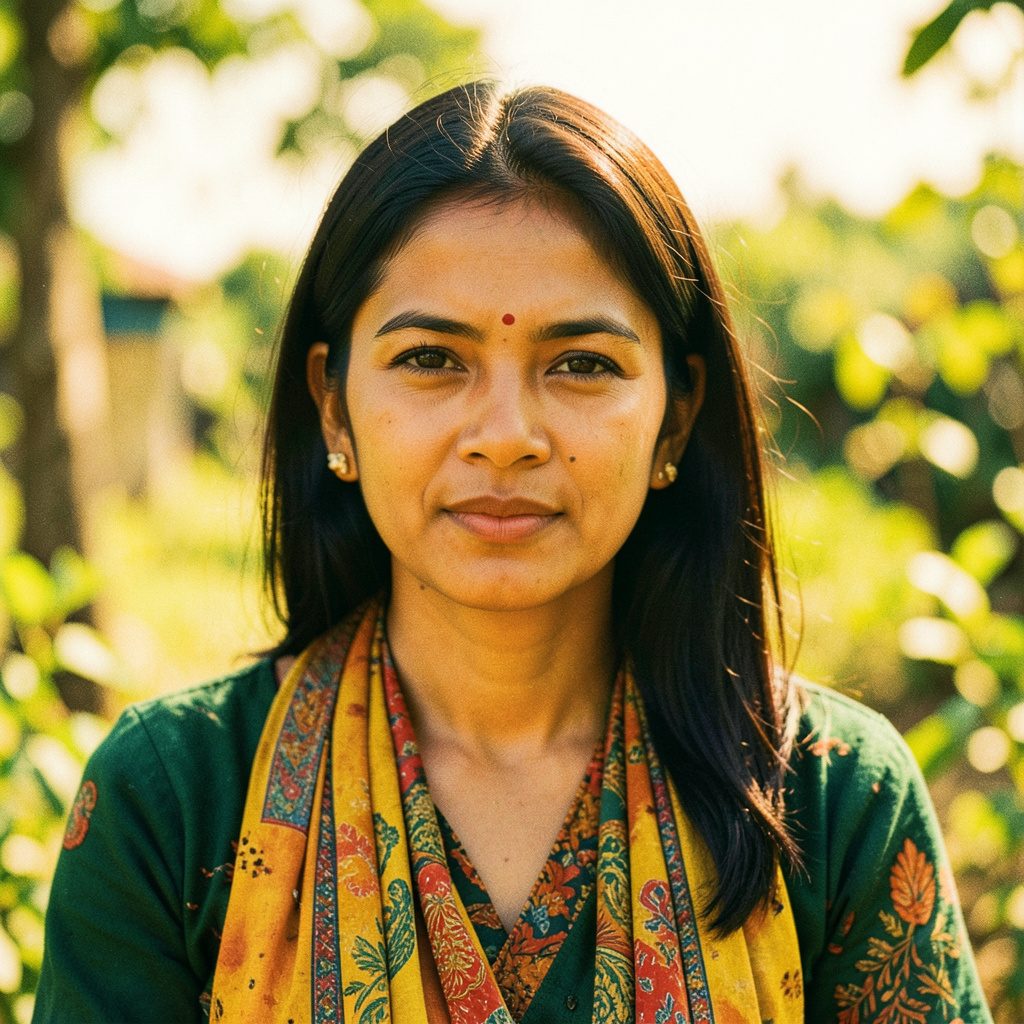
Few figures from Myanmar's modern entertainment scene have drawn as much attention as May Myat Noe, a Yangon-born actress and model whose career has unfolded across film sets, magazine studios, and public appearances. Once a teen pageant contestant, she later became a recognizable face on regional television, with her image circulated across social platforms and print publications. Her name regularly appears in editorial photo archives that track the rise of contemporary Burmese style alongside other regional personalities.
Australia has developed its own fascination with Southeast Asian fashion talent, partly because cities like Sydney and Melbourne host designers with family ties across the region. Events such as Melbourne Fashion Week and Sydney's annual runway calendar often feature work influenced by Myanmar, Thailand, and Vietnam, and Australian magazines including Vogue Australia have profiled emerging Asian talents. Burmese longyi-inspired pieces have also started appearing in Melbourne boutiques, showing how cultural exchange flows in both directions.
From a journalistic standpoint, May Myat Noe's public appearances have been tracked carefully by entertainment outlets, and her editorial work has been catalogued in the same way Australian media follows figures such as Kylie Minogue for fashion analysis. The Australian Consumer Law, administered by the ACCC, also shapes how fashion brands market collaborations with celebrities, requiring transparent disclosure when sponsored imagery is published.
For international observers, May Myat Noe represents a bridge between traditional Burmese aesthetics and the globalized look favoured by Asian entertainment hubs. Her willingness to experiment has made her a frequent subject in fashion retrospectives, including the photo-led collections featured on editorial archives such as myanmar-model.net. The following sections trace how her visual identity has shifted from pageant gowns to streetwear and red-carpet glamour.
Roots in Mandalay and the move to Yangon
May Myat Noe was born in Mandalay, Myanmar's cultural heart, where classical dance and traditional dress remain woven into daily life. Her early exposure to ceremonial attire, including embroidered blouses and gold-threaded htamein, gave her an instinctive understanding of how fabric frames posture and expression. Family photographs from this period often show her in longyi styles paired with simple blouses, a look Australian readers may recognize as visually similar to wrap skirts worn by artists in Byron Bay and Fremantle.
After secondary school, she entered a regional beauty competition that brought her to Yangon, a city with a fast-growing modeling industry. Within a few years she was booking commercial campaigns, soap opera roles, and magazine editorials. Her transition mirrored the path taken by many Australian models who move from Adelaide or Perth toward Sydney's larger commercial market.
Australian agencies working with Burmese talent often note that pageant experience provides strong training in poise, an asset when dealing with high-pressure editorial shoots. May Myat Noe's background helped her adapt quickly to studio lighting and stylists. By her early twenties she had developed the camera presence that international publications prize.
Magazine covers and editorial breakthroughs
Her first major cover appearance signalled a shift in how Burmese fashion photography was perceived abroad. She posed in studio settings that combined local craftsmanship with global styling cues, including structured blazers, minimalist jewelry, and neutral palettes common in contemporary editorials. The shoot was widely republished in online galleries, giving her exposure far beyond Myanmar's borders.
Editors in Singapore and Hong Kong began inviting her for feature spreads, often pairing her with photographers known for working across Asia and Australia. Australian photographers who travel regularly between Sydney, Tokyo, and Bangkok have cited similar cross-cultural shoots as benchmarks. Her ability to project both vulnerability and strength on camera made her a reliable choice for cover stories exploring identity and tradition.
The editorial archive on myanmar-model.net documents many of these moments, presenting them alongside other regional figures and offering a visual timeline of Burmese celebrity style. For Australian fashion students researching Asian editorial work, the site functions as a reference library, much like the digital collections held at the Whitehouse Institute of Design in Melbourne.
Traditional dress meets contemporary streetwear
A defining chapter of May Myat Noe's style evolution arrived when she began merging traditional Burmese garments with contemporary streetwear. She was photographed pairing htamein with oversized denim jackets, crisp white sneakers, and statement sunglasses, a combination that felt fresh without abandoning cultural roots. The aesthetic echoes what Australian designers have explored through collaborations with Indigenous-owned labels, where heritage and modern silhouette coexist.
Her streetwear period coincided with the global sneaker boom, when trainers became acceptable in editorial and red-carpet contexts. Stylists working with her drew on insights from resources covering trainer styling, such as sneaker pairing guides, which break down how different silhouettes work with skirts, trousers, and traditional wrap garments. The combination of cultural dress and athletic footwear created a hybrid look that younger Burmese influencers soon adopted.
Signature elements of her fusion looks
- Embroidered htamein paired with oversized denim or bomber jackets
- Statement sunglasses balanced with traditional gold jewelry
- White low-top sneakers styled alongside silk wrap skirts
- Neutral monochrome palettes lifted by a single bold accessory
Australian readers might notice parallels with how Melbourne stylists have layered European trainers over silk dresses, or how Sydney fashion week street style routinely mixes heritage prints with athletic gear.
Red carpet reinvention and regional influence
By the time she began attending major film festivals and awards ceremonies across Asia, May Myat Noe's red carpet wardrobe had grown bolder. She moved from pastel gowns toward custom designs featuring handwoven Burmese textiles, beaded bodices, and architectural cuts. Several of these looks were styled by teams that had previously dressed celebrities attending events at Sydney's State Theatre and Brisbane's Gallery of Modern Art.
Her choices drew attention from regional media outlets, which praised her for spotlightting local weavers. Australian fashion reporters covering the Asian circuit have compared her approach to designers who incorporate Aboriginal art into haute couture, a practice supported by the Australia Council for the Arts. Both cases show how celebrity platforms can elevate heritage craftsmanship when handled with respect.
The influence has been measurable. Search trends for Burmese textiles in Australian online fashion retailers rose after her high-profile appearances, and several Melbourne boutiques began stocking pieces echoing her fusion aesthetic. Her image is now regularly referenced in trend reports published by Australian fashion consultancies.
Legacy and ongoing fashion projects
May Myat Noe continues to shape conversations around what Burmese celebrity style can look like in a globalized media landscape. Recent projects include collaborations with local accessory designers and a growing interest in sustainable fashion, themes that resonate with Australian readers familiar with circular fashion initiatives in Hobart and Adelaide. Her social media presence remains a useful case study for marketing students examining how celebrities balance brand partnerships with personal authenticity.
Defining fashion moments
- First national magazine cover featuring fusion htamein tailoring
- Regional film festival appearance in a handwoven couture gown
- Viral street-style photo that sparked Myanmar's sneaker-with-traditional-skirt trend
The fashion industry in Australia is governed by strict labelling standards under the Australian Consumer Law, and any future collaborations involving her image would need to meet those disclosure rules. A useful next step is to bookmark the editorial galleries on myanmar-model.net and revisit them seasonally, comparing the styling, photography, and cultural references against Australian fashion week reports to track how regional trends continue to inform one another.