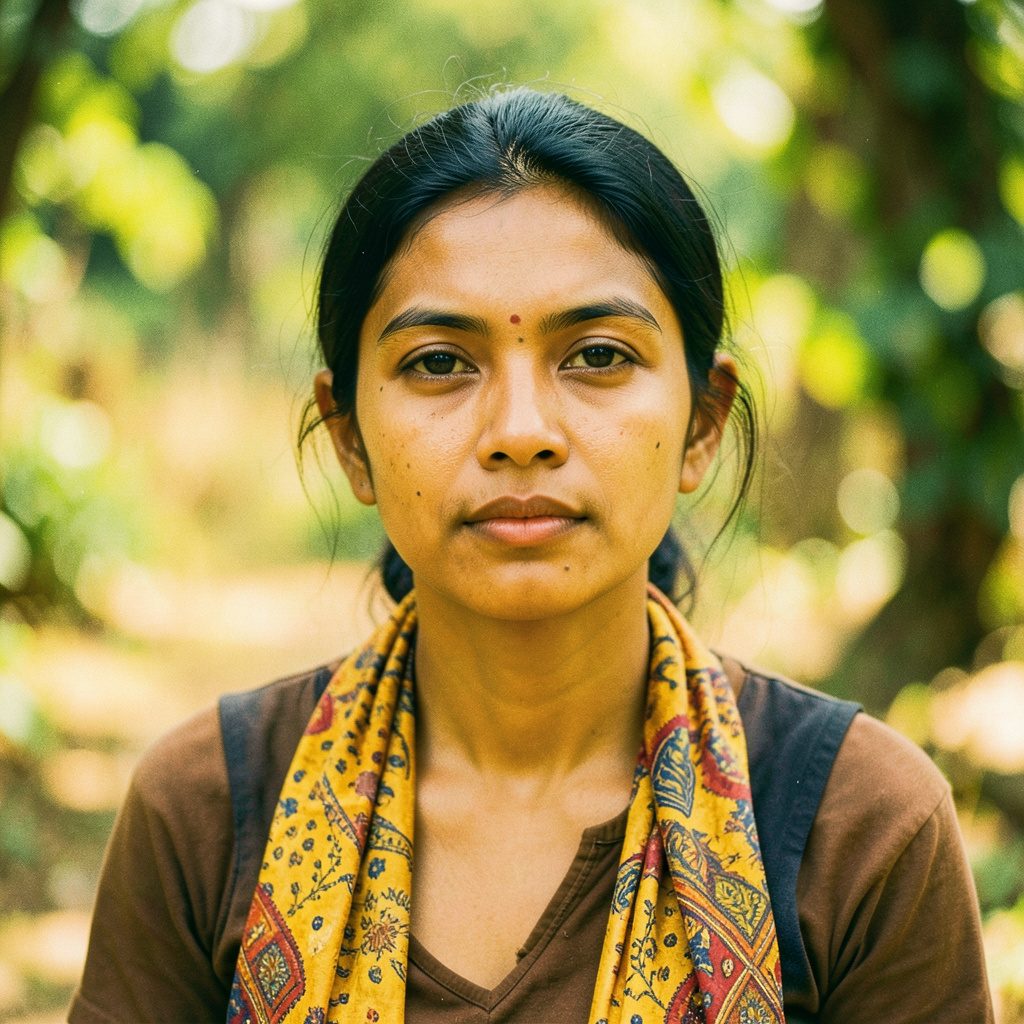
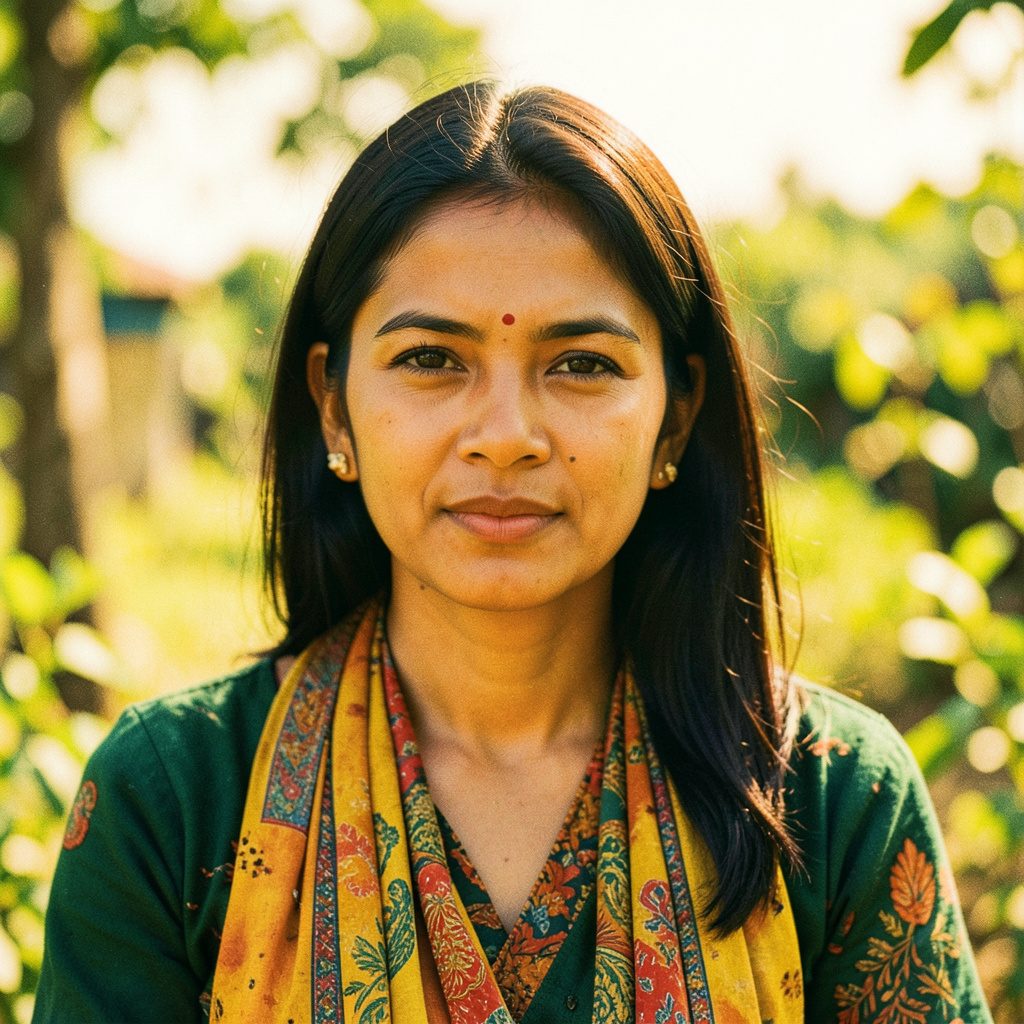
A gallery of Myanmar models in floral patterns
Floral prints bring a lively rhythm to portrait photography, especially when they are placed beside Myanmar’s distinctive textile traditions. In this gallery, flowers appear across longyi fabrics, fitted dresses, soft blouses and statement accessories, giving each image a clear connection to colour, place and personal style.
The appeal lies in the variety of the photographs. Some portraits use large tropical blooms against a plain studio background, while others show delicate petals woven into traditional garments. Magazine-style poses, outdoor light and close-up beauty images create a visual archive that feels both polished and intimate.
For Australian viewers, the imagery offers an accessible way to explore Myanmar fashion without reducing it to a single look. The collections can appeal to readers in Sydney and Melbourne who follow Asian fashion editorials, as well as audiences in Brisbane, Perth and Adelaide interested in regional design, beauty and cultural photography.
This gallery also shows how floral styling changes with the setting. A formal portrait may pair a vivid flower print with restrained jewellery, while a contemporary fashion shoot may use bold makeup, modern tailoring and dramatic lighting. Together, these details reveal the broad range of Myanmar models, actresses and fashion personalities featured in the archive.
Flowers between tradition and modern style
Traditional clothing gives floral patterns a strong cultural foundation. A patterned longyi can carry the visual weight of an entire portrait, particularly when its colours are echoed in the model’s blouse, earrings or hair accessories. The result is balanced rather than overloaded, with the fabric becoming part of the subject’s identity.
The relationship between heritage and current styling is explored further in this fashion contrast feature. It helps explain why a floral garment can feel ceremonial in one image and distinctly modern in another, depending on the cut, pose, location and photographic treatment.
Myanmar designers often work with saturated reds, pinks, greens, yellows and indigo tones, all of which photograph well under controlled studio lighting. Small-scale floral motifs can produce a softer, graceful mood, while oversized blossoms create a confident editorial statement suited to magazine covers and promotional portraits.
Portrait details that make patterns memorable
A floral image succeeds through more than the garment itself. The model’s expression, posture and eye line determine whether the photograph feels relaxed, elegant, playful or dramatic. Close framing can make a sleeve pattern or embroidered neckline appear almost painterly, drawing attention to the craftsmanship.
Hair and makeup also influence the reading of a print. Sleek hair can make a busy dress appear contemporary, while loose waves or a traditional updo may reinforce a romantic mood. Gold jewellery, flower-shaped earrings and carefully selected lip colour often connect the styling elements without competing with the fabric.
For viewers in Australia, these details have a familiar relevance because floral dressing shifts with climate and occasion. Lightweight prints suit a warm Brisbane afternoon, while a structured floral jacket may feel more appropriate for a Melbourne fashion event. The same visual language can move easily from a summer editorial to an evening portrait.
From magazine covers to personal style
Magazine covers frequently use floral fashion because it communicates energy at a glance. A strong print remains visible when the cover is viewed as a small image online, while a carefully framed face gives the publication an immediate focal point. This makes floral styling effective for celebrity features, beauty stories and seasonal fashion issues.
Inside a broader photo archive, however, the quieter images can be just as compelling. A simple portrait in a patterned blouse may reveal how an actress carries herself away from a highly produced cover shoot. Differences in lighting, wardrobe and expression allow audiences to see the person behind the promotional image.
Australian readers may recognise the same contrast in local fashion media, where a cover image is often more stylised than a street-style photograph. Sydney editorial work tends to embrace polished studio production, while Melbourne audiences often respond to layered styling, vintage references and a more experimental approach to colour.
Colour, climate and visual mood
Floral clothing naturally suggests gardens, seasonal change and outdoor life, yet the mood depends on the palette. Pale blossoms against cream or powder blue create an airy look, whereas dark backgrounds with scarlet or orange flowers produce a more theatrical atmosphere. Photographers can shift the emotional tone simply by changing the backdrop and light.
Myanmar’s tropical environment gives many floral images an especially vivid quality. Rich colour feels at home beside greenery, warm sunlight and textured architecture. When the setting is kept minimal, the garment becomes the landscape, allowing viewers to focus on pattern, drape and silhouette.
That quality can resonate in Australia’s own summer fashion market, from resort collections on the Gold Coast to lightweight occasionwear sold through independent boutiques. Floral prints are also common at weekend markets in Sydney and Melbourne, where shoppers often look for breathable fabrics and distinctive pieces that work in hot weather.
Building a visual archive for today’s audience
An organised collection makes it easier to compare different approaches to floral fashion. Tags, model names, popular posts and latest uploads can reveal recurring colours, designers and styling choices. A reader may begin with a portrait gallery and then move towards magazine covers, traditional clothing or related celebrity features.
External fashion references can add context when studying the styling language across regions. A useful source for broader fashion styling ideas can be read alongside the Myanmar image collections, especially when comparing colour coordination, accessories and seasonal presentation. The photographs remain the focus, while the wider reference helps place them within contemporary fashion culture.
For the Australian market, digital archives are particularly valuable because they make international editorial work available without requiring a trip to Yangon or Mandalay. They also suit mobile browsing, which is common when readers discover visual stories through social feeds, search results or links shared by friends.
The strongest images invite a slower look. A viewer may first notice a bright floral dress, then see the matching bracelet, the direction of the light or the way the background echoes the fabric. Those layers give the gallery lasting interest and make it more than a simple catalogue of outfits.
Floral patterns provide a natural thread through Myanmar portrait photography, connecting traditional textiles with current beauty and celebrity styling. They can be delicate or dramatic, formal or relaxed, familiar or unexpected. Begin by opening a traditional-clothing portrait, then compare its floral colours and accessories with a contemporary magazine-style image.