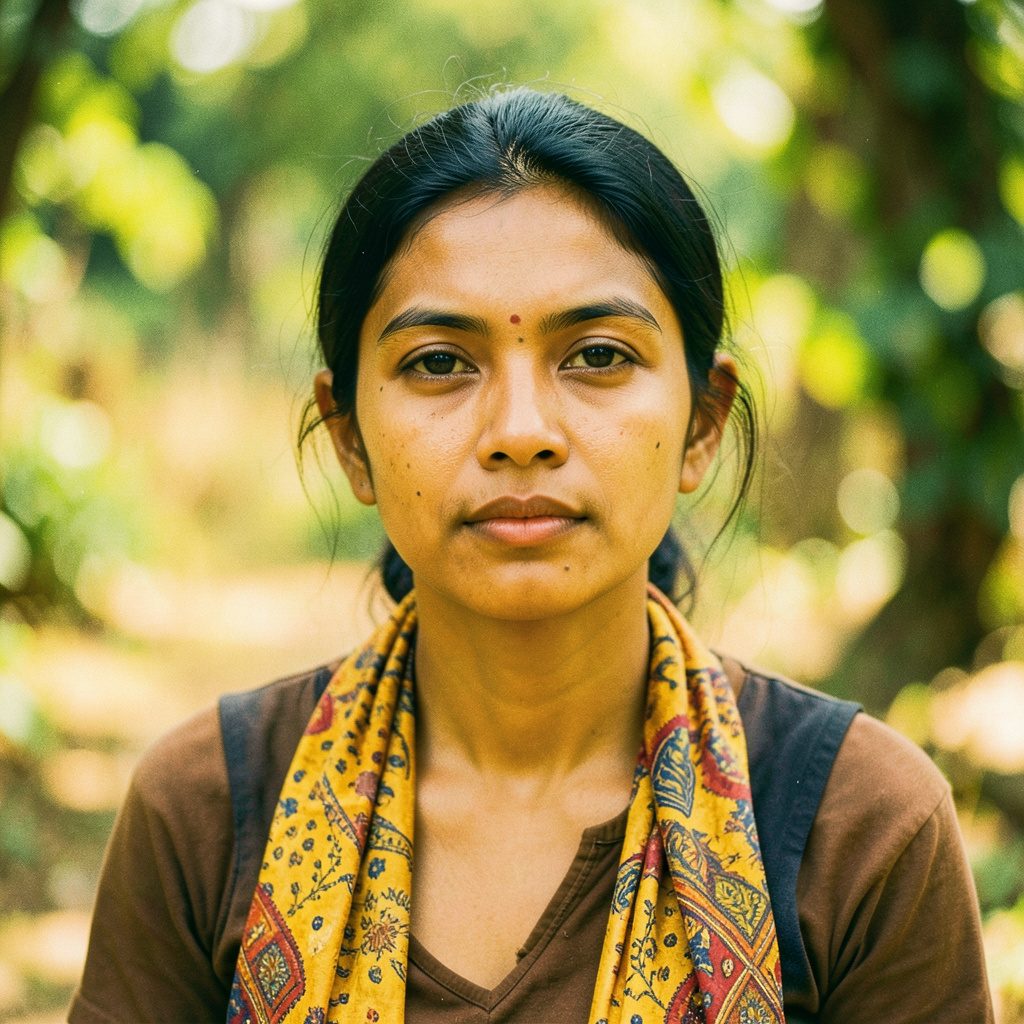
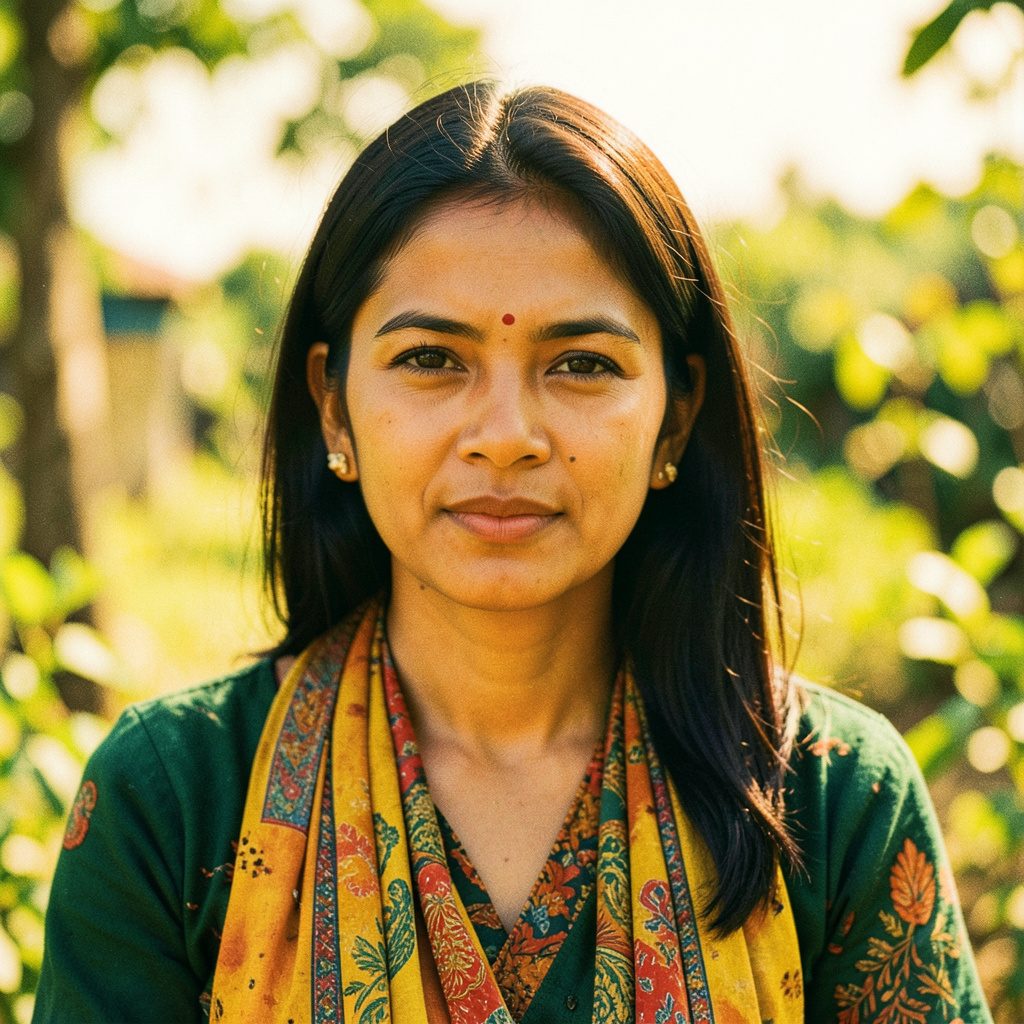
Traditional and modern styles in Myanmar fashion photography
Myanmar fashion photography carries two visual languages at once. Traditional portraits often draw on longyi, htamein, handwoven textiles, gold jewellery and familiar cultural settings, while contemporary editorials use sharper styling, experimental poses and international magazine conventions. The contrast is especially clear when images are viewed as a collection rather than as isolated pictures.
For an Australian audience, this distinction offers a useful way to read a photo archive such as Myanmar-model.net. A gallery can preserve the elegance of heritage clothing while also showing how Myanmar models, actresses and fashion personalities respond to changing beauty standards, media platforms and urban lifestyles.
| Feature | Traditional visual approach | Modern visual approach |
|---|---|---|
| Clothing | Longyi, htamein, silk, woven cotton and ceremonial accessories | Tailoring, streetwear, designer pieces and mixed cultural references |
| Setting | Teak interiors, pagodas, village landscapes and family-style studios | Urban architecture, studios, hotels, rooftops and fashion locations |
| Lighting | Soft daylight, warm tones and restrained contrast | Flash, coloured light, strong shadows and polished retouching |
| Posing | Formal, composed and portrait-focused | Dynamic, expressive and influenced by runway or social media imagery |
| Editorial purpose | Cultural identity and timeless elegance | Personal branding, trend coverage and visual experimentation |
Heritage clothing as visual storytelling
Traditional Myanmar fashion photography places clothing at the centre of the image. The longyi is more than a garment chosen for colour; its fold, weave and drape create rhythm across the frame. A htamein can give a portrait a graceful vertical line, while silk or patterned cotton introduces texture that remains visible even in a tightly cropped photograph.
Accessories add another layer of meaning. Floral arrangements, lacquerware, gold ornaments and traditional hairstyles can indicate ceremony, status or regional influence. In a magazine portrait, these details help connect the subject to a wider cultural memory without requiring a caption to explain every element.
The modern editorial vocabulary
Modern fashion shoots often move away from formal symmetry. Models may be photographed in oversized tailoring, denim, evening wear or hybrid looks that combine local textiles with global trends. The body becomes more active in the composition, with walking shots, angled poses and close-ups designed for magazine spreads, websites and mobile screens.
Contemporary editing also changes the mood. Crisp contrast, muted palettes, studio backdrops and carefully controlled retouching can make a portrait feel cosmopolitan. This does not erase Myanmar identity; it reframes it through the visual language used by fashion publications in Bangkok, Seoul, London or Sydney.
Where the two styles meet
The strongest images frequently combine heritage and modernity instead of treating them as opposites. A model might wear a traditional textile with a contemporary blouse, or pose in a historic building while using the confident stance of a current fashion campaign. The result feels grounded in place but open to new interpretations.
This balance is useful for an editorial photo archive because it shows development over time. A collection of magazine covers may reveal changing hairstyles, silhouettes and retouching techniques, while traditional clothing galleries preserve details that could disappear from fast-moving fashion coverage. Together, the images form a record of both continuity and change.
Places, light and the Australian gaze
Location strongly affects how Myanmar fashion is understood. Historic architecture, monastery compounds, markets and domestic interiors create a sense of cultural intimacy. By contrast, city streets, hotel lobbies and minimalist studios emphasise professional styling and the international fashion market.
Australian viewers may notice these differences through their own everyday visual habits. Audiences in Sydney and Melbourne regularly encounter multicultural fashion through print magazines, Instagram feeds and weekend cultural events, so a Myanmar portrait can be read alongside many other Asian and diasporic styles. Australia’s bright sun also makes the soft, shaded light common in some Myanmar portraits feel especially distinctive.
The local market adds another perspective. Australian shoppers are familiar with independent designers, artisan textiles and ethical fashion labels, which can encourage closer attention to weaving, fabrication and handmade detail. A photo gallery therefore has value beyond celebrity appeal: it can show how clothing communicates craft, place and identity.
Editing, publishing and cultural responsibility
Images of public figures still require careful editorial handling. In Australia, the Copyright Act 1968 protects photographs and creative works, while moral rights recognise the creator’s connection to an image. An archive should therefore preserve accurate credits, avoid unauthorised alterations and distinguish editorial presentation from commercial endorsement.
Privacy also matters. The Privacy Act 1988 does not apply in exactly the same way to every publisher or circumstance, but responsible practice remains important when photographs include private individuals, minors or non-public locations. Clear captions, respectful cropping and reliable source information help prevent a fashion archive from turning cultural documentation into careless image collecting.
Context can be as important as image quality. Naming a garment accurately, identifying whether a shoot is editorial or promotional, and avoiding assumptions about ethnicity, religion or social status allows viewers to engage with the photograph on its own terms. For Australian readers unfamiliar with Myanmar dress traditions, concise context can prevent exoticising language.
Editorial choices that strengthen a photo archive
A well-organised gallery can make the contrast between traditional and modern fashion easier to see. Consistent metadata, useful tags and model names help visitors move from a single portrait to related magazine covers, fashion shoots and clothing themes. The presentation should remain visual, but the surrounding information can give each collection a clearer frame.
Useful recommendations include:
- Group images by clothing tradition, editorial era, model, publication or location.
- Use captions that identify garments such as longyi, htamein, silk and handwoven textiles accurately.
- Preserve original image credits and distinguish photographer, magazine and archive sources.
- Pair formal traditional portraits with contemporary editorials to show visual change.
- Keep colour correction restrained so textile tones and skin tones remain credible.
- Add accessibility-minded alt text that describes clothing, pose, setting and composition.
- Review licensing, consent and privacy considerations before republishing third-party images.
These choices serve both casual visitors and serious viewers. Someone browsing latest posts on a phone can quickly recognise a model or visual theme, while a reader researching Myanmar fashion can follow a more meaningful path through the archive.
Reading identity through portraiture
A portrait is shaped by more than styling. Expression, posture, camera distance and the relationship between subject and background all influence how a model is presented. Traditional portraiture may favour calmness and poise, whereas modern fashion photography can foreground confidence, individuality or controlled attitude.
Neither approach should be treated as a complete definition of Myanmar identity. Traditional dress can appear in contemporary life, and modern clothing can still carry local references through fabric, colour or silhouette. The most revealing galleries allow these possibilities to sit together, showing that cultural identity is layered rather than fixed.
For viewers in Australia, this layered approach also reflects the country’s own fashion landscape. Clothing is frequently shaped by migration, climate, regional communities and global media. Comparing Myanmar imagery with local multicultural street style can encourage recognition of shared creative exchange without flattening the differences between cultures.
What the contrast reveals
Traditional and modern fashion photography reveal different relationships with time. Heritage-focused images preserve textile knowledge, ceremonial detail and established ideas of elegance. Contemporary images record changing careers, media formats and personal presentation. When placed together, they show how fashion can retain cultural memory while adapting to new audiences.
The most important detail to remember is that Myanmar fashion photography is not divided into a simple old-versus-new story. Its richness lies in the conversation between longyi and tailoring, soft portrait light and digital polish, historic settings and urban ambition. A thoughtful archive makes that conversation visible.