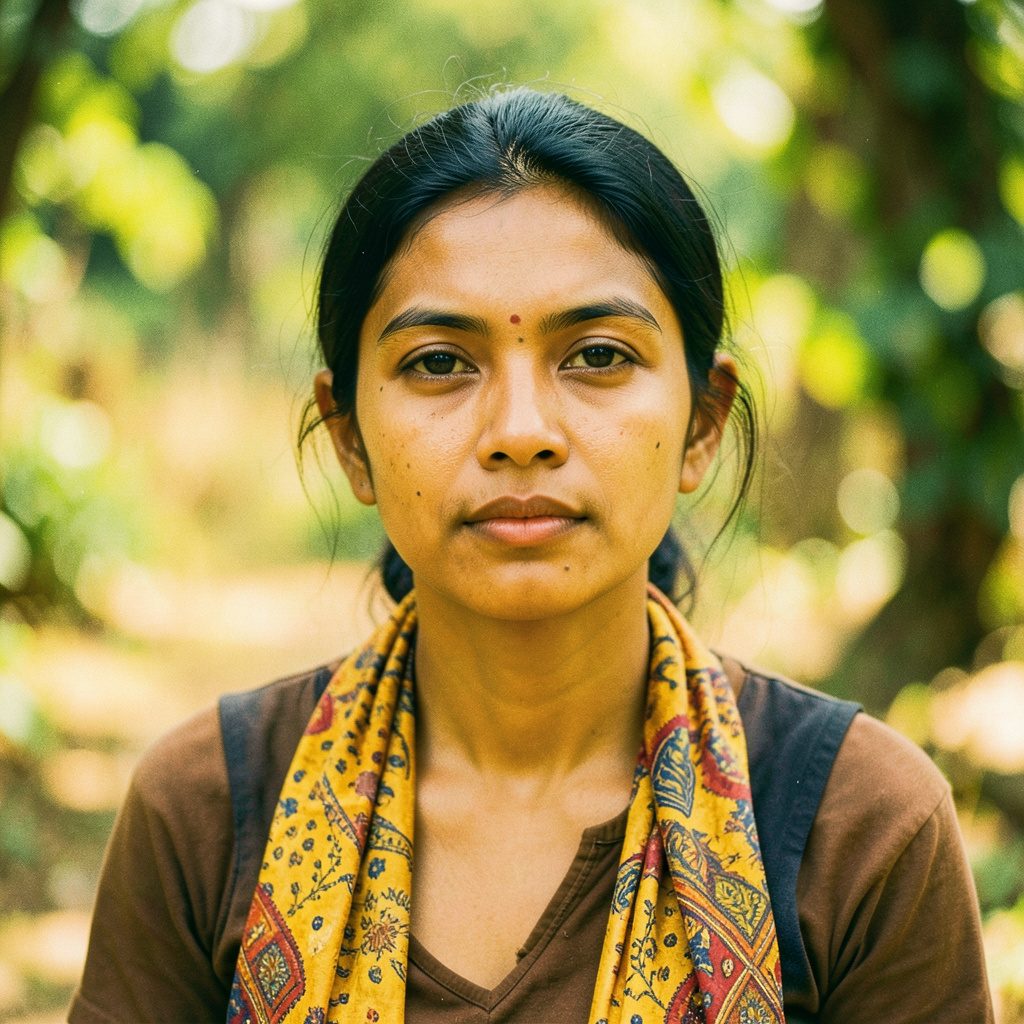
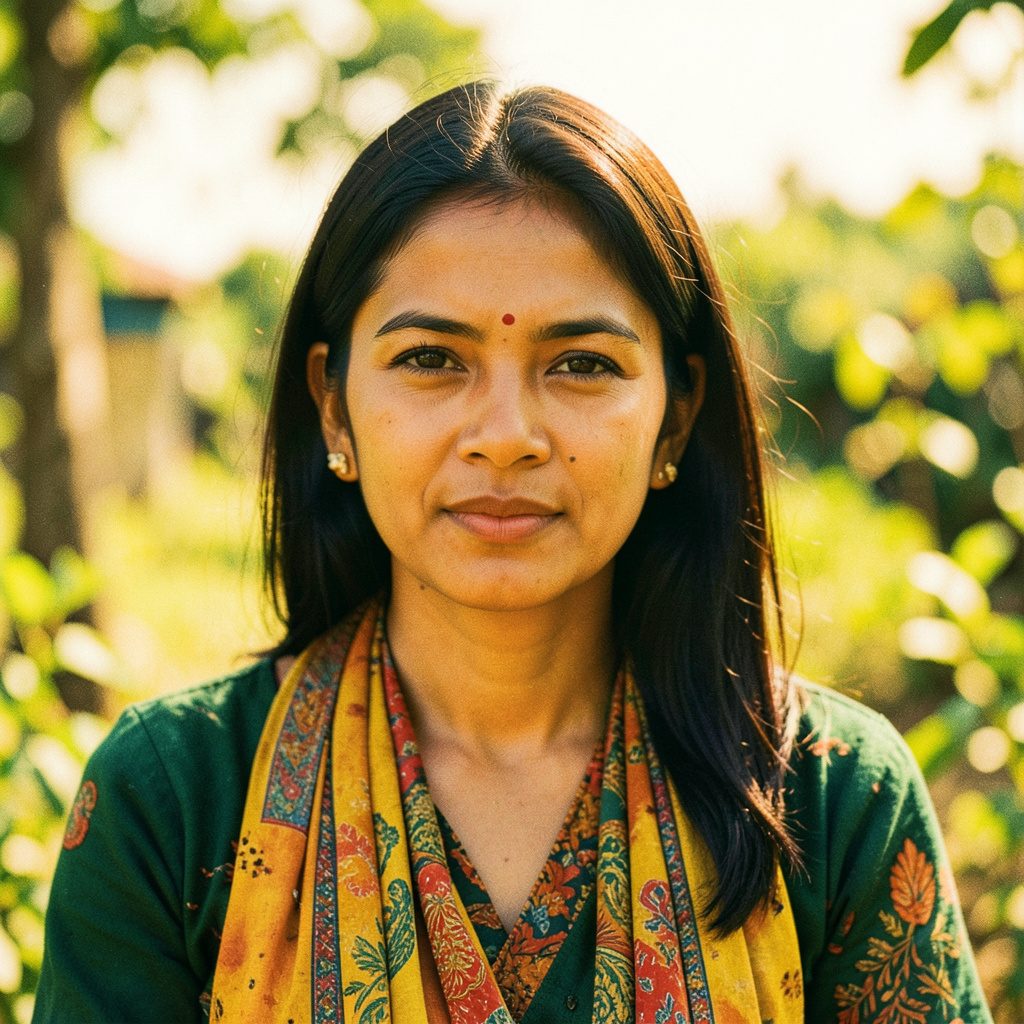
Myanmar fashion photographers worth knowing
Myanmar’s fashion image culture moves between magazine studios, hotel lobbies, beauty-pageant backdrops and streets where ao dok, longyi and tailored clothing form part of everyday life. For readers looking for the top 10 fashion photographers in Myanmar, Myanmar-model.net offers a useful route into that world: its cover archives, portrait galleries and clothing-focused posts show how celebrity images circulate over time. The site is an editorial photo archive, so its value lies in visual context and persistent credits rather than commercial rankings.
A photograph’s subject often receives the headline while the person behind the camera remains difficult to trace. Burmese names may appear in several English spellings across social platforms, printed magazines and archive metadata. Australian readers should therefore separate the model, stylist, makeup artist and photographer before drawing conclusions about an image maker’s career. That habit matters when comparing Myanmar’s visual culture with the commercial systems used in Melbourne, Sydney and other Australian markets.
Why Myanmar’s fashion imagery matters
The archive documents more than polished clothing advertising. It captures transitions between urban minimalism and dense ceremonial colour, studio control and available light, local celebrity culture and international pageantry. Covers preserve a particular moment in a publication’s visual direction, while gallery sequences reveal recurring interests in pose, fabric, gesture and setting. Together, they provide a broader record than a single striking image could offer.
Light and climate shape many creative choices. Yangon’s humid atmosphere, strong sun, monsoon grey and warm interior practicals create problems that a photographer must manage rather than simply eliminate. A restrained studio frame may be as deliberate as a richly layered location scene. The useful question is whether the lighting, wardrobe and environment form a coherent visual argument, rather than whether every photograph follows the same glossy formula.
Melbourne Fashion Week and Sydney’s fashion-media ecosystem provide familiar Australian reference points, while local conditions remain distinct. Australian English uses spellings such as “favour”, “colour” and “centre”, and creative briefs often favour direct, plain language. Metric garment measurements and southern light add two more practical filters when comparing images, particularly when colour accuracy and the rendering of fabric matter.
Ten names for a considered viewing list
Public credit information is uneven, so this is a research shortlist rather than a pretend-precise ranking. A sensible set of Myanmar credit names to verify is Min Thein, Zaw Zaw Oo, Kyaw Moe, Hlaing Hlaing, Thet Naing, Aung Myint, Tin Maung, Myo Myint, Nyein Chan and Phyo Kyaw. Common Burmese names can be transliterated in different ways, so search variants and confirm the photographer’s preferred spelling before citing a portfolio.
These names should be judged through bodies of work. Compare a studio portrait series with an outdoor editorial, an event sequence and a traditional-clothing feature rather than assigning one permanent signature style to a photographer. Look for consistent decisions about distance, lens choice, background, retouching and the relationship between wearer and viewer. A strong portfolio may be quiet in one setting and expressive in another if its visual logic remains clear.
The people behind an image can also be supported directly. Credit questions, correction requests and archive enquiries are better directed through the site’s archive contact page than inferred from a caption alone. A clear credit protects both photographer and model while preventing a reader from mistaking the visibility of a subject for authorship of the image.
What makes a photographer worth following
Technical polish is only one measure. Direction matters just as much: does the photographer create space for the clothing to be understood, or does the pose reduce it to decoration? Does the subject appear active within the Myanmar setting, or is that setting used as an anonymous backdrop? These questions are more informative than applying labels such as “glamour” or “authentic” without examining the sequence.
Context should be read carefully. Ceremonial dress, bridal wear, military-inspired styling and everyday longyi can carry specific meanings that should not be treated as interchangeable props. Ethical editing also requires attention to skin tone, body shape and cultural detail. Photographers working across markets can strengthen their practice by consulting stylists and subjects on context rather than assuming that visual exoticism communicates accurately.
Commercial usefulness is another differentiator. A photographer may excel at a restrained campaign while working less comfortably with fast event coverage, or reverse that pattern. Many Australian buyers define a project fee, revision limits, delivery time and usage licence, whether the shoot occurs in Parramatta, Melbourne or overseas. Those terms matter for an international commission because the intended image market can be much larger than the city where it was photographed.
A practical portfolio comparison method
Start with a clean search and verify the credit before collecting images. Search pages can mix independent editorial portfolios with advertising, as an online gaming page demonstrates; campaign imagery should never be mistaken for documentary fashion coverage. Keep comparable sets separate, note the source and date, and remove results whose photographer cannot be confirmed.
- Confirm the photographer’s name, credit spelling and role through a primary portfolio, publication or direct response.
- Compare complete series, showing how lighting, styling and poses develop across several frames.
- Review commercial, editorial and location work separately, since each calls for different pace and problem-solving.
- Check retouching, colour consistency and treatment of skin tone across different lighting conditions.
- Request a written fee, deposit, revision limit, delivery schedule and cancellation policy before booking.
- Define usage rights for print, social media, paid advertising, resale and territorial distribution.
A comparison sheet can prevent an attractive thumbnail from carrying too much weight. Record the assignment, location, available budget in Australian dollars, expected audience and whether exclusivity is needed. For cross-border work, ask whether taxes, travel, permits, local assistants and post-production sit inside or outside the quotation. That structure reflects common Australian freelance practices without making assumptions about Myanmar costs or availability.
Build a durable visual shortlist
A reliable shortlist can grow from the archive’s model names, tags and latest posts without treating popularity as proof of quality. Revisit the same photographer across different years and formats, then save the project that best explains the choice. The resulting record can support research, commissioning or a more informed view of Myanmar fashion imagery.
The next concrete step is a single archive check: open one magazine-cover series and record the photographer credited for every frame.