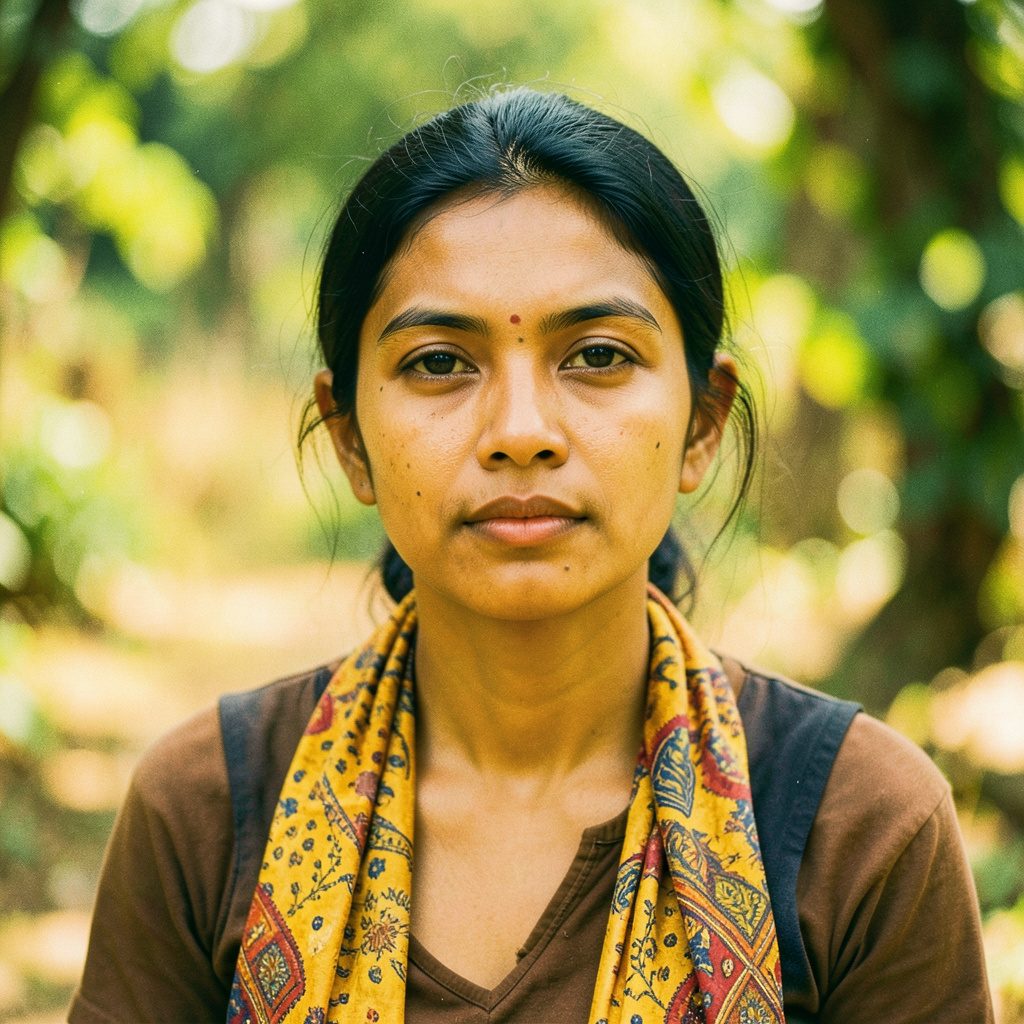

The Top 20 Most Shared Fashion Photos on Social Media
Fashion images travel quickly when they give viewers a clear reason to pause, react and share. A striking silhouette, memorable colour palette or recognisable cultural detail can turn a single portrait into a widely circulated social post within hours.
The most successful images usually balance polish with personality. Studio lighting may create the first impression, while a direct gaze, expressive pose or unexpected styling choice encourages people to save the image for later. This mix helps explain why editorial portraits, magazine covers and traditional fashion shoots perform so strongly online.
For Australian audiences, the visual conversation is shaped by local habits. Instagram remains important for fashion discovery in Sydney and Melbourne, while TikTok gives short styling clips and behind-the-scenes material a second life. Seasonal conditions matter too: lightweight fabrics, sun-conscious styling and resort looks often feel especially relevant during an Australian summer.
The ranking below is an editorial assessment of shareability rather than a fixed measurement of private platform data. It draws on the qualities that repeatedly make celebrity portraits, model galleries and fashion photography popular, including strong composition, cultural identity and an instantly recognisable mood.
What Makes A Fashion Photo Shareable
A high-performing fashion photograph has a simple visual entry point. Viewers should understand the main subject immediately, whether that is a sculptural evening gown, a traditional textile or a sharply tailored streetwear look. Strong contrast, uncluttered backgrounds and confident posing make an image easier to recognise in a fast-moving feed.
Emotion gives the picture staying power. A neutral editorial expression can communicate sophistication, while a warm smile, playful gesture or dramatic side profile can make the model feel more accessible. This is why a carefully framed portrait often receives more attention than a technically complex image with too many competing details.
Cultural context can add another layer of meaning. Traditional Myanmar clothing, jewellery and textile patterns provide visual detail that feels distinctive beside generic studio fashion. An archive such as the Myanmar model gallery can therefore appeal to both fashion followers and people interested in regional beauty, portraiture and cultural style.
Why Editorial Portraits Travel Across Platforms
Magazine covers remain highly shareable because they combine a recognisable face with a complete visual identity. The masthead, cover lines and styling create an image that looks finished, while celebrity recognition encourages tagging and reposting. A cover shoot can also be adapted into carousel posts, story graphics and short video edits.
Social users respond to images that work at different sizes. A full-length fashion photograph may be ideal for Pinterest, while a close crop of makeup, jewellery or fabric texture suits Instagram Stories. Vertical framing is especially useful on mobile screens, where a face or outfit can occupy most of the display without losing impact.
Timing also influences circulation. A glamorous awards-season portrait may gain momentum in Sydney when entertainment coverage is peaking, while a breezy beach editorial can attract attention in Brisbane or Perth during warmer months. Images linked to an event, cultural celebration or seasonal wardrobe have a natural reason to be shared.
The Leading Images By Shareability
The following selection ranks recurring fashion-photo formats by their likely ability to earn reposts, saves, comments and media attention. It includes celebrity portraits, magazine imagery, traditional dress and contemporary styling rather than treating fashion as a single visual category.
| Rank | Fashion photo format | Shareability strength |
|---|---|---|
| 1 | Traditional dress portrait with ornate jewellery | Strong cultural detail and instant visual distinction |
| 2 | High-contrast magazine cover close-up | Recognisable face and polished editorial finish |
| 3 | Red-carpet gown photograph | Glamour, event relevance and styling discussion |
| 4 | Traditional textile styled with modern accessories | Connects heritage with current fashion |
| 5 | Black-and-white celebrity portrait | Timeless mood and easy reposting |
| 6 | Dramatic eveningwear under studio lighting | Strong silhouette and premium atmosphere |
| 7 | Natural-light beauty portrait | Personal, warm and highly saveable |
| 8 | Coordinated fashion couple or group shoot | Multiple faces encourage tagging and sharing |
| 9 | Statement sleeve or sculptural outfit | Distinctive shape reads quickly on mobile |
| 10 | Traditional ceremony fashion gallery | Cultural meaning and narrative variety |
| 11 | Street-style portrait with bold sunglasses | Relatable styling with a confident edge |
| 12 | Monochrome tailored suit editorial | Clean lines and broad gender appeal |
| 13 | Colour-blocked summer fashion shoot | Bright composition suited to social feeds |
| 14 | Close-up showing makeup and jewellery detail | Useful beauty reference and strong texture |
| 15 | Movement shot with flowing fabric | Creates energy and visual drama |
| 16 | Resort or beachwear portrait | Seasonal appeal for Australian audiences |
| 17 | Behind-the-scenes magazine image | Feels authentic and rewards loyal followers |
| 18 | Minimal studio portrait with a plain backdrop | Keeps attention on expression and styling |
| 19 | Fashion image tied to a festival or celebration | Event context gives people a reason to repost |
| 20 | Multi-look carousel from one editorial shoot | Encourages swiping, saving and comparison |
These formats overlap in useful ways. A traditional dress portrait can also be a close-up beauty image, while a magazine cover may feature a monochrome suit or flowing fabric. The strongest posts usually combine two or three of these qualities without making the composition feel crowded.
Australian Relevance In A Global Fashion Feed
Australian viewers often favour fashion that looks polished but wearable. A Melbourne audience familiar with layered street style may respond to tailored jackets, boots and muted palettes, while Sydney followers frequently engage with resortwear, evening dressing and coastal colour schemes. Local climate and lifestyle quietly influence what feels aspirational.
Traditional fashion can also find a strong audience in Australia’s multicultural cities. Myanmar communities in Sydney, Melbourne and Brisbane may share images connected to heritage, family celebrations and national identity. For other viewers, the same photographs offer an opportunity to discover textiles, silhouettes and styling traditions that sit outside mainstream Australian retail.
The local market rewards versatility. A dramatic editorial image may inspire a boutique purchase, a wedding outfit or a festive look, while a simple portrait can influence makeup, hair and accessory choices. Australian shoppers also tend to move between social discovery and practical research, checking brand availability, delivery times and sizing before making a decision.
Social circulation is strongest when an image feels both distinctive and usable. A couture gown creates spectacle, but an elegant blouse, refined jewellery combination or climate-appropriate dress can create longer-lasting saves. This balance helps explain why fashion archives remain relevant even when trends change quickly.
Practical Signals For Selecting Strong Images
An effective collection should preserve visual variety while keeping a clear editorial standard. The following checks help identify photographs with genuine social potential:
- Choose images with one immediate focal point, such as a face, garment or textile pattern.
- Prioritise crisp composition and lighting that remains clear on a small mobile screen.
- Include a balance of contemporary fashion, traditional dress, celebrity portraits and magazine work.
- Favour photographs that show texture, movement or jewellery detail without visual clutter.
- Consider seasonal relevance for Australian viewers, including summer fabrics and event dressing.
- Use descriptive captions that identify the model, styling context and cultural references accurately.
A strong archive also benefits from consistent organisation. Model names, tags, latest posts and popular collections help visitors move from one appealing photograph to another, increasing the chance that a single share becomes a longer browsing session. Clear categorisation is especially valuable when the collection includes actresses, fashion personalities and editorial shoots from different periods.
The most shared fashion images are rarely successful by accident. They present a memorable face, outfit or cultural detail in a format that works across feeds, screens and audiences. Begin the next review by selecting twenty photographs, scoring each for visual clarity, emotional impact and Australian relevance, then publishing the strongest group as a labelled social gallery.