The stories behind Myanmar’s most iconic photo shoots
An iconic fashion image compresses an entire moment into a single frame: the cut of a garment, a carefully placed glance, the studio atmosphere and the public identity attached to the person wearing it. The picture can appear timeless, yet it was produced through specific choices about styling, setting, photography and publication. Those choices form the story behind the image.
An editorial archive such as Myanmar-model.net brings together images of Myanmar models, actresses, celebrities and fashion personalities. Magazine covers, studio editorials, traditional-clothing portraits and celebrity shoots preserve different versions of modern Myanmar. They also reveal how clothing, regional identity and global taste meet in the country’s image-making culture, giving archival photographs a place in fashion history as well as popular memory.
Why certain images become icons
Icon status usually comes from a meeting of visual clarity and cultural reach. A striking silhouette may make an image memorable, while circulation on a magazine cover or a widely shared fashion feature gives it a public life. Repeating, cropping or imitating an image can further turn a particular shoot into a visual reference point.
For a photo archive, the significance lies in preserving the combination of person, production and moment. The same model may appear in a restrained portrait, a dramatic fashion story and a celebratory celebrity feature. Comparing those images reveals shifting ideas about elegance, femininity, tradition and success. It also shows that “iconic” can describe an image’s influence without implying a formal ranking.
Reading the clues inside a photo shoot
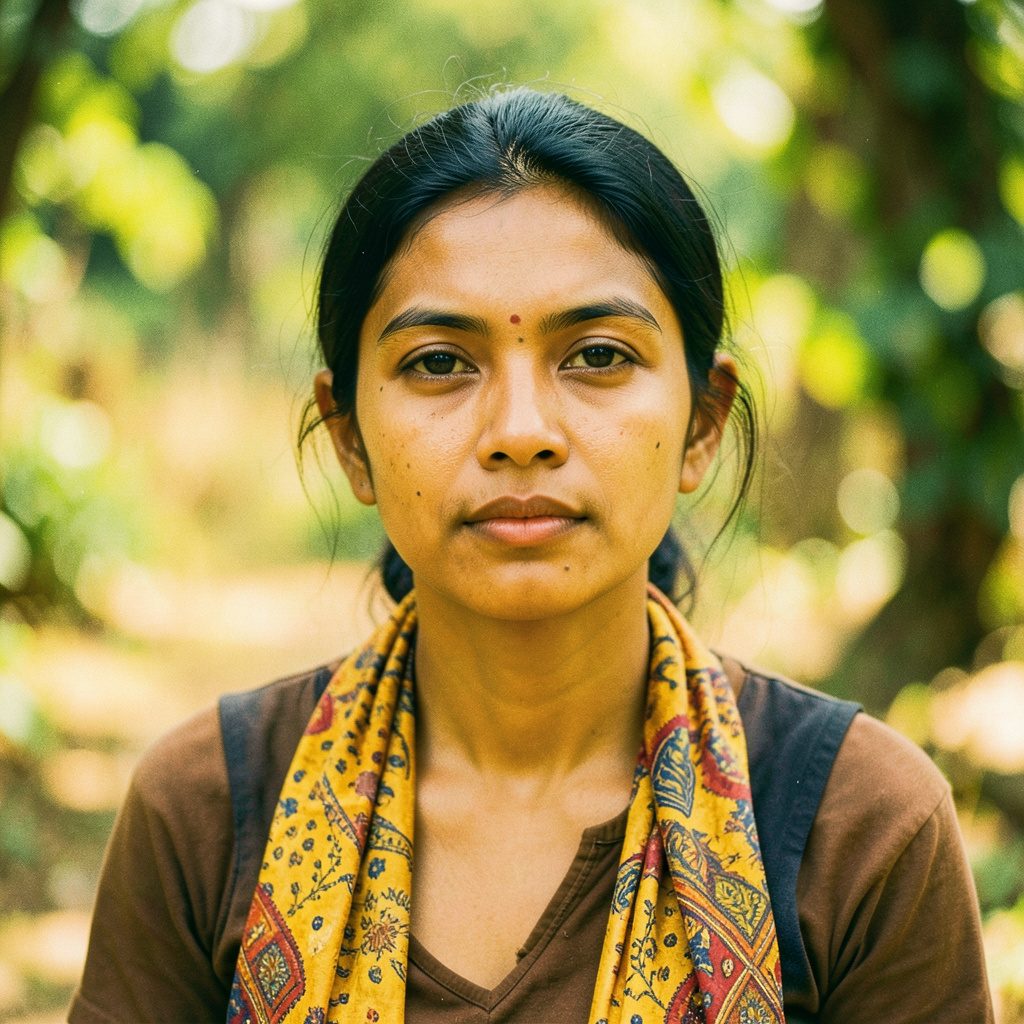
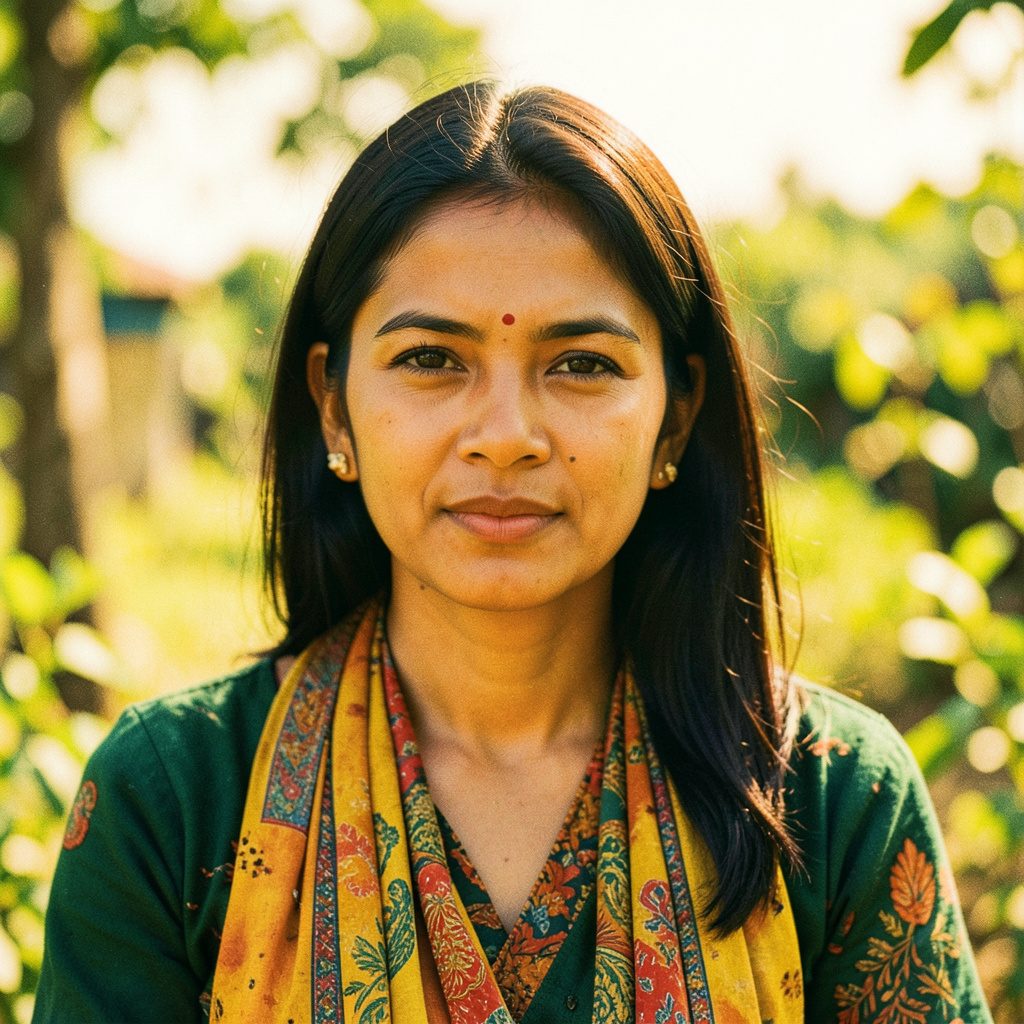
The most revealing evidence is often worn by the subject. An htamein, longyi or taikpon can place a portrait within particular regional and cultural traditions, while contemporary tailoring may signal a different aspiration. These garments should not be treated as interchangeable decoration: their construction, motifs, colours and ways of being worn carry distinct histories that deserve accurate context.
Production details deepen that context. Hair, makeup, posture, lighting, set design and cover typography all shape how viewers understand the sitter. A poised gaze may convey confidence, reserve or theatrical intensity depending on the styling around it. A comprehensive reading therefore asks who made the decisions, where the image appeared and what the intended audience was likely to recognise.
- Clothing and provenance: Compare cut, fabric, regional textile traditions and styling.
- Body language: Study posture, gesture, eye line and the relationship between body and frame.
- Visual production: Notice lighting, background, colour balance and retouching.
- Publication context: Record the photographer, date, magazine or campaign and any later reuse.
Magazine covers and celebrity image-making
A magazine cover turns a photo shoot into a public proposition. The image must work beside a masthead, cover lines and competing stories, so each visual choice becomes part of a larger argument about who is prominent and what deserves attention. A restrained portrait can suggest authority; an elaborate ensemble can make fashion itself the event. The archive is valuable because it keeps these editorial systems together.
Celebrity shoots add another layer, connecting fashion to performance and reputation. An actress may be photographed around a film release, a red-carpet event or a magazine profile. For fashion personalities, campaigns and editorials may create the image more directly than a screen role. Together, these photographs record the public identities Myanmar media wanted to present and the visual conventions audiences learned to expect.
How Australian audiences can read the archive
Australian readers encounter fashion through a distinctive media and design landscape. Glossy pages from Vogue Australia, Harper’s Bazaar Australia and ELLE Australia sit beside local labels, independent photographers and a strong culture of street-style observation. Familiarity with those contexts can sharpen attention to Myanmar shoots, but resemblance should not become a substitute for understanding their own references and working practices.
- Sydney: Its multicultural fashion culture and harbour light offer a familiar urban setting, but not a direct equivalent.
- Melbourne: Laneway studios, street-style scenes and café culture reward attention to informal, candid details.
- Local design: Labels such as Dion Lee, Scanlan Theodore and Ginger & Smart show local negotiation of heritage and modern form.
- Public institutions and publishing: Canberra’s National Portrait Gallery and Australian fashion magazines provide useful ways to compare portrait traditions.
Comparison is most productive when it opens questions rather than supplies conclusions. Australian fashion photography often foregrounds minimalism, beach culture, relaxed tailoring or the energy of a capital-city street. Myanmar shoots may place ceremonial dress beside sleek evening wear, or build a portrait around a heritage textile and a contemporary celebrity persona. The visual differences are not barriers; they reveal distinct local stories about identity and ambition.
The lasting value of a visual archive
An archive preserves more than flattering faces and memorable outfits. It keeps relationships visible: between garment and wearer, image and publication, individual and audience, and past and present. When production notes are limited, the surviving frame can still support careful investigation through styling, setting, captions, dates and recurring visual motifs. Its meaning deepens as it is compared with related work.
An iconic shoot is both an artwork and a record of decisions made in a particular time. The enduring images keep those choices, tensions and atmospheres visible long after the original magazine issue or campaign has disappeared, keeping Myanmar fashion history alive in the pictures themselves.