The role of confidence in modeling: Lessons from Myanmar pros
Confidence in modeling is often mistaken for an outgoing personality or a naturally photogenic face. In practice, it is a working skill: the ability to understand the brief, occupy the frame, accept direction and recover when a photograph does not match the intended result. It helps a model appear present without demanding attention.
For Australian readers, these lessons from Myanmar professionals are especially relevant as local brands, independent designers and international campaigns seek credible faces for commercial photography. Confidence must also respect cultural identity, professional boundaries and the expectations of clients rather than relying on exaggerated self-promotion.
Confidence as a working skill
A camera responds to intention. Clear posture, settled eyes and controlled gestures communicate that a model knows what the image is meant to achieve. This kind of presence can be quiet or energetic, but it should remain connected to the clothing, setting and creative concept.
Photography also differs from runway work because there may be only a brief interval between each frame. A model who understands posing, continuity and lighting can make small adjustments that preserve consistency across a gallery. The goal is not a fixed smile or exaggerated pose; it is believable engagement with the lens.
Confidence therefore includes resilience. Professionals who ask questions, review test images and absorb feedback without becoming defensive usually become more efficient on set. Preparation reduces the need to prove oneself through oversized gestures or constant approval-seeking.
What Myanmar professionals demonstrate
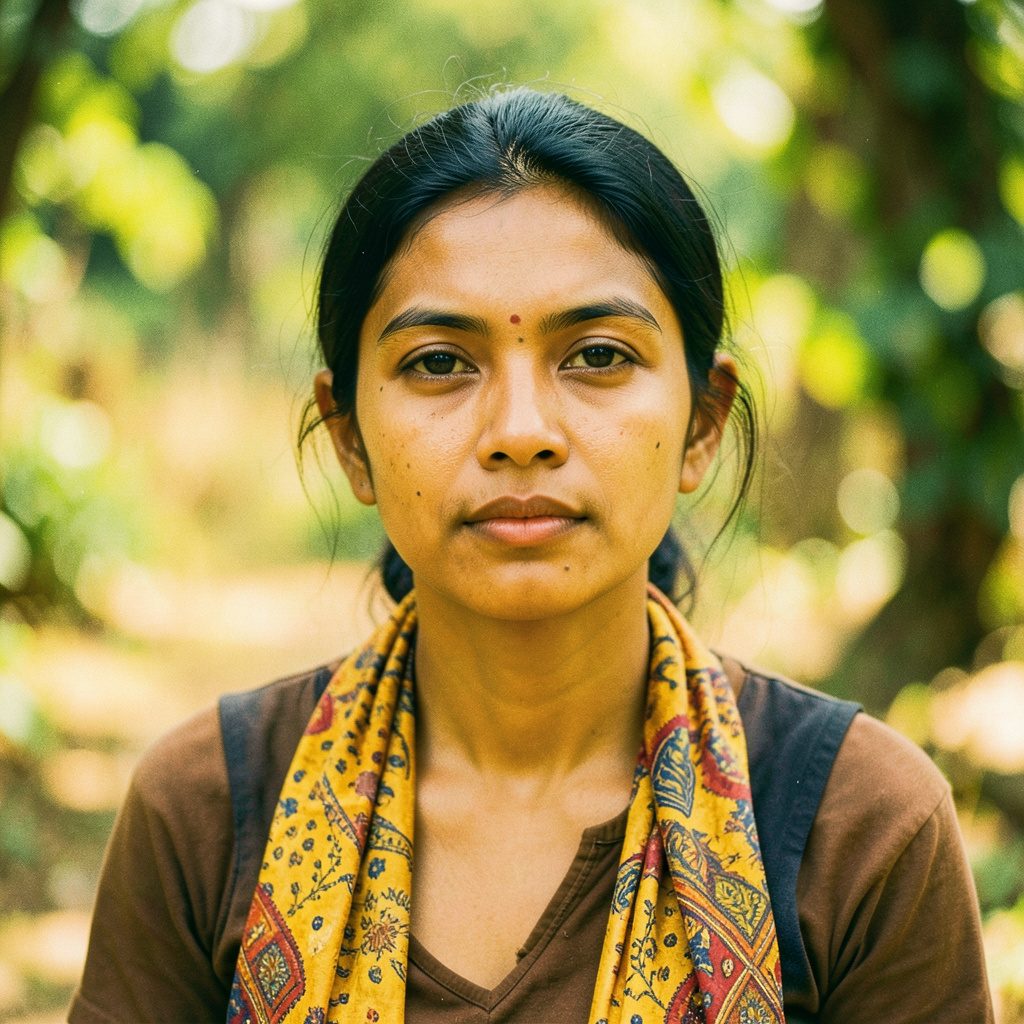
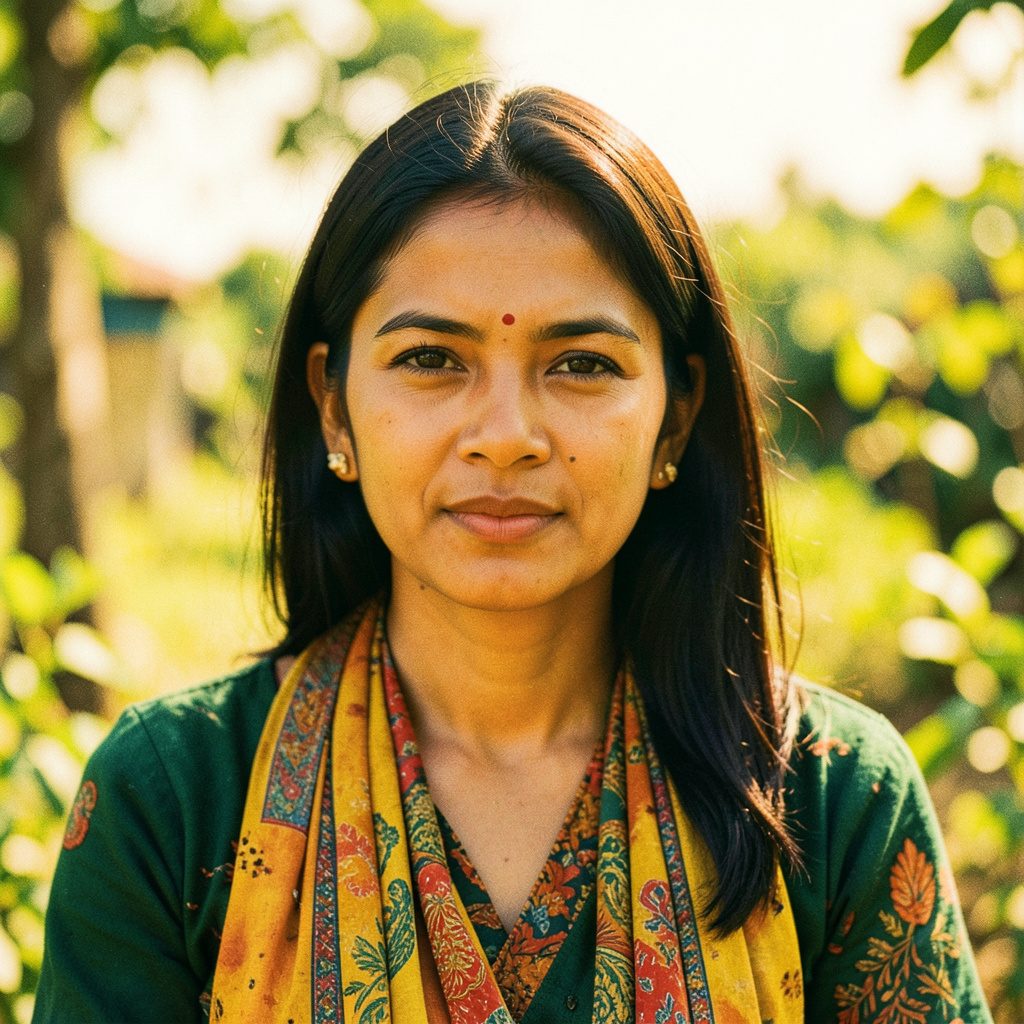
The Myanmar-model.net archive highlights Myanmar models, actresses and fashion personalities across magazine covers, studio portraits, fashion shoots and traditional clothing. These collections show how confidence can shift with context. A composed editorial pose, a direct commercial gaze and the careful presentation of cultural dress each require a different kind of command.
Adaptability is one of the strongest lessons in this visual record. A model may move from contemporary fashion to heritage styling while retaining a consistent screen presence without making every image look identical. This flexibility suggests that confidence is partly about range, not about imitating one narrow ideal.
Preparation also matters behind the apparent ease of professional photographs. Knowing the walking line, mark positions, hand placement and continuity of movement allows a model to respond quickly to stylists and photographers. Clear rules matter in any fast-moving professional environment. A concise payout table guide illustrates how reading the terms before making a decision prevents costly confusion; the modeling parallel is a casting brief that clearly states fees, exclusivity, usage and credit.
Working within Australia's fashion market
Sydney and Melbourne remain major centres for editorial, beauty and commercial fashion photography, while Brisbane and other cities support an expanding network of independent labels. Early call times often involve catching public transport, managing traffic and arriving with only a short window for hair, makeup and wardrobe adjustments. Confidence on set begins with realistic preparation for those practical conditions.
Australia's fashion market combines department-store campaigns, online lookbooks, independent boutiques, weekend markets and the rapid growth of direct-to-consumer labels. Castings may value a natural, adaptable quality that fits both polished advertising and social content. Daily scrolling through fashion feeds on mobile phones has also made consistent, authentic imagery increasingly important.
Employment arrangements vary, but when a modeling engagement falls under an Australian Fair Work award, minimum wages, working hours, breaks and record-keeping obligations may apply. State and territory child-labour laws and permits are relevant to young models, while contracts should explain image use, retouching, exclusivity and renewal separately. The Australian Consumer Law can also affect misleading advertising claims involving a model’s appearance or endorsement.
Preparation, boundaries, and visible choices
Confidence is strongest when it has evidence behind it. Reviewing the brief, testing the lighting, selecting suitable portfolio images and preparing several poses are practical forms of self-belief. They allow a model to focus on the photograph instead of wondering whether the concept is right.
The camera also captures how a team works. Models who understand the requested image, follow agreed movement and remain aware of the product often produce more usable frames. However, professional confidence should never mean overriding the creative team or treating cultural clothing as a decorative prop.
| Quality of presence | What the camera communicates | Practical cue | Common risk |
|---|---|---|---|
| Composed | Editorial control and maturity | Relax the shoulders and hold a steady gaze | Looking rigid or emotionally detached |
| Energetic | Movement, beauty and immediacy | Use the full range of each marked motion | Overacting or losing product focus |
| Adaptable | Range across styles and locations | Change energy while preserving continuity | Inconsistency between images |
| Commercially assured | Awareness of the campaign brief | Keep the garment and required details clear | Letting personal presence dominate the message |
Confidence also requires boundaries. A professional should understand how images may be edited, where they can appear, how long they can be used and when additional work requires approval. Agreeing on those terms before the shoot protects both the model and the client.
Turning self-belief into reliable work
Self-belief becomes useful when it is converted into repeatable habits. Preparation, honest feedback and familiarity with one’s own screen presence create calm without eliminating nerves. The aim is not to remove every feeling of uncertainty, but to know what to do when it appears.
Myanmar professionals represented in fashion and portrait archives demonstrate several transferable qualities: cultural fluency, quick adaptation, technical awareness and an ability to hold varied visual identities. Australian models can apply those principles while working with the country’s multicultural audience and a market that increasingly values authenticity over a single prescribed look.
- Build one page of poses for each lighting direction and camera angle.
- Review recent selects with a photographer, identifying one strength and one technical adjustment.
- Confirm fees, credit, exclusivity, image usage and cancellation terms in writing.
- Practice each traditional or ceremonial look with the stylist before filming begins.
The next concrete step is to choose one forthcoming casting brief and convert its requirements into a three-point checklist covering appearance, movement and commercial priorities.