The rise of the Burmese beauty queen in international pageants
Myanmar’s modelling scene has long been visible through magazine covers, fashion editorials and portrait galleries. Its models bring a distinct visual presence to regional campaigns, combining runway discipline with the textures and silhouettes of traditional Burmese dress. International pageants have provided another stage for that cultural visibility.
The rise of the Burmese beauty queen is not a single fairytale. It is a collective story of regional competitions, national selections and ambitious delegates entering global events such as Miss Universe, Miss World and Miss International. Their photographs have travelled far beyond the pageant venues where they were created.
For Australian audiences, this story sits comfortably within a familiar media landscape. Sydney and Melbourne fashion weeks, national pageant franchises and the country’s multicultural audiences regularly bring international style to local screens. Burmese-Australian communities also encounter this imagery through family networks, social media and the growing archive of Myanmar modelling photography.
The celebration of that visibility must be balanced by an understanding of the instability surrounding Myanmar’s fashion and entertainment sectors. The following sections examine the pageant pathway, the importance of national costume, the training behind competition-ready presentation and the standards Australian media can adopt when telling this story responsibly.
From local stages to the global arena
Myanmar’s pageant pathway typically moves from local or regional competitions towards a national selection, followed by preparation for an international roster. The route is demanding, with organisers and contestants navigating public scrutiny, sponsorship requirements and the pressure to represent an entire country.
| International route | Principal presentation | Connection to Australia |
|---|---|---|
| Miss Universe | National costume, swimsuit, eveningwear, talent and interview rounds | Miss Universe Australia provides a familiar local pathway, while digital viewing has widened its global audience |
| Miss World | Stage presence, national dress, talent and advocacy work | Miss World Australia and its community focus offer a close local comparison |
| Miss International | Communication, personality, costume and formalwear | It aligns with Australia’s strong interest in culture, fashion and talent across the Asia-Pacific region |
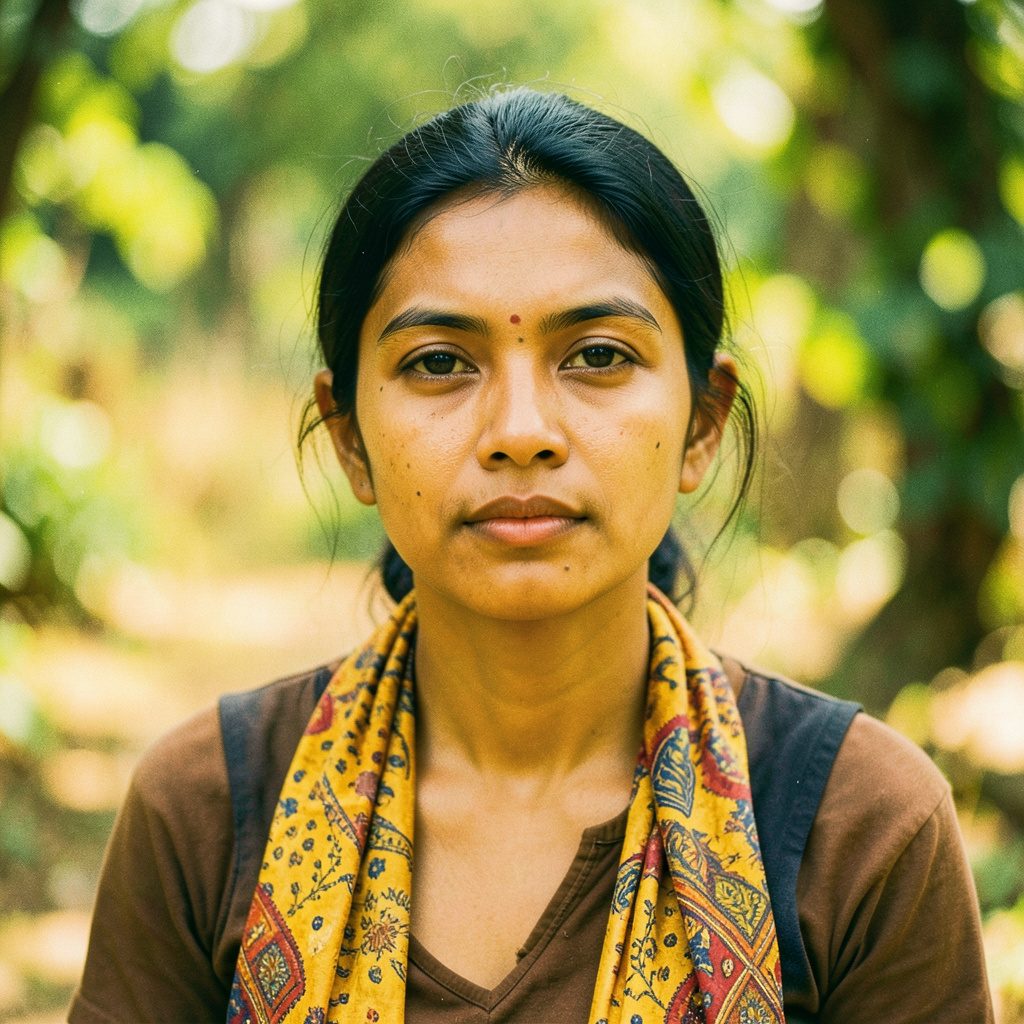
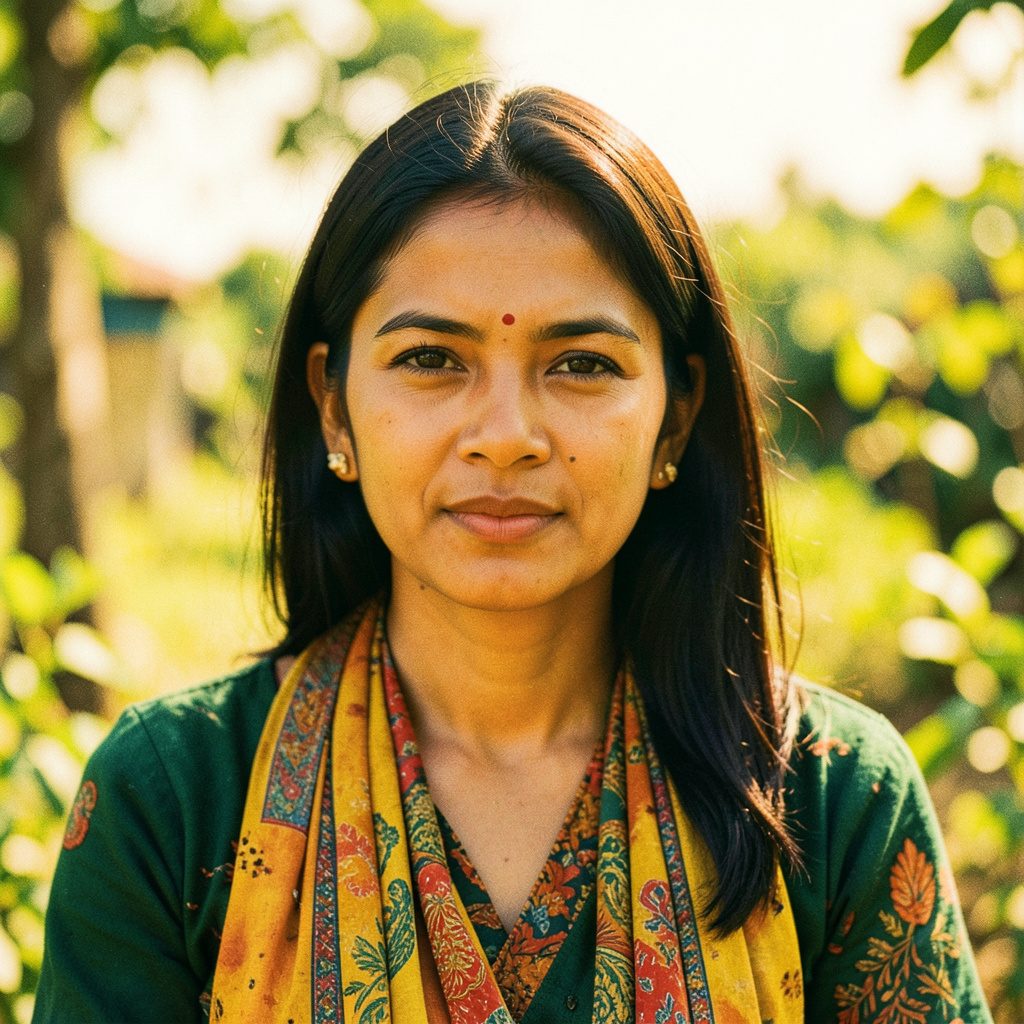
Pageant formats vary by edition, but photographs remain central to how audiences remember each delegate. A confident walk, an expressive portrait or a carefully constructed national costume can communicate confidence before a result is announced. That visual record often lasts longer than the broadcast itself.
How Burmese contestants gained wider visibility
Myint Mo Swe’s representation of Myanmar at Miss Universe 2013 created a clear international breakthrough. Her campaign imagery and appearances on the global stage placed a Burmese face before viewers across Asia, Europe and the Americas. The attention also gave greater exposure to Myanmar’s clothing, styling and visual culture.
Later delegates and national winners have continued that visibility through televised rounds, magazine features and social platforms. The change has been driven as much by Instagram, YouTube and short-form video as by conventional television. A backstage clip, interview or costume reveal can now reach millions without passing through a national broadcaster.
This wider reach has helped turn individual contestants into recurring figures in Myanmar’s cultural diplomacy. Their appearances offer a highly visible platform for presenting the country, although that platform comes with an expectation that every gesture, garment and answer will represent a nation far larger than the individual.
National dress, identity and the camera
Burmese national costume is rarely a simple choice between a traditional outfit and a modern stage look. Contestants may draw on the paso, the htamein or regional textiles, combining woven patterns, fitted silhouettes and the flowing fabrics associated with Myanmar design. The result must read clearly on camera while remaining connected to the wearer’s own cultural background.
For Australian fashion audiences, that contrast is especially engaging. Sydney and Melbourne regularly stage events where heritage clothing appears alongside contemporary tailoring, giving viewers an established visual vocabulary for comparing cultural and modern fashion. The country’s prestige beauty market, represented by stores such as Sephora Australia and campaigns appearing in fashion magazines, offers another channel through which polished portraiture gains attention.
The most effective photographs avoid treating traditional clothing as a decorative national accessory. When a contestant explains the significance of a textile, community or regional technique, the image becomes more than a fashion image. It becomes a record of cultural continuity under intense public scrutiny.
The training behind pageant poise
Competition preparation usually combines runway coaching, interview practice, movement training, styling and fitness or wellness support. Burmese delegates also need to communicate clearly in English or another international language while retaining a personal speaking style. Make-up artists, hairdressers, choreographers and garment makers often work as closely as the contestants themselves.
Behind those polished images is a demanding schedule of fittings, rehearsals, preliminary rounds and press appearances. Travel documents, sponsorship arrangements and wardrobe budgets can determine whether a delegate reaches the international stage. The work therefore depends on an ecosystem of family members, organisers, sponsors and creative professionals.
Australian coverage can acknowledge this labour without reducing contestants to their final placement. A photograph may look effortless, but its creation usually represents weeks of coordinated preparation. Recognising that work gives equal weight to the creative team and helps readers understand what international pageant success actually requires.
Responsible coverage for Australian media
Australian editors and fashion writers have an opportunity to present Burmese pageant culture with greater nuance. The following practices keep the reporting accurate without stripping away the glamour that attracts readers.
- Verify each contestant’s title, placement and delegation year against official pageant records before publishing captions.
- Credit Burmese photographers, stylists, designers and modelling agencies when reposting archival imagery.
- Describe traditional garments and their cultural meanings accurately instead of treating them as generic national costumes.
- Distinguish confirmed participation from online speculation, particularly during periods disrupted by political or travel restrictions.
These standards allow a fashion gallery to function as reliable cultural documentation. They also preserve the agency of contestants by avoiding narratives that depend only on beauty, rankings or an implied national victory. For Burmese-Australian readers, accurate names and proper attribution can make the difference between a passing trend and a recognisable cultural history.
Glamour under political pressure
International opportunities have existed alongside serious instability in Myanmar. The COVID-19 pandemic interrupted competitions and travel, while the military coup and subsequent conflict affected many aspects of public life. For some pageant pathways, selection processes and the participation of national organisers became less predictable.
These circumstances can create difficult choices for models and their supporters. Visibility may help a contestant build a career, earn income or support community initiatives, but it can also attract political attention. Editorial coverage should not assume that a delegate’s silence is agreement, nor interpret participation as a simple endorsement of the country’s authorities.
The photographs offer a way to hold both realities together. A poised pose or elegant garment can represent professional achievement, while the story behind it may include displacement, safety concerns or divided public opinion. Responsible publishing makes space for that complexity without interrupting the subject’s own voice.
A durable visual record for the future
The value of a Myanmar-focused image archive lies in its ability to preserve fashion history beyond the short life of a social feed. Organised through model names, tags, magazine features and shoot galleries, it can connect a contestant’s first portrait with later professional work. That continuity helps readers see pageant fame as the beginning of a wider modelling career rather than an isolated competition result.
Australian fashion media can strengthen this record by pairing striking imagery with verified biography, cultural context and original photography credits. The first concrete step is for an Australian fashion editor and a Yangon-based photo editor to jointly curate a small exhibition of Burmese contestants’ journeys, beginning with Myint Mo Swe’s 2013 campaign and continuing through the latest officially documented delegation.