How Myanmar’s Fashion Influencers Are Changing Style
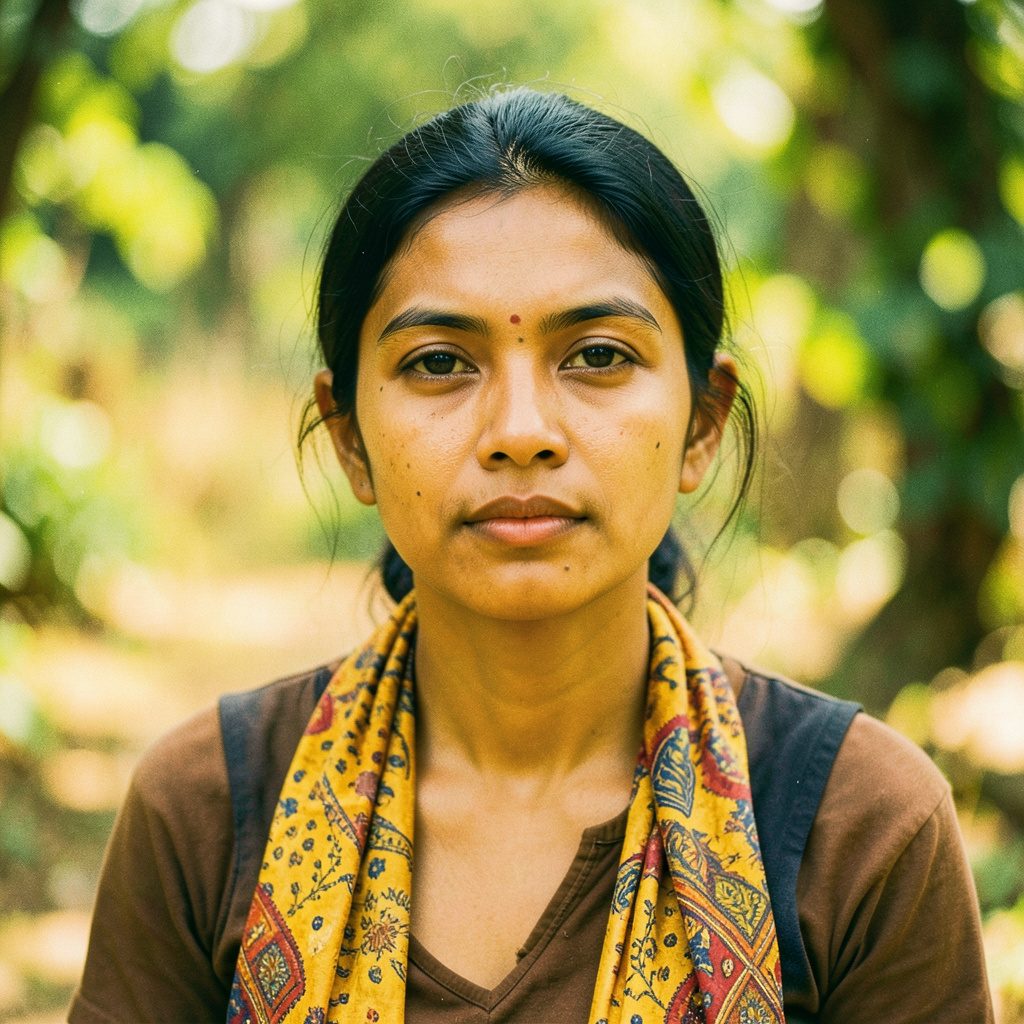
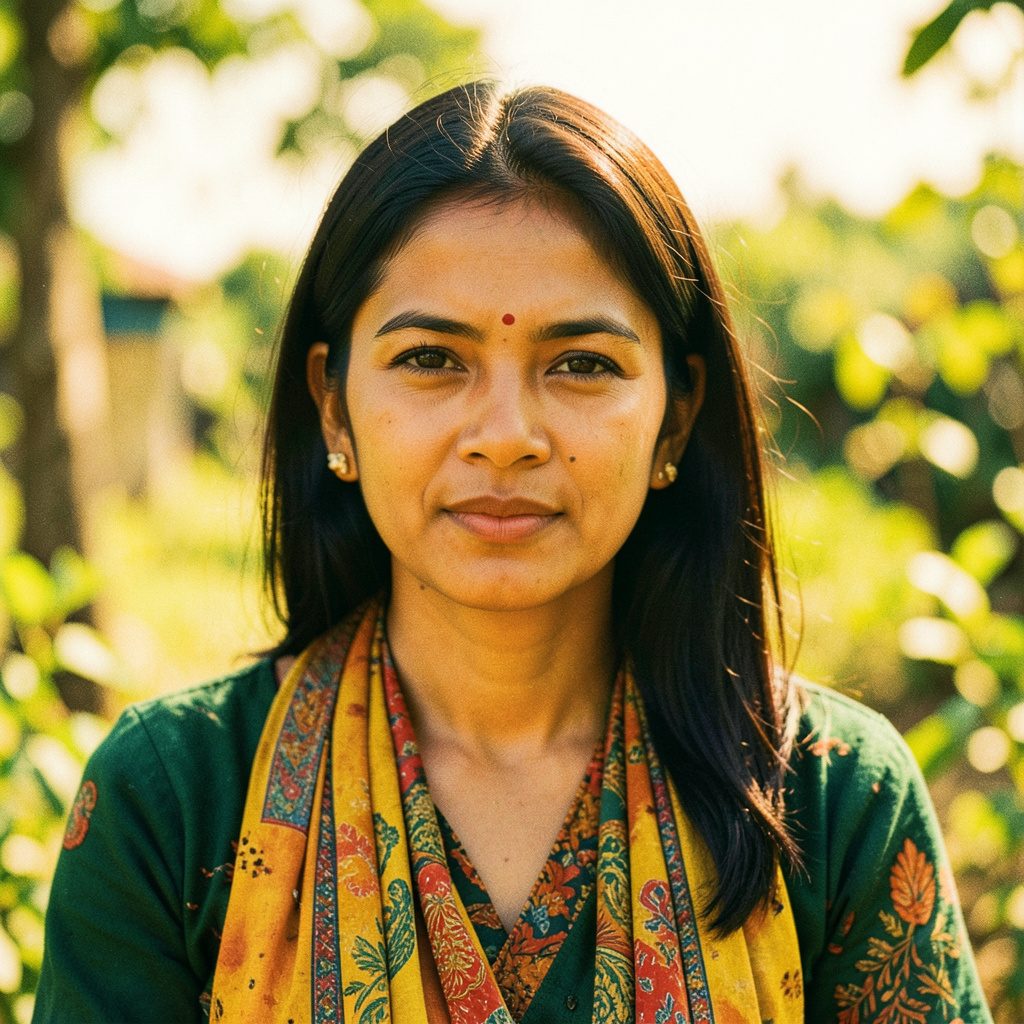
Myanmar’s fashion scene is being reshaped by creators who use Instagram, TikTok, Facebook and short-form video to turn personal style into a daily conversation. Their influence reaches beyond runway appearances, magazine covers and television work. A well-timed portrait, styling reel or behind-the-scenes clip can now introduce a designer to thousands of people within hours.
The social media influencer has become a new kind of fashion intermediary. These personalities may be models, actresses, photographers, makeup artists or simply individuals with a strong visual identity. Their appeal often comes from a combination of polished imagery and direct communication, allowing followers to see both the finished look and the person behind it.
Myanmar’s visual culture gives this shift a distinctive character. Traditional longyi styling, contemporary streetwear, beauty trends and formal occasion dressing can appear in the same feed. Creators are also using local settings, languages and cultural references to make fashion feel relevant rather than imported.
For Australian audiences, this is an engaging market to watch. The same mix of aspirational imagery and everyday personality can be recognised in Melbourne’s laneways, Sydney’s creator events and Brisbane’s independent fashion community. Yet Myanmar’s influencer economy has its own history, aesthetics and commercial pressures.
From Magazine Covers To Personal Feeds
Before social platforms became central to fashion discovery, a model’s public image was largely shaped by editorial teams, casting directors and magazine publishers. A cover or formal portrait could establish a career, but the audience had limited access to the person outside the published image. Social media has opened that relationship.
Influencers now curate their own visual archives. A single account can combine studio portraits, casual outfits, beauty tutorials, travel photographs and images from traditional ceremonies. This variety helps followers understand a personality’s taste over time, while giving brands more opportunities to assess whether a creator fits their identity.
The shift is especially significant for emerging talent. A young model who may not yet have appeared in major print publications can build a recognisable profile through consistent photography and thoughtful captions. In this environment, an editorial photo archive such as Myanmar-model.net provides useful context by showing how fashion personalities have been represented across different shoots and eras.
A Visual Language Built For Mobile Screens
Influencer fashion is designed for quick attention. Strong colour, expressive poses, close-up beauty shots and carefully framed backgrounds work well on a phone screen. This does not mean the imagery is shallow; it means creators understand that composition must communicate before a viewer reads the caption.
Myanmar creators often balance highly finished photographs with informal video. A portrait may present a graceful, carefully controlled image, while a later clip shows the preparation behind the styling. This movement between glamour and accessibility creates trust and keeps a feed from feeling like a static advertising catalogue.
Local dress is also being reinterpreted through this format. Longyi, contemporary tailoring, modest silhouettes and occasion wear can be styled for different audiences without losing their cultural meaning. Fashion influencers act as visual translators, showing how heritage pieces can work in modern wardrobes and digital spaces.
Platforms Shape The Business
Each platform encourages a different kind of influence. Instagram remains valuable for photography, brand presentation and portfolio building, while TikTok rewards movement, personality and rapid discovery. Facebook continues to matter for broad reach, especially when posts are shared through established communities and fan pages.
The commercial model is developing alongside these platforms. Brands may offer paid posts, gifted clothing, event appearances, affiliate arrangements or longer ambassador partnerships. Clear labelling matters because followers need to distinguish an independent styling choice from a sponsored placement.
Australian marketers will recognise some familiar patterns, although the scale and infrastructure differ. A Melbourne label might use a creator to generate content around a pop-up in Fitzroy, while a Myanmar designer may rely more heavily on direct messages, personal networks and social commerce. In both markets, a creator’s ability to produce attractive, reliable content can be as important as their follower count.
| Influence pathway | Traditional fashion media | Social creator model |
|---|---|---|
| Image control | Led by editors and photographers | Shared between creator and brand |
| Publishing speed | Planned weeks or months ahead | Often immediate |
| Audience relationship | Broad and largely passive | Direct, conversational and measurable |
| Career entry | Industry contacts and formal casting | Consistent content and community growth |
| Commercial value | Circulation and reputation | Engagement, sales, reach and reusable content |
What Makes A Creator Credible
Follower numbers can be useful, but they do not tell the whole story. A smaller creator with strong engagement may produce better results for a niche label than a celebrity whose audience is spread across unrelated interests. Comments, saves, repeat viewers and the quality of discussion often reveal more than a headline statistic.
Consistency is another important signal. Creators who maintain a clear visual identity are easier for audiences and brands to remember. That identity might centre on editorial portraiture, modest fashion, beauty, street style or cultural storytelling. The strongest profiles usually develop through repetition without becoming predictable.
Useful standards for evaluating a potential fashion collaborator include:
- A recognisable point of view across photographs and video
- Transparent disclosure of paid or gifted partnerships
- Genuine interaction with followers rather than copied comments
- Reliable publishing habits and professional communication
- Content quality that suits the intended audience and platform
For an Australian brand, cultural fluency should sit beside performance data. A creator who understands Myanmar’s local references may communicate far more effectively than an outsider using generic regional imagery. The right partnership should feel informed, respectful and visually natural.
Culture, Identity And Modern Styling
The growth of influencer culture does not erase older fashion traditions. Instead, it gives creators new ways to frame them. Traditional clothing can be photographed with the same care as international designer wear, while a modern outfit can borrow colour, fabric or silhouette from local dress.
This matters because fashion is often connected to identity, family occasions, work and public reputation. Influencers can show how people move between these settings. A formal look for a celebration, a practical outfit for a city day and a fashion-forward editorial image may all belong to the same creator’s world.
For viewers in Australia, this offers a richer alternative to treating Southeast Asian fashion as a single category. A Sydney audience familiar with multicultural styling may appreciate the layered references, while Melbourne’s independent fashion crowd may respond to the contrast between heritage techniques and experimental photography. The most effective coverage gives those details room to breathe.
From Audience Attention To Brand Partnerships
Commercial opportunities are expanding, but they require careful judgement. A creator may be paid to feature clothing, invited to launch an accessory line or asked to produce images that a brand can reuse. The agreement should clarify usage rights, timing, exclusivity, editing control and whether the creator must avoid competing labels.
Digital entertainment and affiliate promotion can also overlap with influencer publishing. That makes editorial transparency essential when a fashion-focused audience encounters unrelated commercial material, including bonus-led promotions. Clear separation between an image archive, a sponsored post and an external promotion protects audience trust.
The Australian market provides a useful comparison. Local creators commonly work with boutique labels, department stores and tourism campaigns, but they also face strict expectations around advertising disclosure and brand safety. Myanmar’s market is evolving within its own media environment, so partnerships should be judged by local audience behaviour rather than copied wholesale from Sydney or Melbourne.
The Next Wardrobe Of Influence
The next phase will likely involve stronger links between creators, photographers, designers and small production teams. Instead of waiting for a large publication to approve a story, these groups can build a complete visual campaign themselves. That creates more room for experimental styling and gives emerging professionals a route into the fashion industry.
Video will continue to expand the meaning of a fashion image. Followers may see fabric movement, fitting sessions, makeup changes and the atmosphere of a shoot, rather than only the final portrait. At the same time, high-quality still photography will remain important because a carefully made image can define a creator’s public identity.
Myanmar’s influencer economy is therefore more than a shift in advertising. It is changing how fashion is documented, discovered and remembered. For anyone studying the country’s models, actresses and style personalities, the most useful approach is to view social feeds alongside editorial photography and cultural context. A practical takeaway is to assess every creator through the combination of visual consistency, audience trust, local knowledge and transparent partnerships.