Plus-size models reshape Myanmar’s fashion media
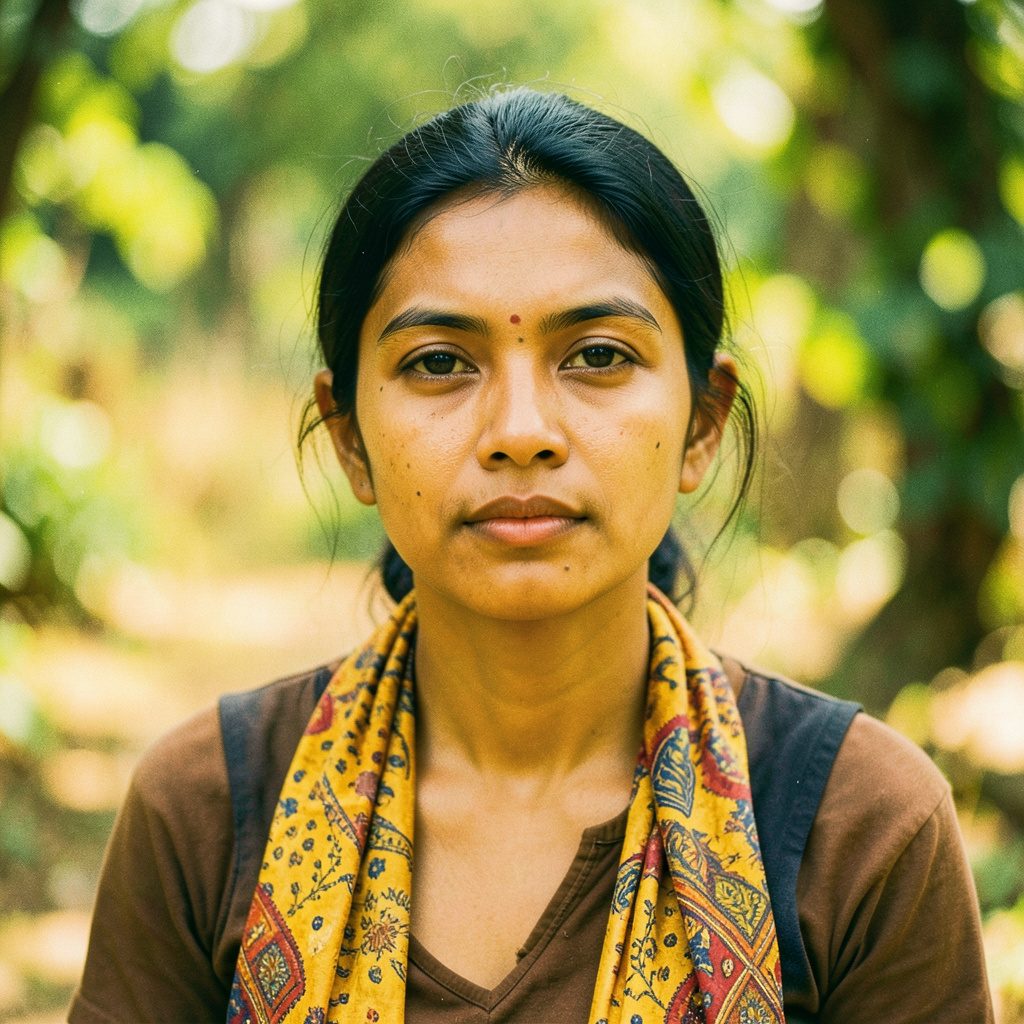
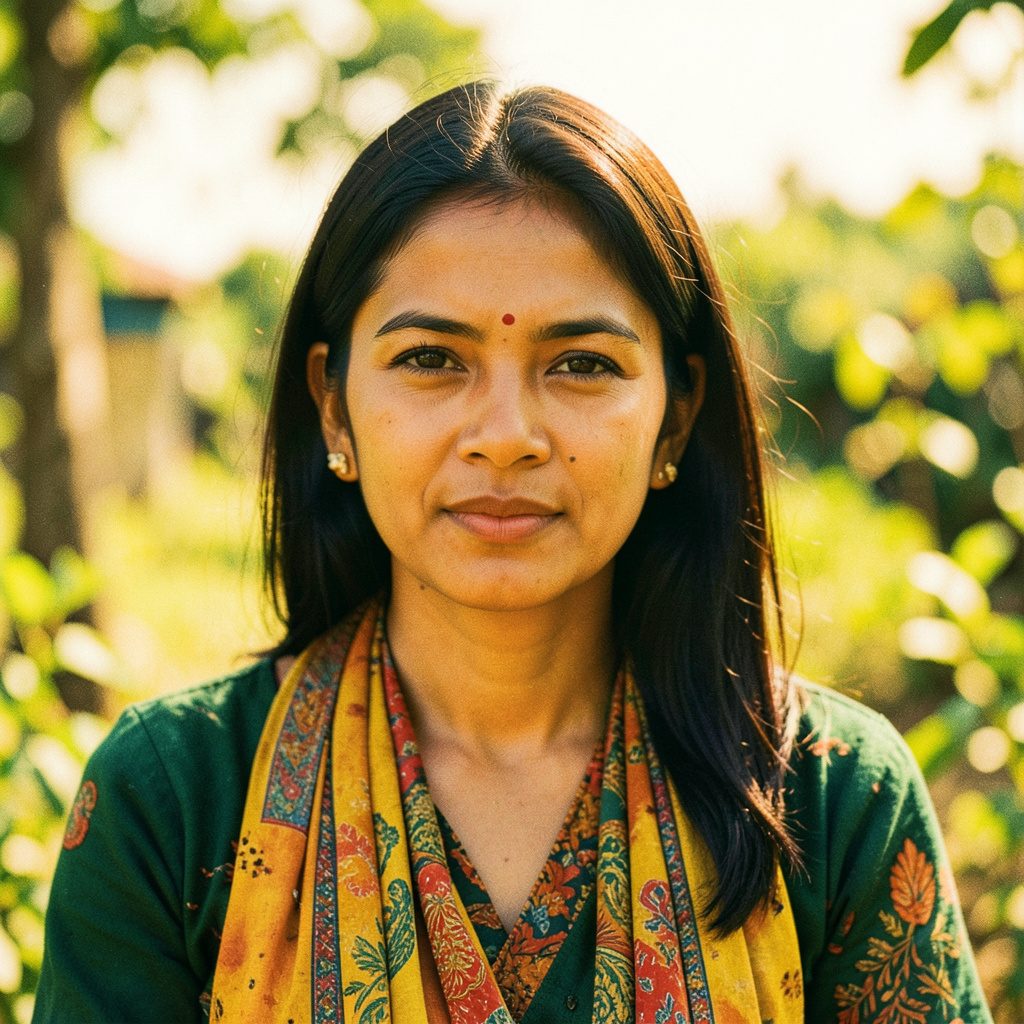
The rise of plus-size models in Myanmar’s fashion industry is visible in magazines, photo archives, traditional dress features and digital campaigns. Fuller-figured women are gaining space in imagery once associated with a narrow ideal of beauty. For a photo-focused archive such as Myanmar-model.net, these photographs matter because they preserve the changing visual language of the country’s style scene.
The shift is gradual rather than complete. Smaller labels, regional beauty expectations and limited access to size-inclusive tailoring still shape casting. Yet curvy models and women with fuller figures are now easier to find through model-name tags, themed photo collections and online editorials. Their growing presence challenges a long-standing equation of fashionability with youth and slenderness while revealing the work of stylists, photographers and clients behind the change.
Visibility changes the camera frame
Traditional fashion imagery in Myanmar has often centred a slim, carefully groomed ideal. Larger women were visible in family, ceremonial and cultural photographs, but they were less likely to receive the styling, lighting and editorial framing associated with celebrity shoots. As curvy and plus-size models move into fashion photography, the camera frame itself becomes part of the cultural conversation.
That visibility is more than a matter of appearance. A confident pose, a garment cut for a larger torso or a model directing attention through her expression can complicate familiar standards of elegance. Coverage can also show how body shapes vary across Myanmar’s regions and communities, giving audiences a richer picture than the singular ideal repeated in older fashion coverage.
Traditional dress meets size diversity
Traditional clothing adds a particularly interesting dimension to size-inclusive modelling. Myanmar garments such as longyi, sin and htamein have long been worn by women of different sizes; what is changing is their presentation as styled fashion rather than everyday necessity. Photographers now have more opportunities to explore the drape of woven fabric, the architecture of a waistcoat and the relationship between a patterned blouse and a wrapped skirt.
Contemporary shoots place those traditions alongside Western tailoring, bridal wear and minimalist studio looks. The styling challenge is to avoid treating a fuller body as something to conceal while respecting the cultural character of each outfit. Hair and beauty choices can complete that balance, with everyday hairstyle inspiration offering ideas for polished updos and softer looks suited to both traditional and modern ensembles.
Magazines and social images build an archive
Magazine covers have always compressed an industry’s image of itself into a few square metres. A plus-size model on that surface can therefore carry unusual influence, replacing a familiar template with a face and silhouette readers may not have expected. When the cover is supported by a full editorial, however, the images can move beyond a single dramatic image and document movement, texture and personality.
Digital publishing has widened the same effect. Model-name pages, popular-post galleries and tags such as traditional fashion let viewers trace an individual’s work across different shoots, while mobile platforms reward images built for scrolling. Photo archives are especially valuable because they preserve context that a fast-moving feed can lose, including the photographer, location, clothing credits and the visual choices surrounding each body.
Visibility creates commercial value
Editorial visibility can create commercial opportunity, although the two should not be confused. A successful magazine feature may lead to campaign work, bridal bookings, catalogue modelling or appearances at cultural events, giving fuller-figured models another route into the industry. Repeat work is crucial because it changes a brand’s casting habits and shows clients that a wider range of bodies can sell products and attract lasting attention.
The commercial lesson is that representation works best when it is consistent and professionally resourced. Proper fitting, adequate wardrobe options, fair usage rights and photography that credits the model’s performance all affect whether an inclusive image feels genuine. A brand that hires one larger model for a provocative concept may gain a headline, while a regular campaign can build familiarity and trust with the audience.
What Australia’s inclusive market shows
Sydney and Melbourne offer useful points of reference for anyone following this change. Australia’s multicultural style audience is accustomed to seeing different ages, heights and body types in retail campaigns, and labels including Stollaire and Betty in the ATTIC have established a visible market for curvy fashion. Melbourne Fashion Week has provided a platform for designers questioning conventional runway casting, while Sydney’s independent boutiques and coastal street style broaden the visual vocabulary.
Australian online shoppers also bring familiar expectations to fashion websites: tracked Australia Post delivery, clear size charts, responsive customer service and straightforward returns. Those customs reveal how size-inclusive fashion becomes a sustainable market rather than a symbolic gesture. Myanmar’s conditions differ in scale, income and media infrastructure, yet the principle carries across: customers respond when clothes fit properly, models receive proper recognition and imagery is not treated as a passing exception.
The wider meaning of the new images
For readers of Myanmar-model.net, the rise of these models can be examined through visual details rather than labels alone. Fabric, tailoring, posture, jewellery, location and the relationship between photographer and subject all reveal how an image was constructed. Browsing by model name or theme also helps readers separate consistent professional work from a single campaign, showing whether larger women are represented as a normal part of fashion culture.
The clearest standard is simple: cast a wider range of bodies, dress them with the same care, present their styling as desirable and credible, and credit the expertise that creates the picture. When those elements align, a fuller-figured model is no longer a break from the established look; she becomes evidence of a more expansive fashion industry.