When Makeup Becomes the Main Character
Photography magnifies every decision made by a makeup artist. A reflective cheek highlight that appears softly luminous in person can become a sharp stripe beneath studio flash, while a carefully blended smoky eye may register as a single graphic shape on a magazine cover. Fashion imagery therefore treats makeup as both styling and visual architecture.
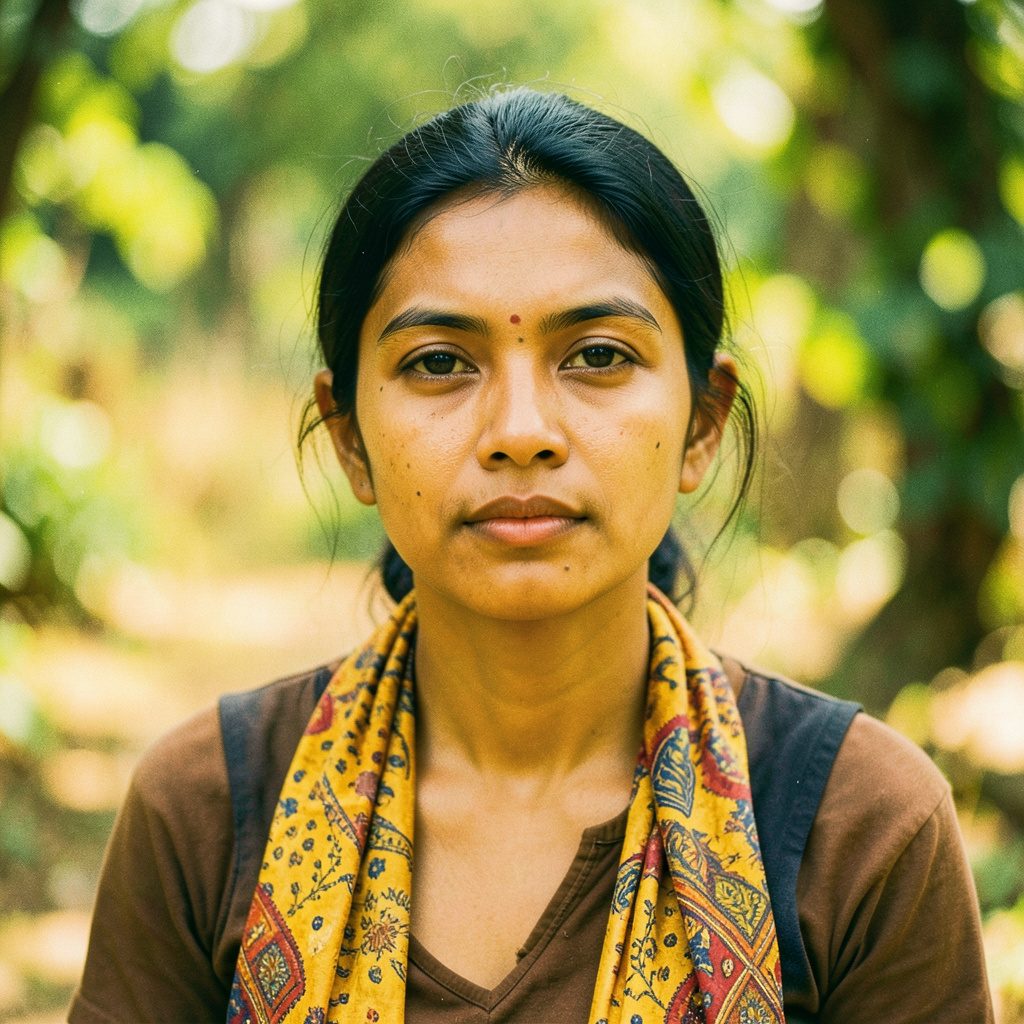
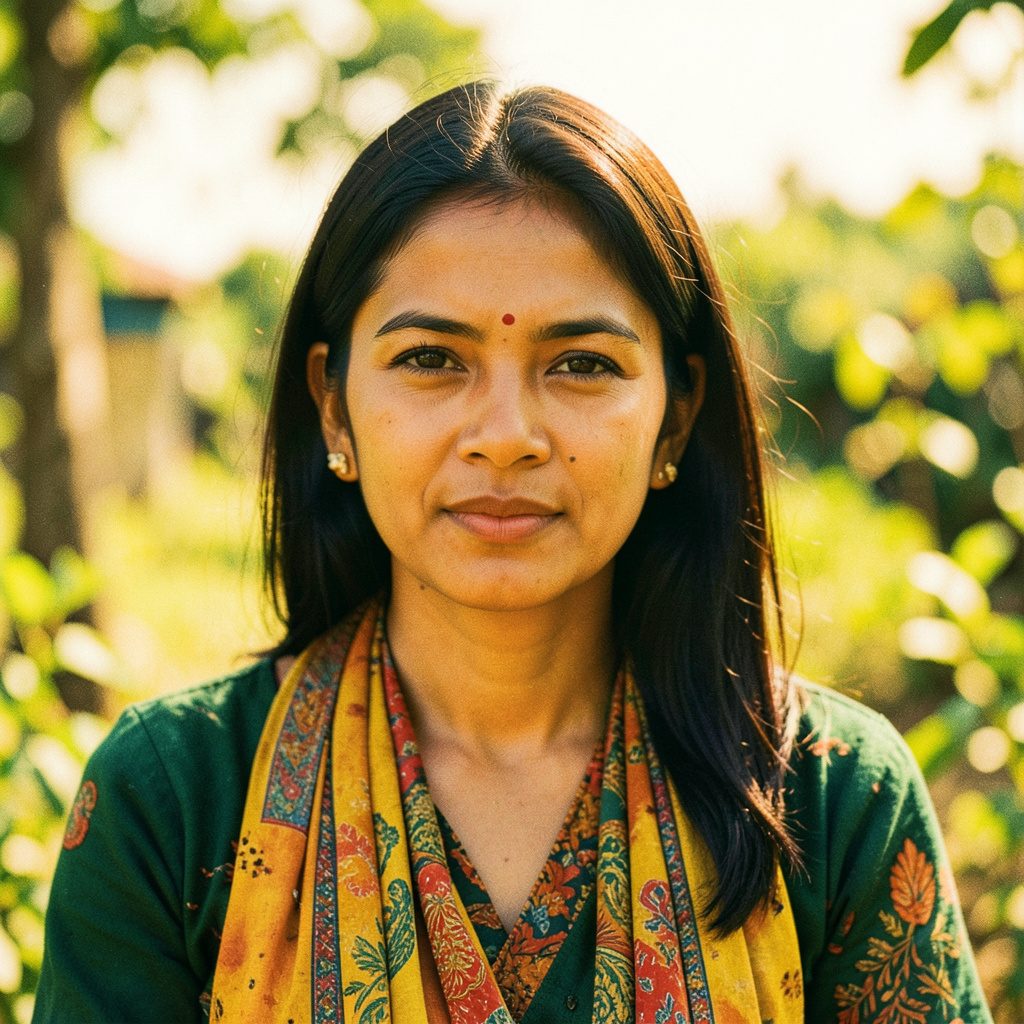
The most dramatic makeup looks from fashion photoshoots succeed through coordination rather than sheer excess. Colour, skin, hair, clothing and lighting must point toward the same editorial idea. For readers browsing image-led archives such as Myanmar-model.net, this is where fashion shoots become compelling: the finished photograph reveals a complete look, even when the individual products remain invisible.
Beauty as Editorial Language
Dramatic beauty looks often begin with a clear concept: sculptural eyes, a saturated lip, luminous skin or an entire face covered in monochromatic colour. Combining every bold feature can make a portrait feel busy because the viewer has no obvious place to rest. A strong editorial image usually concentrates its impact around one focal area and allows the rest of the face to support it.
This principle explains why magazine covers can feel more expressive than everyday beauty portraits. The makeup has to hold attention at a reduced scale and survive hard cropping. Bold brows might work best beside a neutral complexion, while a deep red lip can provide enough contrast without requiring equally forceful eyeliner. Australian fashion-week imagery in Sydney and Melbourne follows the same visual logic, balancing runway impact with the need for each model to remain recognisable.
Smoky Eyes and Graphic Liner
A smoky eye gains its shape from gradation rather than darkness alone. artists typically build a soft shadow in the crease, deepen the outer corner and leave a controlled point extending toward the temple. The result can look smoky from a distance while retaining subtle tonal variation in a close portrait. Graph liners offer another route, using clean wings or elongated points to direct the eye with very little visible shadow.
The eye area also has to survive the shoot environment. Australian summers bring heat, humidity and sweat, making waterproof liner and crease-resistant formulas especially useful. Translucent setting sprays can secure a blend without adding the dry, chalky finish that appears harsh under flash. For an editorial wash of colour, artists can press pigment onto the lid and diffuse the edges before defining the lashes.
Photography changes the apparent weight of these looks. A small amount of shadow near the inner corner can seem more intense when captured vertically on a phone screen at arm’s length. Conversely, an elaborate graphic wing may look restrained in a wide frame. The relevant test is not how complicated the eye looks beside the artist, but how clearly its shape reads in the final photograph.
Complexion, Highlight and Texture
Complexion makeup provides the structure beneath dramatic colour. Contouring can sharpen the cheekbone, brow bone and jaw, while highlighter is placed where light naturally bends around the face. Powder controls shine under continuous lighting, and a translucent layer can soften texture without flattening the skin completely. The aim is a face that appears deliberately constructed, not masked.
Australia’s strong UV index makes sunscreen an essential part of preparation, particularly for outdoor campaigns. Moisturiser and SPF should be applied before primer, followed by a foundation or tint suited to the model’s skin. Glossy finishes may need selective blotting, while matte products can require blending where flash creates a stark contrast between the face and neck.
Texture deserves careful attention as well. Peach fuzz, visible pores and brush marks might disappear in soft editorial light but become prominent in close digital crops. Retouching can minimise them, although photographers and artists still need to agree on how much natural texture should remain. Across an archive featuring Myanmar models and international fashion talent, flattering clarity should never erase the individual character of the face.
Hair, Costume and Cultural Context
Makeup does not operate independently of the rest of the image. A metallic eye may complement lacquered hair and a sharply tailored coat, while soft peach tones might accompany flowing fabric or traditional dress. For galleries built around Myanmar fashion, actresses and celebrities, the relationship between contemporary beauty and cultural clothing is especially important. Traditional clothing should be treated as a living style with its own visual logic, not simply as a backdrop for experimental makeup.
The same principle appears in a profile of the Surabaya vintage bicycle community, where weathered frames, coordinated clothing and shared routines turn individual details into a recognisable visual identity. A dramatic look gains credibility when every choice supports the character being presented.
Australian audiences also encounter fashion shaped by many cultural influences. Sydney and Melbourne’s multicultural communities contribute to a market where makeup trends move quickly between South Asian, East Asian, African and European traditions. Spring racing culture in Melbourne and Sydney adds another reference point, with polished complexion makeup, defined brows and striking lips complementing intricate hats and formal dress. Local interpretation matters; copying a runway look without considering the event, culture and climate often produces a costume rather than a convincing style.
A Practical Shoot-Day Checklist
Preparation should happen before the camera appears. Artists need to know the concept, lighting setup, clothing materials and intended crop, because each detail affects product choice. A half-face test under the actual light reveals problems that a bathroom mirror can hide.
Useful preparation includes:
- Choose one dominant beauty idea and support it with quieter skin, hair and clothing details.
- Test every cream shadow, liner and highlight with the lighting and camera settings planned for the shoot.
- Apply sunscreen early, then select primers and setting sprays that suit Australian heat and humidity.
- Photograph swatches and half-face comparisons on the same device used for references and approvals.
- Keep a clean or lightly styled frame from each look to help the retouching team understand the intended texture and colour.
Australia’s trend-led beauty counters at Mecca, Sephora and Ulta Beauty offer convenient access to new products, but availability does not replace planning. A dramatic look should be built around a clear image, reliable formulas and the model’s features rather than whatever has recently reached the market.
The Edit-Ready Test
A finished look must work beyond the moment of application. Check how the makeup behaves in a vertical crop, under camera flash and beside the finished costume. If the image can be viewed clearly on a small screen without losing its central idea, the look is likely to hold its strength across a gallery, magazine spread or social-media crop.
Dramatic makeup should also remain connected to the subject. Extreme colour can flatter one face and overwhelm another, while a carefully placed reflective detail may provide more impact than an entire painted eyelid. The strongest editorial photographs feel precise without looking laboratory-made; their boldness has been refined until every visible element seems intentional.
A successful photoshoot look is not simply the most extreme appearance in the room. The practical takeaway is to choose one visual message, test it under the real lighting and refine each layer until the final image communicates that message with clarity.