Bollywood’s Quiet Impact on Myanmar Fashion
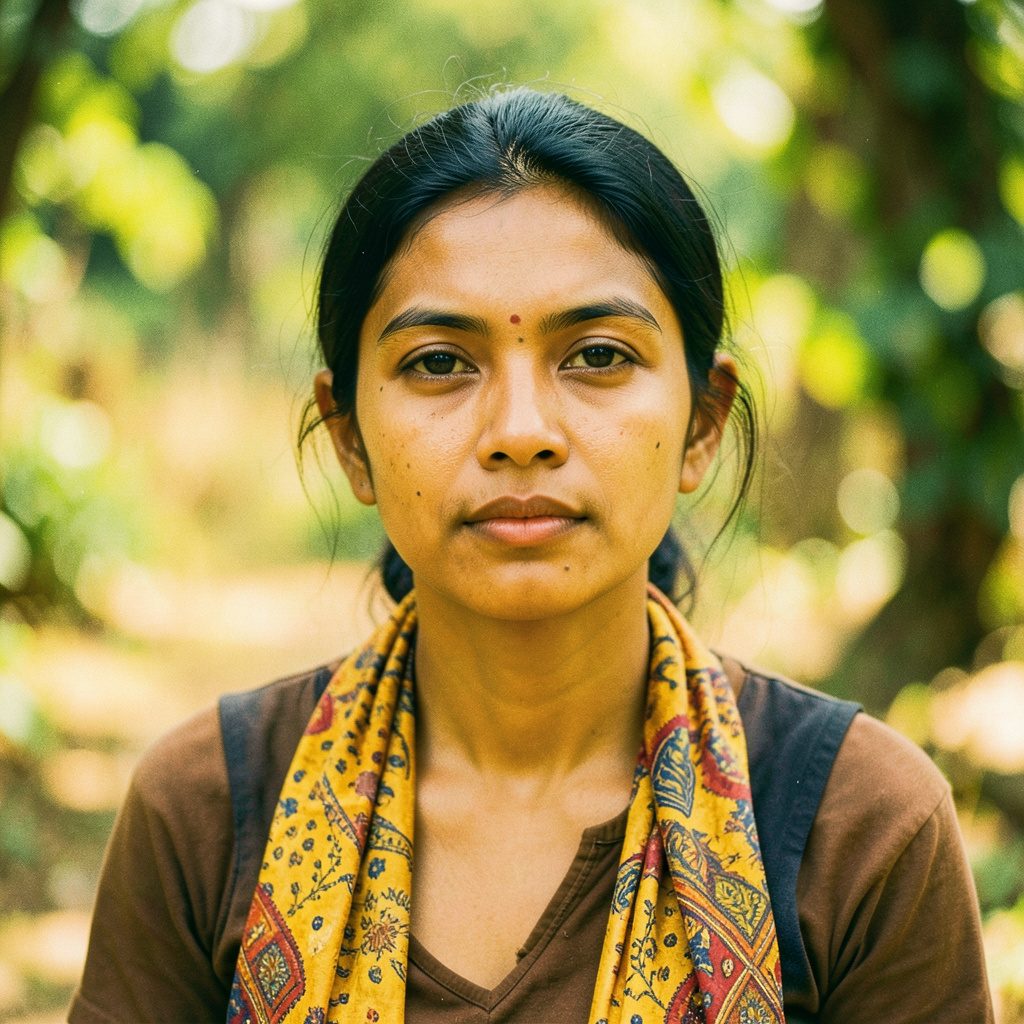
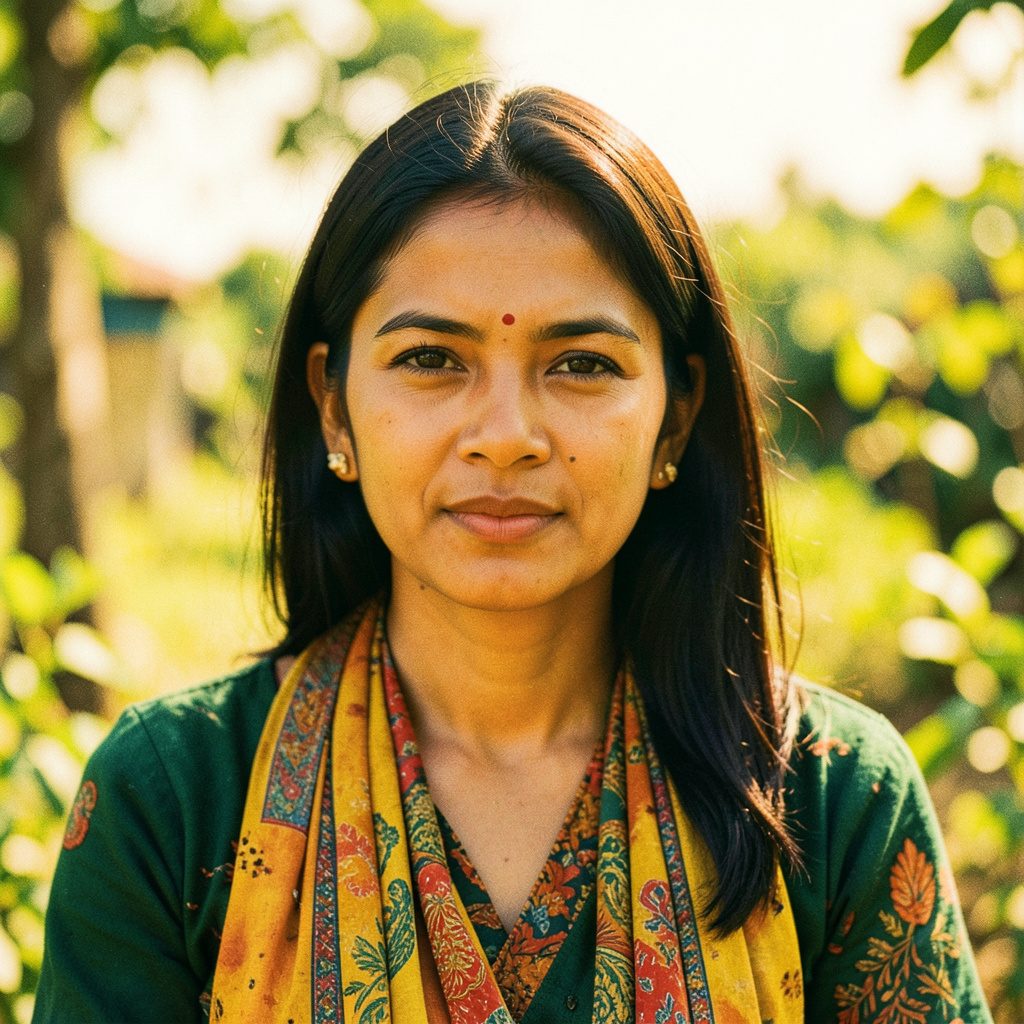
The influence of Bollywood on Myanmar fashion trends is easiest to see in photographs. Sarees, embroidered blouses, flowing veils and elaborate jewellery appear beside film-inspired makeup in magazine shoots and celebrity galleries. These images show how Indian cinema has supplied a vocabulary of silhouettes and styling ideas that Myanmar designers, beauty artists and fashion personalities continually reinterpret.
Bollywood influence does not mean outfits are copied without change. Myanmar audiences encounter screen fashion through television, videos, magazines and social media, then adapt what they see to local ceremonies, climate and cultural customs. The result is often a hybrid look: familiar Bollywood glamour combined with Burmese textiles, lace, thanaka and restrained or modest styling.
For an image-led archive such as Myanmar-model.net, this relationship is particularly revealing. Magazine covers and studio portraits preserve not only international trends but also the creative decisions involved in making those trends suitable for Myanmar. A photograph can therefore document celebrity appeal, regional identity and commercial ambition at the same time.
Australian readers may recognise the process from the fashion industries of Sydney, Melbourne and other multicultural cities. Indian diaspora communities, specialist retailers and online marketplaces have created their own exchange of garments, styling advice and cultural references, offering a useful parallel for understanding how Bollywood shapes fashion beyond South Asia.
From cinema screens to daily wardrobes
Indian films have circulated in Myanmar for decades, initially through cinema distribution and later through television, DVDs and online video. Repeated exposure to actors, models and choreographed costume changes made certain visual formulas familiar. Brightly embroidered dresses, wide palazzo trousers and neatly draped scarves became identifiable markers of cinematic glamour.
Audiences rarely reproduce those looks in isolation. A film-inspired blouse may be paired with a Myanmar longyi, while a lehenga-style skirt might be simplified for a daytime event. Designers also borrow construction details such as fitted waists, decorative borders and coordinated veils without adopting the complete screen ensemble.
Fashion photography spreads these hybrid choices further. Covers, promotional portraits and editorial shoots place traditional and contemporary clothing in the same visual field, encouraging readers to imagine new combinations. The images are more than records of celebrity style; they help establish which garments and beauty treatments feel modern, desirable or appropriate for a particular moment.
Silhouettes that travel across borders
Among the most recognisable borrowed silhouettes are the sari, lehenga choli, salwar kameez and kurta. Each offers a different balance of volume, movement and structure. Myanmar interpretations often favour elongated proportions, practical closures and decorative surfaces suited to the country’s warm climate.
The sari demonstrates how strongly a single garment can travel. In cinema, it may signal romance, ceremony or festive elegance. In Myanmar fashion shoots, the same drape can be combined with a contemporary blouse, traditional lace or a Western-style accessory. Alterations at the shoulder and waist allow the sari to sit securely while preserving its flowing appearance.
The lehenga choli and coordinated trouser outfits have similarly influenced occasion dressing. Sequins, metallic thread, sheer panels and floral embroidery transfer readily from screen imagery into runway and studio collections. Rather than remaining exact replicas, these features often appear beside locally sourced textiles and regional colour preferences.
Beauty, jewellery and celebration dressing
Bollywood also shapes expectations about beauty. Strong eyeliner, sculpted brows, luminous skin and saturated lipstick are prominent in film posters and behind-the-scenes portraits. Myanmar beauty artists may soften or intensify these conventions according to the occasion, and traditional facial decoration remains an important alternative to screen-inspired makeup.
Jewellery provides another visible connection. Layered necklaces, large earrings, bangles, maang tikka and ornate waist pieces frequently appear in celebratory shoots. Some pieces echo characters seen in popular films, while others combine Indian-inspired forms with Burmese motifs. Gold tones and elaborate bridal ensembles remain especially prominent in photographs of weddings and formal events.
For clothing collectors and stylists, it is useful to distinguish between shared South Asian design vocabulary and a direct cinematic reference. A temple-style necklace or embroidered veil may draw on several cultural traditions. Captions that describe the look simply as “Bollywood” can flatten that history, whereas more precise descriptions reveal how regional designers are combining references.
Why local adaptation matters
Thanaka, the traditional Burmese cosmetic paste applied in decorative patterns, gives Myanmar fashion a visual identity that differs from most Bollywood beauty conventions. Its appearance in contemporary portraits demonstrates that international influence has not displaced local practice. Instead, editors and stylists often place screen-inspired cosmetics beside a distinctive local feature.
Garments show the same negotiation. Lace, handwoven patterns, silk and traditional longyi forms provide a counterweight to heavily embellished cinematic clothing. Designers may use a Western-cut bodice with a Burmese textile, or add a film-style border to a locally made longyi. These combinations are not diluted versions of Bollywood; they are purposeful fashion decisions.
Respectful presentation matters within this cross-cultural exchange. Treating a specific Burmese garment as generic “Asian costume” erases the skill and cultural meaning behind it. Photo archives can preserve that context by naming the textile, garment and styling tradition, while identifying the screen reference separately when there is reliable evidence for it.
Australian readers and the local fashion market
Sydney’s Cabramatta and Melbourne’s Little India provide Australian settings where this visual exchange is especially visible. Sari shops, alteration studios, bridal boutiques and jewellery retailers serve customers who want film-inspired pieces alongside clothing made for local traditions. These businesses also demonstrate how international trends are reshaped by Australian preferences for fit, convenience and price.
Everyday Australian habits influence the result. Office dress tends to favour adaptable separates, while warm weather encourages lighter fabrics and less voluminous layers. Consumers may wear a sari with a simple shirt, pair a kurta with jeans or choose a embellished outfit for an evening event. Cultural familiarity, personal taste and workplace expectations all affect which borrowed elements survive.
Seasonal celebrations add another layer. Diwali events, weddings, dance performances and community gatherings create demand for garments that photograph well while remaining comfortable for dancing and long periods of wear. Online marketplaces have widened access to such pieces, but Australian law requires clear treatment of low-value imports. Since July 2022, GST has generally applied to overseas goods valued at A$1,000 or less when sold directly to Australian consumers, with marketplaces collecting the tax in many cases.
A comparison of borrowed style and local expression
The clearest differences emerge when screen references are placed beside actual local styling. Clothing, beauty and occasion dressing each develop differently depending on the cultural setting, even when a garment name or decorative feature remains recognisable.
| Element | Bollywood reference | Myanmar interpretation | Australian market context |
|---|---|---|---|
| Draped clothing | Flowing sari and lehenga silhouettes | Elongated drapes, fitted blouses and local textile accents | Casual separates, altered fittings and occasion-specific sari sets |
| Embroidery | Sequins, metallic thread and dense motifs | Combined with lace, handwoven patterns and regional colour choices | Buyers compare workmanship, fibre content and hand-finishing claims |
| Beauty | Bold eyes, bright lipstick and polished hair | Thanaka and Burmese facial decoration remain distinct anchors | Daytime restraint may contrast with more dramatic evening looks |
| Bridal styling | Red, gold and heavily ornamented ensembles | Local ceremonial dress combined with cinematic jewellery and makeup | Wedding and festival demand includes sari, lehenga and kurti options |
| Media influence | Star-led looks and film costume departments | Editorial reinterpretation by Myanmar designers and personalities | Diaspora social feeds, specialist retailers and marketplace reviews shape purchases |
This comparison shows why resemblance alone cannot establish a direct influence. Designers may share techniques, colours or silhouettes because they belong to a wider South Asian fashion network. Evidence becomes stronger when photographs connect a garment to a specific film, performer or period before showing its transformation in a Myanmar editorial setting.
A considered guide for following the trend
Readers and image collectors can assess these fashion connections without reducing Myanmar style to a single external influence. A practical approach includes:
- Separating confirmed film references from garments that merely share a similar silhouette.
- Identifying local textiles, embroidery methods and ceremonial details in each portrait.
- Checking descriptions of fabric, origin and handmade status against Australian Consumer Law requirements.
- Comparing multiple Myanmar publications or shoots before drawing conclusions about a wider trend.
- Viewing thanaka and traditional dress as active styling choices within contemporary fashion, not decorative afterthoughts.
None of these steps diminishes Bollywood’s visible impact. They instead reveal the creative work behind the finished photograph. Celebrities, magazine editors, designers and makeup artists each modify screen fashion to suit a particular audience, venue and cultural identity.
The lasting point to remember is that Myanmar fashion has never simply imitated the Bollywood image. It has absorbed, contested and reshaped that influence, producing distinctive looks in which cinematic glamour exists comfortably alongside local tradition and individual artistry.