How K-Pop fashion is reshaping Myanmar style
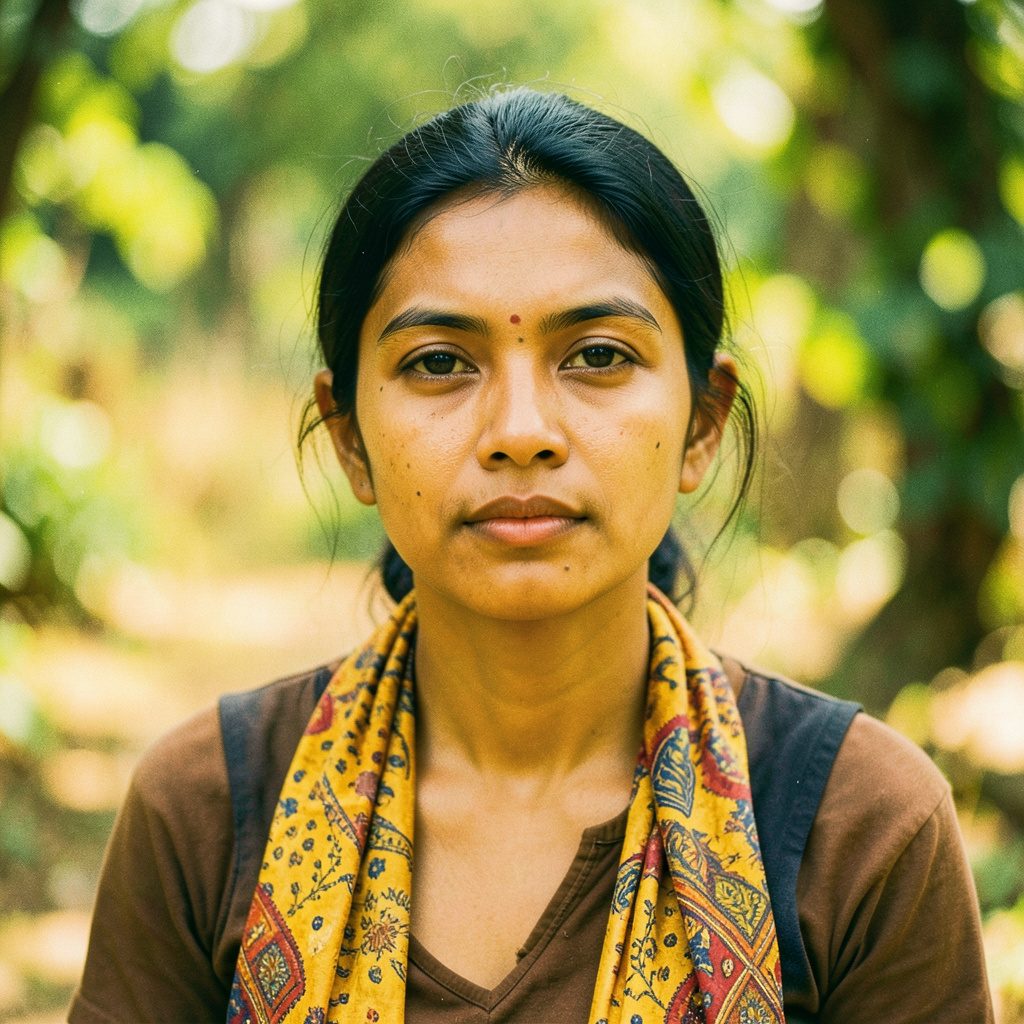
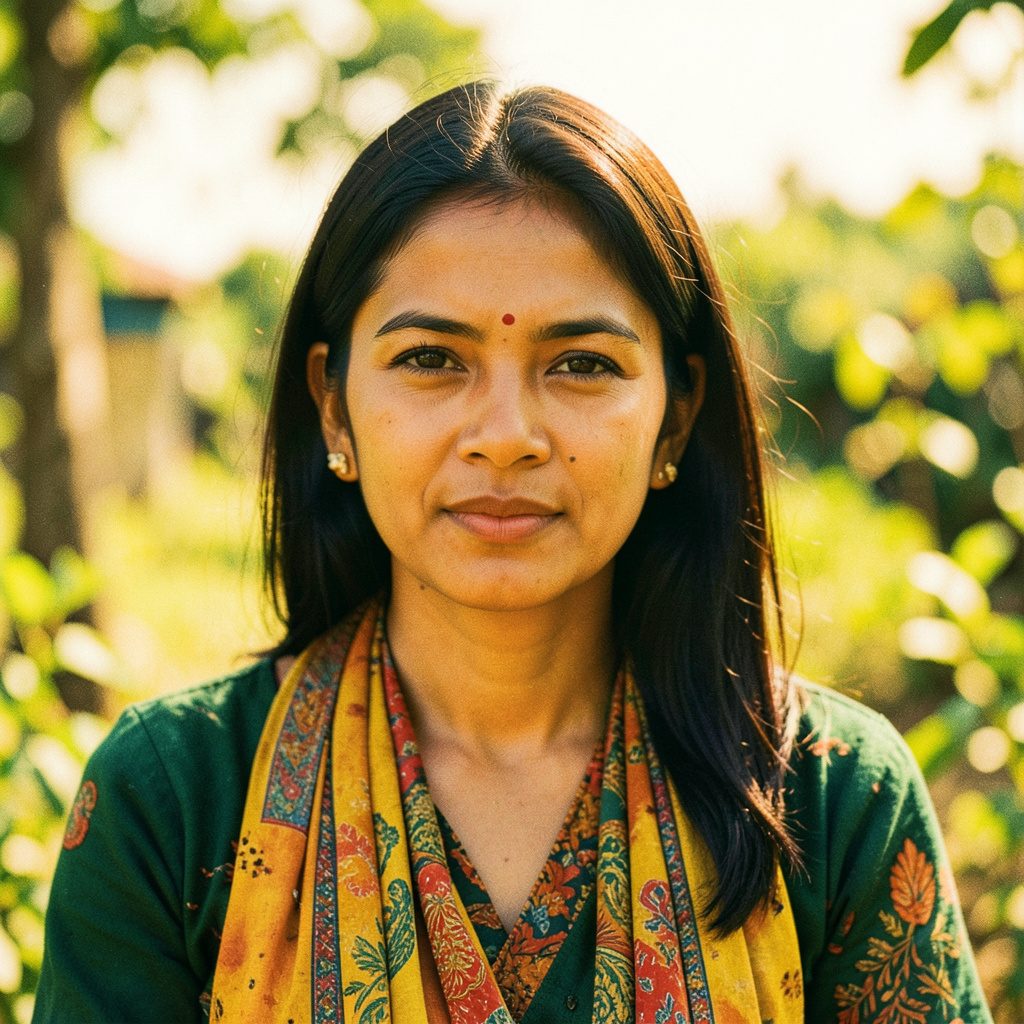
On Myanmar-model.net, magazine covers, studio shoots, traditional dress and celebrity portraits sit side by side as an editorial photo archive. That format reveals how the impact of K-Pop fashion on Myanmar style is rarely a simple copy of Korean looks. It is a conversation involving local textiles, personal taste, occasion and the photographers and stylists shaping each image.
The same conversation has a counterpart in Australia, where global pop culture arrives quickly but rarely becomes the entire wardrobe. Australian readers may recognise the polished silhouettes and coordinated colour stories of Seoul, yet the way they are worn often reflects local weather, independent boutiques and clothes that can move between errands, work and evening plans.
Why K-Pop style travels so well
K-Pop fashion spreads through unusually complete visual packages. A song arrives with stage costumes, music-video styling, promotional photographs and fan-caught airport images, so viewers can study an entire look rather than one isolated garment. Hair, makeup, posture and accessories all reinforce the same mood.
Myanmar audiences encounter this imagery through television, social media, online clips and fashion coverage. Local responses tend to be selective: a cropped jacket may be paired with a traditional skirt, a vivid knit may replace a Western logo, or a soft monochrome palette may suit a wedding portrait. These combinations make the influence visible without turning the country into a single trend.
The photo archive is especially helpful here. Model names, tags, popular and latest posts allow viewers to compare how one stylist or celebrity appears across different settings. The variation matters: adaptation becomes clearest when the same person changes between a magazine cover, a studio shoot and traditional clothing.
Colour, silhouettes and makeup
The strongest motifs include pastel tailoring, oversized outerwear, clean denim, fitted knitwear and restrained accessories. Stage pictures amplify these choices, while fashion editorials break them into separates. Makeup often favours a defined eye, softly contoured cheeks and a lip colour that reads clearly in photographs.
In Myanmar styling, those motifs acquire different proportions. Volume may be balanced by narrow trousers, while a sporty cap might sit beside gold jewellery. Traditional fabrics, the longyi or htamein, and locally made jewellery give borrowed forms a recognisable home. The result should not be read as a checklist for looking Korean: photographers can make a look feel authentic through pose, fabric and place, even when its silhouette originated elsewhere.
From music videos to magazine pages
Music releases create urgency, while magazine and gallery pages preserve the evidence. On Myanmar-model.net, those still images let a reader trace performance styling in everyday outfits and ceremonial dress. Accessories can travel with particular ease: a sculptural clip, slim sunglasses or metallic necklace may become the detail carrying Korean influence into a local portrait. Online collections of bridal headpieces belong to the same wider story, where decorative forms move from pop performance to personal occasion.
| Visual element | K-Pop reference | Myanmar interpretation | Australian wardrobe parallel |
|---|---|---|---|
| Colour | Coordinated pastels with one sharp accent | Soft tailoring adjusted to local fabrics and occasion | A single statement colour inside a neutral daily outfit |
| Silhouette | Oversized jackets and relaxed separates | Outerwear balanced with fitted or draped pieces | A roomy layer for cool mornings and air-conditioned interiors |
| Beauty | Defined eyes, soft contouring and clear lip colour | Restrained definition shaped by the portrait | Daytime polish that can carry into an event |
| Accessories | Coordinated caps, jewellery and bags | Pieces chosen to complement traditional or formal clothing | An individual accent from a local boutique or market |
Comparison helps isolate the shift. A Seoul runway jacket is not the same object as its Yangon interpretation, and both differ from the way the piece enters an Australian wardrobe. What travels is a design idea rather than a finished prescription, and the archive’s still images make that distinction visible.
What Australian readers can recognise
Australian shoppers encounter Korean influence through different channels from Myanmar audiences. Uniqlo and Zara place current trends within national networks, while Myer and David Jones anchor the department-store end of the market. Independent retailers in Melbourne’s laneways and around Chapel Street often provide a more edited interpretation, introducing new trends alongside locally made labels and pre-owned clothing.
The local vernacular is equally visible. The vocabulary of social posts is relaxed: an Australian might call an afternoon an “arvo” and offer “beaut” as quick approval, while a fashion caption can turn the same excitement towards practicality. In a warm Sydney summer or a cool Melbourne change, a K-Pop-inspired jacket is likely to be worn open, tied at the waist or moved into a smaller handbag by lunchtime.
Secondhand platforms such as eBay and local vintage markets also shape what appears in public. A distinctive K-Pop jacket may arrive through resale rather than a new purchase, and its worn condition can add character to a street-style photograph. Australia’s layered retail market therefore gives the trend many different physical forms.
Respect for tradition and individual taste
Myanmar fashion contains histories that K-Pop cannot replace. Traditional outfits, inherited jewellery and regional textiles continue to carry meaning at weddings, religious events and family celebrations. A Korean-inspired silhouette may refresh the shape of a jacket or the rhythm of a photograph, but it enters an existing cultural vocabulary rather than emptying it.
That distinction is easy to lose when coverage favours the newest celebrity image. The traditional-clothing galleries on Myanmar-model.net act as a corrective by keeping ceremonial and everyday references visible beside pop-fashion shoots. Readers can see continuity as well as change: a familiar drape may remain while colour, footwear or outerwear shifts.
For Australian audiences, this offers a useful lesson about borrowing. Global style gains depth when it is adjusted for local dress codes, climate and craft. A Sydney label, a Melbourne maker or a Myanmar studio can retain the visual excitement of a Korean reference while changing the fabric, construction and fit.
A future shaped by local choices
The next phase is likely to be hybrid rather than a conveyor belt carrying looks unchanged from Seoul to Yangon. New music releases will keep supplying fresh ideas, while local stylists answer with combinations suited to the people wearing them. Archive readers can follow that exchange through new covers, shoots and model tags. For Australian viewers, online clips show the finished look, whereas image archives expose the recurring colours, layers and accessories that make adaptation possible.
A durable record depends on keeping the context visible: who styled the portrait, which garments were local, and how the look functioned. For readers in Melbourne, the concrete next step is a dated outfit log containing one K-Pop reference, one locally sourced garment and one matching street-style photograph.