The Glow of Thanaka in Myanmar Celebrity Beauty Culture
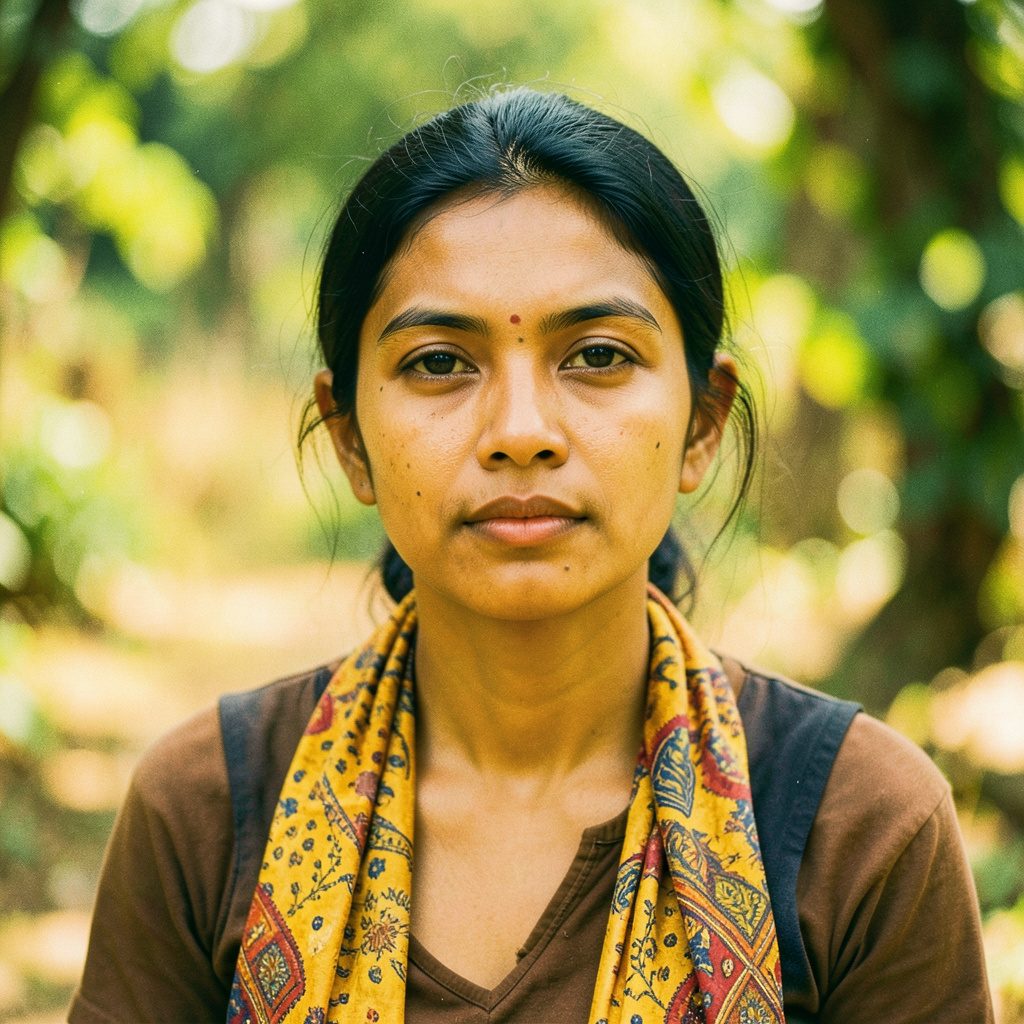
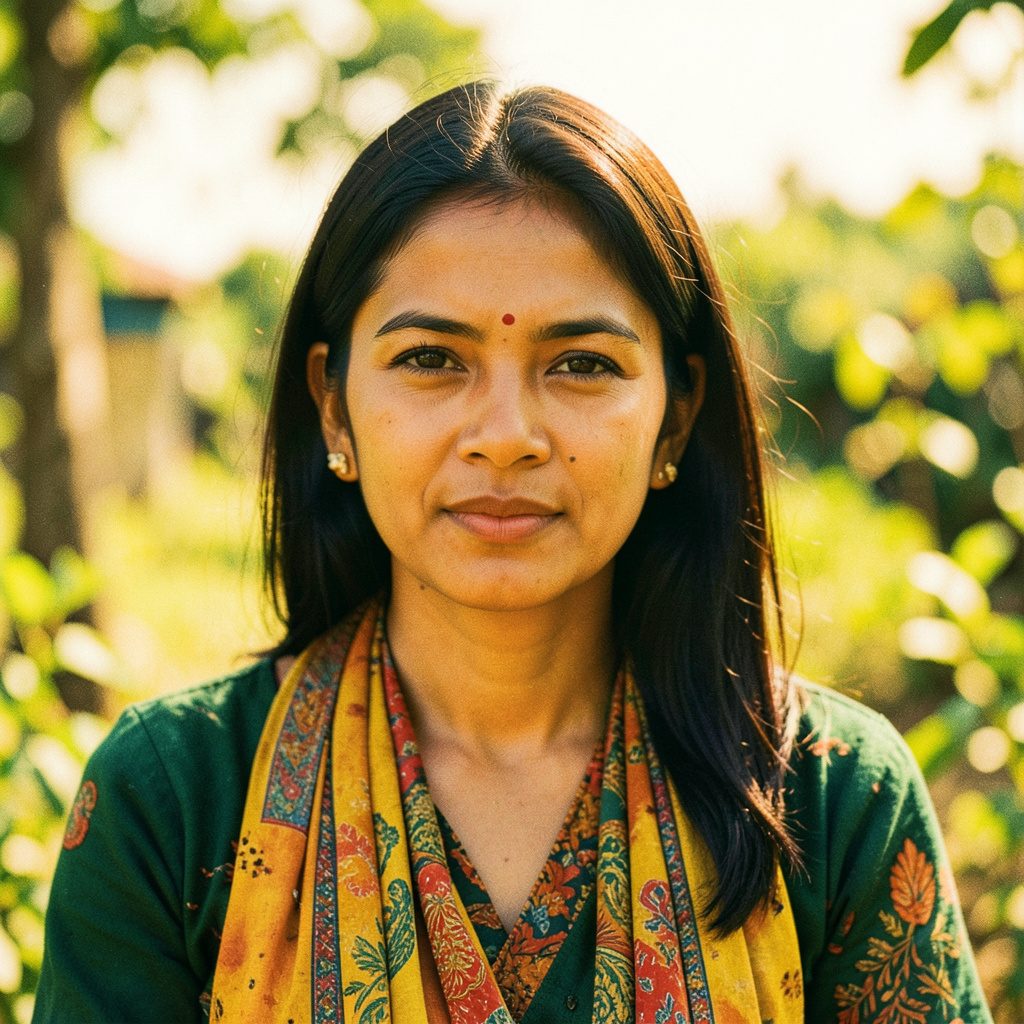
Thanaka is one of Myanmar’s most recognisable beauty traditions, yet its appeal extends well beyond a simple skincare trend. The pale golden paste appears in family rituals, street scenes, fashion portraits and celebrity photographs, creating a visual signature that feels both intimate and instantly recognisable.
For audiences in Australia, the appeal lies in that balance between heritage and everyday practicality. Thanaka offers a slower, more tactile approach to beauty, while its soft matte finish works beautifully in editorial images of Myanmar actresses, models and fashion personalities.
Thanaka’s Place In Myanmar Beauty
Made by grinding the bark, wood or roots of the thanaka tree with water on a flat stone, the paste has been used in Myanmar for generations. People commonly apply it to the cheeks, forehead and nose, sometimes blending it into a broad mask and sometimes drawing decorative circles or leaf-like patterns.
Its role is cultural as well as cosmetic. Thanaka can suggest care, modesty and connection to home, while its familiar scent and texture recall daily routines shared across generations. In celebrity portraits, this traditional element can soften the distance between a public figure and the audience, making a polished image feel grounded in ordinary life.
What Creates The Golden Glow
Fresh thanaka paste usually has a creamy beige or yellow tone, which can deepen as it dries. The finish is generally matte rather than glossy, giving the skin a velvety appearance that photographs particularly well under soft daylight. Its natural colour also complements warm-toned textiles, gold jewellery and the rich reds often seen in Burmese fashion styling.
Thanaka is traditionally associated with a cooling sensation and protection from sun exposure. That does not make it a replacement for tested sunscreen, however. The level of ultraviolet protection in homemade or commercial thanaka products is unpredictable, so a modern routine should still include broad-spectrum SPF, especially under Australia’s strong sun.
Celebrity Style And Editorial Photography
Myanmar celebrity beauty often moves between understated portraits and highly styled fashion shoots. A model may wear a simple thanaka pattern with a traditional longyi in one image, then appear in a contemporary gown, sharp tailoring or dramatic stage makeup in the next. This contrast gives thanaka a distinctive role: it can be a quiet mark of identity within an otherwise modern look.
Photo archives and magazine covers frequently highlight this visual conversation. Close-up portraits show the texture of the paste, while wider fashion images place it beside silk, handwoven fabrics, floral arrangements and sculptural jewellery. The result is more nuanced than a passing beauty fad because the image communicates history, styling and personality at the same time.
A Ritual Shaped By Climate
Myanmar’s hot, humid conditions help explain why a light, cooling facial paste remains appealing. Thanaka can feel refreshing when applied in a thin layer, and its dry finish may be more comfortable than heavy creams during the warmer months. The ritual is also uncomplicated: a small amount of paste, clean skin and a few minutes of drying time are often enough.
Australia requires a little adaptation. In Darwin or Cairns, humidity can make any facial product feel heavier, so a thin application may be preferable. In Melbourne or Canberra during winter, indoor heating and cold winds can leave skin tight, making a gentle moisturiser important before or after the paste. Around Bondi and other coastal areas, sun protection remains essential even when the thanaka creates a pale, powdery finish.
Traditional Dress And Modern Glamour
Thanaka becomes especially expressive when paired with Myanmar clothing. The smooth lines of a longyi, the sheen of silk and the detailed patterns of traditional garments create a visual setting where natural beauty rituals feel entirely at home. Celebrity styling may use a small cheek design as a focal point, allowing the face to remain fresh while the clothing carries the stronger colour.
This approach has clear relevance to Australian fashion audiences, where interest in cultural dressing, slow beauty and heritage craft continues to appear in independent boutiques, multicultural festivals and editorial campaigns. At markets in Sydney, Melbourne or Brisbane, shoppers may encounter imported beauty products beside textiles and handmade accessories. The setting encourages curiosity, but it also makes it important to distinguish a culturally meaningful product from a generic item using traditional imagery for packaging.
Adapting The Ritual In Australia
Anyone trying thanaka in Australia should begin with a product that clearly lists its ingredients and provides sensible storage instructions. Traditional preparations vary, and packaged versions may contain added fragrance, preservatives or other ingredients. A patch test on the inner arm or jawline is a sensible first step, particularly for people with eczema, reactive skin or allergies to botanical products.
The Australian beauty market is comfortable with both pharmacy skincare and niche imports. A product found through a local Asian grocer, a specialist beauty shop or an established online retailer may have different labelling from a product sold directly from Myanmar. Check the seller, batch information and ingredient list before applying it to the face. When shopping through unfamiliar websites, the same cautious habits encouraged by a useful scam warning can help identify misleading claims, copied product pages or payment risks.
Using Thanaka With Care
Thanaka can be applied as a small decorative mark, a thin facial layer or part of a relaxing evening routine. Cleanse first, mix the powder or prepared paste according to its instructions, and avoid the eye area and broken skin. It is best treated as a traditional cosmetic with possible soothing qualities, rather than a guaranteed cure for acne, pigmentation or sun damage.
Its greatest value may be the way it connects beauty with place. The glow seen in Myanmar celebrity photography is shaped by the paste itself, but also by expression, lighting, clothing, climate and cultural memory. For Australian viewers, appreciating those layers is more respectful than reducing thanaka to an exotic shortcut to clear skin.
A thoughtful routine can therefore combine heritage and modern care: use thanaka sparingly, keep the skin barrier comfortable, apply a properly tested sunscreen each morning and choose products from transparent sellers. That approach preserves the charm of the tradition while making it practical for an Australian bathroom, from a humid Darwin morning to a dry Melbourne winter.