The Evolution Of Myanmar Fashion Models Across Six Decades
Myanmar fashion has changed alongside the country’s social life, media industry, and ideas of modern beauty. From carefully posed studio portraits in the 1960s to highly styled digital campaigns today, models have reflected shifting tastes in clothing, hair, makeup, and presentation.
The story is visible in magazine covers, actress portraits, traditional dress, pageant photography, and informal celebrity images. A photo archive makes these changes easier to trace because fashion is recorded through details that written histories often overlook: a sleeve shape, a hairstyle, a backdrop, or the way a model holds herself before the camera.
For Australian viewers, the comparison can feel familiar in some ways. Like Melbourne’s fashion pages, Sydney’s beauty campaigns, or small local magazines in regional Queensland, Myanmar’s fashion imagery has moved between editorial polish and accessible popular culture. Yet its visual language remains grounded in Burmese identity, including longyi styling, traditional textiles, and distinctive approaches to modesty and glamour.
Studio Portraits And Early Modernity
During the 1960s, Myanmar fashion photography was closely connected to studio portraiture and print publishing. Models and actresses were often photographed against plain backdrops with controlled lighting, producing images that placed attention on the face, dress, and posture. The mood was formal, but it was rarely without personality.
Women’s clothing combined international silhouettes with local conventions. Neatly tailored blouses, fitted jackets, patterned longyi, and carefully arranged hair appeared beside more traditional garments. The result was a restrained form of glamour: polished enough for a magazine, yet recognisably connected to everyday Burmese dress.
These images also reveal how limited media channels shaped celebrity culture. A model’s public identity depended on printed photographs, cinema publicity, and word of mouth rather than constant social updates. A single cover or studio series could remain influential for months.
The 1970s And 1980s: Elegance In Print
In the 1970s and 1980s, fashion presentation became more expressive. Colour printing gradually gave clothing and cosmetics greater impact, while portrait sessions began to use stronger poses, textured backgrounds, and more elaborate styling. Models were increasingly presented as personalities rather than anonymous figures wearing clothes.
Magazine fashion shoots also helped define a local version of sophistication. Jewellery, bouffant hair, bold eyeliner, and richly coloured fabrics suggested confidence without abandoning cultural expectations. Traditional clothing was not treated as a costume; it remained part of the wardrobe language of modern Burmese women.
This period is especially valuable for researchers and image collectors because it captures a bridge between older studio conventions and the media-led celebrity culture that followed. The poses may appear measured by today’s standards, but their attention to composition and dress remains striking.
From Screen Stars To Fashion Personalities
By the 1990s and early 2000s, the boundary between acting, modelling, and fashion promotion became less distinct. Popular actresses appeared in beauty editorials, clothing advertisements, and magazine covers, while established models gained recognition through television and public events. A familiar face could carry a cosmetics campaign, a bridal spread, or a designer feature.
Beauty ideals also broadened. Glossy lips, layered hair, lighter makeup, and more dynamic poses became common in commercial imagery. International influences reached Myanmar through regional television, imported magazines, music videos, and the growing circulation of Southeast Asian fashion trends.
At the same time, traditional clothing remained central to public presentation. A celebrity might appear in a modern evening dress for one shoot and a silk longyi ensemble for another. This duality helped fashion personalities move between urban sophistication, cultural heritage, and accessible mainstream appeal.
A Visual Archive Of Changing Style
An image archive can be read through recurring visual markers rather than dates alone. The following details help distinguish periods in Myanmar fashion photography:
- Studio lighting gradually gives way to outdoor and location-based shoots
- Formal poses become more relaxed, expressive, and movement-oriented
- Hair and makeup shift from restrained polish to editorial experimentation
- Longyi and traditional textiles appear in both heritage and high-fashion settings
The change is also visible in the role of the photograph itself. Older images often present a finished public persona, while contemporary portraits may suggest spontaneity, behind-the-scenes access, or a carefully managed glimpse into private life.
Several archival clues are particularly useful when comparing a vintage cover with a current fashion gallery:
- Typography and cover design reveal the intended readership
- Jewellery and accessories indicate changing ideas of status
- Backdrops show the move from studio control to lifestyle storytelling
- Clothing cuts reflect regional and international fashion influences
For Australian audiences used to browsing fashion imagery on Instagram, Pinterest, or online magazine sites, this shift may feel familiar. The difference is that Myanmar’s visual archive retains a stronger conversation between modern styling and traditional dress.
The Digital Turn And Social Media Visibility
The arrival of digital photography transformed production speed and image circulation. Fashion shoots could use multiple outfits, quicker retouching, and more varied locations. Images moved beyond monthly magazines into websites, Facebook pages, entertainment portals, and later Instagram-based promotion.
This created new opportunities for emerging models. A person no longer needed to wait for a major print editorial to gain attention. A well-produced portrait series, event appearance, or branded post could reach viewers across Myanmar and the wider diaspora. The model’s online identity became part of the profession.
Digital media also changed retouching and beauty presentation. Skin became smoother, lighting more controlled, and colour grading more deliberate. At its best, this has expanded creative possibilities; at its weakest, it can flatten individual character. The strongest contemporary portraits balance polish with recognisable personality.
Contemporary Glamour, Heritage, And Personal Branding
Today’s Myanmar fashion model may work across commercial advertising, bridal editorials, film publicity, social media, and designer showcases. The profession is less narrowly defined than it was in the studio era. Models can build audiences through personal branding while still appearing in the established formats of magazine covers and formal portrait galleries.
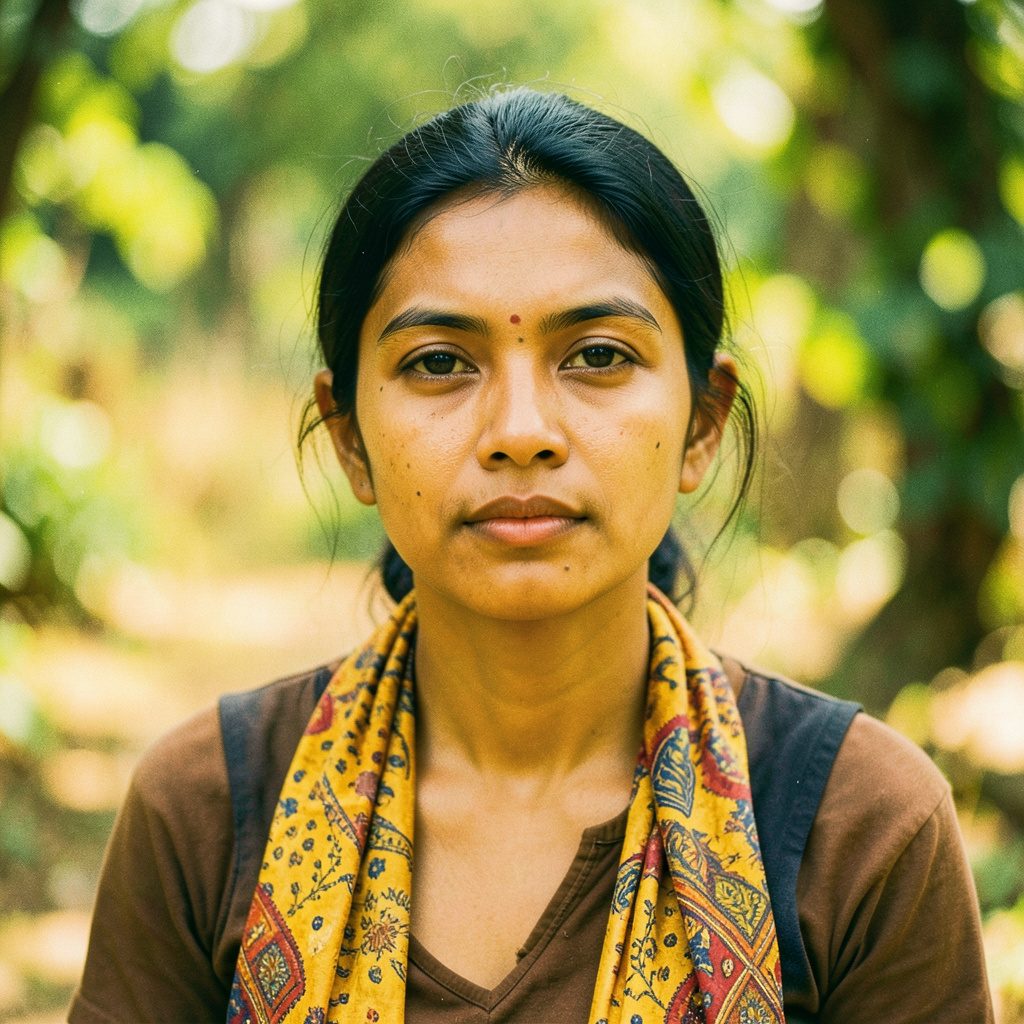
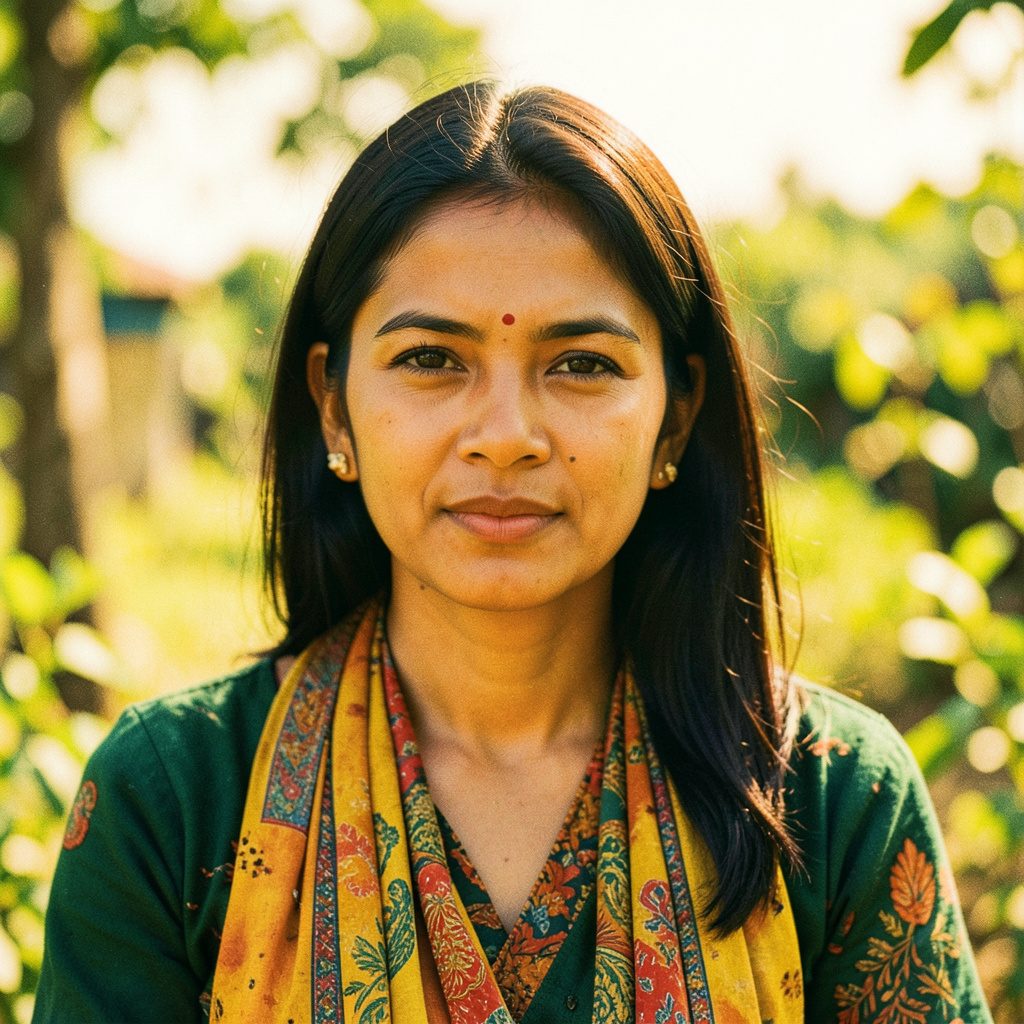
Traditional clothing remains a major source of visual distinction. Silk longyi, embroidered tops, floral patterns, and ceremonial styling can be photographed with contemporary lighting and fashion-film techniques. This combination gives current imagery a layered quality: it can look global in production while remaining unmistakably Burmese in dress and gesture.
Hair accessories and occasion styling also show how beauty traditions adapt. For formal events, a modern short haircut can work with a refined headpiece when proportion and placement are considered carefully; practical guidance on tiara styling ideas illustrates the wider principle that classic adornment does not require one fixed hairstyle.
Reading Myanmar Fashion From Australia
Australian viewers encounter Myanmar fashion through a different media environment. In Melbourne, a fashion image may be judged against independent labels, street-style photography, and multicultural editorial work. In Sydney, commercial campaigns often connect models with beauty brands, events, and influencer partnerships. In Brisbane, Perth, or regional centres, audiences may discover international style through social platforms rather than specialist print magazines.
The language of the market differs as well. Australians might describe a look as “dressy,” “sharp,” “a bit extra,” or “low-key,” while Myanmar fashion coverage often places greater emphasis on elegance, complexion, cultural presentation, and occasion. Neither approach is fixed, but the contrast helps explain why the same portrait can read as glamorous in one setting and ceremonial in another.
Australian readers should also remember that local fashion retail is strongly shaped by seasonal timing, multicultural customers, and online shopping. Myanmar imagery, by comparison, often gives greater space to event dressing, celebrity visibility, and the relationship between Western-inspired clothing and national tradition. Looking closely at the archive makes those differences productive rather than puzzling.
The evolution of Myanmar fashion modelling is therefore a history of adaptation. Studio portraiture, print celebrity, commercial beauty, digital influence, and heritage styling have built upon one another rather than replacing one another completely. The most useful way to study a gallery is to compare clothing, pose, setting, and media context together, then note how each image balances contemporary fashion with Burmese identity.