Yangon street style: the best looks beyond the runway
Yangon Fashion Week fills the old city's colonial blocks with controlled chaos. Collections are shown in hotel ballrooms and borrowed showrooms, but the looks worth remembering arrive on foot: a model crossing a junction between fittings, a guest pausing for a doorway portrait, a photographer crouched on the pavement with the lens capped against dust. The street is where a season breathes, and Yangon's street is generous with detail — folding umbrellas, jasmine strands, bicycle baskets and marigold garlands sold at every corner.
For an archive built around photographs, that in-between time is everything. Myanmar-model.net collects galleries of magazine covers, fashion shoots, portrait sessions and traditional dress, arranged by popular and latest posts, tags and model names, so a reader can trace how a look travels from ceremony to pavement. Street style sits naturally beside those pages, because in Myanmar the line between a private occasion and a public one is thin: people dress for festivals, for the office, for a Tuesday.
Australian readers bring their own seasonal vocabulary, and Yangon's is a useful contrast. Sydney and Melbourne each run fashion weeks with their own street rows and their own climates — coastal layers in one city, four seasons in an afternoon in the other — while Yangon deals with a pre-monsoon oven and then a wet season arriving without warning. Understanding the local reality of these streets is the quickest way to understand why the clothes are cut and tied the way they are.
Where the pavements become the runway
The geography matters. Most shows cluster around the central business district — the wide streets near Dagon Centre, the shophouses of Pansodan, the Junction City precinct, and the corridors around Yangon Central Railway Station, where arrivals and departures overlap in the same frame. Outside those doors, the season's informal dress code takes over.
Photographers know the corners. Light changes fast after four o'clock, and traffic direction decides whether a face is lit or in shadow. A reflector, a fan held against glare, a step up onto a low wall — small adjustments that decide whether a garment's texture reads crisp or dissolves into the humidity. Fashion pictures are rarely made inside a show, and that is exactly why they feel alive.
Crowds build at the entrances and the clothes change as the afternoon goes on. Office wear loosens into open collars and rolled sleeves, structured jackets come off, flat sandals replace the day heels. By evening, the same person might appear twice in a single day's coverage: once in tailored front-row clothes, once in a linen wrap on the street. Street style here records the transition rather than operating as a separate style at all.
Longyi, linen and lace: the wardrobe vocabulary
Start with the wrap. Myanmar's longyi, known in the north as a htamein, is a tube of cloth wound at the waist and tucked between the legs, worn by women and men for markets, offices and ceremonies alike. Australian readers know a similar garment by another word — a sarong, a wrap — and the resemblance is real, though the pleating and belting used in Yangon have their own logic.
Cotton and linen carry the season. Lace-up shirts with sleeves pushed back, lightweight cotton long-sleeves, hand-woven checks, a white shirt worn open over a wrap: practical answers to heat that European and Australian designers usually approach with a different fabric weight. Silk paaso, the glossy handwoven silk made in Myanmar, arrives as the formal layer, its gold-thread weaving catching light against duller cotton.
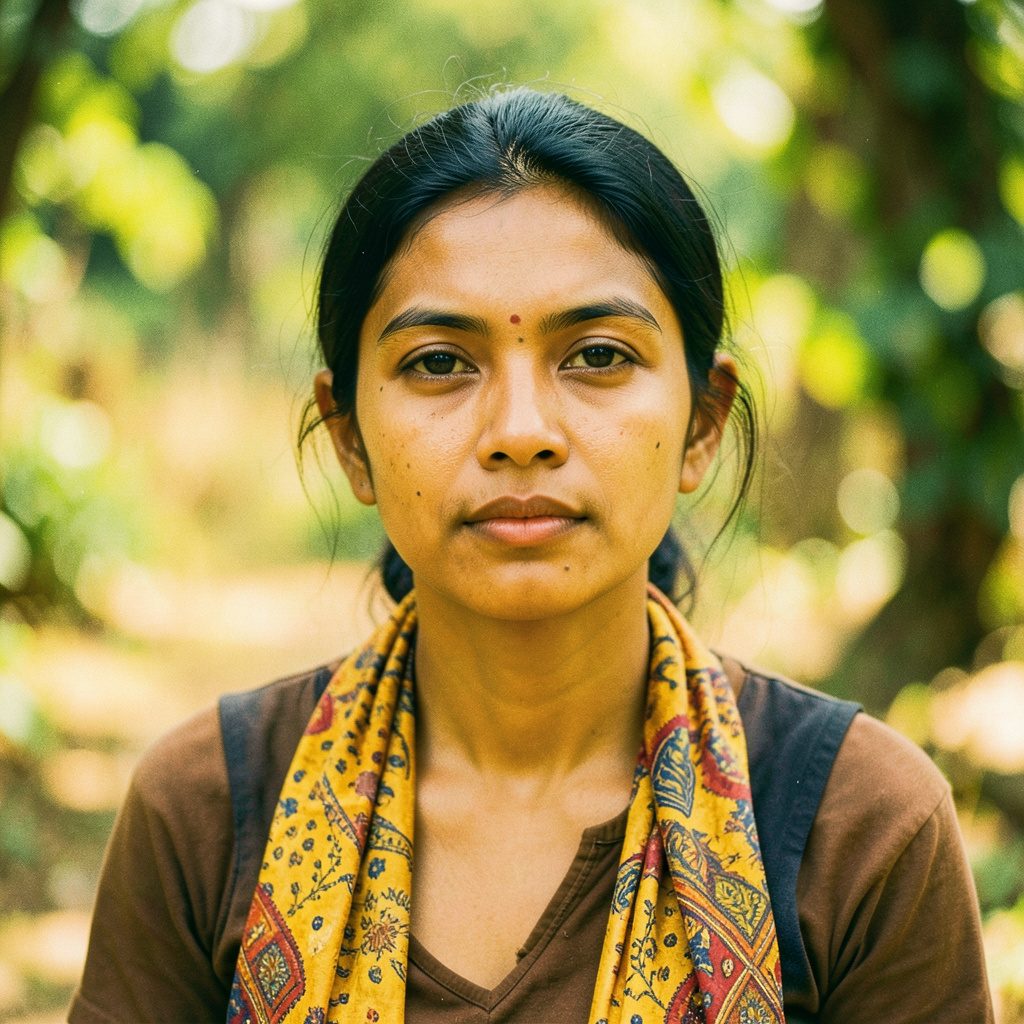
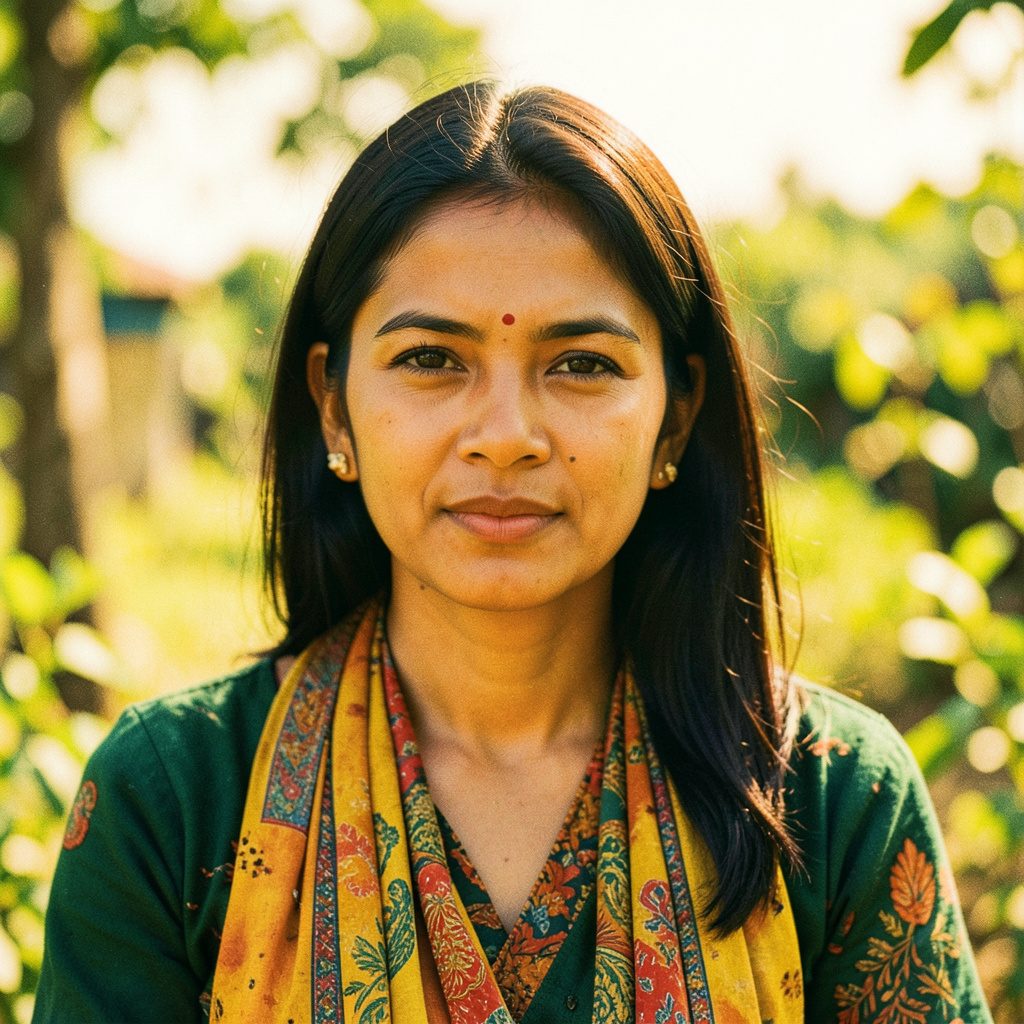
Accessories finish the job. Thanaka, the pale paste applied to cheeks and forehead in a soft leaf or circle, is cosmetic and family tradition at once; jasmine and marigold garlands sit in the hair; gold chains and small hoops fill the quiet gaps. Sandals and flat leather shoes do the walking. None of this is excess — every element survives heat, dust, monsoon rain and a long day on the feet.
Colour, light and the archive
The colour story of a Yangon street arrives in small, loud doses: turmeric and marigold orange, betel green, deep indigo, the bright pink of a shopping bag, and the softest possible white in cotton. Photographs hold the mix better than any runway screen, partly because daylight is unforgiving and partly because the streets supply their own backdrop — peeling colonial paint, palm fronds, the red of a bus, the green of a shuttered shop.
That mixture is what a photo archive exists to hold. On Myanmar-model.net, galleries are grouped by model names and tags, so a reader can follow one face through magazine covers, traditional clothing sets and portrait sessions, and watch the styling shift with the setting. Readers who enjoy tracking public style across seasons can compare notes in visual archives online, where the same corners and cameras get revisited year after year.
Watch the repetition. The same lace-up shirt, the same sandals, the same white wrap appear across dozens of images, and that is the point: these are working garments, bought once and worn until the fabric gives way. A runway look asks to be seen once. A street look asks to be seen a hundred times, and the camera records both.
Reading Yangon street style from Australian eyes
Melbourne offers the closest comparison and the sharpest contrast. Its fashion week crowds gather around the Royal Exhibition Building and fill the laneways behind Carlton, dressed in the compressed, layered style a cool-change climate demands: denim, merino, a jacket over a T-shirt, boots that handle wet cobblestones. Yangon's street rows solve a different problem, and the answer is cut, tied and breathable rather than layered for the swing.
Sydney's version runs on sun and salt. Around Bondi, clothing is negotiated against UV and wind off the water, and Australians treat sensible sun protection as part of an outfit rather than an afterthought. A wide-brimmed hat or a long sleeve is not a style decision in the way it is in Milan, and the same pragmatism shows in Yangon, where the umbrella, the wrap and the cotton shirt are equipment before they are aesthetics.
There is a thrift habit on both sides of the equation. Op-shops and weekend markets belong to Australian dressing — Queen Victoria Market on a Saturday morning, a rummage bin in a suburban hall — and secondhand clothing counts as a legitimate source of a working wardrobe. Yangon shares that instinct, with used garments resurfacing in markets, though its stock skews traditional, and a piece of lace or a men's longyi can sit beside imported labels that Australian resale floors rarely see.
What the street keeps
The photographs worth returning to are rarely the sharpest runway shots. They are the ones taken in the minutes between a fitting and the next call: a model standing half in shadow outside a show door with a wrap slung over one arm, a celebrity stepping from a car into afternoon glare, a whole street appearing to wear one season at once. The camera catches garments at rest rather than in motion.
Yangon's street style rewards close reading. The longyi and cotton shirt, the thanaka and marigold, the practical sandal and the borrowed silhouette each answer a climate, a custom and a working life. Read across a season of galleries, they describe a city dressing for heat, for ceremony and for the everyday errand without changing its mind.
The best looks were never made for a runway. They were made for a pavement, a taxi rank, a temple forecourt, a queue outside a coffee shop, and photographed by someone who knew exactly where to stand. That is what the archive preserves: how a city actually appears, rather than how it was styled to appear.