The Best Fashion Moments From Myanmar Film Festival Red Carpets
Myanmar film festival red carpets offer a distinctive meeting point between cinema, heritage, and contemporary style. Actresses and fashion personalities often use these appearances to present clothing that feels polished for the camera while remaining connected to Myanmar’s textile traditions.
For Australian readers, the appeal is easy to understand. A major arrival in Yangon can have the visual energy of a Melbourne International Film Festival premiere or a Sydney media event, yet the styling language is different. Traditional silhouettes, handwoven fabrics, jewellery, and carefully arranged hair create a strong identity within every portrait.
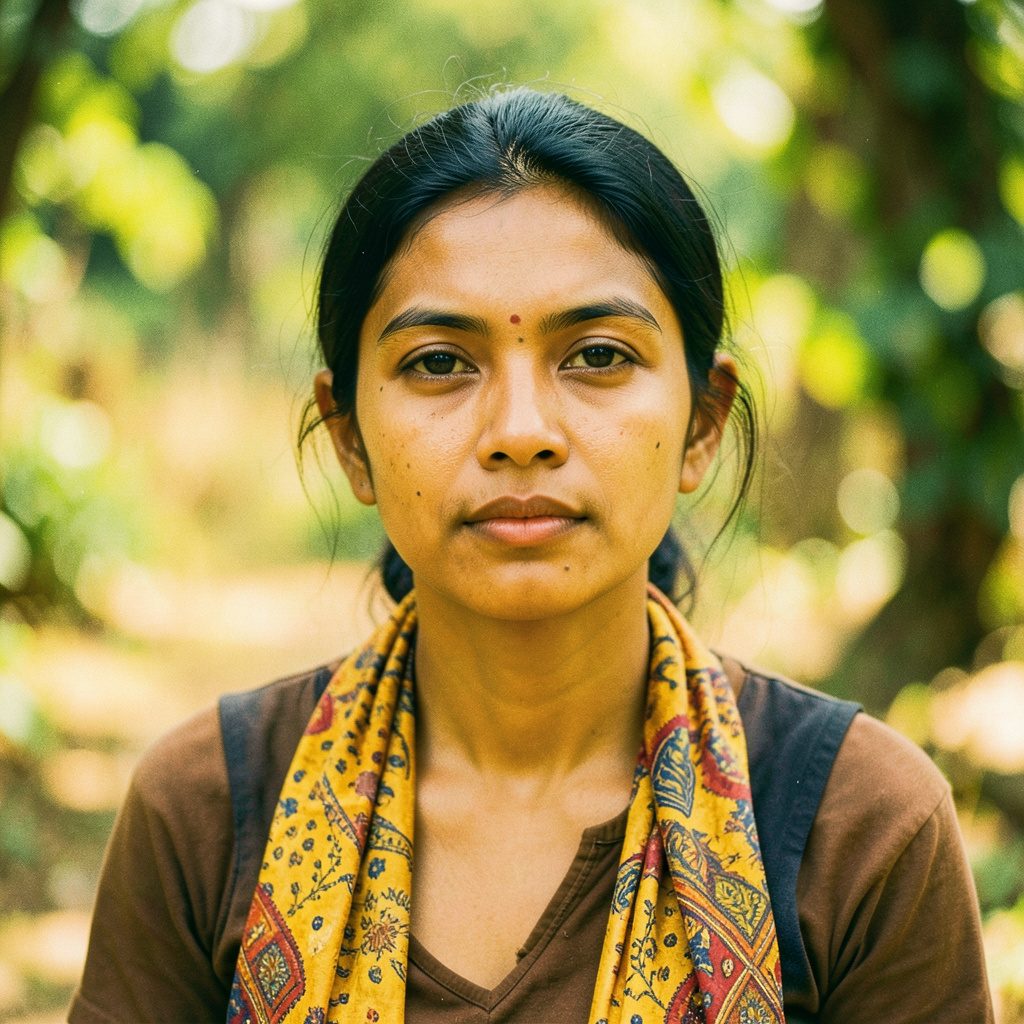
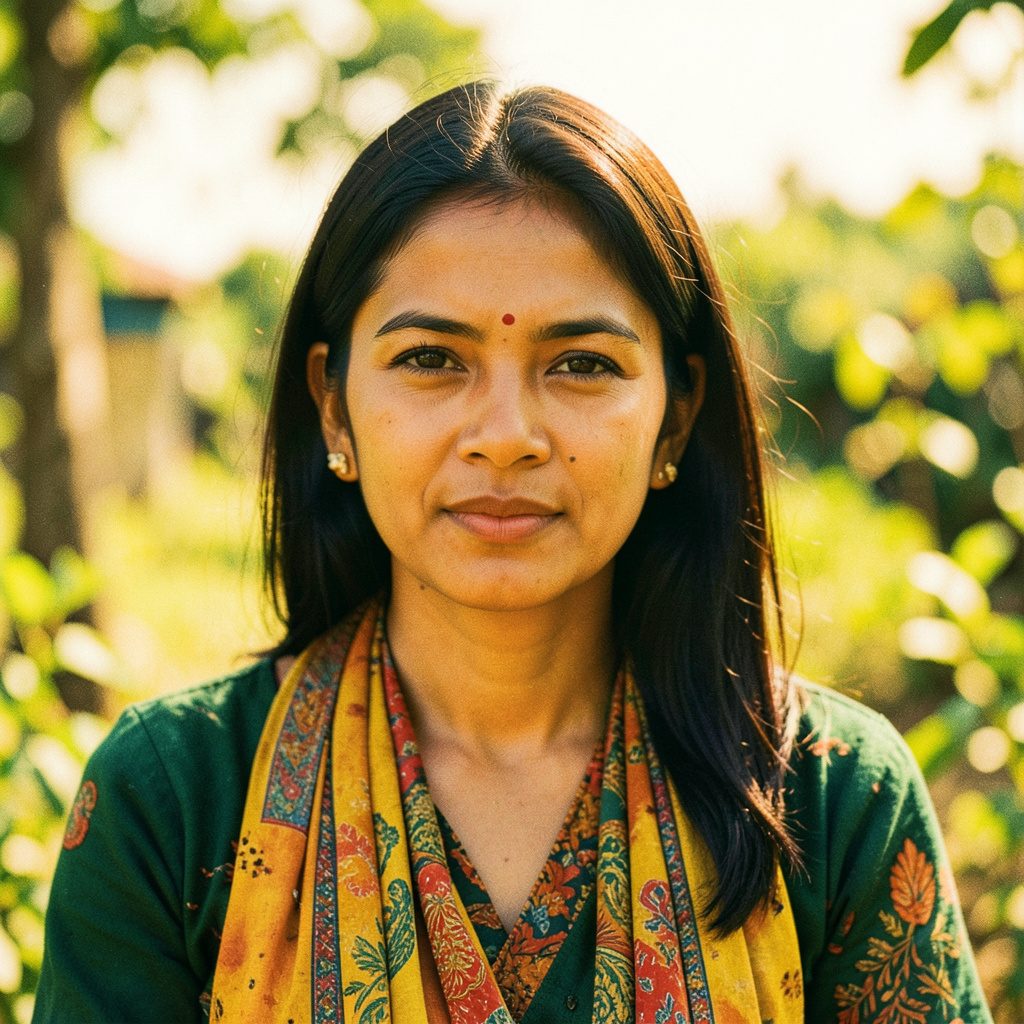
A photo archive such as Myanmar-model.net is valuable because it preserves those details beyond the brief life of a red-carpet news cycle. Magazine-style galleries make it possible to compare formal gowns, modernised longyi looks, festival tailoring, and quieter portrait moments without reducing fashion to a single trend.
| Style Element | Visual Effect | Why It Matters |
|---|---|---|
| Acheik and woven textiles | Adds rhythm, colour, and texture | Connects formalwear with Myanmar craft |
| Longyi and htamein styling | Creates an elegant vertical silhouette | Brings cultural dress into a cinematic setting |
| Metallic jewellery | Catches flash photography | Frames the face and strengthens evening glamour |
| Structured tailoring | Gives a modern, confident finish | Balances heritage details with current fashion |
| Controlled beauty styling | Keeps attention on the outfit | Helps portraits remain clear and editorial |
Heritage Fabrics In The Spotlight
Some of the strongest festival looks begin with fabric rather than an elaborate cut. Acheik patterns, silk textures, and handwoven surfaces create movement when a celebrity walks past photographers. Under bright event lighting, these materials can look almost architectural, with repeated lines or waves giving a simple outfit a memorable finish.
Longyi-based styling is especially effective on a red carpet because it carries both formality and flexibility. A fitted blouse, sculptural shoulder, or clean neckline can shift the overall impression towards eveningwear, while the lower half retains a recognisably Myanmar character. The result feels considered rather than costume-like.
Colour choices also shape the mood of a premiere. Deep emerald, burgundy, sapphire, and black photograph with dramatic depth, while ivory, blush, and gold create a softer magazine-cover effect. When a traditional textile supplies the pattern, restrained accessories often allow the material to remain the central feature.
Modern Silhouettes Meet Cultural Detail
The most memorable arrivals usually find a balance between recognisable red-carpet glamour and local design language. A sleek column dress may be paired with a woven sash, a tailored jacket may be worn with a traditional skirt, or a contemporary gown may use an embroidered panel as its focal point.
This approach is particularly useful for film personalities who need an outfit to work in several settings. The clothing must look impressive under flash photography, remain comfortable through interviews, and translate well into social media crops. A strong shoulder, defined waist, or carefully placed sleeve can give a portrait clarity even when the image is viewed on a small phone screen.
For viewers in Australia, the contrast with local event dressing is interesting. Sydney premieres often favour international eveningwear conventions, while Melbourne audiences may see a stronger emphasis on experimentation and independent labels. Myanmar festival style frequently combines those modern instincts with textile history, producing looks that feel formal without losing cultural specificity.
The Details That Make A Gallery Memorable
A red-carpet fashion moment is rarely created by the outfit alone. Hair, makeup, jewellery, footwear, pose, and the background all influence how a photograph is remembered. A neat low bun can highlight earrings and neckline, while loose waves may soften a heavily structured dress.
Jewellery deserves close attention in image collections. Gold cuffs, layered necklaces, gemstone earrings, and decorative hairpieces can transform a restrained outfit into a ceremonial look. The best accessories support the face and fabric instead of competing with both. This is why close portraits are often as revealing as full-length arrival shots.
Useful visual details to notice include:
- The way a sleeve or sash moves between photographs
- Whether jewellery echoes the fabric’s colour palette
- How the pose reveals the outfit’s construction
- The balance between formal makeup and natural expression
Photography itself can change the reading of a look. A full-length frame shows proportion, while a close crop reveals embroidery, skin texture, and makeup technique. Editorial archives become more useful when they preserve both views, giving readers enough context to understand the styling rather than judging a single flash-lit image.
Red Carpet Photography For Australian Audiences
Australian readers are used to discovering fashion through fast-moving feeds, weekend entertainment pages, and image-led platforms. A gallery of Myanmar actresses can provide a different pace: instead of presenting one winner and a few reaction shots, it can document a complete visual vocabulary across several arrivals.
The local market also rewards clear categorisation. Readers browsing during a Melbourne tram commute or a late evening in Brisbane may search by model name, celebrity, festival, fabric, or clothing type. Descriptive captions and consistent tags help an archive serve both casual viewers and people researching regional fashion.
There is also a responsibility around publishing identifiable people. Australian outlets should consider the Privacy Act 1988, copyright obligations, and consent when handling personal information or republishing photographs. An editorial archive needs accurate credits, respectful captions, and care with images that may have been created for a specific event or publication.
A well-labelled site can keep adjacent entertainment material separate from visual reporting; for example, an explainer on roulette streaks should be clearly distinguished from a festival fashion gallery. That separation helps readers understand whether they are viewing cultural documentation, celebrity coverage, or general lifestyle content.
A Practical Eye For Standout Moments
The strongest looks do not always involve the largest train, brightest colour, or most expensive-looking accessory. Sometimes a restrained outfit stands out because the proportions are exact, the textile is exceptional, or the wearer appears completely at ease. Confidence gives even a modest silhouette a strong editorial presence.
When comparing galleries, viewers can assess the styling through a few simple questions:
- Does the outfit connect with Myanmar design traditions?
- Does the silhouette remain clear in a full-length photograph?
- Do the accessories strengthen the main idea?
- Does the look suit the film festival’s atmosphere?
The best fashion moments from Myanmar film festival red carpets show how public dressing can carry several meanings at once. A gown may signal modern celebrity culture, a woven skirt may honour regional craft, and a carefully chosen colour may make the entire portrait unmistakable.
What remains most valuable is the record itself. Preserved galleries allow viewers in Australia and elsewhere to see Myanmar fashion as a living conversation between cinema, craftsmanship, personal style, and changing ideas of glamour. The detail to remember is simple: the most powerful red-carpet image is the one where cultural identity and contemporary confidence are visible in the same frame.