Simplicity in portraiture: The quiet strength of Myanmar models
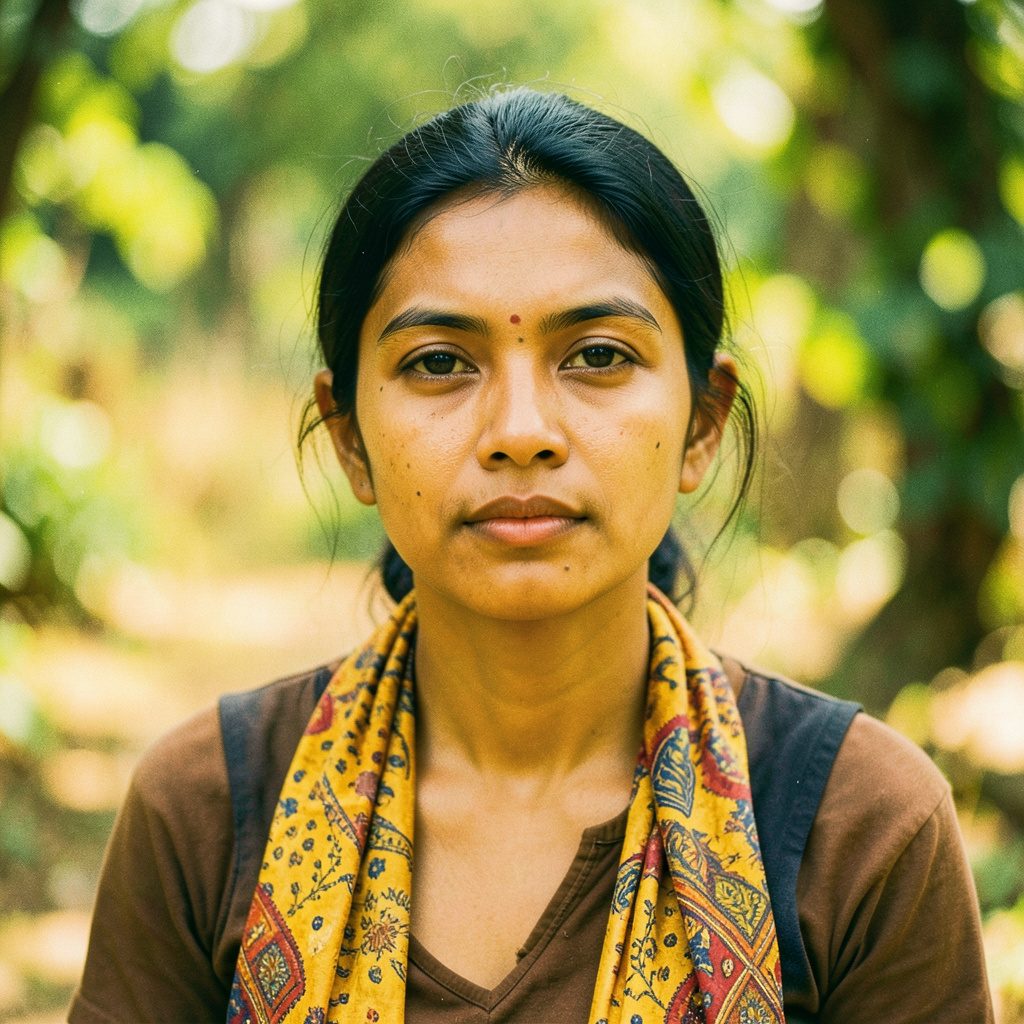
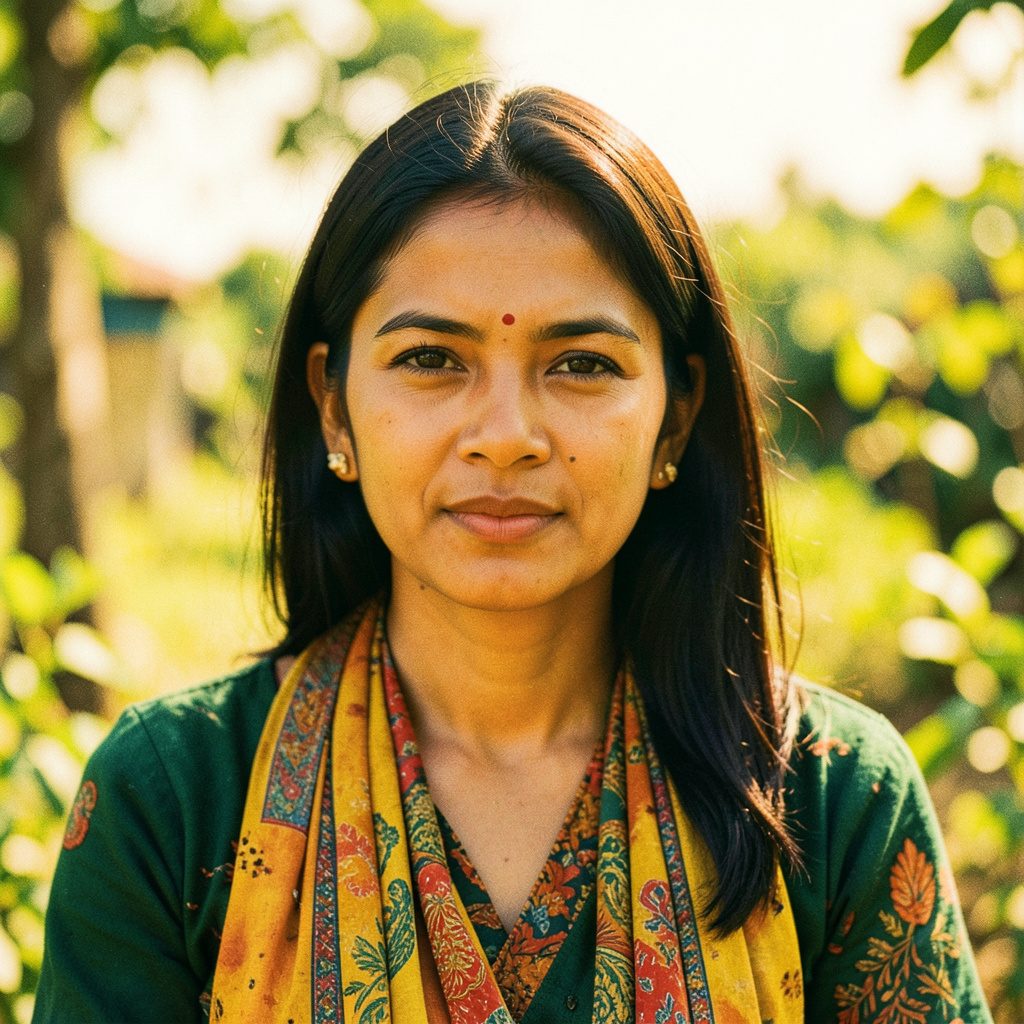
The beauty of simplicity in minimalist portraits of Myanmar models lies in what remains after visual distractions are removed. A face, a gesture, a fold of fabric, or a steady gaze can become the centre of the image. This restraint offers a compelling counterpoint to the vivid spectacle often associated with regional fashion photography.
Minimalist portraiture does not mean plain or empty. It depends on controlled light, deliberate spacing, and a subject with enough presence to hold attention. The strongest examples preserve personality while allowing traditional clothing, jewellery, and makeup to register as meaningful details rather than competing effects.
That approach suits a photo-led publication built around magazine covers, fashion shoots, portrait galleries, and collections organised by model names and tags. It also appeals to Australian readers accustomed to moving quickly through images on a phone, where a calm composition can feel more immediate than a crowded page.
For an Australian audience, these photographs offer both familiarity and difference. The preference for clean visual communication resonates with commercial photography here, yet the cultural specificity of Myanmar dress and beauty traditions adds a depth that local campaigns rarely express with the same directness.
| Visual format | Primary emphasis | Background and styling | What viewers notice first |
|---|---|---|---|
| Minimalist portrait | Expression and personality | Plain setting, restrained accessories | Gaze, posture, and facial detail |
| Fashion editorial | Clothing and coordinated styling | Detailed location or studio set | Garment texture, colour, and movement |
| Magazine-cover archive | Public image and editorial identity | Bold typography or graphic framing | Recognition, mood, and presentation |
Composition before clothing
In a minimalist portrait, the background often functions as breathing room rather than a destination. The subject may stand slightly away from the centre, with a narrow band of colour behind the shoulders. That negative space directs attention toward posture and expression, two qualities that can easily disappear in a busy editorial frame.
A simple crop can also isolate movement: the turn of a wrist, the fall of a sleeve, or a hand held near the collar. These gestures provide rhythm without elaborate staging. The result feels natural, although the calm is usually created through precise decisions about placement, lighting, and timing.
Clothing remains important, but it is not asked to become the entire event. A woven pattern, gold trim, or the clean line of a fitted outfit becomes more legible because little else competes for attention. Careful editing is part of this effect; removing one accessory can make the entire portrait feel more coherent.
Light, space, and expression
Soft daylight gives skin tone and fabric texture room to be seen without harsh shadows. Window light can create a gradual transition across the face, while a plain wall keeps the setting neutral. Even a narrow beam of light can separate a figure from its surroundings and give the image a quiet sense of depth.
Colour also becomes more deliberate. A muted background may allow the warmth of a garment, lipstick, or gold accessory to carry the frame. In other portraits, near-monochrome styling places attention on shape and expression. The visual restraint creates unity without making every element identical.
Technical craft remains essential behind this apparent ease. Mirrors, reflections, and unexpected edges can introduce tension, but they are controlled rather than allowed to overwhelm the subject. A strong minimalist photograph often contains more careful decisions than a lavish one, simply because each decision has more visible consequences.
Traditional dress in a restrained frame
Traditional garments and jewellery can become especially revealing when photographed against a simple setting. The fine border of a longyi-style wrap, the texture of a thanaka design, or the detail of a gold necklace can hold a portrait on its own. Restraint allows craftsmanship to replace spectacle as the source of visual interest.
This treatment also avoids reducing traditional clothing to a decorative prop. The garment remains part of the subject’s identity and is photographed with the same compositional respect given to contemporary styling. Myanmar models, actresses, and fashion personalities can therefore appear through both cultural continuity and individual personality.
An archive of visual memory
A photo archive gains value through continuity. Images that might initially appear in a magazine, fashion feature, or celebrity gallery can later be revisited through model names, tags, popular collections, and recent additions. That structure turns individual portraits into a broader record of changing styling, public images, and visual moods.
Magazine covers provide a particularly useful point of comparison because they compress a personality into a single frame. A bold cover establishes an identity at a glance, while a minimalist portrait may reveal character through smaller details. Seen together, the two approaches show how styling, typography, and photography shape public perception.
Readers seeking background can find it in the archive's editorial approach, which presents the publication as a visual record rather than a selling platform. That distinction matters because the photographs are valuable for their editorial context as well as their individual compositions.
Minimalist portraits in an Australian context
Australian photographers often draw on distinctive local settings, including Bondi Beach’s open coastal light and the layered spaces of Melbourne’s laneways. Wind, reflected colour, hard midday sun, and shadowed brickwork can all shape a portrait. These familiar conditions provide a practical bridge to the Myanmar images, where controlled backgrounds are often used to isolate the subject.
Australian English offers a similarly understated vocabulary for visual style. A photograph may be described as a “clean shot,” a portrait as “lovely,” or an outfit as “not fussy.” Such expressions are informal rather than universal, yet they reflect a preference for effort that appears easy and for detail without unnecessary visual noise.
Australia’s fashion market combines department-store networks, independent boutiques, and fast-growing online marketplaces. In multicultural cities such as Sydney and Melbourne, shoppers often encounter global trends alongside local labels and community-based businesses. Minimalist portraiture sits comfortably within that environment because its economy of styling resembles the adaptable wardrobes common in contemporary Australian fashion.
Minimalism across print and screen
A portrait designed for a magazine page has room for subtle details that might vanish on a small screen. The eye can move between a garment texture, a restrained background, and the subject’s expression at an unhurried pace. Print rewards close viewing and allows a quiet composition to command a full page without additional decoration.
Digital presentation changes that balance. On a phone, minimal portraits often survive cropping more effectively because the subject’s face and gesture remain distinct. Vertical formats, however, demand closer attention to headroom and background placement. The strongest images remain adaptable, retaining their visual clarity whether they appear as a gallery photograph, a magazine crop, or a social post.
The lasting value of less
Restraint gives the viewer more time to interpret a face. In a busy image, expression can be one element among many; in a quiet frame, it becomes the narrative centre. This is particularly valuable in portraiture, where a small change in gaze or posture can convey composure, confidence, warmth, or reserve.
An archive of Myanmar models, actresses, celebrities, and fashion personalities preserves these fleeting visual encounters. Each photograph offers evidence of how a subject was styled and presented at a particular moment, while collections by name and tag reveal the wider editorial context surrounding that moment.
The enduring lesson is that visual restraint can hold more character than visual excess. When light, space, clothing, and expression are allowed to speak without interruption, Myanmar models are presented not as a single idea of beauty, but as individuals whose presence gives each photograph its lasting force.