Myanmar Landscapes Through the Fashion Editorial Lens
The beauty of Myanmar’s natural landscapes in fashion editorials comes from the way clothing, light and place share the same frame. A model standing beside a misty mountain, a palm-lined river or a red-earth road becomes part of a wider visual story. The landscape is not simply a backdrop; it shapes the mood, colour palette and rhythm of the images.
For a photo archive such as Myanmar-model.net, these editorials offer more than individual portraits. They preserve changing ideas about style, beauty and identity through magazine covers, fashion shoots and carefully composed gallery images. A traditional longyi, a flowing dress or a modern tailored look can appear entirely different when photographed against forest, coast or open farmland.
This relationship between fashion and geography also appeals to Australian audiences. Readers in Sydney and Melbourne are familiar with location-driven campaigns made around beaches, bushland and industrial spaces. Images from Myanmar add another visual language, built around tropical vegetation, monsoon skies, limestone cliffs, teak forests and wide rural horizons.
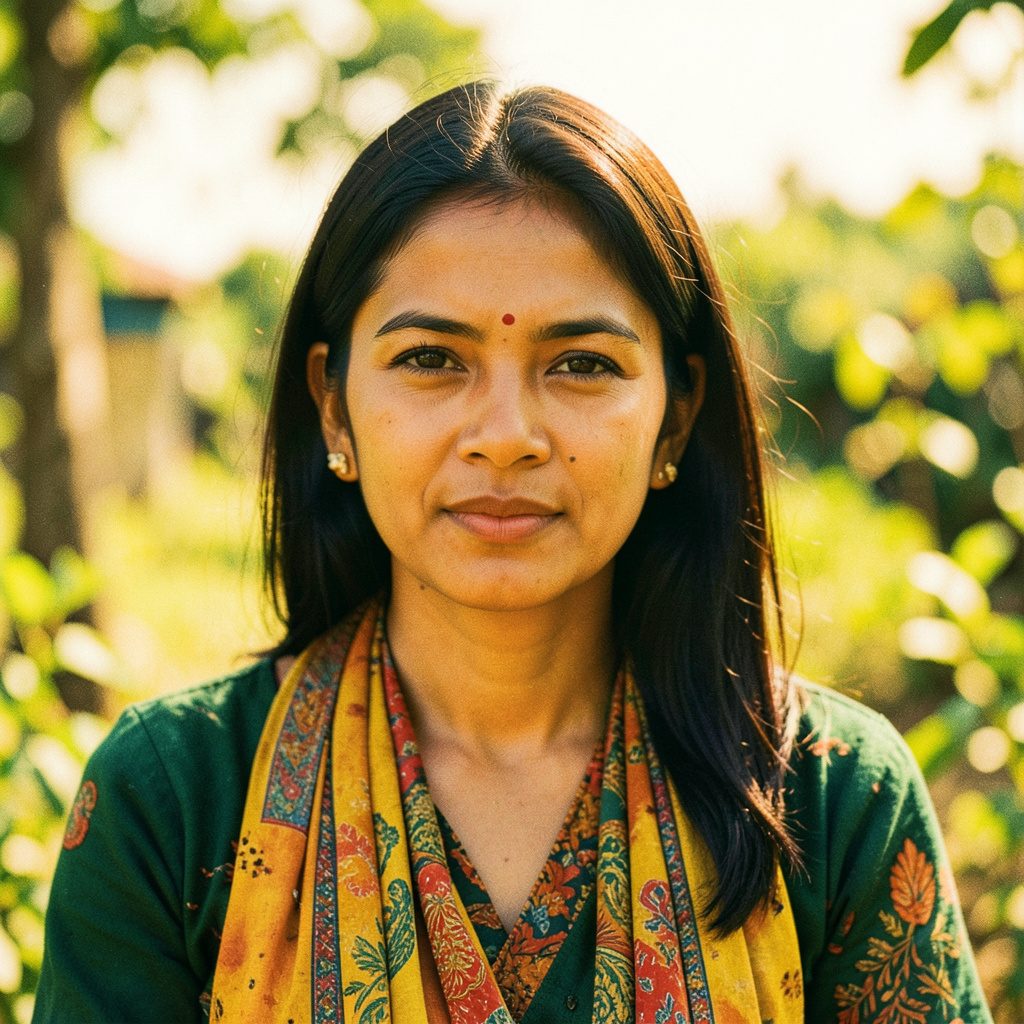
The strongest photographs usually feel grounded rather than staged. Fabric responds to wind, sunlight filters through leaves and the model’s pose echoes the lines of the surrounding terrain. These details give a fashion editorial a sense of movement and make a digital gallery feel connected to the places it represents.
Mountains, Mist And Quiet Drama
Myanmar’s mountain regions provide a naturally cinematic setting for editorial photography. Shan State is known for highland scenery, cultivated valleys and cooler atmospheric conditions, while areas around Chin State offer steep slopes and dramatic ridgelines. In photographs, layered mountains create depth behind a model and allow a simple outfit to carry a strong silhouette.
Morning mist is especially effective in portrait work. It softens distant details, reduces visual clutter and gives pale fabrics a gentle contrast against darker hills. A structured jacket or richly coloured traditional garment can become the central focus without appearing disconnected from its surroundings. The result is a restrained form of fashion storytelling, where the environment supplies much of the emotion.
For viewers in Australia, the atmosphere may recall early walks through the Dandenong Ranges outside Melbourne or the Blue Mountains west of Sydney. The difference lies in the vegetation, architecture and cultural clothing, which give Myanmar’s landscape editorials their own identity. Similar photographic principles apply, but the visual vocabulary remains distinct.
Rivers, Lakes And Reflective Colour
Water introduces movement and reflection into a fashion image. Inle Lake, with its broad surface, floating gardens and distinctive working boats, can create a setting where garments appear to hover between sky and water. Long skirts, scarves and lightweight layers respond naturally to the breeze, making even a still portrait feel active.
River locations bring a different energy. The Ayeyarwady and Chindwin waterways connect urban, rural and historic spaces, offering compositions built around boats, riverbanks and changing light. Warm sand, muted water and bright fabric can form a balanced colour scheme, while a close portrait can place attention on texture, jewellery and expression.
This use of reflective scenery has a familiar counterpart in Australian fashion imagery, from coastal shoots near Bondi to editorial work around the Yarra River. Australian viewers often see outdoor photography shaped by strong ultraviolet light, so Myanmar’s softer overcast conditions and humid haze can seem especially atmospheric. Both environments demonstrate how natural light can influence styling decisions.
Tropical Forests And Botanical Texture
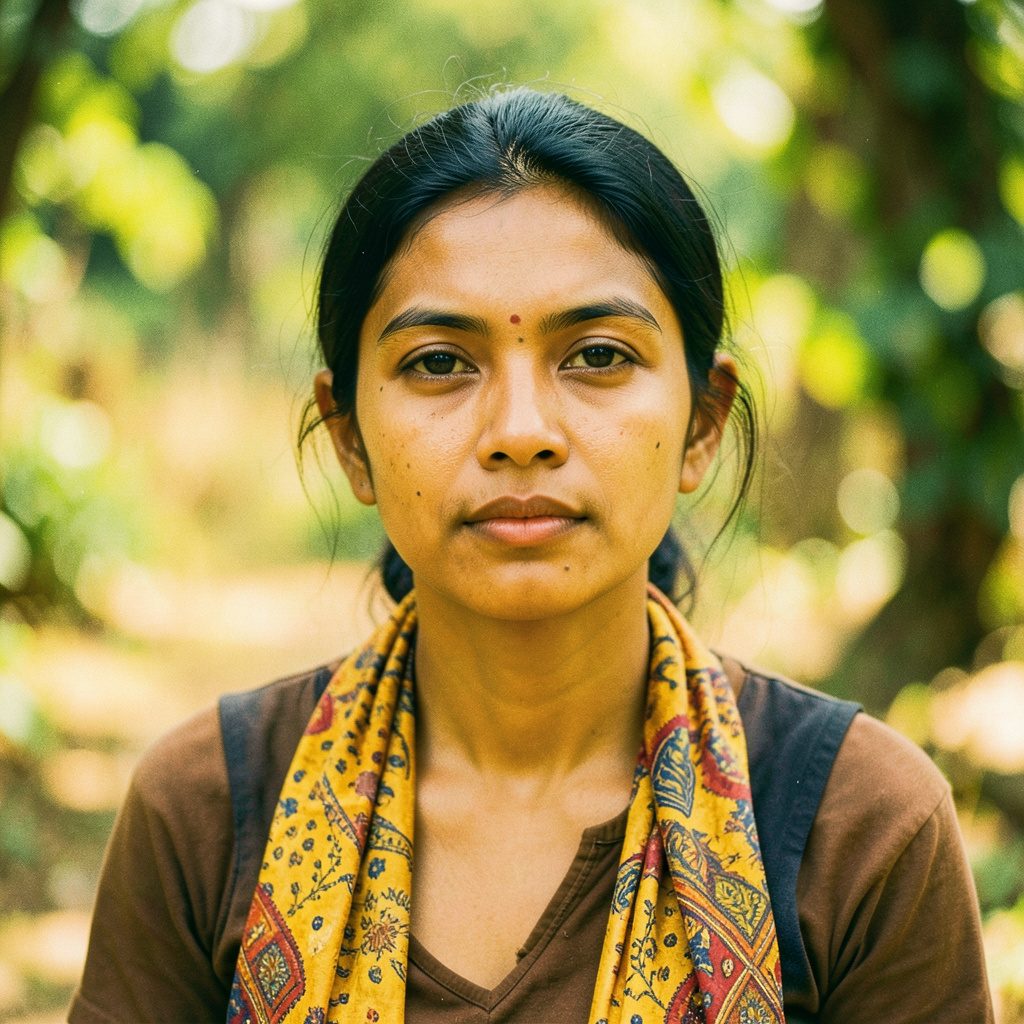
Myanmar’s forests provide dense layers of green that can make an editorial feel immersive. Broad leaves, bamboo, vines and flowering plants introduce texture around the model, while filtered light creates patterns across skin and fabric. The setting is most effective when styling works with the vegetation rather than competing against it.
Botanical surroundings also support close-up photography. A portrait framed by leaves can highlight woven fabric, hand embroidery or the surface of a traditional textile. Earth tones, indigo, saffron and deep red often sit comfortably within a forest palette, while a brighter modern outfit can create a deliberate point of contrast.
Care is important when working in sensitive environments. Editorial teams should avoid damaging plants, disturbing wildlife or treating culturally significant places as interchangeable scenery. Australia’s environmental expectations, including the protections established under the Environment Protection and Biodiversity Conservation Act 1999, have made many local audiences attentive to the impact of commercial and media photography. That awareness is useful when viewing or producing location-based fashion work anywhere.
Traditional Dress In Open Landscapes
Traditional clothing gains visual power when its construction can be seen clearly. A longyi moving across a dry field, a handwoven textile against mountain stone or a ceremonial garment photographed near a historic site can show how clothing relates to climate, craft and community. The landscape gives scale to the outfit, while the outfit gives cultural meaning to the landscape.
Editorial photography should still provide context. Clothing associated with a particular region, ethnic community or ceremony should not be reduced to an exotic styling device. Captions, model names and location information can help an archive preserve meaning rather than presenting every image as a generic representation of Myanmar.
This is particularly relevant to Australian readers, who encounter ongoing discussions about respectful use of Aboriginal and Torres Strait Islander designs in fashion and advertising. Australian copyright law, including the Copyright Act 1968, protects many creative works, although cultural ownership and permission can involve responsibilities beyond a simple copyright check. A thoughtful editorial approach recognises both legal rights and living cultural traditions.
Coastal Light And Monsoon Atmosphere
Myanmar’s coastline offers a visual shift from inland scenery. Beaches, mangroves and fishing communities can support editorials with open horizons and clean lines. A white garment against wet sand may create a minimal composition, while saturated colour can echo the tropical intensity of the coast.
The monsoon season adds another layer. Heavy clouds, rain-darkened surfaces and sudden breaks of sunlight can give photographs a sense of immediacy. Rather than treating imperfect weather as a problem, photographers may use it to show fabric weight, movement and the changing character of the landscape. A translucent scarf caught by wind or a tailored outfit under a broad grey sky can feel more memorable than a perfectly controlled studio image.
Australia has its own strong beach culture, with early swims, weekend coastal walks and outdoor exercise shaping how people relate to shorelines. Images from Myanmar may therefore feel accessible while offering a different relationship between fashion, weather and daily life. The familiar idea of dressing for the coast becomes more layered when local textiles and monsoon conditions enter the frame.
Building A Living Photo Archive
A landscape editorial becomes more valuable when it is preserved with clear metadata. Model names, publication dates, photographer credits, location tags and clothing details help readers understand each image. On a site organised through latest posts, popular galleries and searchable names, these details also make visual research easier.
Archive presentation can reveal patterns across time. A model may appear in a studio portrait, a magazine cover and a rural fashion shoot, showing how styling changes across editorial contexts. Comparing images from Yangon with work photographed in mountain or coastal regions can also demonstrate the range of Myanmar’s fashion culture without suggesting that one setting represents the whole country.
For Australian audiences, this kind of archive suits a familiar habit: saving visual references for later, much like collecting magazine pages, following fashion tags or browsing galleries on a phone during a commute. Sydney and Melbourne readers may approach the images as fashion inspiration, cultural documentation or photographic study. The archive can support all three interests when it gives equal attention to beauty, context and credit.
Myanmar’s landscapes make fashion photography feel expansive because they bring natural texture, history and atmosphere into the frame. Mountains, waterways, forests, fields and coastlines each create a distinct setting for portraiture, while traditional and contemporary clothing connect those places to people. The next step is to open a Myanmar-model.net gallery, check its location and model tags, and compare one landscape editorial with a studio portrait from the same period.