The Beauty of Myanmar’s Ethnic Textiles in Fashion Editorials
Myanmar’s ethnic textiles bring colour, movement, and cultural memory into fashion photography. Handwoven cotton, silk, velvet, and patterned longyi fabrics can transform a simple portrait into a visual record of place and identity. In editorial images, clothing becomes more than styling: it communicates lineage, community, ceremony, and changing ideas of beauty.
The country’s many ethnic communities have developed distinctive weaving traditions, including intricate geometric motifs, striped fabrics, embroidered borders, and richly coloured ceremonial dress. A fashion shoot that presents these details with care can show how traditional clothing continues to live within contemporary wardrobes rather than treating it as a costume from the past.
For viewers in Australia, the appeal is easy to recognise. Melbourne’s independent fashion scene, Sydney’s magazine culture, and the popularity of weekend markets have created an audience interested in natural fibres, slow fashion, and garments with a visible story. Textile-led editorials offer a more thoughtful alternative to fast, anonymous trend cycles.
A photo archive such as Myanmar-model.net helps preserve this visual language through portraits, magazine covers, fashion shoots, and celebrity styling. Its galleries invite viewers to study fabric, silhouette, jewellery, and pose together, revealing how Myanmar’s textile heritage can shape a modern fashion image.
Woven Histories In Visible Form
Myanmar is home to numerous ethnic communities, each with its own approaches to dress and textile production. Chin, Kachin, Karen, Shan, Mon, Rakhine, and other traditions may be associated with different colour combinations, weaving techniques, garment structures, and decorative symbols. These distinctions should be understood as living cultural practices rather than fixed labels.
In an editorial photograph, a handwoven textile can carry several layers of meaning at once. A border may indicate ceremonial use, a particular arrangement of stripes may suggest regional identity, and the choice of jewellery can establish whether the outfit is formal, festive, or everyday. Close-up photography allows the viewer to see the irregularities and tactile qualities that mass-produced fabric often conceals.
Colour, Pattern, And Movement
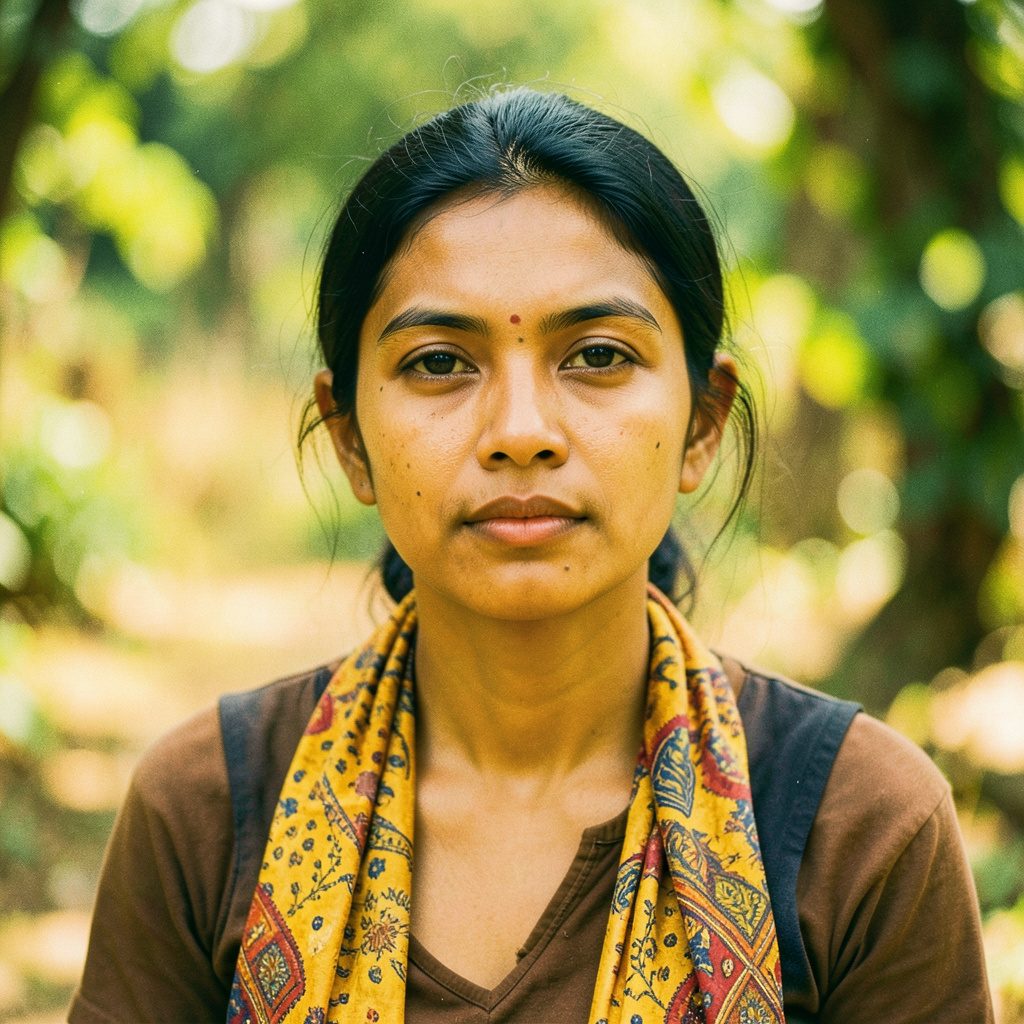
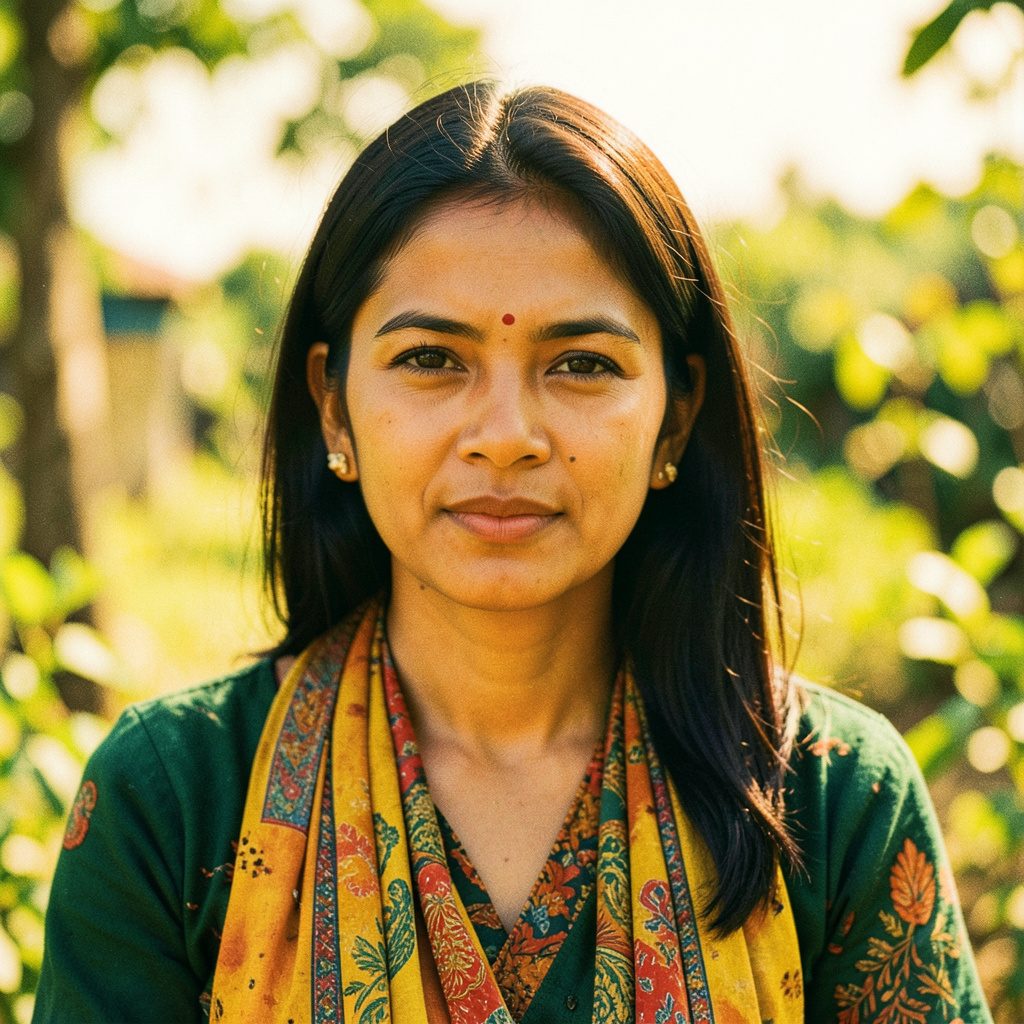
Myanmar textiles frequently use strong contrasts: deep red with black, indigo beside white, or vivid yellow against earthy brown. These combinations work powerfully under studio lighting, where a fold of fabric can create shadow and depth. Outdoor photography offers another effect, placing bright woven garments against village paths, urban architecture, or tropical greenery.
Movement is equally important. A longyi, shawl, jacket, or wrap can respond to wind and gesture, creating lines that guide the eye through a portrait. Photographers may capture a turning pose, a lifted sleeve, or the fall of a pleated garment to show how textile structure behaves on the body. The result feels alive rather than like a static catalogue record.
Traditional Dress In Contemporary Styling
Modern editorial styling often combines heritage pieces with restrained contemporary elements. A patterned skirt might be paired with a plain blouse, while a traditional jacket could sit over a clean-cut dress. This approach gives the textile visual priority without suggesting that cultural clothing belongs only to ceremonial occasions.
Myanmar actresses, models, and fashion personalities frequently demonstrate this balance in portrait sessions and magazine features. Their styling can include modern makeup, polished hair, or international silhouettes while retaining a recognisable textile detail. For image researchers browsing fashion references, the useful comparison lies in how styling systems frame fabric without erasing its origin.
Editorial Photography As Cultural Storytelling
A strong fashion editorial depends on context as well as attractive composition. Captions, credits, and accurate naming can explain the textile’s community, material, technique, or occasion. Without that information, a visually striking garment may be reduced to an exotic pattern detached from the people who made and wore it.
Photographers and editors also need to consider consent and representation. A model should not be asked to perform a simplified version of ethnicity for visual effect, particularly when ceremonial clothing is involved. Respectful imagery gives space to personal expression, acknowledges artisans, and avoids presenting one outfit as representative of every community in Myanmar.
What Australian Viewers Notice
Australian audiences often encounter textiles through design markets, museum exhibitions, multicultural festivals, and independent boutiques. In Melbourne, shoppers may connect handwoven fabrics with the city’s interest in ethical fashion and small labels. In Sydney, editorial imagery can circulate quickly through fashion media and social platforms, where colour, texture, and portrait style strongly influence attention.
Everyday habits also shape how these images are read. Australians commonly compare fibre content, care instructions, and country of origin before buying clothing online or in a shop. That interest creates an opening for textile editorials to explain whether a fabric is handwoven, naturally dyed, embroidered, or produced for a special event, rather than relying on vague descriptions such as “ethnic” or “exotic.”
Australian consumer law requires businesses to avoid misleading claims, including inaccurate statements about a product’s origin or characteristics. Cultural sensitivity matters too. Australia does not have a single standalone law covering every aspect of Indigenous Cultural and Intellectual Property, so museums, publishers, and fashion brands often rely on ethical protocols, permissions, and community consultation. These principles are relevant when Myanmar textiles are photographed, reproduced, or sold to Australian consumers.
Sustainable Fashion And Material Value
Handwoven clothing can support a slower understanding of fashion because its value is visible in labour, time, and material variation. Small differences in colour or weave are often evidence of the making process rather than defects. Editorial photography can highlight these qualities through macro details, natural light, and images that show the garment from several angles.
This perspective is especially relevant in Australia’s competitive clothing market, where low-cost online imports and rapid trend turnover make durability difficult to assess. A carefully documented textile encourages viewers to think about repair, responsible ownership, and long-term wear. It also reminds brands that sustainability is not established by appearance alone; claims should be supported by clear information about materials, production, and supply chains.
Building A Respectful Digital Archive
Digital collections extend the life of fashion imagery beyond a single magazine issue or campaign. Organised galleries, model names, tags, and latest posts help readers trace recurring fabrics, designers, and styling ideas. Over time, an archive can show how Myanmar’s fashion language changes while preserving images that might otherwise disappear.
Good archiving includes accurate captions, photographer credits, publication details, and careful handling of image rights. Visitors who need clarification about a picture, attribution, or editorial feature can use the site’s editorial enquiries page. Clear communication strengthens trust between archives, creators, models, and audiences.
The most compelling images leave room for both beauty and knowledge. They show the glint of a woven thread, the weight of a shawl, and the confidence of a model, while recognising that every textile has a history beyond the frame. Myanmar’s ethnic textiles deserve to be seen as sophisticated design traditions, personal clothing, and cultural records at the same time.
What readers should remember is simple: the beauty of these fabrics lies in the relationship between material, maker, wearer, and place. A fashion editorial becomes meaningful when it preserves that relationship rather than using tradition as decoration.