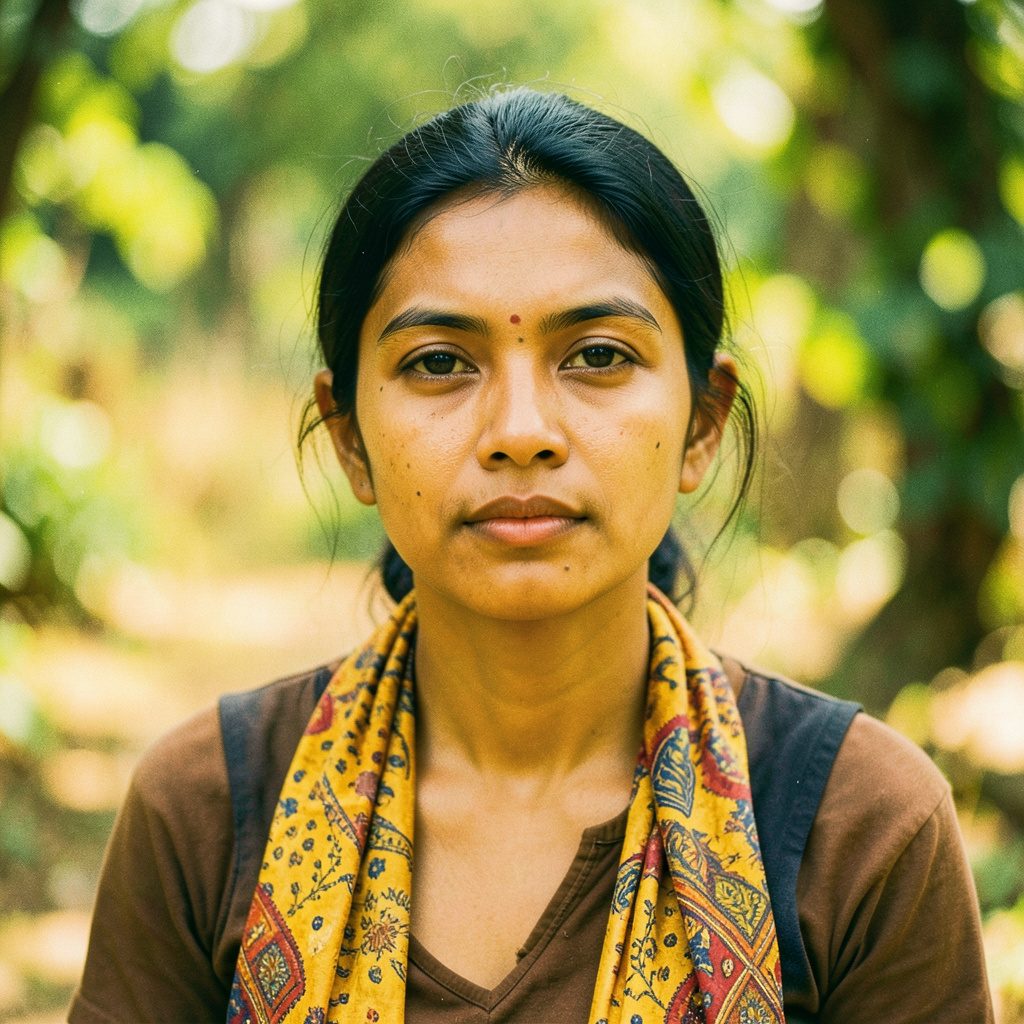
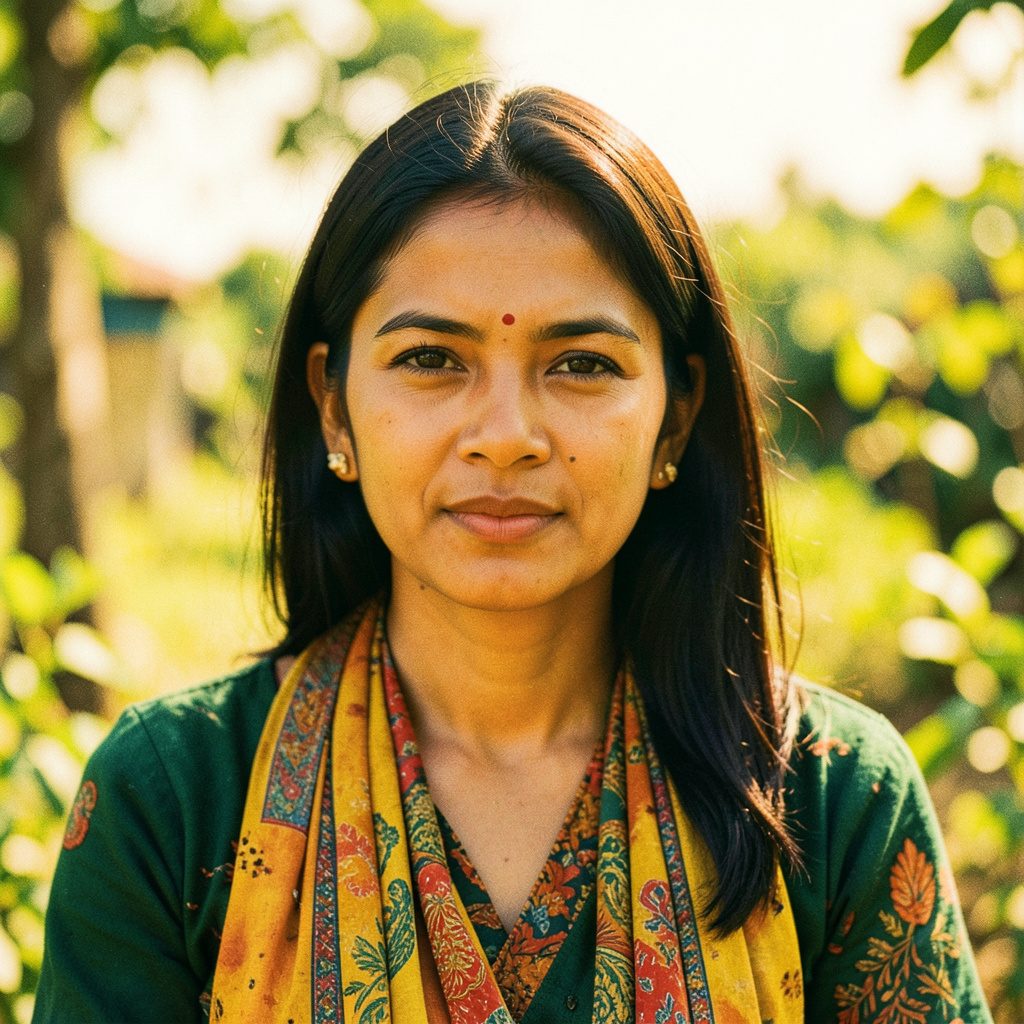
The Art of the Smoldering Glance: Posing Techniques
A compelling portrait often begins with a look that seems to hold a private thought. The smoldering glance is not simply a narrowed eye or a serious expression; it is a controlled combination of focus, stillness, facial tension and story. In editorial photography, that small shift in attention can give a fashion image far more presence than an exaggerated pose.
For Myanmar models, actresses and fashion personalities, this approach can work beautifully across magazine covers, traditional clothing portraits and contemporary studio shoots. The expression should support the clothing and setting rather than overpower them. Silk, jewellery, woven textiles and structured tailoring all create different visual rhythms, so the eyes need to respond to the styling.
Australian audiences are used to polished magazine imagery as well as relaxed social media portraits. A dramatic look can feel natural in a Melbourne laneway shoot, a Sydney studio with hard window light or a Brisbane location where humidity changes hair and skin texture. The most successful image usually balances intensity with ease, giving the viewer a reason to pause without making the pose appear forced.
Reading The Expression
A smoldering gaze starts with intention. Ask the model to imagine that she has noticed something just beyond the camera, rather than instructing her to “look sexy” or “look fierce”. A specific thought produces a more convincing response: recognising someone across a room, keeping a secret or calmly deciding whether to reveal an answer.
The eyes should remain alert even when the face is relaxed. Softly lowered upper lids can create intimacy, while a slight lift in the lower eyelids adds concentration. The jaw should not clench, and the mouth does not need to form a pout. A gently parted lip or a quiet, neutral mouth often keeps the portrait sophisticated.
Small changes in eye direction produce different moods. Looking directly into the lens feels assertive and immediate; looking just beside it can seem more mysterious. Looking down and then raising the eyes towards the camera creates a sense of discovery. Photographers should capture several versions because the strongest frame often appears between deliberate poses.
Shaping The Face And Neck
Head angle is one of the fastest ways to adjust the emotional temperature of a portrait. A slight turn away from the camera, followed by the eyes returning towards it, creates elegant tension. Tilting the chin down can make the gaze feel more powerful, while lifting it a fraction opens the face and brings attention to the cheekbones.
The neck and shoulders need equal attention. A long neck, dropped shoulder and gently extended crown create a composed line, especially with high collars, earrings or traditional garments. If both shoulders face the camera squarely, the image may feel formal; turning the torso while keeping the face engaged creates movement without requiring a large gesture.
Hair can frame the expression or interrupt it. A strand crossing one eye may work for a loose fashion editorial, but it can distract from a carefully shaped gaze in a beauty portrait. In humid Brisbane conditions, allow for natural texture rather than repeatedly forcing every strand into place. A little movement can make the image feel lived-in and less like a mannequin display.
Directing Hands, Posture And Wardrobe
Hands often reveal whether a pose feels comfortable. Instead of placing fingers randomly near the face, give them a clear relationship to the garment: holding a shawl, touching a necklace, adjusting a cuff or resting lightly against the collarbone. Fingers should remain elongated and relaxed, with space between them where possible.
The body can suggest confidence through weight distribution. Ask the model to place more weight on one leg, soften the opposite knee and let the hip follow naturally. For seated portraits, a slight forward lean creates engagement, while reclining too far can weaken the connection with the viewer. The goal is controlled asymmetry rather than a rigid catalogue pose.
Styling influences how much intensity the image can carry. A richly patterned longyi or ornate traditional dress may benefit from a restrained expression so that the composition does not become visually crowded. Minimal tailoring, by contrast, can support a stronger gaze and more angular posture. The photographer should watch the complete frame, including sleeves, hems and jewellery, rather than directing only the face.
In an Australian editorial market, cultural detail should be treated with precision rather than used as decoration. Whether the shoot is staged in a Melbourne warehouse, a Sydney terrace or a gallery setting, explain the visual idea clearly and allow the model to bring her own interpretation to the clothing. That collaboration generally produces a more credible portrait.
Lighting For A Deeper Gaze
Light determines whether the eyes appear luminous, secretive or flat. A large source placed slightly above and to one side of the face gives soft modelling across the cheekbones while retaining a catchlight. The catchlight is especially important in close-ups because it keeps an intense expression looking alive rather than vacant.
Side light can create a more dramatic editorial mood, though it needs careful control around the eye sockets. A reflector placed low on the shadow side can return just enough detail to preserve skin texture. In Australia, strong afternoon sun can be beautiful but unforgiving; open shade near a verandah or a north-facing window often gives a more workable starting point than direct midday light.
Background tone also changes the effect. A dark background can deepen the gaze, while a pale wall creates contrast through expression and styling. Keep the camera angle close to eye level when the connection with the viewer matters most. Shooting from below may suggest authority, but it can distort the face and make the expression feel theatrical if used without restraint.
For digital galleries and entertainment-led editorial pages, image placement matters as much as lighting. A tightly cropped portrait can sit beside a feature about Australian jackpot machines only if the visual hierarchy remains clear; the portrait should retain enough breathing room that its mood is not lost among competing headlines and thumbnails.
A Practical Checklist For The Set
Before shooting a full gallery, use a short sequence of directions rather than repeating the same instruction. Give the model time to settle, then adjust one element at a time: eyes, chin, shoulders, hands and finally breathing. This keeps the session collaborative and makes it easier to identify which change created the strongest frame.
Use the following checklist when refining a smouldering portrait:
- Choose a specific thought or imagined situation to motivate the gaze.
- Test direct eye contact, a glance beside the lens and a lowered-eye variation.
- Turn the head slightly while keeping the eyes engaged with the camera.
- Relax the jaw, separate the lips gently and avoid forcing a pout.
- Give the hands a clear connection to jewellery, fabric or the face.
- Check shoulder height, neck length and weight distribution before each frame.
- Review catchlights, stray hairs and background distractions at full resolution.
Australian photographers may describe a successful relaxed direction as “easy” or “good on ya” once the model finds the pose, but encouragement works best when it is specific. Say that the eye line is working or that the shoulder has created a cleaner silhouette. Clear feedback helps the model repeat the result instead of guessing what changed.
From Set To Final Frame
The best image is rarely the one with the most severe expression. During selection, compare frames for eye clarity, natural tension and the relationship between face and clothing. A portrait can feel intense while still showing softness around the mouth and a believable posture. Remove images where the eyes look unfocused, the hands appear cramped or the expression seems copied from one frame to the next.
Retouching should preserve the character that made the photograph compelling. Reduce temporary distractions, balance skin tones and control shine, but avoid smoothing away texture around the eyes or reshaping the face until the gaze loses its identity. Editorial archives benefit from consistency, so crop and colour-grade the series in a way that lets each model remain recognisable.
A smoldering glance succeeds when the viewer senses a thought without being handed the entire story. Build it through a precise eye line, a quiet mouth, an angled posture, responsive lighting and styling that supports the mood. In practical terms, direct the model towards a believable feeling, adjust one physical detail at a time and keep the final frame honest to the person in front of the camera.