The art of the close-up: facial expressions in Myanmar portraits
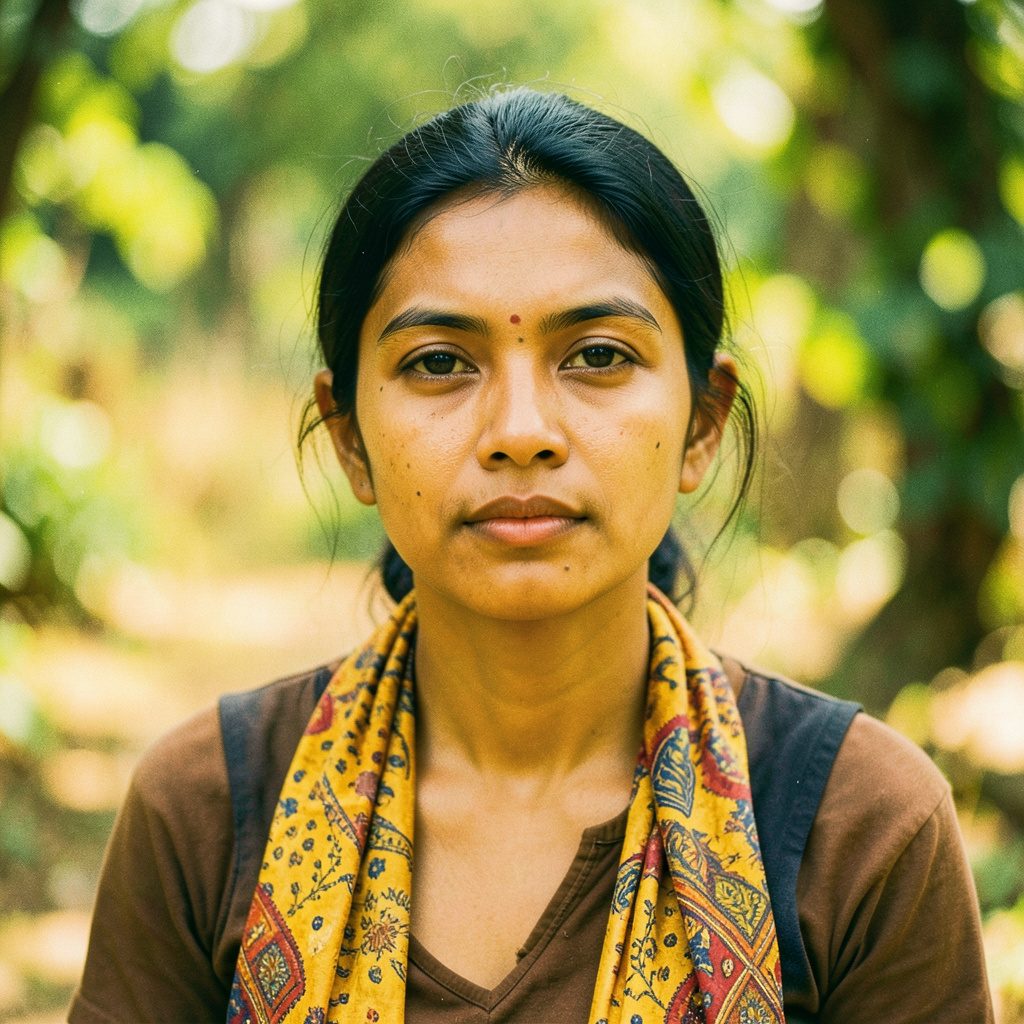
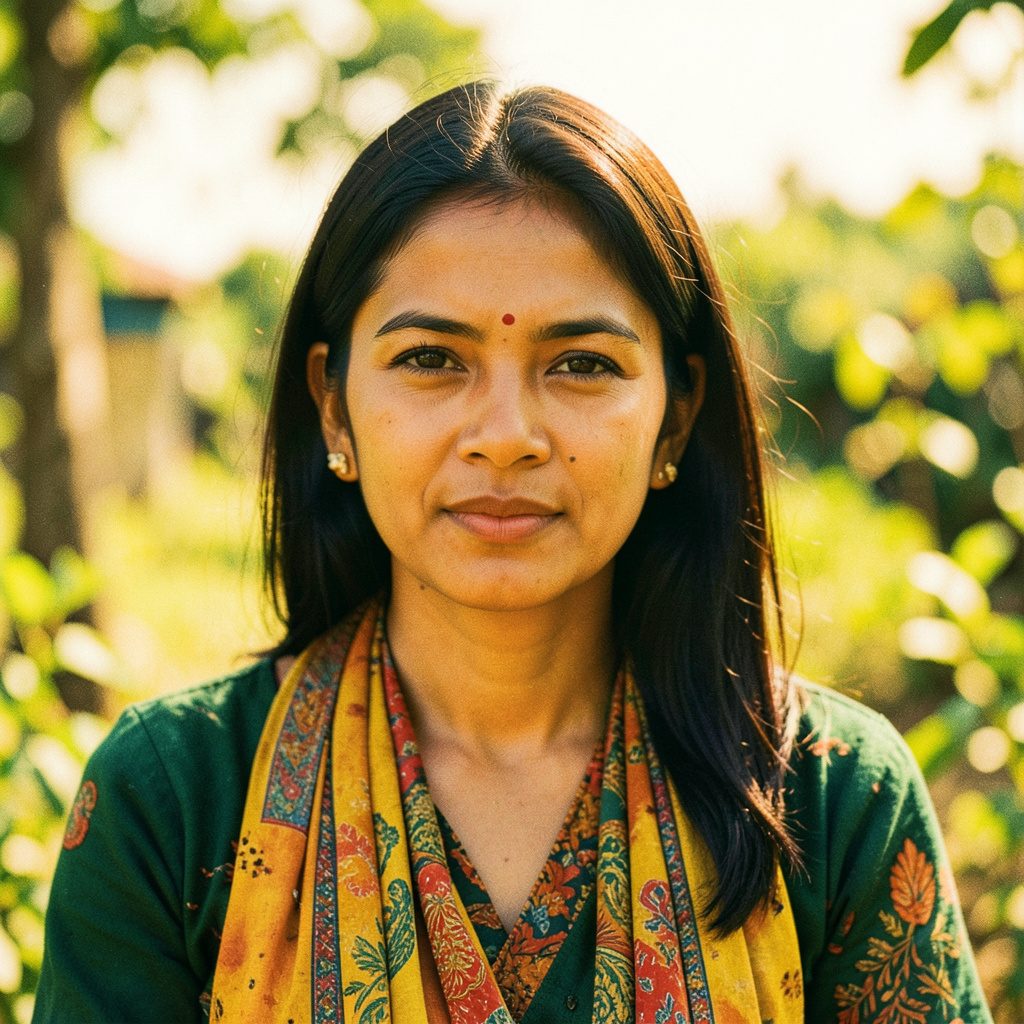
A close portrait turns the face into a complete narrative. A lifted brow can suggest curiosity, a level gaze can convey composure, and a slight parting of the lips can register surprise or softness. Light, timing and cropping give viewers an emotional entry point before they read a caption.
Myanmar-model.net offers a rich setting for this study because its galleries bring together magazine covers, fashion shoots, traditional clothing and intimate portraits of models, actresses, celebrities and fashion personalities. Seen as an editorial archive, the photographs show expression changing as a face meets ceremonial dress, studio styling, cinematic makeup or a quiet moment away from the camera.
Facial expression is not simply a matter of showing emotion. It is a visual language shaped by confidence, modesty, playfulness, fatigue, concentration and cultural expectation. The strongest close-ups do not over-explain themselves; they retain some ambiguity, inviting viewers to notice the eyes, mouth and posture while imagining a story beyond the frame.
For an Australian audience, these images arrive within a visual culture that often favours direct, relaxed communication. Interviews, pitches and social copy tend to sound conversational rather than ceremonious, and audiences are accustomed to photography that feels candid without being careless. That makes the subtlety of Myanmar portraiture worth examining closely, provided the people and traditions shown are treated with respect.
Reading emotion in a cropped frame
The strongest close portraits balance immediacy with control. Cropping around the eyes and mouth removes distractions, but it also intensifies every small signal. Catchlights can soften a stern gaze, while deep shadow beneath a cheekbone may add gravity.
Expression develops in transitions: a breath before a smile, eyes narrowing in concentration, or lips settling after laughter. The decisive frame often arrives between poses, when habitual composure and spontaneous feeling briefly overlap.
A tight crop can also alter the apparent power of a face. Looking directly into the lens may feel assured, while a slightly turned head can suggest thoughtfulness without requiring a broad smile. The camera records posture as much as the mouth.
Placing expression within cultural context
Facial cues do not travel as universal symbols. A lowered gaze may convey respect, modesty, concentration or something else entirely, depending on the portrait and the subject’s setting. Responsible viewing begins by asking what the visible context supports.
Traditional Myanmar clothing, flower adornments, formal jewellery and ceremonial makeup can frame an expression with cultural meaning. These details should be read as active parts of identity rather than decorative backdrops, whether the photograph comes from a festival, editorial shoot or studio session.
Model names and tags in the archive can help readers follow recurring visual stories, yet they cannot supply every missing fact. Captions should distinguish what is visible from what has been confirmed, especially when emotion, status or custom could otherwise be guessed too quickly.
Light, lens and the art of natural presence
Light decides how much the face reveals. Soft window light models cheekbones and eyes, harder side light builds sculptural drama, and frontal light can flatten small gestures. Catchlights and shadow density often matter more to perceived mood than the stated expression.
Camera distance also changes personality. A tight lens compresses the face and makes the eyes dominant; a slightly wider view restores shoulders, hands and posture. Neither is automatically intimate, but each guides the viewer toward a different emotional distance.
Melbourne photographers often work in laneway studios or near large windows, where changeable weather sends soft skylight through glass. Compared with harsh midday sun or direct flash, this diffused light can make guarded expressions easier to read without making them look staged.
Fashion, adornment and visual character
In magazine covers and fashion shoots, facial expression works alongside silhouette, colour and styling. A composed look may balance a dramatic garment, while a spontaneous smile can soften a severe accessory. The face prevents fashion imagery from becoming a display of objects.
Makeup deserves equal attention. Metallic eyeshadow, bold lipstick, highlighted cheeks and carefully shaped brows may amplify particular qualities, but the strongest editorial images avoid making expression and cosmetic detail compete.
Portraiture can therefore be treated as collaboration among photographer, stylist, makeup artist and subject. The goal is not perfect symmetry or a single prescribed emotion; it is a believable relationship between the person, the clothes and the moment.
Showing these portraits to an Australian audience
Australia’s multicultural readership brings varied visual expectations, particularly in cities such as Sydney and Melbourne. A portrait made beside Sydney Harbour can be read as an image of place as well as person, while a close indoor frame can feel more private than a broad travel scene.
Captions and gallery introductions should use plain, respectful English. Australian editorial conversations often move quickly from admiration to practical detail, so descriptions benefit from naming the clothing, photographer, setting and visible expression without turning those observations into invented biography.
The local market also shapes how such work is presented. Independent magazines, fashion labels and creator-led campaigns often favour approachable visual stories and flexible digital formats. For online galleries, a close portrait must remain legible on a phone while retaining enough resolution for viewers to inspect the eyes.
A practical method for stronger close portraits
A useful shoot balances direction with observation. Give the subject a clear emotional cue, watch the light and leave room for unplanned reactions rather than relying on one fixed expression.
- Define the feeling precisely, using words such as reflective, assured or playful.
- Keep the eyes relaxed and the jaw loose before asking for a stronger expression.
- Watch for genuine transitions instead of triggering repeated broad smiles.
- Crop with care so the eyes and mouth retain room to communicate.
- Preserve contextual details that explain the subject’s presentation.
- Review images at full size and on a phone, checking both detail and impact.
The same sequence works when reviewing an archive: identify the emotional cue, note the visual evidence, add only confirmed context and test how the frame reads at different sizes. This turns appreciation into a repeatable editorial practice without flattening individuality.
Publishing portraits with context and care
Close-ups carry responsibility because they invite viewers to interpret private facial detail. Good publication records the photographer and context, respects the subject’s presentation and avoids turning a momentary expression into a fixed personal label.
For questions about attribution, image use or factual clarification, readers can use the site’s editorial enquiries page. Clear communication helps prevent a gallery image from being separated from the circumstances that give it meaning.
A useful final check asks whether the portrait remains emotionally alive once the caption is removed. If the eyes, mouth and posture still form a coherent visual story, the image has succeeded. In practice, begin with the eyes, adjust the light until it feels natural, and preserve enough cultural context for the expression to remain believable.