Posing techniques from Chit Su for striking Myanmar model portraits
Chit Su has built a reputation across Yangon's editorial scene for bringing quiet confidence to every frame. Her approach blends classical Burmese aesthetics with modern fashion sensibilities, creating portraits that feel both rooted and contemporary. For aspiring models studying her work, the appeal lies in how approachable her techniques appear once broken down into simple, repeatable actions.
Australian photographers and models working across Sydney, Melbourne, and Brisbane often reference Southeast Asian editorial photography for its emphasis on natural light and subtle expression. Chit Su's methods translate well to these environments, particularly when shooting along the coast at Byron Bay or within the textured laneways of Melbourne's CBD. Her techniques adapt to different climates, from Darwin's tropical humidity to Hobart's crisp winter air.
Building a grounded stance
A strong pose begins with the feet. Chit Su advises placing weight on the back foot while keeping the front leg relaxed, creating a subtle S-curve through the body. This distribution prevents the rigid, symmetrical stance that flattens images and makes clothing hang awkwardly. The shift engages core muscles gently, which in turn lifts the collarbones and opens the chest for better breathing and more relaxed facial expressions.
When shooting outdoors in Australia, the grounded stance becomes even more important due to uneven terrain. Sand at Bondi Beach or grassy areas in Brisbane's South Bank require models to find stable footing before committing to a pose. Chit Su suggests practicing the weight shift barefoot on different textures to develop proprioception. This training pays off during long editorial days when energy conservation matters and lighting windows close quickly.
Shaping expression through angles
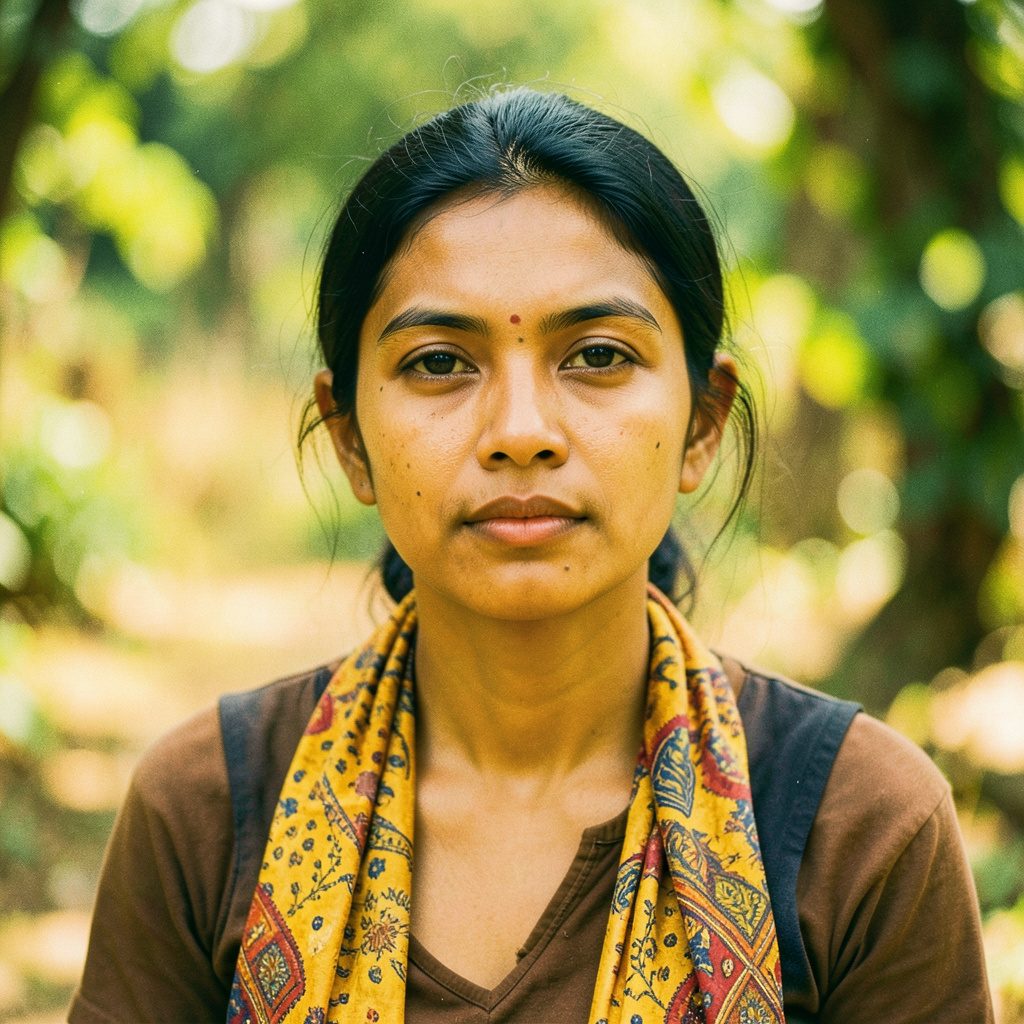
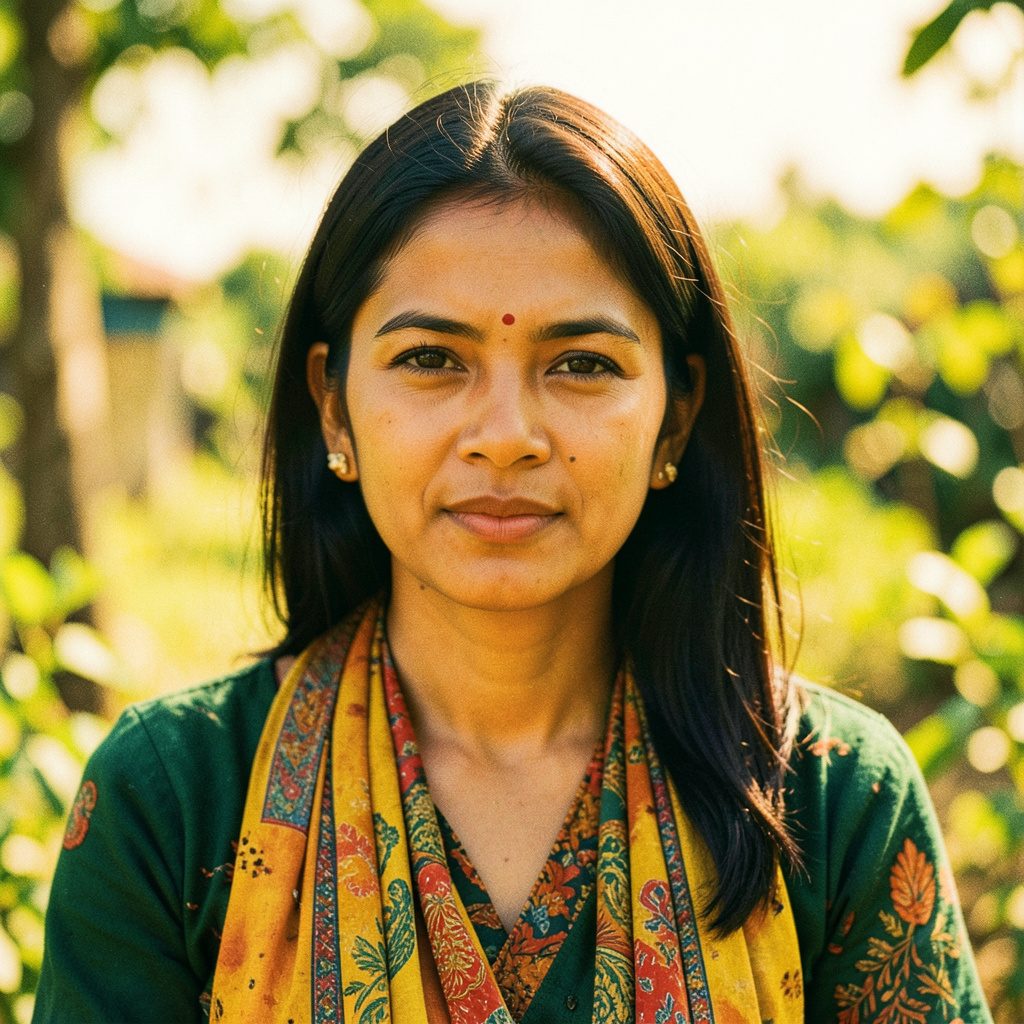
The face offers endless possibilities for variation. Chit Su rarely looks directly into the lens; instead, she turns her head fifteen to thirty degrees off-axis, allowing one eye to lead while the other softens into shadow. This technique creates depth and draws viewers into the image rather than letting the gaze pass through. Combined with a slight tilt of the chin, the effect feels both candid and composed.
Magazine editors prize this kind of nuanced expression because it reproduces beautifully across print and digital formats. Studying archived covers reveals how slight angle changes alter the entire mood of a portrait. A look at curated collections like the top 20 most stunning magazine covers featuring Myanmar models shows how varied these angles can be, from sharp profile turns to three-quarter views that highlight cheekbones against minimalist backgrounds.
Hands, arms, and purposeful gestures
Hands often betray nervousness in inexperienced models. Chit Su treats them as storytelling tools rather than things to hide. She recommends keeping fingers slightly separated and curved, never pressed flat against the body or clenched into fists. A light touch on a collar, a gentle hold of hair, or resting hands on a hip all provide natural anchors that give viewers somewhere to land visually while keeping the overall composition balanced.
When wearing traditional Burmese attire such as the htamein or paso, hands play an even more significant role. They frame the intricate weaving and gold-thread embroidery that define these garments. During shoots in locations like Sydney's Powerhouse Museum or Melbourne's Immigration Museum, where cultural fashion exhibitions sometimes occur, models can use these gestures to emphasize heritage details while keeping the overall composition contemporary and editorial-ready.
Posing across different settings
Different environments demand different posing strategies. Studio work allows for precise control, while outdoor shoots introduce variables like wind, crowds, and changing light. Traditional settings, such as temple grounds or tea houses, require respect for the space and often more subdued body language. The table below outlines how Chit Su adjusts her approach across these contexts.
| Setting type | Body positioning | Facial approach | Key adjustment |
|---|---|---|---|
| Studio with controlled light | Classic S-curve, shoulders angled | Strong eye contact with soft jaw | Focus on symmetry and clean lines |
| Outdoor urban (Melbourne laneways) | Asymmetrical weight, leaning | Candid, mid-motion expressions | Use graffiti and architecture as framing |
| Coastal (Byron Bay or Bondi) | Relaxed stance, wind-responsive | Bright, open expressions | Let hair movement enhance the frame |
| Traditional cultural sites | Upright posture, modest gestures | Calm, dignified gaze | Keep movements slow and intentional |
For Australian-based models, the coastal category proves especially useful during December and January when summer light creates golden-hour opportunities along the eastern seaboard. The urban category suits Melbourne's ever-changing street art scene, where bold backgrounds complement quieter poses and natural daylight fills the narrow passages between heritage buildings.
Quick reference checklist
Chit Su often shares two sets of reminders with newer models she mentors. The first covers foundational habits that build muscle memory, while the second addresses editorial polish for professional assignments.
Foundational habits to practice weekly:
- Stand barefoot for five minutes daily, shifting weight between feet
- Practice the fifteen-degree head turn in a mirror until it feels automatic
- Photograph hands in different positions to identify flattering angles
- Record short video clips to study natural movement patterns
Editorial polish techniques for assignments:
- Arrive early to scout the location and test light directions
- Bring a small notebook to record poses that worked well for future reference
- Communicate with the photographer about intended mood before each setup
- Review images on the camera's rear screen with the team to adjust quickly
Building a personal posing library takes time, but Chit Su emphasizes that consistency matters more than volume. She revisits the same five or six base poses repeatedly, refining them for different briefs rather than constantly seeking new shapes. This approach helped her secure consistent work with photographers in Yangon and increasingly with international collaborators, including those connected to Australian fashion weeks in Sydney and Melbourne.
Practicing one pose from the checklist each morning for the next week will build the reliable foundation Chit Su describes.