Accessories in focus: completing looks with purpose
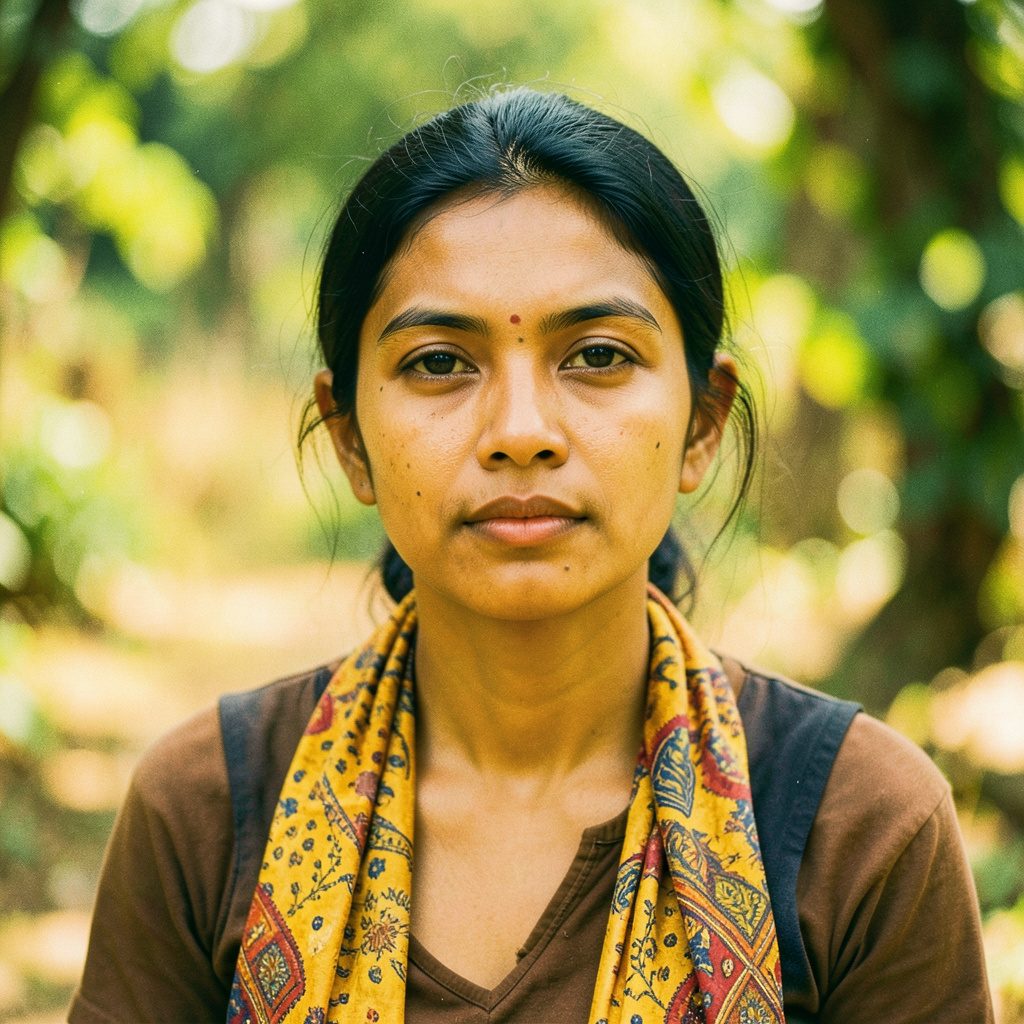
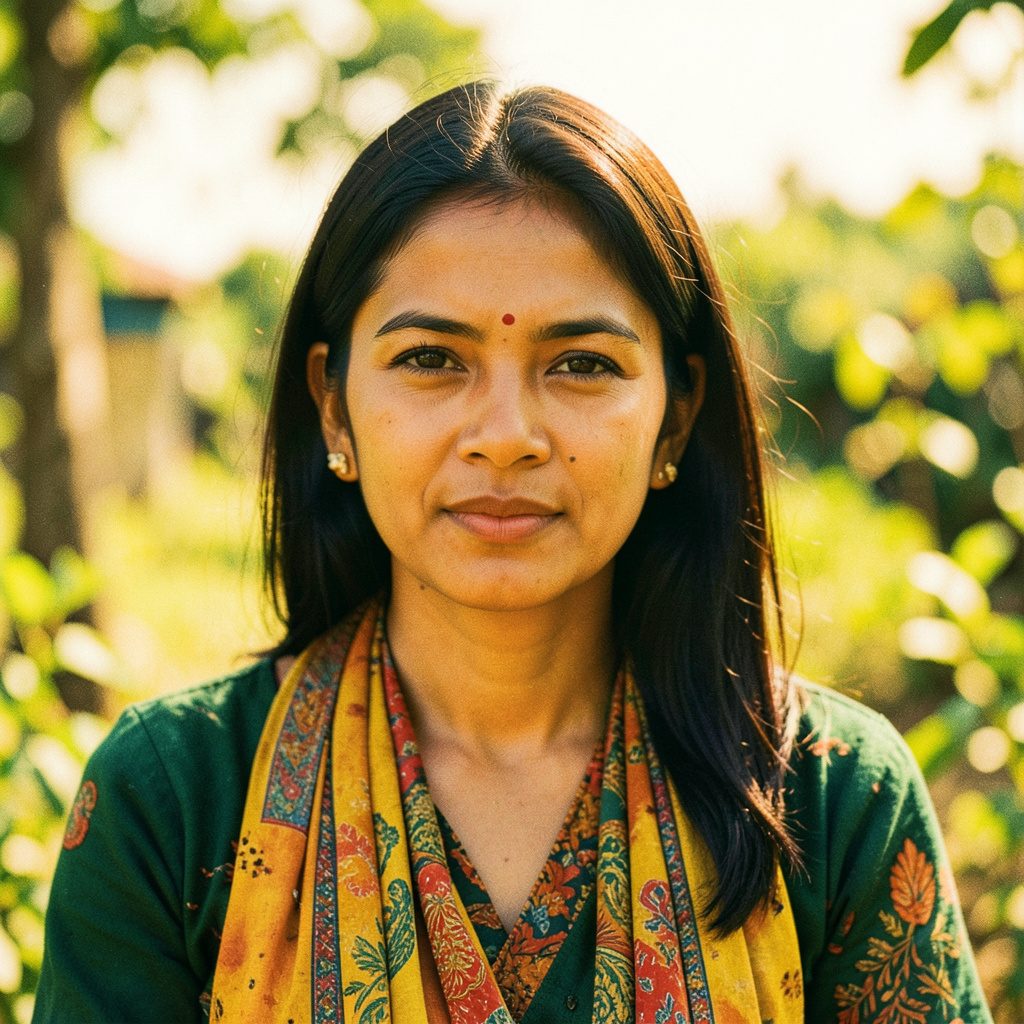
The art of accessories is how Myanmar models complete a look through deliberate choices of jewellery, bags, scarves, belts and eyewear. In the magazine covers, fashion shoots and portrait galleries published by Myanmar-model.net, these finishing pieces direct the eye and give each outfit a memorable identity. A necklace can create a focal point, while a metallic bracelet can turn an otherwise restrained silhouette into something more expressive.
The strongest images do not treat accessories as isolated additions. They show how one element answers another: the curve of an earring against a sharp collar, the weight of a clutch beside flowing fabric, or the colour of a belt echoed in a lip. Reading the photographs as connected styling stories reveals techniques that work far beyond formal studio lighting.
What the archive reveals
Accessories often carry more visual information than the main garment because photographs force them into sharper focus. A bright earring beside a neutral face becomes a graphic shape. A compact handbag creates a clean block of colour, while a long necklace draws attention along the centre of the body. These relationships are especially visible in portrait galleries, where small shifts in balance and proportion become impossible to ignore.
Magazine covers add another layer, because every item must work at a glance. A cover look may combine a sculptural necklace with a bold lip, then use a plain background to prevent competition. Fashion shoots reveal more range: the same model can move from a highly polished red-carpet combination to a softer grouping of fine chains, linen and understated leather.
Repetition is one of the archive’s clearest lessons. Repeating a metal, colour or shape across separated parts of an outfit ties distant areas together. Contrast works just as effectively. One severe accessory can soften fluid tailoring; one delicate piece can make a powerful monochrome look feel less formal. The deciding factor is usually intention rather than quantity.
Jewellery as a visual signature
Jewellery is among the most immediate accessories in Myanmar model photography. Gold-toned earrings and necklaces create warmth against deep colours, while silver or pearl pieces can appear crisp with black, white and tailored neutrals. Multiple bangles can add movement to a simple gesture, and statement earrings can frame the face without requiring elaborate clothing.
Traditional and contemporary pieces can appear in the same frame, but their meaning should not be flattened into decoration. Headdresses, coins, floral forms and specific jewellery traditions can carry cultural and religious significance. Editorial styling gains depth when photographs are presented with accurate context and when ceremonial items are not treated as interchangeable props.
For a wider visual vocabulary around finishing an outfit, this accessory styling guide offers a useful companion to the archive. The key is to identify what each piece contributes—light, rhythm, colour or symbolism—before combining it with the clothing.
Shape, scale and deliberate contrast
Bags and scarves work on the body’s larger proportions. A structured tote can anchor a fluid outfit, whereas a soft shoulder bag follows the line of the arm. Small clutches suit clean evening silhouettes but can look undersized beside wide sleeves or voluminous skirts. Scarves similarly change scale: a narrow silk tie feels precise with a blazer, while a printed wrap gives plain knitwear a stronger identity.
Belts and eyewear complete the geometry. A slim belt can clarify a high-waisted shape; a wide belt can interrupt a long column and create two distinct sections. Sunglasses introduce a bold horizontal line and change how the face is perceived, while cat-eye frames echo curves elsewhere in the outfit. The best combinations repeat a shape rather than matching every detail exactly.
Texture deserves the same attention as colour. Matte leather beside sheen, smooth silk against textured wool, or polished metal near matte fabric creates separation that remains visible in a photograph. It also makes accessories easier to judge: an ornate piece needs calm surroundings, while a simple design can carry a more experimental garment.
Australian weather, culture and buying realities
Australian conditions make accessory choices especially practical. Sydney’s humidity and strong coastal light can make heavy metals and glossy finishes feel visually intense, so breathable scarves, clean hoops or softly structured bags may be more comfortable. Melbourne’s changeable weather rewards layers, including removable wraps and adaptable jewellery. Brisbane’s warmer climate calls for lightweight fabrics and sunglasses that remain usable in bright sun.
Everyday habits shape the looks as much as the weather. Commuting on public transport, walking at lunch, heading to the beach, meeting friends at a weekend market or working from home creates a rhythm of changing settings. Accessories that can shift from office to dinner are useful, but they still need a clear role in the outfit rather than looking like items added merely because they are nearby.
The local market reflects this mix of online research and physical discovery. Shoppers can compare Australian designers with global labels at precincts such as Bondi Junction in Sydney and Chadstone in Melbourne, then check sellers on online marketplaces. Retail prices generally include GST, and Australian Consumer Law protections under the Competition and Consumer Act 2010 provide guarantees for goods sold by Australian businesses, including online purchases. Eyewear must also meet relevant Australian product-safety and labelling rules, making documentation and care information useful details to check.
A practical styling checklist
Before combining pieces, decide which accessory should lead the eye. Then check proportion, repeat one colour or material, and keep the remaining choices supportive. Weather, dress code and cultural context should shape the final edit, especially for items with ceremonial or traditional meaning.
- Choose one dominant accessory, then build quieter pieces around its shape, colour or material.
- Repeat a single tone across separated areas of the outfit to create a visible thread.
- Balance scale by pairing bold jewellery with a simpler bag, or a minimal necklace with stronger shoes.
- Match texture to the garment, using shine against matte or smooth surfaces beside tactile fabrics.
- Check comfort and exposure for Australian conditions, from coastal humidity and strong sun to cool evenings.
- Research the origin and significance of traditional pieces so cultural meaning is represented accurately.
A useful final check is whether the accessories still make sense when the pose, setting or lighting changes. If one detail disappears completely, another becomes excessively loud, or the outfit depends on a trend that does not suit the wearer, the balance can be adjusted.
Myanmar-model.net offers more than a record of beautiful clothes. Its images show accessories acting as architecture: lines around the face, blocks of colour near the hip, glints of metal that animate a still frame. The lesson travels well beyond Myanmar because visual balance is universal, even when the cultural references are specific.
The point to remember is that a memorable look is not created by adding the greatest number of pieces. It comes from choosing each accessory for a distinct purpose and allowing garment, accessory and setting to support one another.