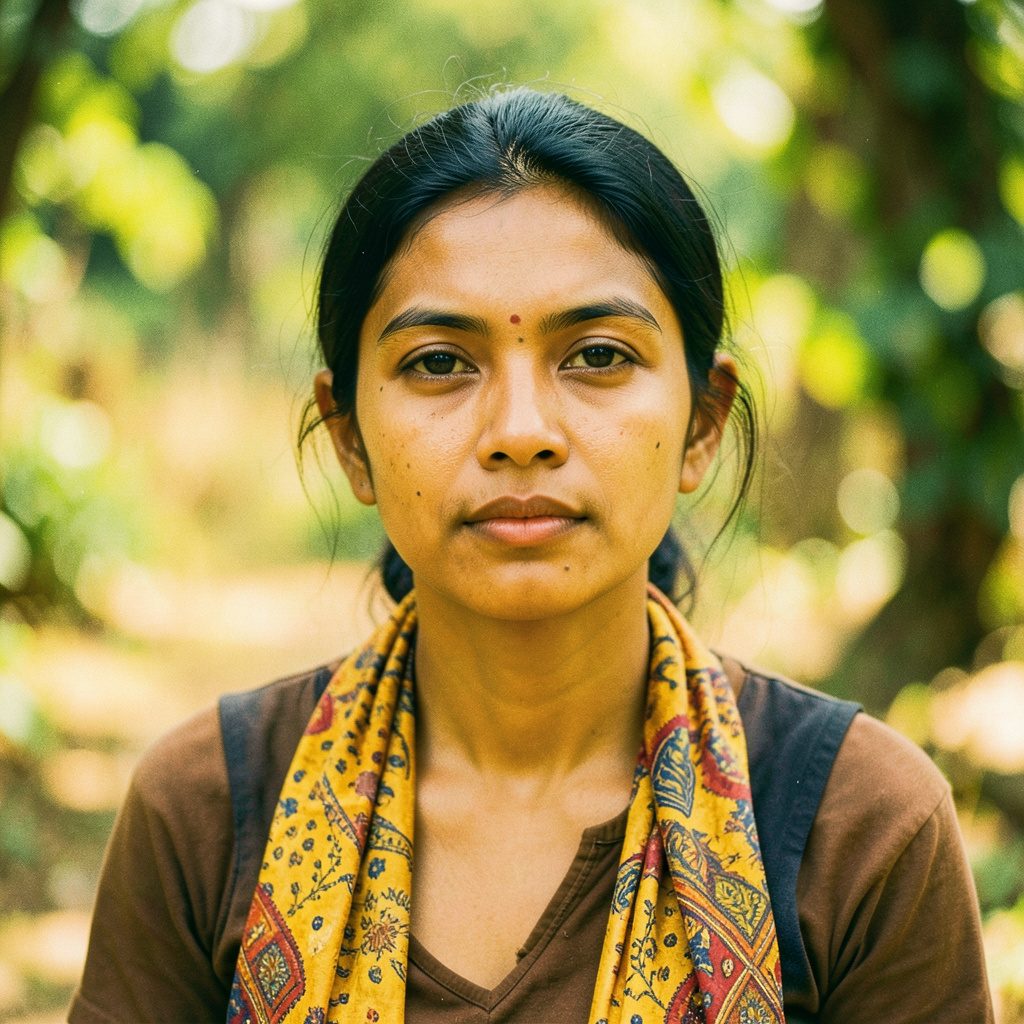
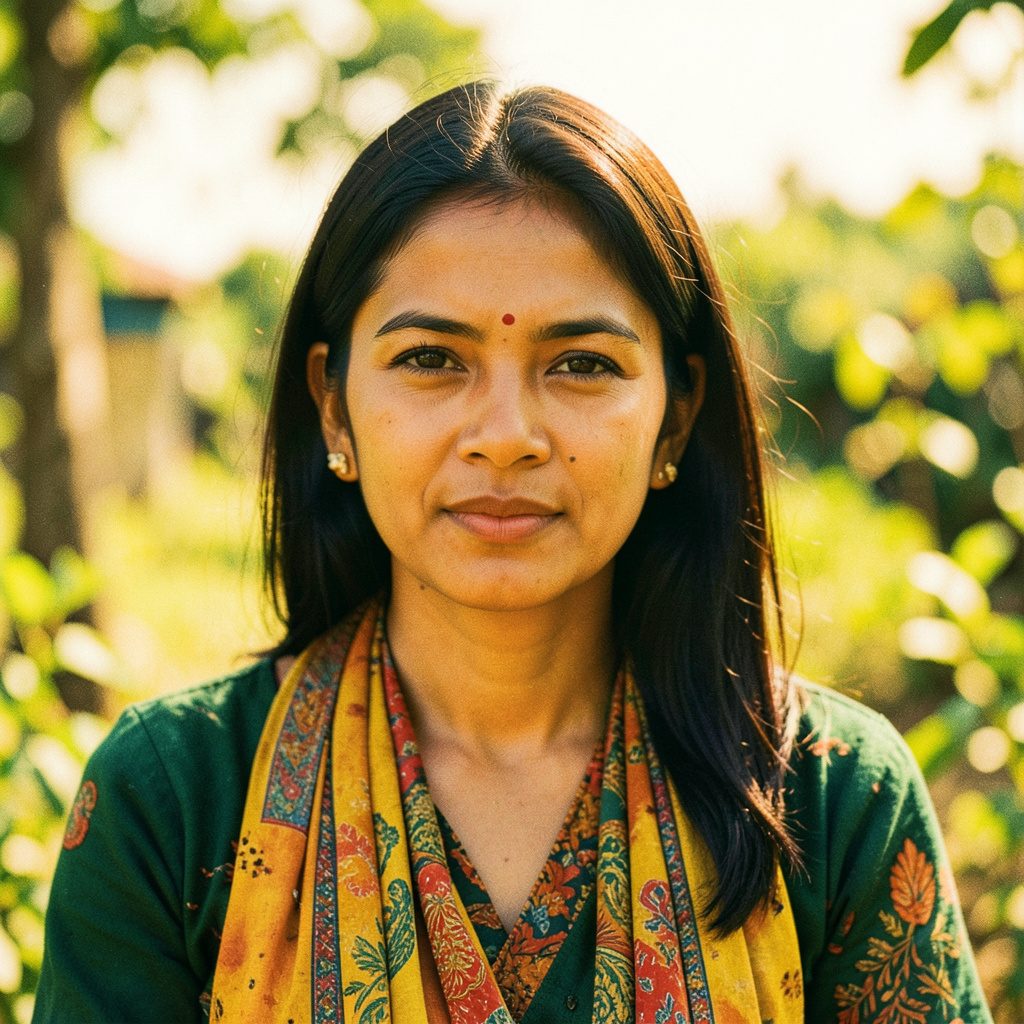
Spotlight on Model Htun Htun and Her Journey to Fame
Htun Htun has attracted attention through the visual language of Myanmar fashion photography: expressive portraiture, carefully styled outfits and an ability to make a still image feel personal. Her appeal sits at the meeting point of modelling, entertainment and digital celebrity culture, where a magazine spread can travel quickly from a printed page to social media feeds.
For audiences discovering her work from Australia, the interest goes beyond individual photographs. Her appearances offer a glimpse into Myanmar’s fashion scene, where traditional dress, contemporary styling and studio portraiture often share the same editorial space. The result is a body of work that feels polished while remaining closely tied to local identity.
Her rise is best understood through the images that have circulated publicly rather than through a single dramatic turning point. Magazine covers, fashion shoots and portrait galleries show how her public profile has developed, while the changing presentation of her style reveals why she continues to attract viewers.
| Career phase | Defining visual quality | Why it connects with viewers |
|---|---|---|
| Early portrait work | Natural expressions and direct eye contact | Creates familiarity and warmth |
| Fashion editorials | Strong styling, colour and pose | Shows versatility in front of the camera |
| Celebrity visibility | More polished production and recognisable looks | Builds a memorable public identity |
| Archive presence | Images preserved across galleries and tags | Helps new audiences discover her work |
The Foundations Of Her Public Image
A model’s early visibility often comes from consistency rather than one headline-making event. Htun Htun’s photographs suggest a performer who understands the importance of posture, facial expression and visual restraint. Even when the styling is elaborate, her presence remains the centre of the frame.
That quality matters in Myanmar’s entertainment market, where fashion magazines and celebrity publications have helped introduce models to wider audiences. A strong portrait can establish a recognisable identity before a viewer knows much about the person behind it. Htun Htun’s appeal comes from this immediate readability: the image communicates confidence without appearing distant.
From Fashion Shoots To Wider Recognition
Editorial photography gives a model room to show range. One shoot may emphasise elegant eveningwear, while another highlights traditional Myanmar clothing, brighter colours or a softer studio mood. Htun Htun’s image works across these settings because she can adapt her expression and body language without losing a consistent character.
This versatility is an important step in a journey to fame. Viewers begin to recognise more than a face; they associate the model with a particular standard of presentation. For readers in Melbourne or Sydney, the comparison might be a fashion personality appearing across a magazine, a designer campaign and carefully curated Instagram content. The same pattern of repeated visibility helps build recognition in Myanmar.
Traditional Style And Contemporary Appeal
Traditional clothing gives Htun Htun’s portfolio a distinctive cultural dimension. Longyi-based looks, refined textiles and formal styling can create photographs that feel connected to heritage while still looking current. The balance depends on details such as fabric, jewellery, hair design and the model’s ability to carry a composed pose.
This combination can be especially engaging for Australian viewers familiar with multicultural fashion markets. In suburbs such as Cabramatta, Springvale and Parramatta, audiences regularly encounter Southeast Asian textiles and celebrations alongside contemporary streetwear. Htun Htun’s images reflect a similar conversation between cultural continuity and modern presentation, making the work accessible without stripping away its Myanmar character.
The Importance Of Magazine Covers
Magazine covers have long functioned as shorthand for arrival. They place a model in a highly visible frame, surrounded by typography, fashion credits and the authority of a publication. A cover image needs to work quickly: the expression must attract attention, while the styling needs to communicate the magazine’s mood at a glance.
For Htun Htun, cover-style portraits help transform individual photo sessions into a broader public narrative. They suggest professionalism, reliability and editorial appeal. In Australia, where fashion visibility is shaped by titles, department-store campaigns and digital publishers, the principle is familiar. A cover or feature can introduce a personality to people who may never have encountered a full biography.
Digital Archives Extend The Journey
Online photo archives have changed how audiences discover models. Instead of relying on a current issue or a single broadcast appearance, visitors can move through older galleries, tags and related names. This creates a longer career footprint, allowing earlier work to remain visible after the original publication has disappeared from newsstands.
A carefully organised archive also helps international viewers follow visual development. Someone browsing from Brisbane, Perth or Adelaide can compare formal portraits with later fashion images in a few minutes. Websites such as Fashion Look Style provide a useful point of reference for readers interested in the wider relationship between styling, image-making and personal presentation.
Why Her Portraits Remain Memorable
The strongest portraits usually depend on small decisions. A slight turn of the head can make an image feel graceful; a steady gaze can create authority; a relaxed mouth can soften a highly structured outfit. Htun Htun’s photographs are effective when these choices allow the viewer to sense personality rather than see only clothing.
Lighting and composition add to that impression. Clean studio backgrounds place attention on the face, while fashion sets give the image a richer narrative. This variety helps her avoid being associated with one fixed look. Her public image can appear elegant, poised or approachable, depending on the styling, yet it remains recognisably hers.
Reading Her Rise Through The Archive
The archive presents fame as an accumulation of moments. A model becomes familiar through repeated exposure: a new gallery, a magazine portrait, a traditional fashion feature or a shared image that reaches another audience. Htun Htun’s visibility reflects this gradual process, where professional presentation and cultural relevance reinforce each other over time.
For Australian readers, the appeal also lies in discovering a fashion scene outside the usual global centres. The Australian market often filters international style through local retail, multicultural events and social platforms, while Myanmar’s editorial imagery carries its own visual codes. Viewing Htun Htun’s work on its original terms makes the archive more than a collection of attractive photographs; it becomes a record of how beauty, fashion and celebrity are presented in Myanmar.
The site’s handling of personal information can be reviewed through its privacy policy, which is useful for visitors exploring image-based media archives online. With that practical detail in mind, the most rewarding way to follow Htun Htun’s career is to compare the photographs themselves: begin with an early portrait gallery, then trace the shifts in styling, setting and expression across her later features.