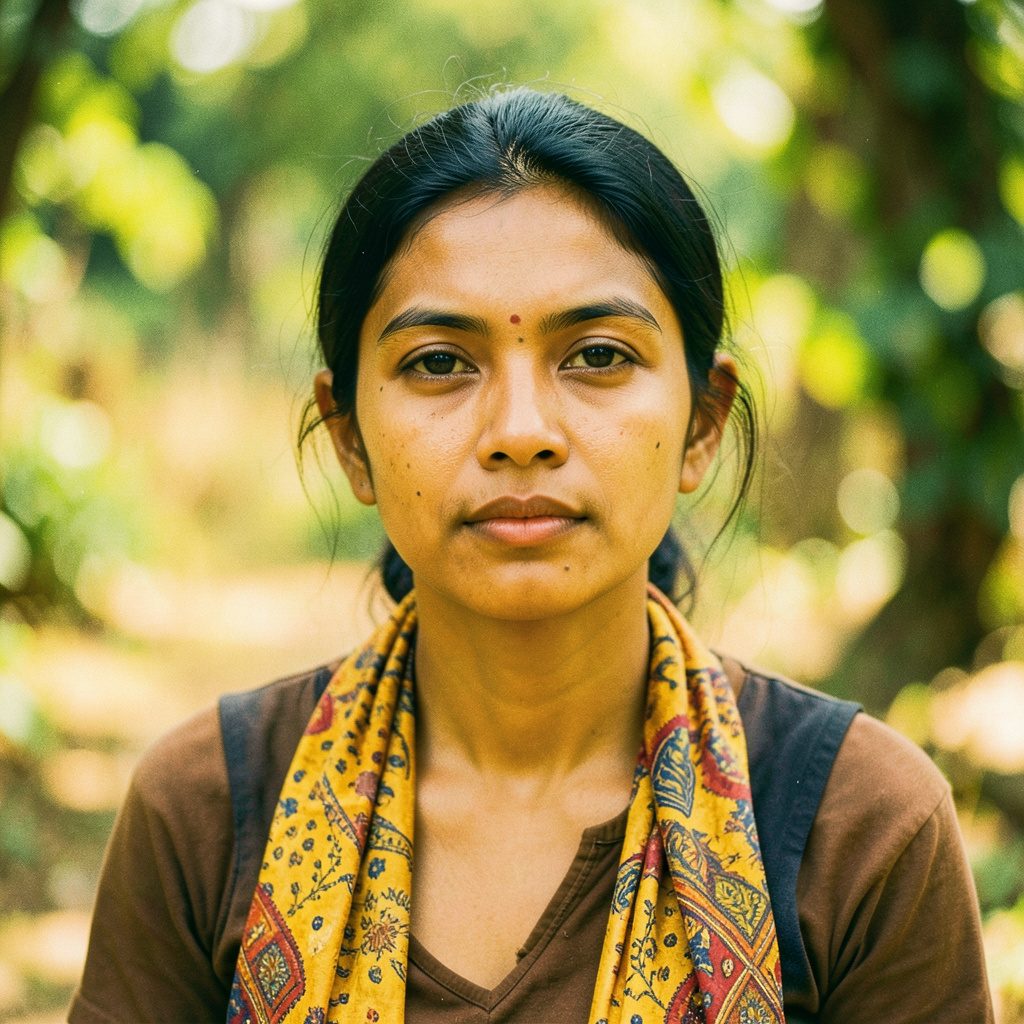
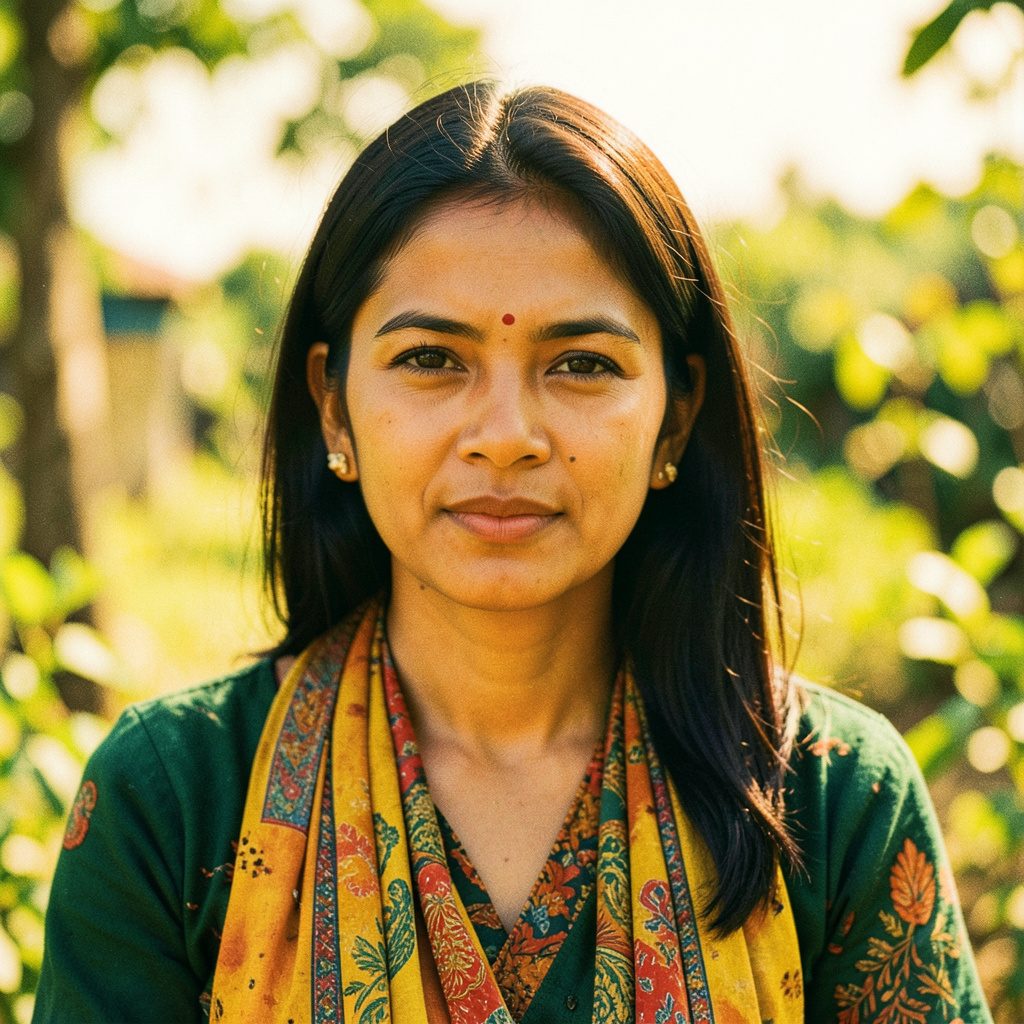
Redefining elegance through contemporary Myanmar portraits
Elegance in contemporary portraiture is rarely about expensive styling alone. It emerges through posture, expression, texture, colour and the quiet decisions made behind the camera. In images of Myanmar celebrities, these elements often meet in a visual language that feels polished while remaining connected to local culture.
For Australian audiences, this perspective offers a refreshing alternative to familiar celebrity imagery. A portrait can carry the atmosphere of Yangon, the discipline of a magazine cover and the warmth of traditional dress in a single frame. It can feel relevant in a Sydney studio, a Melbourne gallery or a fashion feed viewed on the tram.
Myanmar-model.net presents this world as a photo-focused archive, bringing together actresses, models, public figures and fashion personalities. Its collections encourage viewers to look beyond a single trend and notice how contemporary beauty is shaped by clothing, hair, studio lighting and personal presence.
The changing language of celebrity style
Modern celebrity portraits from Myanmar often balance glamour with restraint. A dramatic gown may be paired with a relaxed expression, while a simple blouse can gain impact through careful lighting and a strong pose. This balance gives the images a sense of confidence without making them feel overly manufactured.
The approach is familiar to Australian readers who follow local fashion editorials in Sydney or Melbourne. Australian style often values a polished finish that still appears effortless, and Myanmar portraiture can create a similar impression through natural gestures, uncluttered backgrounds and deliberate styling. The result is elegance that feels lived-in rather than distant.
Portraits also reveal how celebrity identity is managed. A performer may appear in a refined studio image for a magazine, then in a softer outdoor photograph that shows a more approachable side. These shifts matter because they allow public figures to be viewed as both cultural icons and working professionals.
Traditional details in a contemporary frame
Traditional clothing gives many Myanmar portraits their strongest visual character. Longyi fabrics, intricate embroidery, gold accents and carefully arranged silhouettes can bring history into a modern editorial setting. When photographed with clean composition, these details feel current rather than preserved behind glass.
This quality has particular resonance in Australia, where fashion audiences regularly move between global runway influences and local cultural expression. A Burmese-Australian viewer in Melbourne’s western suburbs or Sydney’s south-west may recognise familiar textiles while also seeing them styled for a new generation. The images create room for heritage to be present without being treated as costume.
Contemporary styling can also make traditional dress easier to understand. A close portrait might focus on a neckline, a bracelet or the weave of a fabric, while a wider image shows how the outfit moves. These visual choices turn clothing into part of the subject’s story, rather than a decorative background.
Hair, makeup and the architecture of a portrait
Hair and makeup shape the emotional direction of a celebrity image. Sleek hair can suggest authority, soft waves can introduce romance, and a sculptural updo can make a fashion photograph feel almost architectural. Makeup works in a similar way, defining the eyes, balancing colour and directing attention towards expression.
The relationship between beauty styling and fashion is especially clear in Myanmar Fashion Week hairstyles, where changing silhouettes show how a single face can support different editorial moods. These details are useful for understanding the complete portrait, since hair is often the element that connects clothing, lighting and personality.
Australian viewers may notice how practical conditions influence these choices. Humidity in Brisbane, coastal air in Sydney and bright summer light across Perth all affect how hair and makeup are planned for shoots. Myanmar’s own climate creates related demands, so polished images often reflect considerable technical control beneath their apparent simplicity.
Editorial polish without losing personality
A strong portrait does more than display a beautiful face. It creates a relationship between the subject and the viewer through eye contact, body language and the space around the figure. A direct gaze may communicate strength, while a turned shoulder or lowered chin can create a quieter sense of intimacy.
Magazine covers are particularly effective because they compress this communication into a single image. Typography, colour and cropping must work with the expression rather than overpower it. When the image is successful, the celebrity appears recognisable while still offering something new, which helps explain why fashion archives remain valuable after the original publication date.
This editorial polish can be appreciated in the same way Australians assess a cover from a major fashion title or an independent culture magazine sold at a city newsstand. The commercial context differs, yet the visual goal is similar: create an image that catches attention quickly and rewards a closer look. Myanmar portraits often achieve this through measured styling instead of visual excess.
A wider view of Myanmar’s fashion culture
Photo archives provide a broader picture than isolated viral posts. By placing portraits, magazine covers, fashion shoots and traditional looks together, they show how public taste changes over time. The archive becomes a record of evolving hairstyles, beauty standards, fabrics and professional identities.
That broader view is useful in Australia’s increasingly connected media market. Audiences in Canberra, Adelaide and regional centres can encounter international fashion without relying only on large publishers or department-store campaigns. Social platforms may deliver rapid exposure, while an organised archive supplies context and continuity.
Myanmar celebrity culture also deserves to be viewed on its own terms. It is easy for overseas audiences to reduce international fashion to exotic detail, but careful portraiture resists that shortcut. The subjects remain central: their careers, expressions, choices and presence guide the image. Cultural references enrich the photograph rather than replacing the person within it.
The appeal of these portraits lies in their combination of familiarity and discovery. The language of studio photography, beauty styling and celebrity branding is recognisable across borders, yet the textiles, gestures and visual traditions create a distinct identity. This makes the work accessible to Australian viewers while preserving its Myanmar character.
For a reader browsing between Australian fashion coverage and international image archives, the photographs offer a slower form of looking. A portrait can be considered for its lighting, then revisited for its fabric, pose or cultural detail. The next step is to open one gallery on Myanmar-model.net and study how styling, expression and composition work together in a single image.