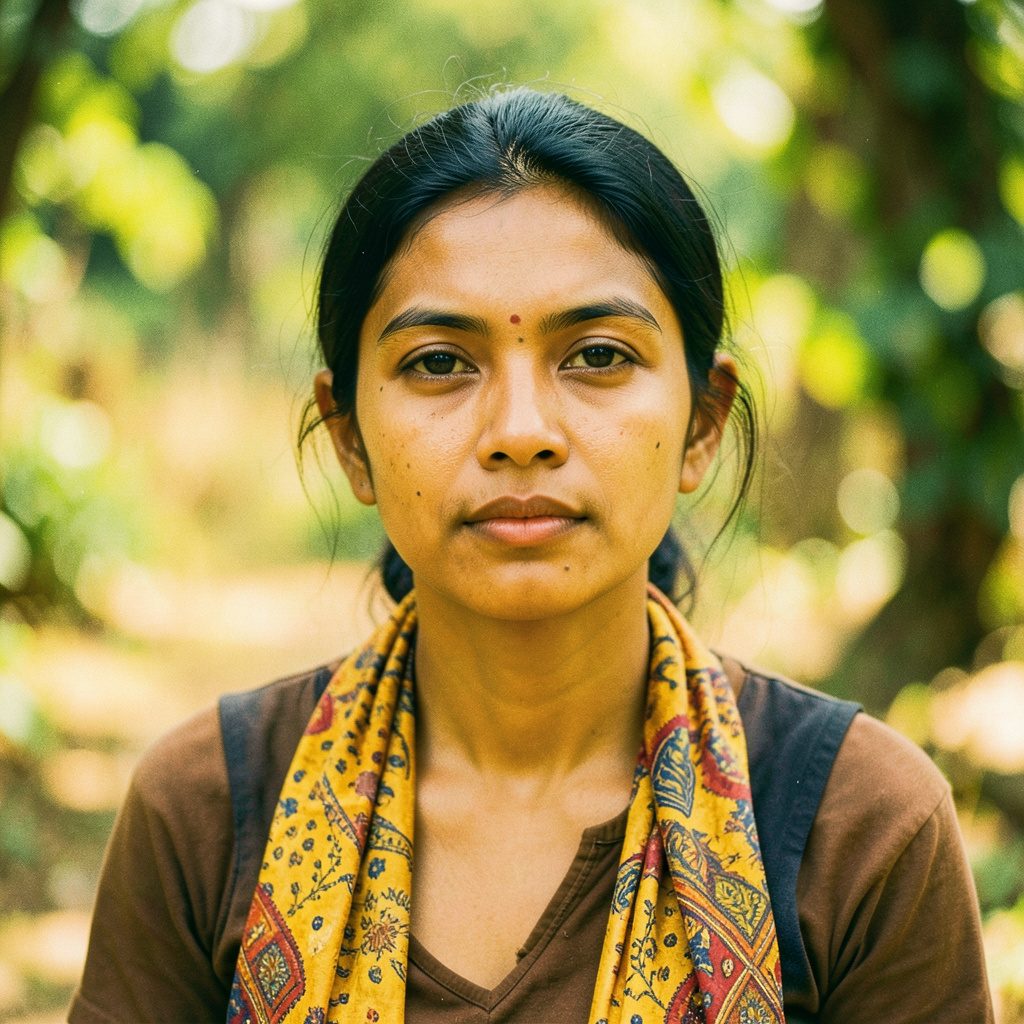
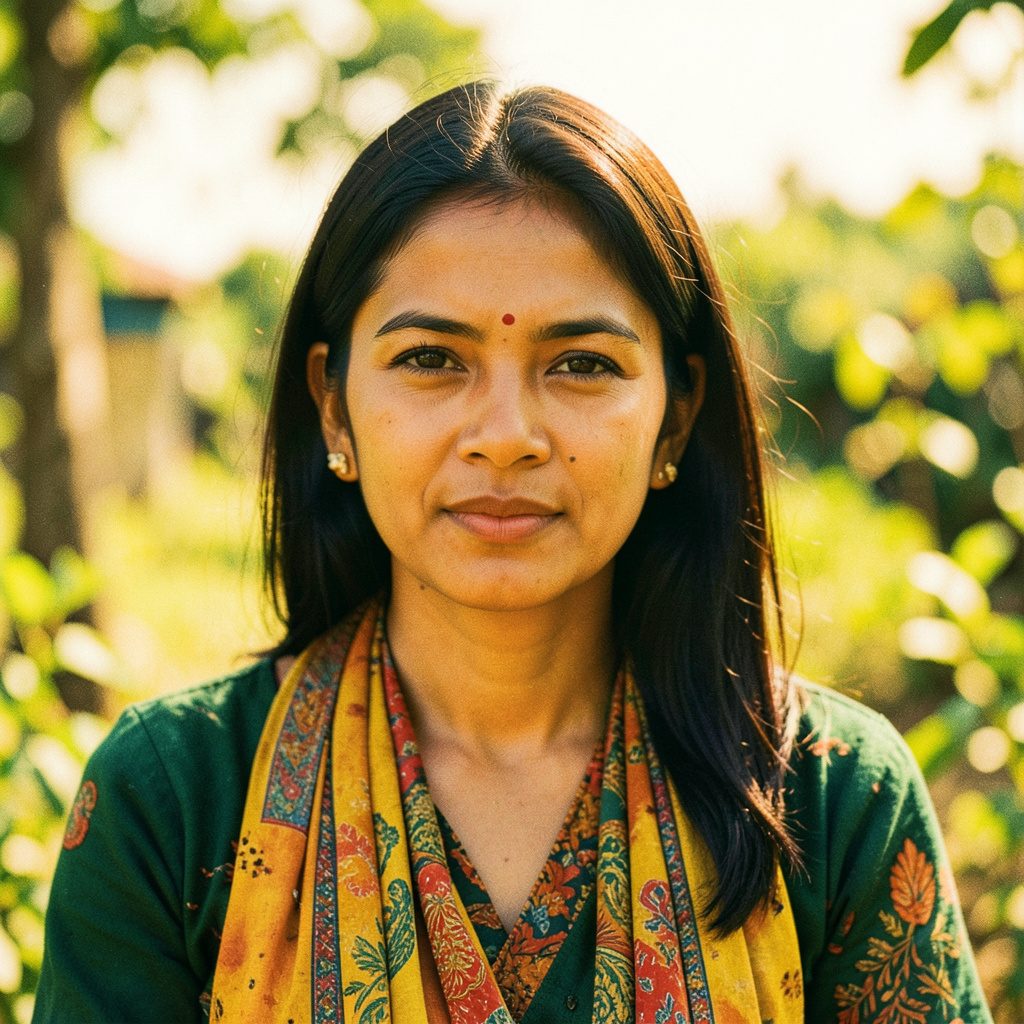
Model spotlight: Hnin Wai – from small town to international runway
Hnin Wai’s progression from a small-town setting in Myanmar to international fashion stages is visible in the way her presence changes. Competition discipline, magazine polish and travel-ready composure create a coherent public image, while her grounded features and direct gaze keep the styling human. Her 2017 Myanmar International Fashion Festival win is an important marker, yet the photographs offer a richer account than a title alone.
Viewed as an editorial archive rather than a sales catalogue, Hnin Wai’s body of work shows how regional style can enter a global fashion conversation without losing its specificity. Burmese tailoring, contemporary silhouettes and understated beauty recur across the pictures. The strongest frames do not depend on spectacle: they show how posture, fabric and a controlled expression shape the viewer’s reading of the garment.
Small-town beginnings, global ambitions
Hnin Wai’s early move from a small town in Myanmar into the country’s professional modelling circuit gave her an education in presentation that extended beyond local competitions. Each casting required her to alter her posture, expression and approach to clothing. That adaptability became one of her defining qualities as she moved from competition work to fashion shows, editorial portraits and magazine imagery.
Her 2017 victory at the Myanmar International Fashion Festival was a turning point because it placed her before an international audience. The recognition also brought a broader range of styling assignments, exposing her to designers, photographers and beauty teams working across different markets. International modelling is less about looking polished for one room than understanding how the same photograph or runway walk changes across cultures.
For readers who want to trace that development visually, the Myanmar Model archive provides a useful record of magazine covers, fashion campaigns, traditional dress and portrait sessions. Together, these images show a model whose identity has remained recognisable while her professional context has become increasingly international.
How a runway image is constructed
A catwalk photograph compresses several disciplines into a single frame. The garment supplies the silhouette and colour, while the model communicates its movement through shoulder control, foot placement and pace. A photographer must also catch an expression that works at a distance, even when the audience is several rows away.
Hnin Wai’s strongest images retain composure without appearing rigid. Her gaze gives the photographs authority, while subtle shifts in her head and shoulders introduce movement. This balance is particularly effective in fashion editorials, where a static portrait still needs to suggest that the clothing has a life beyond the camera.
Her work also demonstrates the importance of context. A sharply tailored look, a traditional-inspired collar and a soft beauty look each place a different emphasis on her features. The recurring result is editorial versatility: she can carry a ceremonial garment, contemporary streetwear or a polished evening silhouette without surrendering her individual screen presence.
The visual markers worth noticing
The most revealing pictures can be read through recurring choices in posing, styling and setting. Rather than relying on a single signature outfit, Hnin Wai builds a recognisable image through consistent visual discipline.
Within the frame
- Direct eye contact creates authority and keeps attention on the clothing’s construction.
- Traditional-inspired details sit comfortably beside modern tailoring and clean silhouettes.
- Strong textile textures are allowed to remain visible rather than being overwhelmed by heavy accessories.
- Restrained makeup preserves the face while adding definition suitable for runway lighting.
Across her career
- Competition photographs emphasize poise, symmetry and precise garment control.
- Editorial portraits reveal a more relaxed mood built around expression and close-up detail.
- International fashion-week imagery shows greater movement and a broader range of contemporary styling.
- Pageant recognition provides context for her visibility without defining the full scope of her work.
These markers explain why Hnin Wai’s photographs remain compelling across different formats. A magazine cover demands instant recognition, a studio portrait rewards close inspection and a runway image must communicate at speed. She adjusts to each requirement while retaining a consistent sense of presence.
Translating the look for Australia
Australian fashion audiences encounter Burmese style through a market shaped by local boutiques, department-store collections, designer labels and fast-moving social media campaigns. Climate is an equally important filter. Melbourne’s famously changeable weather rewards adaptable layers, while Sydney’s brighter conditions call for lighter fabrics and sharper contrasts.
The country’s use of metric sizing also changes how international looks are interpreted. A garment that appears straightforward in a European or American editorial may require a different size, hem adjustment or fabric weight here. Translation therefore involves more than copying an outfit; it requires considering movement, temperature and how the silhouette will work on a different body in a different climate.
A sharper, city-focused version can borrow the approach in styling a leather jacket, pairing structured outerwear with simpler pieces below. The relevant principle is proportion: a cropped jacket or strong shoulder can balance a relaxed trouser, while restrained accessories keep the focus on the wearer. That formula translates well for Australian wardrobes because it works with practical layering rather than depending on one weather extreme.
Why the image resonates in Australia
Australian fashion writing tends to favour direct observations. A look might be called “sharp,” “fresh” or “not a bad look,” understated compliments that place visual detail ahead of exaggerated praise. This conversational style suits Hnin Wai’s imagery because her photographs reward close, specific description rather than grand claims.
Local fashion weeks in Melbourne and Sydney also provide a useful point of comparison. Both connect runway presentations with photographers, stylists, buyers and audiences who follow local labels as closely as international brands. Australian seasons also run opposite those in Europe and North America, with autumn collections commonly arriving from February to March and spring lines from September to November. International images therefore enter the market against a distinct editorial calendar.
For Australian readers, the appeal of Hnin Wai’s career lies in that combination of visibility and continuity. Her international work demonstrates the reach of Myanmar modelling, while the familiar elements of directness, practical styling and understated beauty language make her visual story easy to engage with at home.
Building a lasting visual record
A durable modelling profile should connect biography, runway appearances and editorial images rather than treating them as separate achievements. Hnin Wai’s progression is clearest when each photograph is placed within the stage of her career, from local beginnings and competition recognition to international styling and polished magazine work.
That documentation also protects the image from becoming a passing social-media trend. Clothes, makeup and location change from one assignment to the next, but the discipline behind the photographs remains visible: controlled posing, close attention to fabric and an ability to communicate without excessive performance. The next concrete step is to select one Hnin Wai photograph from the archive, record its date, clothing and visual motifs, and use that single reference as the basis for a documented styling study.