Model profile: Nan Sandar – the face of modern Myanmar
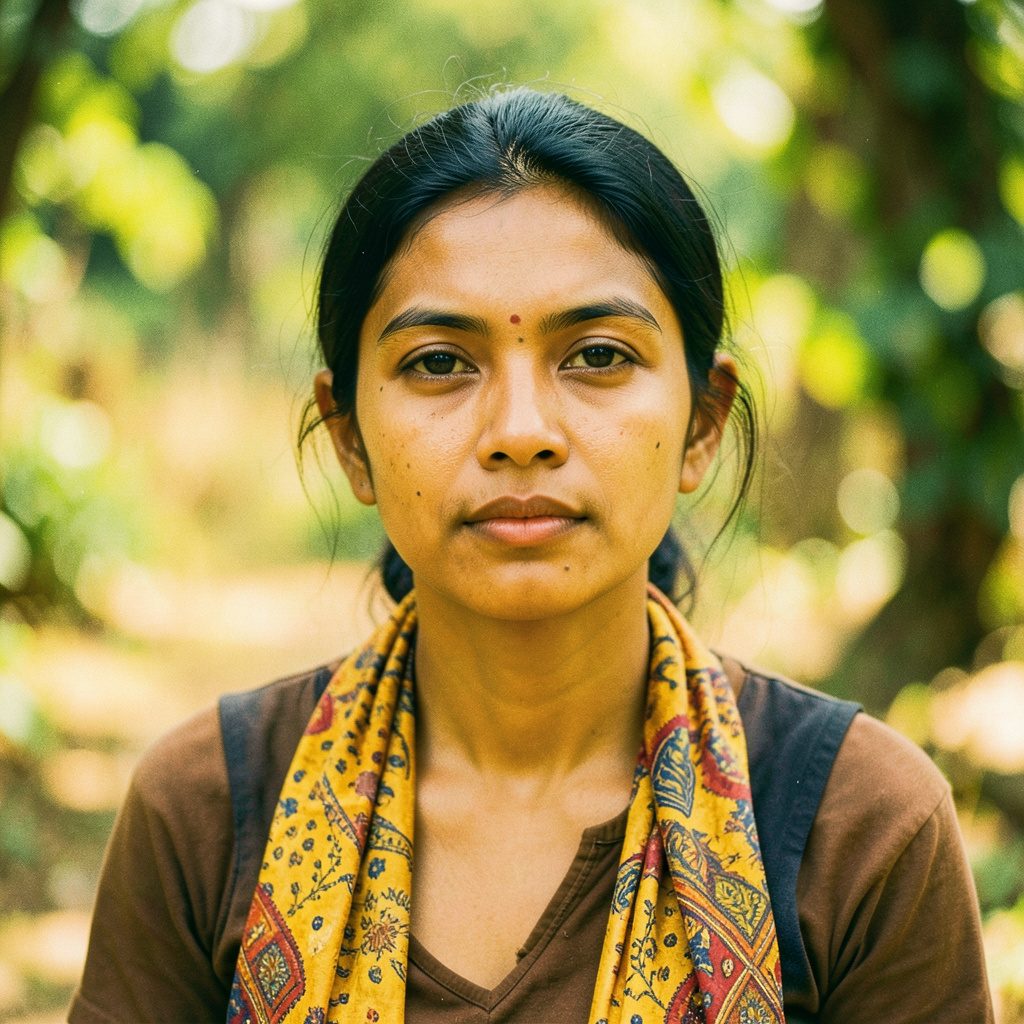
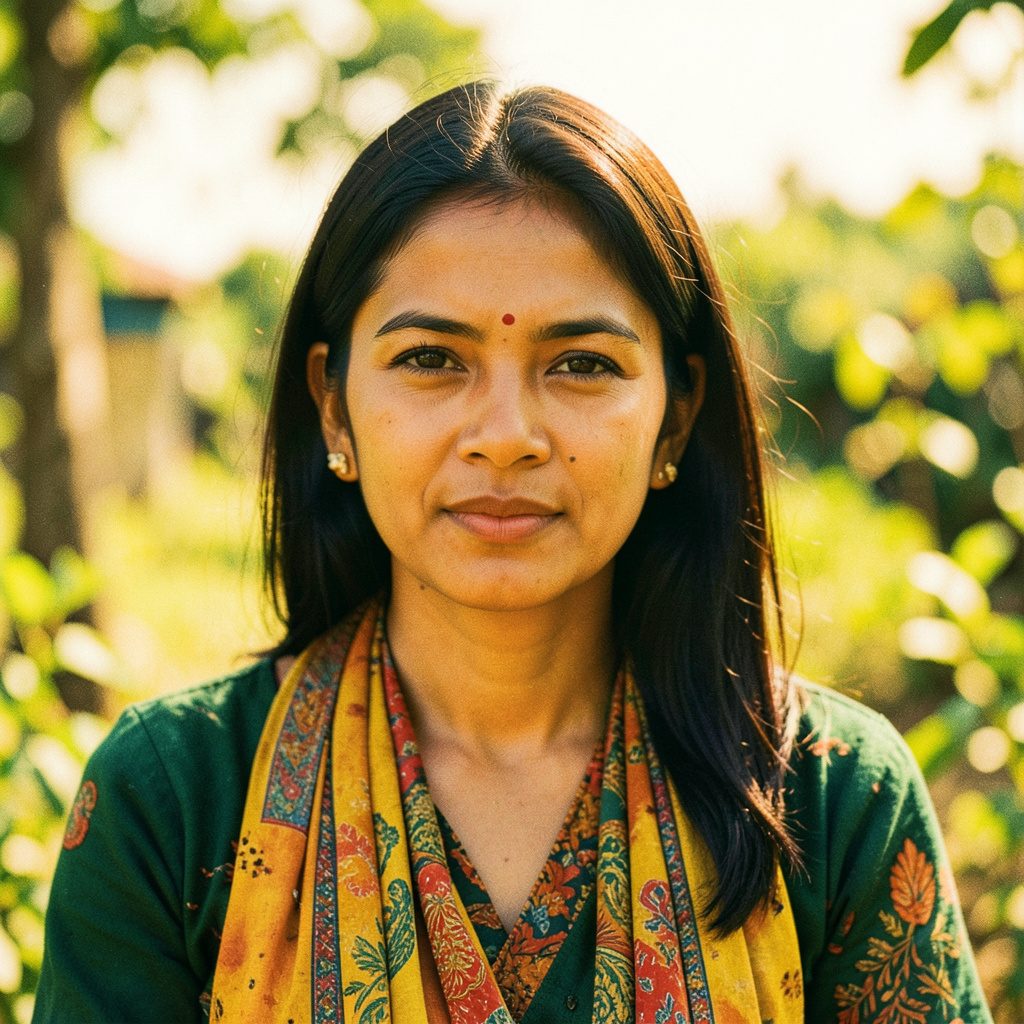
Nan Sandar occupies a distinctive place in the Myanmar-model.net archive: she is encountered through a face, then through clothing, styling and the visual decisions that create a modern editorial presence. Her photographs sit among fashion shoots, magazine covers and portrait galleries, allowing a model profile to work as a visual biography rather than a conventional career summary.
For an Australian audience, Nan Sandar offers both a fashion reference and a cultural lens. Australians understand a studio shoot, but the conventions around Burmese dress, celebrity portraiture and local beauty imagery may require a slower read. Calling her the face of modern Myanmar works best as shorthand for a visual moment, not as a claim to represent every region, tradition or generation.
| Profile dimension | Archive framing | Australian parallel | Viewer focus |
|---|---|---|---|
| Presence | Poised gaze and controlled posture | Direct confidence in campaigns | Expression over movement |
| Wardrobe | Contemporary shapes with cultural detail | Independent labels mix texture and proportion | Fashion rooted in place |
| Light and setting | Studio polish or atmospheric location work | Melbourne studio light and Sydney coastal daylight | Skin, fabric and mood |
| Finish | Magazine-ready makeup and composition | Strong beauty retouching in local media | Polish and authenticity |
A modern Burmese image in focus
Nan Sandar’s camera presence is defined by restraint. A steady expression, upright posture and controlled framing let viewers study the face without the distraction of a fast-changing pose. That quality is valuable in a photo-led archive because each image can serve as both portrait and record of contemporary taste.
Her styling vocabulary sits between modern Myanmar and inherited cultural cues. A wrapped longyi, tailored jacket or clean evening silhouette creates different readings under controlled light. The point is not to label every image with one national identity, but to show how a model can make cultural detail feel current rather than static.
The Myanmar-model.net presentation adds another layer. Because the site foregrounds covers, shoots and galleries, Nan Sandar is understood through visual range: poised close-ups, full-length styling and the repeated use of face, fabric and gesture. Her profile is strongest when those elements serve as evidence of a working aesthetic rather than unsupported biography.
Portrait language and visual signatures
At the centre of this portrait archive is a tension between immediacy and control. A viewer may feel close to the subject in a tight beauty shot, yet the image has been shaped by pose, lens, lighting, hair and makeup. Nan Sandar’s visual signatures are clear without becoming rigid rules:
- A steady, direct gaze that gives portraits control.
- Upright posture and clean facial framing.
- Contemporary silhouettes balanced with cultural references.
- A polished finish suited to covers and galleries.
Read together, these features create a recognisable but adaptable image. The archive becomes more useful when readers can move between a clean studio frame, a location portrait and clothing-led sequences. The photographs then show range rather than repetition:
- Minimal studio light beside atmospheric location work.
- Wardrobe changes beyond a single signature look.
- Close-up portraits that make expression central.
- Sequences suited to tags and model-name navigation.
That balance makes the profile feel modern. Nan Sandar is neither presented as a purely traditional figure nor flattened into a generic international model; she occupies the space where Burmese identity, contemporary fashion and editorial polish meet. The close-up remains the anchor, while wardrobe and setting provide movement across the galleries.
Reading her style from Australia
Melbourne provides a useful Australian comparison for this kind of image-making. Its concentration of studios, stylists, photographers and independent magazines creates a familiar environment for fashion editorials. Sydney’s coastal daylight, often seen in campaigns around Bondi, offers another way to render skin, jewellery and fabric. Neither setting dictates how Burmese fashion should look; both simply give local viewers an accessible reference.
Conversation about fashion in Australia is often brisk and practical. Editors say a talent is booked, a photographer is on the shoot and a look must serve the campaign. In that register, Nan Sandar can be discussed through concrete features: a clean profile, a structured garment balanced with softer fabric, and a held gaze. The vocabulary keeps attention on what is visible.
The market structure is recognisable too. Australian models may work through agencies or as freelance bookers, with day rates, availability and usage rights negotiated by project. A magazine pitch, paid campaign, showroom story or test shoot may use one portfolio image, but permission for commercial reuse can differ sharply. For viewers of the Myanmar archive, editorial visibility is not the same as owning a photograph or securing a broad commercial licence.
The person behind the editorial frame
Behind each polished frame is a network of creative labour: photographer, stylist, makeup artist, hair stylist, assistants and the people arranging garments, light and location. A strong profile acknowledges that network without letting credits crowd out personality. It explains how a striking image was made while keeping Nan Sandar’s expression and presence central.
Responsible editing also requires care when traditional clothing appears. A longyi or other distinctly Myanmar garment can carry specific cultural and regional meaning, and an archive should not detach it from context to create a generic exotic mood. The same restraint applies to makeup, skin tone and body styling; polished presentation can be documented without treating one appearance as the only standard of Burmese beauty.
Her public image also sits amid a culture where commercial beauty and public wellbeing can easily be conflated. A detailed report on French health reforms shows why editorial context should distinguish policy evidence from promotional imagery; the same distinction matters in Australian wellness media, where a polished portrait can express confidence but cannot substantiate claims about health, access or working conditions.
Context can be specific without becoming heavy. Dates, locations, production credits and notes on the styling theme give a photograph an anchor, while a short profile of the photographer or magazine can explain its visual environment. These details let an archive travel across markets without losing the circumstances that made it meaningful.
Building a lasting model archive
Discovery on Myanmar-model.net is part of the profile’s value. Popular and latest posts create a changing front page, tags group visual themes, and model-name pages let readers trace an individual across the archive. For Nan Sandar, that route should reveal editorial range: magazine covers beside full-length fashion imagery, studio portraits beside cultural styling, and galleries built around a recognisable signature.
The ideal Nan Sandar entry is both attractive and usable. It can open with a concise visual summary, continue through dated galleries and end with production information that supports independent viewing or publication research. Australian readers do not need a biography padded with generic statements about modern Asia; they need accurate labels, careful captions and enough context to understand why a frame belongs in the collection.
The immediate editorial next step is concrete: open the Nan Sandar collection and attach the available date, location, photographer, stylist, makeup artist and clothing credits to each dated shoot.